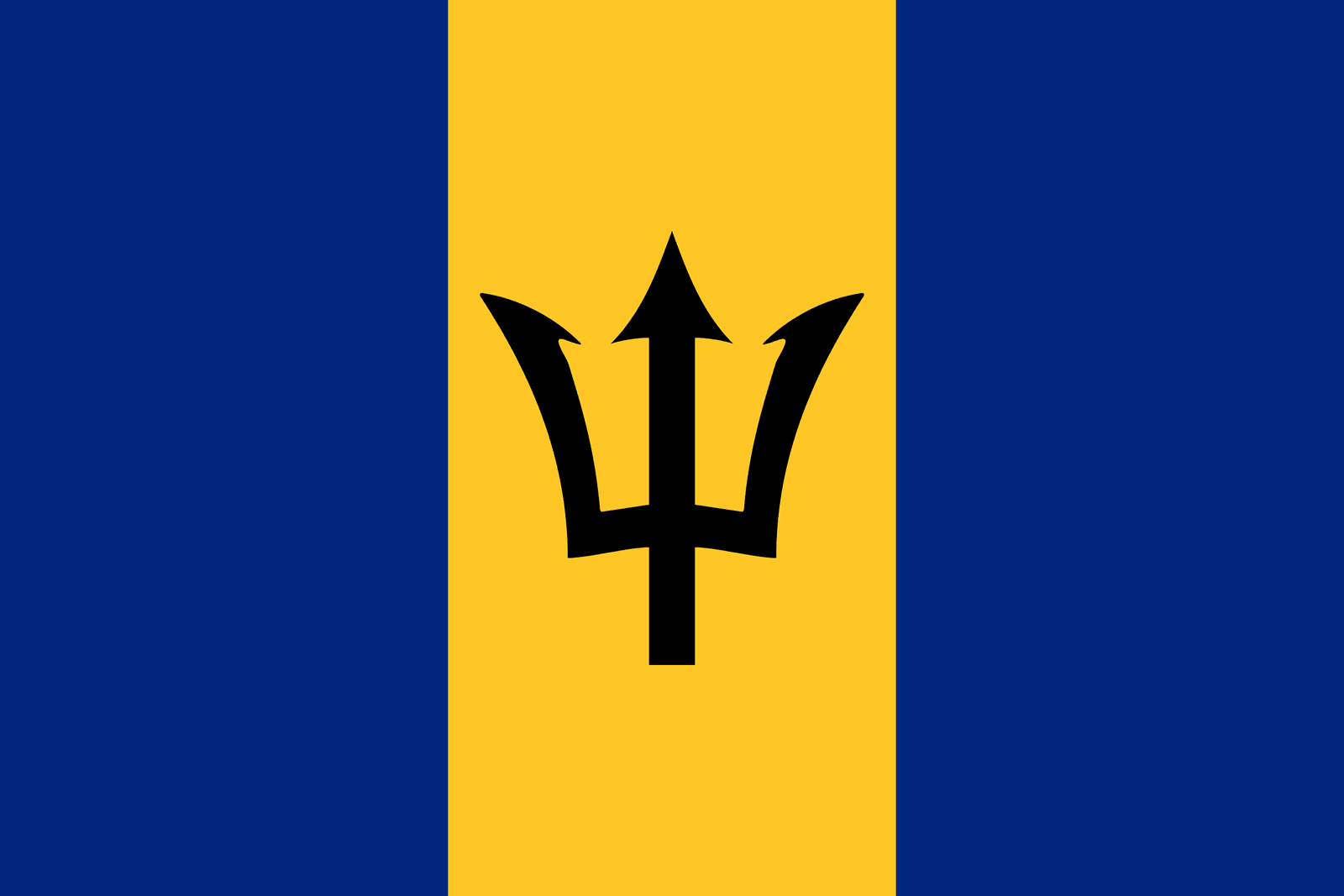
Flag of Barbados
| Legal Name | Barbados |
|---|---|
| Flag |
|
| Capital City |
Bridgetown |
| Total Area | ~430 km² |
| Land Area | ~430 km² |
| Water Area | Negligible |
| Population | ~282,000 |
| Major Cities | Bridgetown (110,000 metro), Speightstown (4,000), Oistins (2,500), Holetown (1,500) |
| Currency | Barbadian Dollar (BBD) |
| GDP | ~US$6–7 billion |
| GDP Per Capita | ~US$23,000 (nominal) |
About of Barbados
Barbados is an island nation in the eastern Caribbean Sea, situated at the western edge of the Atlantic Ocean. Unlike many Caribbean islands that are part of volcanic chains, Barbados is primarily composed of limestone and coral formations, giving it relatively flat terrain and white sandy beaches. The island lies east of the Windward Islands and northeast of Venezuela, making it one of the most easterly islands in the Caribbean region.
The capital city, Bridgetown, is the political, economic, and cultural center of the country. It hosts the main port, government institutions, and a significant share of commercial activity. While Bridgetown is the largest urban area, smaller towns such as Speightstown and Oistins contribute to local commerce and tourism. Barbados is highly urbanized, with most of its population living along the coast or near the capital.
Internationally, Barbados is a fully sovereign state and a member of the United Nations, the Commonwealth of Nations, and the Caribbean Community (CARICOM). Its strategic position in the Atlantic and Caribbean makes it an important hub for regional tourism, aviation, and financial services. The country is widely recognized for its political stability, high literacy rate, and strong democratic institutions.
3. Etymology
The name “Barbados” is believed to have originated from the Portuguese term “Os Barbados,” meaning “The Bearded Ones.” Early Portuguese explorers in the 16th century reportedly used the name to describe the appearance of the island’s fig trees, whose hanging aerial roots resembled beards.
Over time, the Spanish and British adopted the name, and it became permanently associated with the island. The term evolved into its modern spelling during the colonial period and has remained unchanged since independence, symbolizing both historical heritage and national identity.
4. History
Prior to European arrival, Barbados was inhabited by indigenous peoples including the Arawaks and later the Caribs, who migrated from South America. These early communities lived through fishing, agriculture, and trade networks across the Caribbean.
European contact began in the late 15th century, but permanent colonization started with the British in 1627. Barbados quickly became a major center of sugar production during the 17th century, relying heavily on enslaved African labor. The plantation economy generated significant wealth but also entrenched deep social inequalities.
Slavery was abolished in 1834, leading to gradual social reforms and economic diversification. Barbados remained under British colonial rule for over three centuries, developing parliamentary institutions and legal frameworks modeled after the British system. The island achieved independence peacefully on 30 November 1966, becoming a constitutional monarchy within the Commonwealth.
In 2021, Barbados transitioned from a monarchy to a parliamentary republic, removing the British monarch as head of state and appointing a domestic president. This modern political evolution marked a significant milestone in the country’s post-independence identity while maintaining strong international relationships.
5. Government and Politics
Barbados operates as a parliamentary republic with a democratic political system grounded in a written constitution. The President serves as the ceremonial head of state, while the Prime Minister is the head of government and exercises executive authority.
The Executive Branch consists of the Prime Minister and Cabinet, responsible for national administration and policy implementation. The Legislative Branch is bicameral, comprising the House of Assembly and the Senate. Members of the House are elected by citizens, while senators are appointed. The Judicial Branch is independent, with the Caribbean Court of Justice serving as the highest appellate court.
Administratively, Barbados is divided into parishes rather than provinces or states. The nation maintains active diplomatic ties globally and is a member of CARICOM, the Organization of American States, and the Commonwealth. Defense responsibilities are managed by the Barbados Defence Force, which focuses on national security, maritime patrol, and disaster response rather than large-scale military operations.
6. Economy
Barbados is classified as a high-income developing economy with a strong emphasis on services. Tourism is the leading industry, contributing significantly to GDP, employment, and foreign exchange earnings. Financial services, offshore banking, and international business also play vital roles.
Agriculture, once dominated by sugarcane, now represents a smaller portion of the economy but still includes crops such as vegetables, fruits, and livestock. Manufacturing sectors include food processing, beverages, and light industry. Natural resources are limited, though the island has small oil and natural gas reserves.
Key trade partners include the United States, Canada, the United Kingdom, and neighboring Caribbean nations. Economic challenges include vulnerability to global tourism fluctuations, climate change impacts, and high import dependence. Future growth strategies focus on renewable energy, digital services, and sustainable tourism.
7. Demographics
Barbados has a relatively small but dense population primarily of Afro-Caribbean descent, with minorities of European, Asian, and mixed heritage. English is the official language, while Bajan Creole is widely spoken in everyday communication.
Christianity is the predominant religion, with Anglicanism historically influential, alongside other Protestant denominations and smaller religious communities. The majority of the population resides in urban or semi-urban coastal areas. Population growth is slow, with high life expectancy and low fertility rates contributing to demographic stability.
8. Culture and Society
Barbadian culture blends African, British, and Caribbean influences, creating a distinct national identity. Music genres such as calypso, reggae, and soca are integral to social life, while literature and poetry reflect themes of heritage and independence. Traditional cuisine features seafood, flying fish, rice dishes, and tropical fruits.
Social customs emphasize politeness, community involvement, and respect for tradition. The most famous cultural celebration is Crop Over Festival, a vibrant summer festival rooted in the island’s sugar harvest history. Cricket is the most popular sport, alongside football, athletics, and water sports.
9. Education and Healthcare
Barbados has one of the highest literacy rates in the Caribbean, supported by a comprehensive public education system that spans primary, secondary, and tertiary levels. The University of the West Indies (Cave Hill Campus) is a prominent institution for higher education and regional research.
Healthcare is publicly funded and provides universal access through hospitals and clinics across the island. The country has achieved strong public health indicators, including high life expectancy and low infant mortality. Ongoing priorities include non-communicable disease prevention and healthcare modernization.
10. Geography and Climate
Barbados is a relatively flat coral island with rolling hills in the central region and extensive coastlines featuring beaches and cliffs. Unlike volcanic islands nearby, it lacks large mountains or rivers. The island experiences a tropical maritime climate with warm temperatures year-round and a wet season typically from June to November.
Natural hazards include hurricanes, tropical storms, and coastal erosion. Environmental concerns focus on water resource management, coral reef preservation, and sustainable tourism development.
11. Flora and Fauna
The island hosts moderate biodiversity, including tropical plants, palm trees, and flowering shrubs. Native wildlife includes small mammals, reptiles, and numerous bird species. Marine ecosystems are particularly important, with coral reefs supporting fish populations and tourism activities. Conservation efforts aim to protect coastal habitats and marine biodiversity.
Map of Barbados
National Flag: Blue and gold vertical tricolor with black trident
Coat of Arms: Shield with a bearded fig tree and dolphins, supported by a pelican and dolphin
National Anthem: “In Plenty and In Time of Need”
National Flower: Pride of Barbados (Caesalpinia pulcherrima)
National Tree: Bearded Fig Tree
National Flag (Detailed Section)
The national flag of Barbados consists of three vertical bands: ultramarine blue on the left and right, and gold in the center. A black broken trident head is positioned in the middle of the gold band. The blue stripes symbolize the sea and sky, while the gold represents the island’s sandy beaches.
The trident signifies the country’s break from colonial rule and the concept of government “of the people, by the people, for the people.” Adopted at independence in 1966, the design reflects sovereignty, heritage, and democratic values. The flag is prominently displayed on government buildings, schools, and during national celebrations.
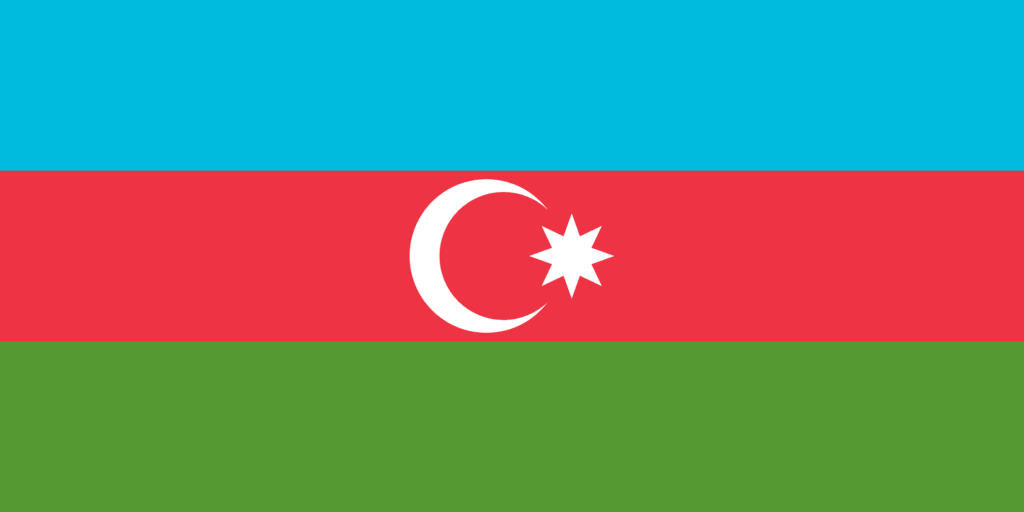
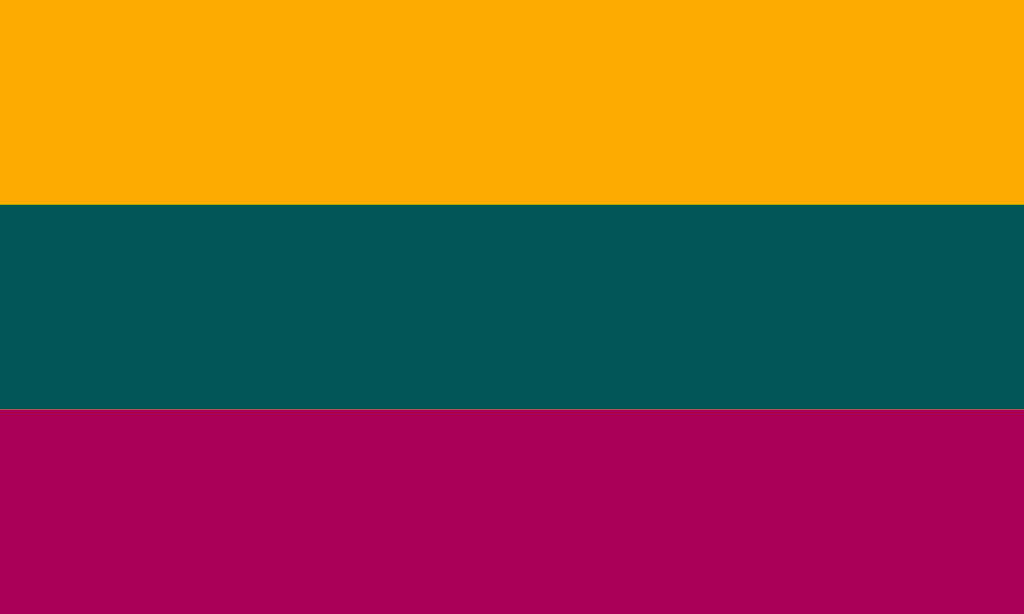
Realted Flags
Flag flying days
| Date | Flag Position | Occasion |
|---|---|---|
| 21 January | Full-mast | Errol Barrow Day |
| Good Friday | Half-mast | National Observance |
| 28 April | Full-mast | National Heroes Day |
| 30 November | Full-mast | Independence Day |
| 25 December | Full-mast | Christmas Day |
| Official Days of Mourning | Half-mast | State Mourning Occasions |