
Flag of Saint Kitts and Nevis
| Legal Name | Federation of Saint Christopher and Nevis |
|---|---|
| Flag |
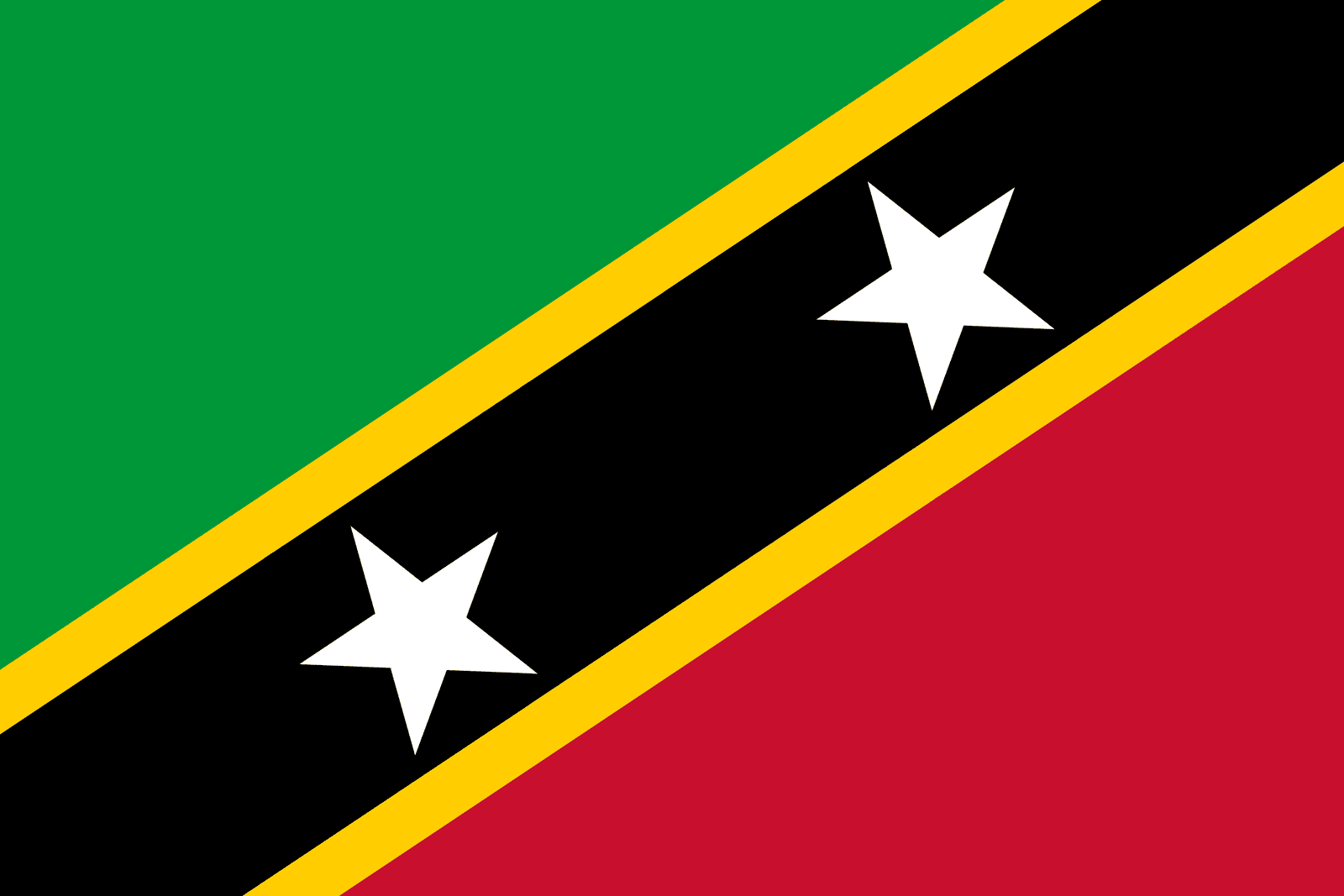
|
| Capital City |
Basseterre |
| Total Area | 261 |
| Land Area | 261km2 |
| Water Area | Negligible |
| Population | Approximately 53,000 |
| Major Cities | Basseterre (~15,000), Charlestown (~1,500) |
| Currency | Eastern Caribbean dollar (XCD) |
| GDP | USD 1.1 billion |
| GDP Per Capita | USD 20,000 (PPP, approx.) |
About of Pakistan
Saint Kitts and Nevis is a small island nation in the eastern Caribbean Sea, located within the Lesser Antilles island chain of the West Indies. It consists of two main volcanic islands—Saint Kitts (Saint Christopher) and Nevis—separated by a narrow channel known as The Narrows. The country lies southeast of Puerto Rico and west of Antigua and Barbuda.
The nation has no land borders, but its maritime boundaries connect it to several Caribbean neighbors. Basseterre, located on Saint Kitts, serves as both the capital and the largest urban center, functioning as the administrative, commercial, and port hub. Charlestown, the capital of Nevis, is the island’s cultural and historical center.
With a small but stable population, Saint Kitts and Nevis is internationally recognized as a sovereign state and the smallest country in the Western Hemisphere by population. It holds membership in the United Nations, Commonwealth of Nations, Caribbean Community (CARICOM), Organization of Eastern Caribbean States (OECS), and the Organization of American States (OAS). Its strategic importance lies in its Caribbean location, maritime routes, tourism economy, and financial services sector.
Etymology
The name Saint Kitts is a shortened form of Saint Christopher, named by Christopher Columbus in 1493 in honor of Saint Christopher, the patron saint of travelers. Nevis derives from the Spanish name Nuestra Señora de las Nieves (“Our Lady of the Snows”), inspired by the island’s cloud-covered volcanic peak, which early explorers likened to snow.
Over time, common usage shortened Saint Christopher to Saint Kitts, while Nevis retained its original name. Together, the names reflect the islands’ European colonial and religious heritage.
History
Prehistoric and Indigenous Periods
The islands were originally inhabited by Indigenous Amerindian peoples, including the Arawaks and later the Kalinago (Caribs), who established fishing and farming communities long before European contact.
European Colonization
Christopher Columbus sighted the islands in 1493, but permanent European settlement began in the early 17th century. Saint Kitts became the first English colony in the Caribbean in 1624. The French also established settlements, leading to frequent conflicts between European powers.
Colonial Rule and Plantation Economy
Control of the islands shifted between Britain and France until Britain gained full control in 1783. The economy was dominated by sugar plantations, relying heavily on enslaved African labor. Slavery was abolished in 1834, profoundly reshaping society.
Road to Independence
Saint Kitts and Nevis became an associated state of the United Kingdom in 1967, gaining internal self-government. On 19 September 1983, the country achieved full independence, becoming a sovereign nation while remaining within the Commonwealth.
Modern Developments
Post-independence, the country diversified its economy beyond sugar, closing the sugar industry in 2005. Political life has remained stable, though Nevis has periodically debated greater autonomy or secession.
Government and Politics
Saint Kitts and Nevis operates as a federal parliamentary democracy and constitutional monarchy.
Head of State: The British monarch, represented by a Governor-General
Head of Government: Prime Minister
Legislative Branch: Unicameral National Assembly
Judicial Branch: Independent judiciary within the Eastern Caribbean Supreme Court system
Administrative Divisions: Federal structure with two constituent units—Saint Kitts and Nevis, with Nevis having its own island administration
Foreign Relations: Active participation in CARICOM, OECS, UN, Commonwealth, and regional diplomatic initiatives
Defense: No standing army; security provided by the Saint Kitts and Nevis Defence Force, primarily focused on internal security and disaster response
Economy
Saint Kitts and Nevis has a small, open, service-oriented economy, classified as upper-middle-income.
Tourism is the dominant sector, supported by financial services, real estate, construction, and offshore banking. Agriculture plays a limited role following the closure of the sugar industry, though small-scale farming continues. Natural resources are modest and include fertile volcanic soils and marine resources.
Major trading partners include the United States, the European Union, and other Caribbean nations. Key exports consist of electronic components, beverages, and services. Economic challenges include vulnerability to global economic shocks, climate change, and natural disasters, while future growth focuses on sustainable tourism, renewable energy, and digital services.
Demographics
The population is predominantly of African descent, with smaller communities of European, East Indian, and mixed heritage. English is the official language, while Caribbean English Creole is widely spoken.
Christianity is the dominant religion, with Anglican, Methodist, Roman Catholic, and other Protestant denominations most common. The population is largely urbanized along coastal areas, and growth rates are low, influenced by emigration and demographic aging.
Culture and Society
Culture in Saint Kitts and Nevis reflects a blend of African heritage, British colonial influence, and Caribbean traditions. Music styles such as calypso, soca, and steelpan are central to cultural expression.
Cuisine features seafood, rice, peas, root vegetables, and spiced meats, with dishes like goat water stew holding national significance. Social life is community-oriented, with strong emphasis on family and shared celebrations.
Major festivals include Carnival, Culturama (on Nevis), and national holidays tied to independence and emancipation. Cricket is the most popular sport, alongside athletics and football.
Education and Healthcare
Education is compulsory and publicly funded at the primary and secondary levels. Literacy rates are high, exceeding 95%. Higher education opportunities include local colleges and regional universities.
Healthcare is provided through a public health system, supplemented by private clinics. Public health priorities include managing non-communicable diseases and strengthening disaster preparedness.
Geography and Climate
The islands are of volcanic origin, characterized by mountainous interiors, fertile valleys, and sandy coastlines. Mount Liamuiga on Saint Kitts and Nevis Peak dominate the landscape.
The climate is tropical, with warm temperatures year-round and a wet season from May to November. Natural hazards include hurricanes, flooding, and volcanic risks, though volcanic activity is currently dormant.
Flora and Fauna
Saint Kitts and Nevis supports diverse ecosystems, including rainforests, coastal mangroves, and coral reefs. Native plant species include tropical hardwoods and flowering plants.
Wildlife includes green vervet monkeys, reptiles, seabirds, and marine species. Conservation efforts focus on marine protection and preserving forest reserves and national parks.
Map of Saint Kitts and Nevis
Saint Kitts and Nevis is a small island nation in the eastern Caribbean Sea, located within the Lesser Antilles island chain of the West Indies. It consists of two main volcanic islands—Saint Kitts (Saint Christopher) and Nevis—separated by a narrow channel known as The Narrows. The country lies southeast of Puerto Rico and west of Antigua and Barbuda.
The nation has no land borders, but its maritime boundaries connect it to several Caribbean neighbors. Basseterre, located on Saint Kitts, serves as both the capital and the largest urban center, functioning as the administrative, commercial, and port hub. Charlestown, the capital of Nevis, is the island’s cultural and historical center.
With a small but stable population, Saint Kitts and Nevis is internationally recognized as a sovereign state and the smallest country in the Western Hemisphere by population. It holds membership in the United Nations, Commonwealth of Nations, Caribbean Community (CARICOM), Organization of Eastern Caribbean States (OECS), and the Organization of American States (OAS). Its strategic importance lies in its Caribbean location, maritime routes, tourism economy, and financial services sector.
Etymology
The name Saint Kitts is a shortened form of Saint Christopher, named by Christopher Columbus in 1493 in honor of Saint Christopher, the patron saint of travelers. Nevis derives from the Spanish name Nuestra Señora de las Nieves (“Our Lady of the Snows”), inspired by the island’s cloud-covered volcanic peak, which early explorers likened to snow.
Over time, common usage shortened Saint Christopher to Saint Kitts, while Nevis retained its original name. Together, the names reflect the islands’ European colonial and religious heritage.
History
Prehistoric and Indigenous Periods
The islands were originally inhabited by Indigenous Amerindian peoples, including the Arawaks and later the Kalinago (Caribs), who established fishing and farming communities long before European contact.
European Colonization
Christopher Columbus sighted the islands in 1493, but permanent European settlement began in the early 17th century. Saint Kitts became the first English colony in the Caribbean in 1624. The French also established settlements, leading to frequent conflicts between European powers.
Colonial Rule and Plantation Economy
Control of the islands shifted between Britain and France until Britain gained full control in 1783. The economy was dominated by sugar plantations, relying heavily on enslaved African labor. Slavery was abolished in 1834, profoundly reshaping society.
Road to Independence
Saint Kitts and Nevis became an associated state of the United Kingdom in 1967, gaining internal self-government. On 19 September 1983, the country achieved full independence, becoming a sovereign nation while remaining within the Commonwealth.
Modern Developments
Post-independence, the country diversified its economy beyond sugar, closing the sugar industry in 2005. Political life has remained stable, though Nevis has periodically debated greater autonomy or secession.
Government and Politics
Saint Kitts and Nevis operates as a federal parliamentary democracy and constitutional monarchy.
Head of State: The British monarch, represented by a Governor-General
Head of Government: Prime Minister
Legislative Branch: Unicameral National Assembly
Judicial Branch: Independent judiciary within the Eastern Caribbean Supreme Court system
Administrative Divisions: Federal structure with two constituent units—Saint Kitts and Nevis, with Nevis having its own island administration
Foreign Relations: Active participation in CARICOM, OECS, UN, Commonwealth, and regional diplomatic initiatives
Defense: No standing army; security provided by the Saint Kitts and Nevis Defence Force, primarily focused on internal security and disaster response
Economy
Saint Kitts and Nevis has a small, open, service-oriented economy, classified as upper-middle-income.
Tourism is the dominant sector, supported by financial services, real estate, construction, and offshore banking. Agriculture plays a limited role following the closure of the sugar industry, though small-scale farming continues. Natural resources are modest and include fertile volcanic soils and marine resources.
Major trading partners include the United States, the European Union, and other Caribbean nations. Key exports consist of electronic components, beverages, and services. Economic challenges include vulnerability to global economic shocks, climate change, and natural disasters, while future growth focuses on sustainable tourism, renewable energy, and digital services.
Demographics
The population is predominantly of African descent, with smaller communities of European, East Indian, and mixed heritage. English is the official language, while Caribbean English Creole is widely spoken.
Christianity is the dominant religion, with Anglican, Methodist, Roman Catholic, and other Protestant denominations most common. The population is largely urbanized along coastal areas, and growth rates are low, influenced by emigration and demographic aging.
Culture and Society
Culture in Saint Kitts and Nevis reflects a blend of African heritage, British colonial influence, and Caribbean traditions. Music styles such as calypso, soca, and steelpan are central to cultural expression.
Cuisine features seafood, rice, peas, root vegetables, and spiced meats, with dishes like goat water stew holding national significance. Social life is community-oriented, with strong emphasis on family and shared celebrations.
Major festivals include Carnival, Culturama (on Nevis), and national holidays tied to independence and emancipation. Cricket is the most popular sport, alongside athletics and football.
Education and Healthcare
Education is compulsory and publicly funded at the primary and secondary levels. Literacy rates are high, exceeding 95%. Higher education opportunities include local colleges and regional universities.
Healthcare is provided through a public health system, supplemented by private clinics. Public health priorities include managing non-communicable diseases and strengthening disaster preparedness.
Geography and Climate
The islands are of volcanic origin, characterized by mountainous interiors, fertile valleys, and sandy coastlines. Mount Liamuiga on Saint Kitts and Nevis Peak dominate the landscape.
The climate is tropical, with warm temperatures year-round and a wet season from May to November. Natural hazards include hurricanes, flooding, and volcanic risks, though volcanic activity is currently dormant.
Flora and Fauna
Saint Kitts and Nevis supports diverse ecosystems, including rainforests, coastal mangroves, and coral reefs. Native plant species include tropical hardwoods and flowering plants.
Wildlife includes green vervet monkeys, reptiles, seabirds, and marine species. Conservation efforts focus on marine protection and preserving forest reserves and national parks.
Realted Flags
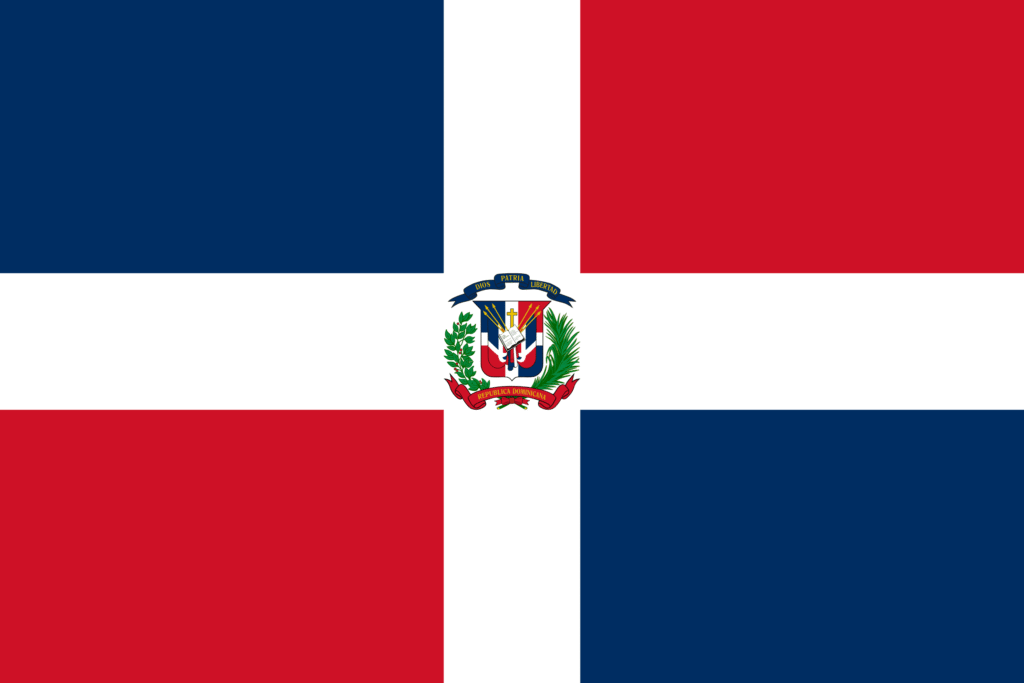
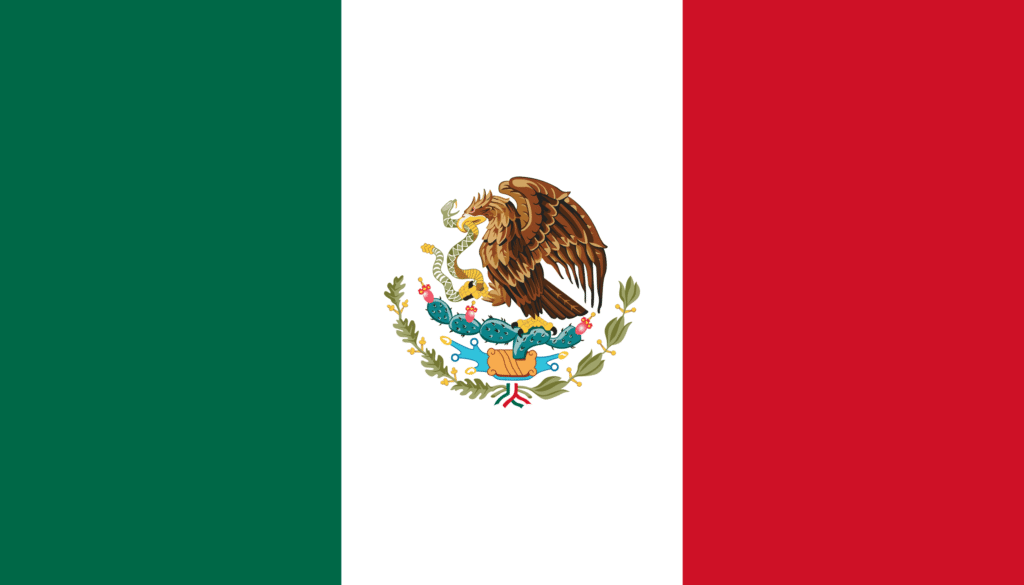
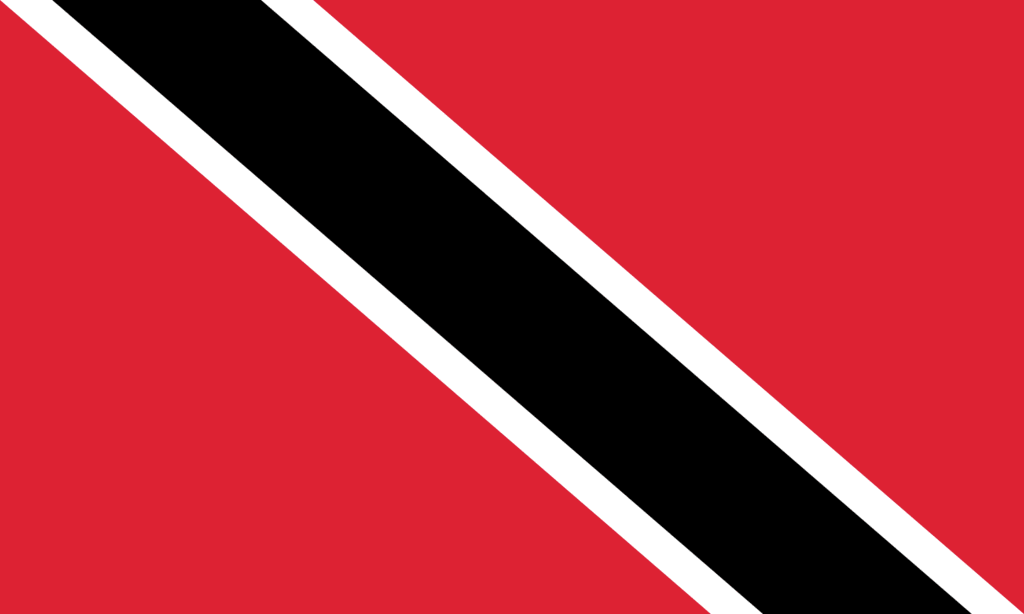
Flag flying days
| Date | Flag Position | Occasion / Reason |
|---|
| September 19 | Full-mast | Independence Day |
| August 1 | Full-mast | Emancipation Day |
| National Heroes Day | Full-mast | Honoring national heroes |
| Official Mourning Periods | Half-mast | National or international mourning |