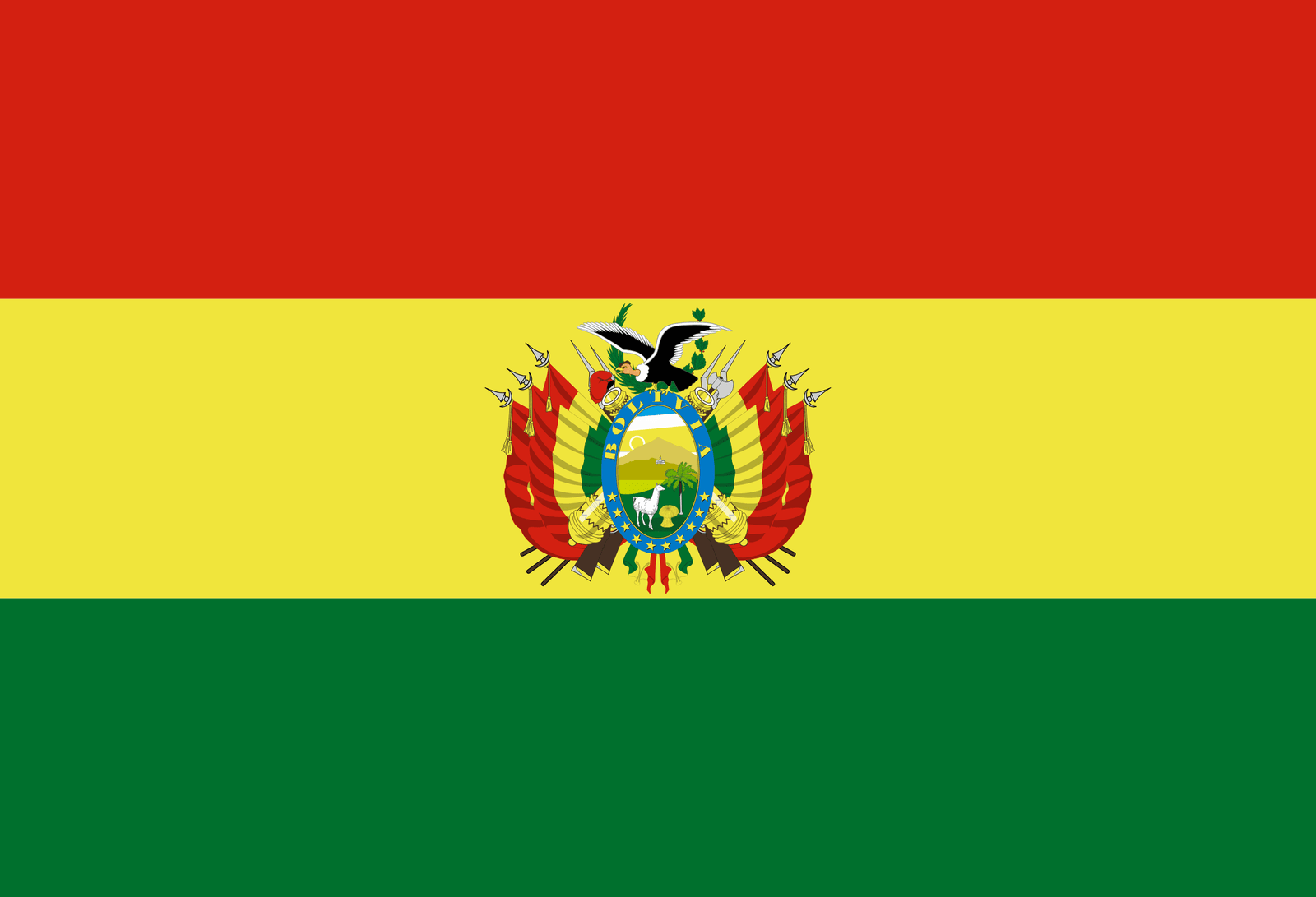
Flag of Bolivia
| Legal Name | Plurinational State of Bolivia |
|---|---|
| Flag |
|
| Capital City |
Sucre (constitutional); La Paz (seat of government) |
| Total Area | ~1,098,581 km² |
| Land Area | ~1,083,301 km² |
| Water Area | ~15,280 km² |
| Population | ~12 million |
| Major Cities | Santa Cruz de la Sierra (~1.8 million), La Paz (~800,000), El Alto (~950,000), Cochabamba (~630,000), Sucre (~300,000) |
| Currency | Boliviano (BOB) |
| GDP | ~US$97 billion |
| GDP Per Capita | ~US$3,750 (PPP approx. US$8,000) |
About of Bolivia
Bolivia is a landlocked country in western-central South America, bordered by Brazil to the north and east, Peru to the northwest, Chile to the southwest, Argentina to the south, and Paraguay to the southeast. Its diverse topography includes the Andean highlands, the Altiplano plateau, valleys, and tropical lowlands of the Amazon basin.
The country has two capitals: Sucre, the constitutional capital, and La Paz, the administrative and political seat. Bolivia’s largest city, Santa Cruz de la Sierra, is the economic hub, experiencing rapid urbanization and industrial growth. Bolivia is recognized for its cultural and linguistic diversity, with a majority Indigenous population, rich traditions, and a multi-ethnic society.
Strategically, Bolivia holds significance due to its natural resources, including lithium, natural gas, and minerals, and its location in the center of South America, linking the Andes with the Amazon and lowland regions.
3. Etymology
The name “Bolivia” is derived from Simón Bolívar, the South American independence leader who played a pivotal role in the liberation of the country from Spanish colonial rule. The name was officially adopted after independence in 1825, symbolizing the nation’s revolutionary heritage and its connection to broader continental movements for independence.
4. History
Bolivia’s history is deeply rooted in pre-Columbian civilizations, including the Tiwanaku and Inca cultures, which established advanced societies in the Andean highlands. These civilizations developed agriculture, architecture, and trade networks that influenced regional dynamics for centuries.
During the colonial period, Spain conquered the region in the 16th century, exploiting its rich silver mines, particularly at Potosí, which became one of the largest urban centers in the Americas. The colonial period lasted until the early 19th century, leaving a lasting legacy on language, religion, and governance structures.
Bolivia gained independence in 1825, following revolutionary struggles led by figures like Simón Bolívar and Antonio José de Sucre. Post-independence, the country experienced territorial conflicts, including the War of the Pacific (1879–1884) with Chile, which resulted in Bolivia losing its coastline.
The 20th century saw a mixture of military rule, political instability, and social reform, culminating in significant indigenous movements and the 2009 Constitution, which recognized Bolivia as a Plurinational State. Modern political developments have focused on inclusive governance, economic development, and social equity.
5. Government and Politics
Bolivia is a unitary presidential constitutional republic. The President serves as head of state and government and is elected for a five-year term. The Plurinational Legislative Assembly is bicameral, consisting of the Chamber of Deputies and the Senate. The judiciary is independent, with the Supreme Court as the highest judicial authority.
The country is divided into nine departments: La Paz, Cochabamba, Santa Cruz, Potosí, Oruro, Tarija, Chuquisaca, Pando, and Beni. Bolivia maintains active foreign relations, is a member of the United Nations, Organization of American States (OAS), and the Andean Community, and participates in regional initiatives such as Mercosur and the Amazon Cooperation Treaty Organization.
The Armed Forces of Bolivia consist of the Army, Air Force, and Navy (with operations on rivers and lakes), emphasizing internal security and territorial sovereignty.
6. Economy
Bolivia has an emerging, resource-based economy. Agriculture is significant, producing soybeans, quinoa, corn, and potatoes. Mining, particularly of lithium, tin, silver, and zinc, contributes heavily to exports. Natural gas and oil are major revenue sources, with growing energy infrastructure supporting regional exports.
The service sector, particularly tourism, banking, and commerce, is expanding, while manufacturing remains limited to food processing, textiles, and cement. Key trade partners include Brazil, Argentina, the United States, and China. Challenges include dependence on commodity exports, infrastructure deficits, and poverty reduction. Future growth focuses on resource management, energy export expansion, and sustainable development.
7. Demographics
Bolivia’s population is multi-ethnic, with Indigenous groups forming the majority: Quechua, Aymara, Guaraní, and others. Mestizo populations and European-descended communities also contribute to diversity. Spanish is the official language, while Indigenous languages are recognized and widely spoken.
Religions are predominantly Roman Catholic, with growing Protestant, Indigenous, and syncretic spiritual practices. Urbanization is increasing, particularly in Santa Cruz, La Paz, and El Alto. Population growth trends indicate moderate increases, with demographic shifts toward urban areas.
8. Culture and Society
Bolivia is culturally rich, combining Andean, Amazonian, and European influences. Music and dance, such as caporales, morenada, and saya, are integral to festivals and social life. Traditional crafts include textiles, pottery, and silverwork.
National identity emphasizes indigenous heritage and multiculturalism. Social customs highlight family, community, and respect for ancestral traditions. Major festivals include Carnival of Oruro, Dia de los Muertos, and independence celebrations. Football is the most popular sport, with widespread participation in volleyball, basketball, and traditional games.
9. Education and Healthcare
Bolivia’s education system includes primary, secondary, and tertiary levels, with bilingual programs in Spanish and Indigenous languages. Literacy rates have improved over recent decades, though disparities remain in rural areas. Higher education includes public universities like Universidad Mayor de San Andrés.
Healthcare consists of public and private providers. Public health challenges include malaria, dengue, and maternal-child health issues, with government programs targeting disease prevention, vaccination, and improved rural health services.
10. Geography and Climate
Bolivia features diverse landscapes: the Andean highlands, Altiplano plateau, inter-Andean valleys, and the Amazonian lowlands. Major rivers include the Mamore, Beni, and Madeira, supporting agriculture and transport.
Climate varies by altitude: the highlands are cool and semi-arid, valleys are temperate, and lowlands are tropical and humid. Natural hazards include floods, landslides, and occasional droughts. Environmental concerns focus on deforestation, soil erosion, and biodiversity conservation.
11. Flora and Fauna
Bolivia hosts biodiverse ecosystems, from Amazon rainforest to Andean puna. Native flora includes mahogany, rubber trees, and orchids. Wildlife comprises jaguars, llamas, alpacas, Andean condors, capybaras, and diverse fish species. National parks like Madidi, Noel Kempff Mercado, and Amboró protect habitats, support conservation, and promote eco-tourism.
Map of Bolivia
National Flag: Horizontal tricolor of red, yellow, and green with coat of arms.
Coat of Arms: Features a llama, mountain, wheat, and crossed rifles, symbolizing wealth, independence, and natural resources.
National Anthem: “Himno Nacional de Bolivia.”
National Animals: Llama and Andean condor.
National Plants: Kantuta flower and quinoa plant.
Monuments: Potosí colonial architecture, Tiwanaku archaeological site.
National Flag (Detailed Section)
Bolivia’s flag features three horizontal stripes: red, yellow, and green, with the coat of arms centered on the yellow band. Adopted in 1851, the colors represent:
Red: Valor and sacrifice.
Yellow: Mineral wealth and prosperity.
Green: Fertility, agriculture, and natural resources.
The coat of arms adds symbolism: the llama represents fauna, the mountain and wheat signify natural richness, and the weapons and flags honor independence struggles. The flag is displayed on national holidays, government buildings, and during official ceremonies.
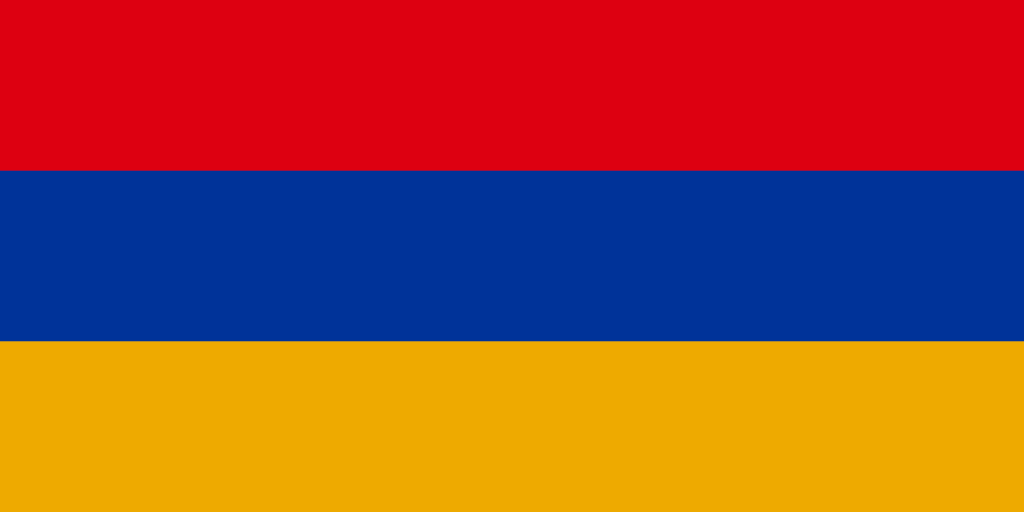
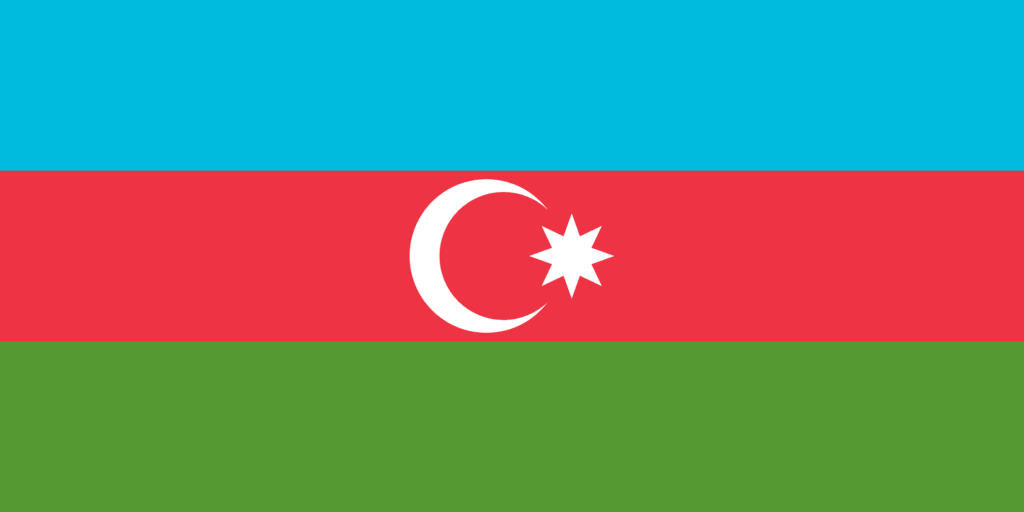
Realted Flags
Flag flying days
| Date | Flag Position | Occasion |
|---|---|---|
| 6 August | Full-mast | Independence Day |
| 1 May | Full-mast | Labor Day |
| 25 May | Full-mast | Armed Forces Day |
| National Mourning Days | Half-mast | State funerals or official mourning |