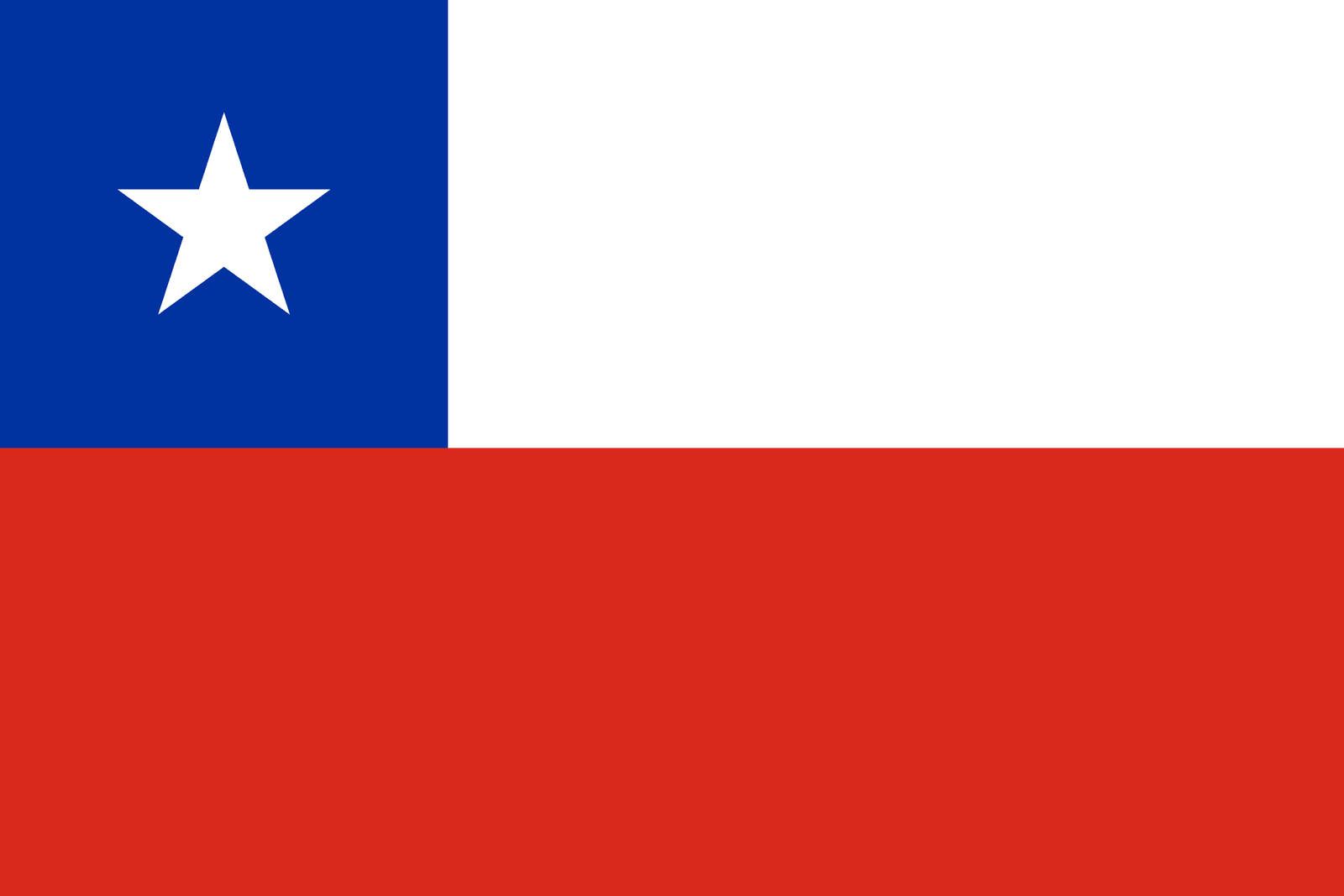
Flag of Chile
| Legal Name | Chile |
|---|---|
| Flag |
|
| Capital City |
Santiago |
| Total Area | ~756,102 km² |
| Land Area | ~743,812 km² |
| Water Area | ~12,290 km² |
| Population | ~19.7 million |
| Major Cities | Santiago (~7.1M metro), Valparaíso (~1.0M metro), Concepción (~1.0M metro), Antofagasta (~430K), Temuco (~320K) |
| Currency | Chilean Peso (CLP) |
| GDP | ~USD 335 billion |
| GDP Per Capita | ~USD 17,000 (nominal) |
About of Chile
Chile is a long, narrow country located along the western edge of South America, stretching from the arid Atacama Desert in the north to the fjords and glaciers of Patagonia in the south. Bordered by the Pacific Ocean to the west and the Andes Mountains to the east, Chile’s geography is among the most distinctive in the world.
The country shares land borders with Peru to the north, Bolivia to the northeast, and Argentina along its eastern frontier. Chile also claims Easter Island (Rapa Nui) in the Pacific Ocean, giving it a presence in Polynesia. Santiago, the capital and largest city, serves as the political, economic, and cultural center, while Valparaíso functions as the main seaport and legislative seat.
Chile’s population is largely urban and concentrated in the central valley region. Internationally, Chile is recognized as a stable democratic republic with strong institutions and a high level of economic integration. Its strategic importance lies in its role as a Pacific gateway to South America, its mineral wealth, and its leadership in regional diplomacy and trade.
Etymology
The origin of the name “Chile” is uncertain and debated. One theory suggests it derives from an indigenous Mapuche word meaning “where the land ends” or “cold,” referencing the southern extremity of the continent. Another interpretation links it to the Quechua word chiri, meaning cold or snow.
Spanish explorers adopted the name during the early colonial period, and it gradually became standardized. Over time, “Chile” evolved from a regional descriptor into the official name of the independent nation.
History
Human settlement in Chile dates back more than 10,000 years, with early hunter-gatherer societies adapting to diverse environments. Indigenous groups such as the Mapuche, Aymara, and Diaguita developed distinct cultures, particularly in central and northern regions. The Inca Empire extended into northern Chile in the 15th century but never fully conquered the Mapuche territories.
Spanish colonization began in the 16th century, with Santiago founded in 1541. Chile remained a relatively marginal Spanish colony, shaped by frontier warfare with indigenous groups and a rural, agricultural economy. Colonial rule lasted until the early 19th century.
Chile declared independence in 1818 following a successful liberation movement led by figures such as Bernardo O’Higgins. The 19th century saw territorial expansion, including the War of the Pacific, which secured mineral-rich northern lands. The 20th century brought political instability, culminating in a military dictatorship from 1973 to 1990. Since the restoration of democracy, Chile has pursued political reforms and economic modernization.
Government and Politics
Chile is a presidential republic with a democratic political system. The Constitution establishes a separation of powers among the executive, legislative, and judicial branches. The President serves as both head of state and government.
The National Congress is bicameral, consisting of a Senate and a Chamber of Deputies. Judicial authority is vested in an independent court system headed by the Supreme Court. Administratively, Chile is divided into regions, provinces, and communes.
Chile maintains active foreign relations and is a member of international organizations such as the United Nations, Organization of American States, OECD, and Pacific Alliance. The armed forces are professional and civilian-controlled, focusing on territorial defense and disaster response.
Economy
Chile is classified as a high-income, emerging economy with a strong market orientation. It is one of Latin America’s most stable and open economies, with extensive free trade agreements worldwide.
Mining dominates the economy, particularly copper, of which Chile is the world’s leading producer. Other sectors include agriculture, fisheries, manufacturing, services, and renewable energy. The country is also a major exporter of wine, fruit, seafood, and lithium.
Chile’s main trading partners include China, the United States, and the European Union. Economic challenges include income inequality, reliance on commodity exports, and the need for greater diversification and innovation.
Demographics
Chile’s population is primarily of mixed European and indigenous descent, with indigenous peoples such as the Mapuche forming the largest minority group. Spanish is the official and dominant language.
Christianity, mainly Roman Catholicism, remains influential, though secularism and religious diversity have increased. Over 88% of Chileans live in urban areas, and population growth has slowed, reflecting demographic aging and lower birth rates.
Culture and Society
Chilean culture reflects a blend of indigenous heritage and Spanish colonial influences. National identity emphasizes resilience, social solidarity, and pride in geography and cultural traditions.
Chile has a rich artistic tradition, with internationally recognized poets, writers, and musicians. Chilean cuisine features seafood, maize, meats, and wines. Social customs value family ties and community life.
Major holidays include Independence Day, Fiestas Patrias, and religious celebrations. Football is the most popular sport, alongside tennis and rodeo, which is considered a national sport.
Education and Healthcare
Chile operates a mixed public-private education system with compulsory schooling and a strong higher education sector. Literacy rates exceed 96%, and universities play a key role in research and innovation.
The healthcare system combines public and private providers. Chile has made significant progress in life expectancy and disease prevention, though disparities in access and quality remain.
Geography and Climate
Chile’s geography includes deserts, fertile valleys, mountains, glaciers, and over 6,000 km of coastline. The Andes Mountains dominate the eastern border, while the Atacama Desert is among the driest places on Earth.
The climate varies from arid in the north to Mediterranean in the central region and temperate to cold in the south. Natural hazards include earthquakes, volcanic eruptions, tsunamis, and landslides.
Flora and Fauna
Chile hosts diverse ecosystems, many with high levels of endemism. Native species include the Chilean pine, araucaria, and southern beech forests. Wildlife includes pumas, condors, guanacos, and penguins.
The country has established numerous national parks and reserves to protect biodiversity, particularly in Patagonia and coastal regions.
Map of Chile
Chile’s national flag is a central symbol of independence and sovereignty. The coat of arms features a condor and huemul deer, representing strength and native wildlife. The national anthem reflects themes of freedom and patriotism. The huemul is regarded as the national animal.
National Flag (Detailed Section)
The Chilean flag consists of two horizontal bands—white above red—with a blue square containing a white five-pointed star in the upper left corner. Adopted in 1817, the flag symbolizes the sky, snow-capped Andes, blood shed for independence, and guidance toward progress.
The flag is displayed on public buildings, during national celebrations, and on official occasions. Strict rules govern its respectful use and proper proportions.
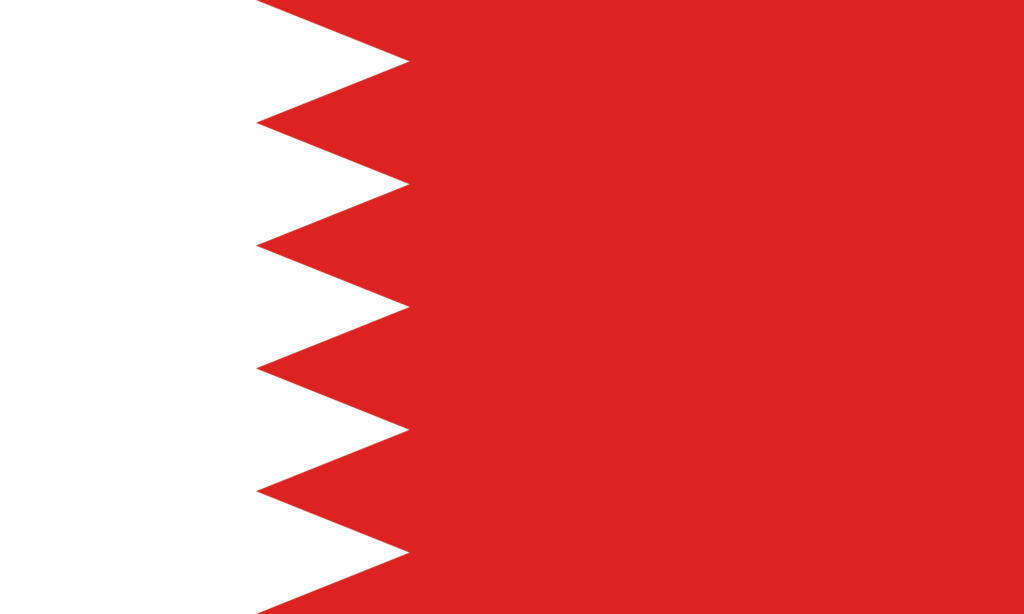
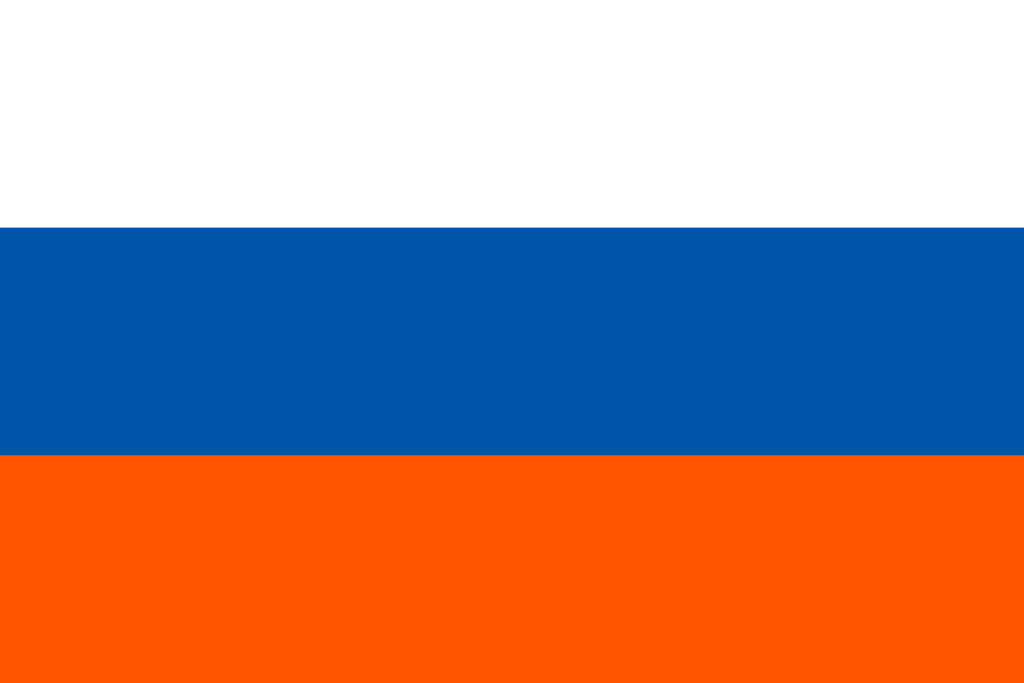
Realted Flags

Flag flying days
| Date | Flag Position | Occasion |
|---|---|---|
| May 21 | Full-mast | Navy Day |
| July 16 | Full-mast | Day of the Virgin of Carmen |
| September 18–19 | Full-mast | Independence Day and Army Day |
| National Mourning Days (as declared) | Half-mast | State mourning occasions |