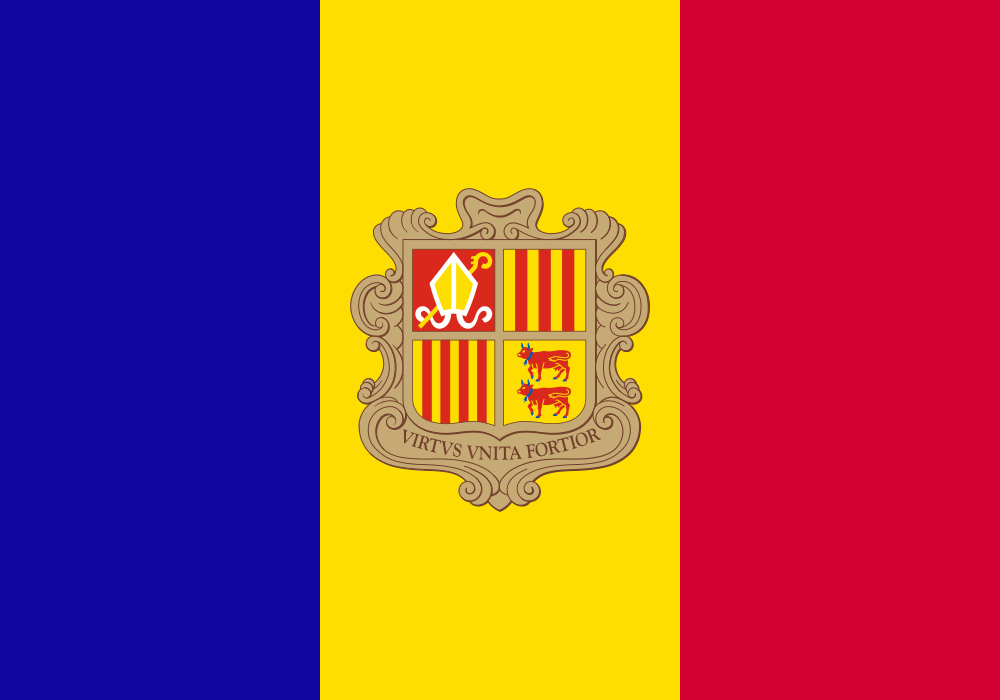
Flag of Andorra
| Legal Name | Principality of Andorra |
|---|---|
| Flag |
|
| Capital City |
Andorra la Vella |
| Total Area | ~468 km² |
| Land Area | ~468 km² |
| Water Area | Negligible (<1 km²) |
| Population | ~77,000 |
| Major Cities | Andorra la Vella (~22,000), Escaldes-Engordany (~15,000), Encamp (~13,000), Sant Julià de Lòria (~9,000), La Massana (~8,000) |
| Currency | Euro (EUR) |
| GDP | ~US$3 billion |
| GDP Per Capita | ~US$40,000–42,000 |
About of Andorra
Andorra is a small, landlocked principality situated in the eastern Pyrenees mountains of Southwestern Europe, nestled between France to the north and Spain to the south. Covering less than 500 square kilometers, it is one of the smallest countries on the continent, yet its mountainous terrain and strategic location along historic trade routes have shaped its cultural and economic development.
The capital and largest city, Andorra la Vella, serves as the political, commercial, and administrative hub. Other notable towns such as Escaldes-Engordany and Encamp are integral to regional commerce and tourism. With a population under 80,000, Andorra’s communities are concentrated along valleys and mountain slopes, preserving traditional architecture and a strong sense of local identity.
Internationally recognized as a sovereign principality, Andorra maintains a unique political system rooted in medieval co-principality arrangements. Its position between France and Spain has historically granted it geopolitical importance, serving as a buffer and a center of mountain trade. Today, Andorra is renowned for its tourism, winter sports, and status as a low-tax economy, attracting visitors and investors from across Europe.
2. Etymology
The name “Andorra” is believed to derive from the Navarrese or Basque word “andurrial,” meaning “shrub-covered land” or “highland.” Other theories link it to the Arabic term “al-durra,” meaning “the forested land.” The modern name has remained consistent for centuries, reflecting the principality’s enduring identity amid regional linguistic and political influences.
3. History
Andorra’s history stretches back to prehistoric settlements in the Pyrenees, evidenced by archaeological sites indicating human habitation in the valleys and mountain passes. During the classical era, the region was influenced by Roman trade and administration, though it remained largely rural and isolated.
In the medieval period, Andorra became notable for its alliances and agreements with neighboring powers, culminating in the paréage of 1278, establishing a unique co-principality system under the French Count of Foix and the Bishop of Urgell in Spain. This arrangement preserved Andorra’s independence while acknowledging regional authority.
Unlike many European territories, Andorra was never fully colonized or absorbed into larger kingdoms. Its political system remained stable, and it gradually modernized in the 20th century. Key developments include the adoption of a formal constitution in 1993, establishing democratic institutions while preserving the co-princes as ceremonial heads of state.
4. Government and Politics
Andorra is a parliamentary co-principality, unique in Europe. The President of France and the Bishop of Urgell in Spain serve as co-princes, acting as ceremonial heads of state. Executive power resides with the Head of Government, elected by the General Council of Andorra, which functions as the unicameral legislative body.
The judiciary operates independently, with a constitutional court overseeing the interpretation of laws. Administratively, Andorra is divided into seven parishes, each with local councils managing municipal affairs. The principality maintains diplomatic relations globally, is a member of the United Nations, Council of Europe, and other international organizations, and participates in European cooperative frameworks without being an EU member.
5. Economy
Andorra has a high-income, service-oriented economy, largely driven by tourism, retail, and banking. The principality attracts millions of visitors annually for its ski resorts, natural landscapes, and shopping tourism, benefitting from a favorable tax environment.
Agriculture and manufacturing are minimal due to the mountainous terrain, though niche products such as dairy, tobacco, and textiles are produced. Andorra’s natural resources are limited, but its mountain environment supports hydroelectric power generation and outdoor recreation. Trade relies heavily on Spain and France, which supply goods and facilitate commerce.
Economic challenges include diversifying revenue streams beyond tourism and maintaining fiscal sustainability. The principality has invested in modern infrastructure and banking regulations to support long-term economic stability.
6. Demographics
The population of Andorra is ethnically diverse, with native Catalans, Spanish, Portuguese, and French communities. Catalan is the official and national language, though Spanish, French, and Portuguese are widely spoken.
Most residents identify with Christianity (predominantly Roman Catholic), though the country is largely secular in governance. Urbanization is concentrated in Andorra la Vella and adjacent parishes, with smaller mountain villages maintaining traditional lifestyles. Population growth is modest, influenced by immigration, tourism, and natural demographic trends.
7. Culture and Society
Andorran culture blends Catalan traditions with French and Spanish influences, reflecting its geographic position. Folklore, festivals, and traditional music are central to national identity, including celebrations like the Mércules Fair and Nativity events.
Cuisine emphasizes mountain produce, hearty meats, cheeses, and Catalan-inspired pastries. Social norms value community cohesion, respect for tradition, and hospitality. Winter sports, hiking, and cultural festivals are prominent recreational activities, attracting international visitors and promoting national pride.
8. Education and Healthcare
Education in Andorra is provided through a mix of public and private schools, with curricula offered in Catalan, French, and Spanish. Literacy is nearly universal, and higher education opportunities exist through partnerships with Spanish and French universities.
Healthcare is comprehensive, with modern public hospitals and private clinics ensuring access to quality medical services. Public health achievements include high life expectancy, vaccination coverage, and preventive care programs, supported by international cooperation and robust local systems.
9. Geography and Climate
Andorra is located entirely within the Pyrenees Mountains, featuring rugged peaks, valleys, and rivers such as the Valira. Its climate varies from alpine in high elevations with cold, snowy winters, to temperate valleys with mild summers.
Natural hazards include avalanches, landslides, and occasional flooding, primarily in mountainous regions. Environmental concerns focus on sustainable tourism, forest conservation, and water resource management, given the country’s small but ecologically sensitive area.
10. Flora and Fauna
Andorra’s biodiversity is typical of high-altitude Mediterranean regions. Forests of pine, fir, and beech cover the mountains, while alpine meadows host endemic plants and flowers. Wildlife includes chamois, marmots, wild boar, and diverse bird species. National parks and protected areas safeguard these ecosystems and promote eco-tourism and environmental education.
Map of Andorra
Andorra’s national symbols reflect sovereignty, history, and cultural heritage. The flag, coat of arms, and national anthem symbolize the principality’s autonomy, historic co-principality, and Catalan traditions. National monuments, churches, and historic bridges also serve as cultural icons.
National Flag (Detailed Section)
The Andorran flag features three vertical stripes of blue, yellow, and red, with the national coat of arms centered on the yellow stripe. The colors reflect France (blue and red) and Spain (red and yellow), symbolizing the historical co-principality and the nation’s European context. The coat of arms depicts a mitre, bishop’s staff, and quartered shields, representing the co-princes and historical counties. Flag protocol emphasizes respectful display during national holidays, government functions, and public institutions.
Realted Flags
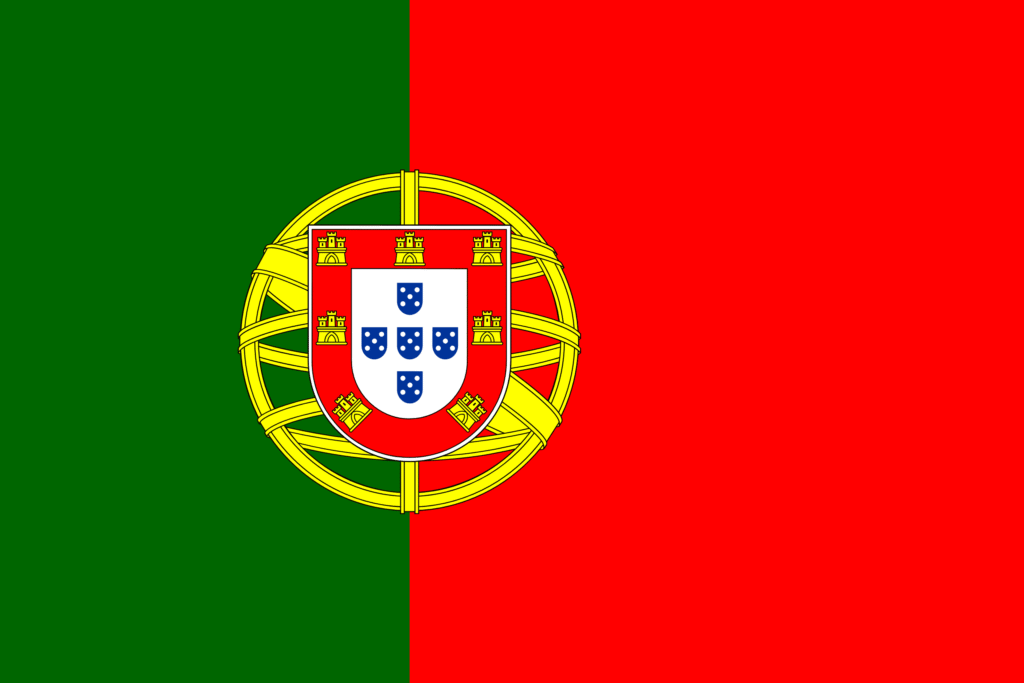
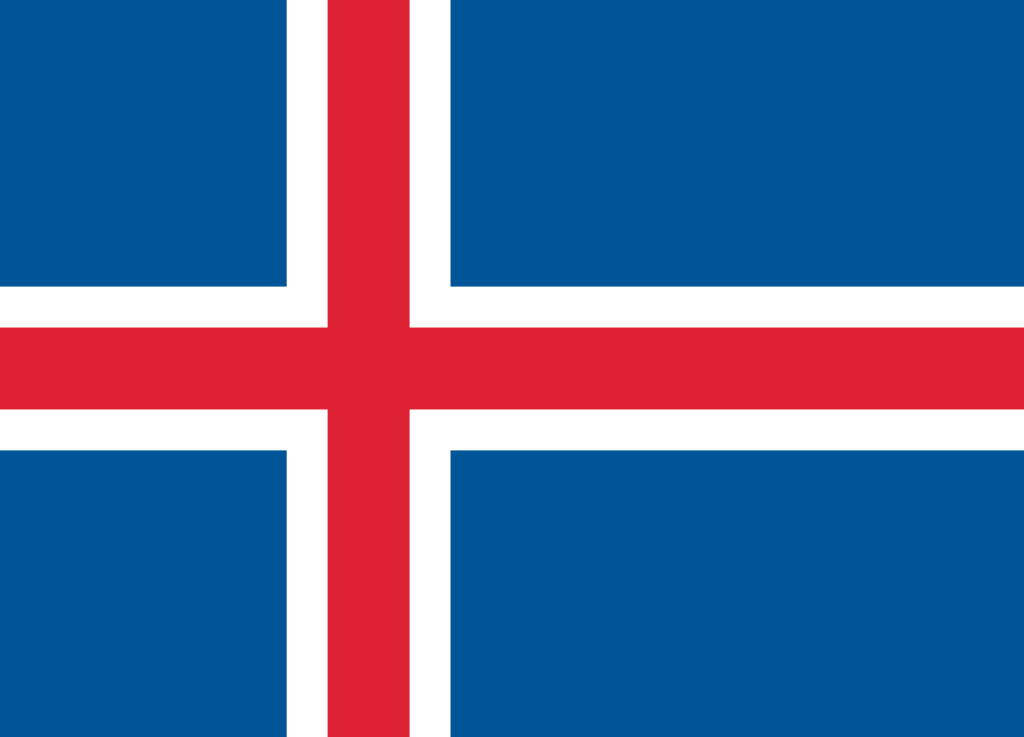
Flag flying days
| Date | Flag Position | Occasion / Reason |
|---|---|---|
| September 8 | Full-mast | National Day (Our Lady of Meritxell) |
| December 25 | Full-mast | Christmas celebrations |
| Official mourning days | Half-mast | Periods of national mourning or remembrance |