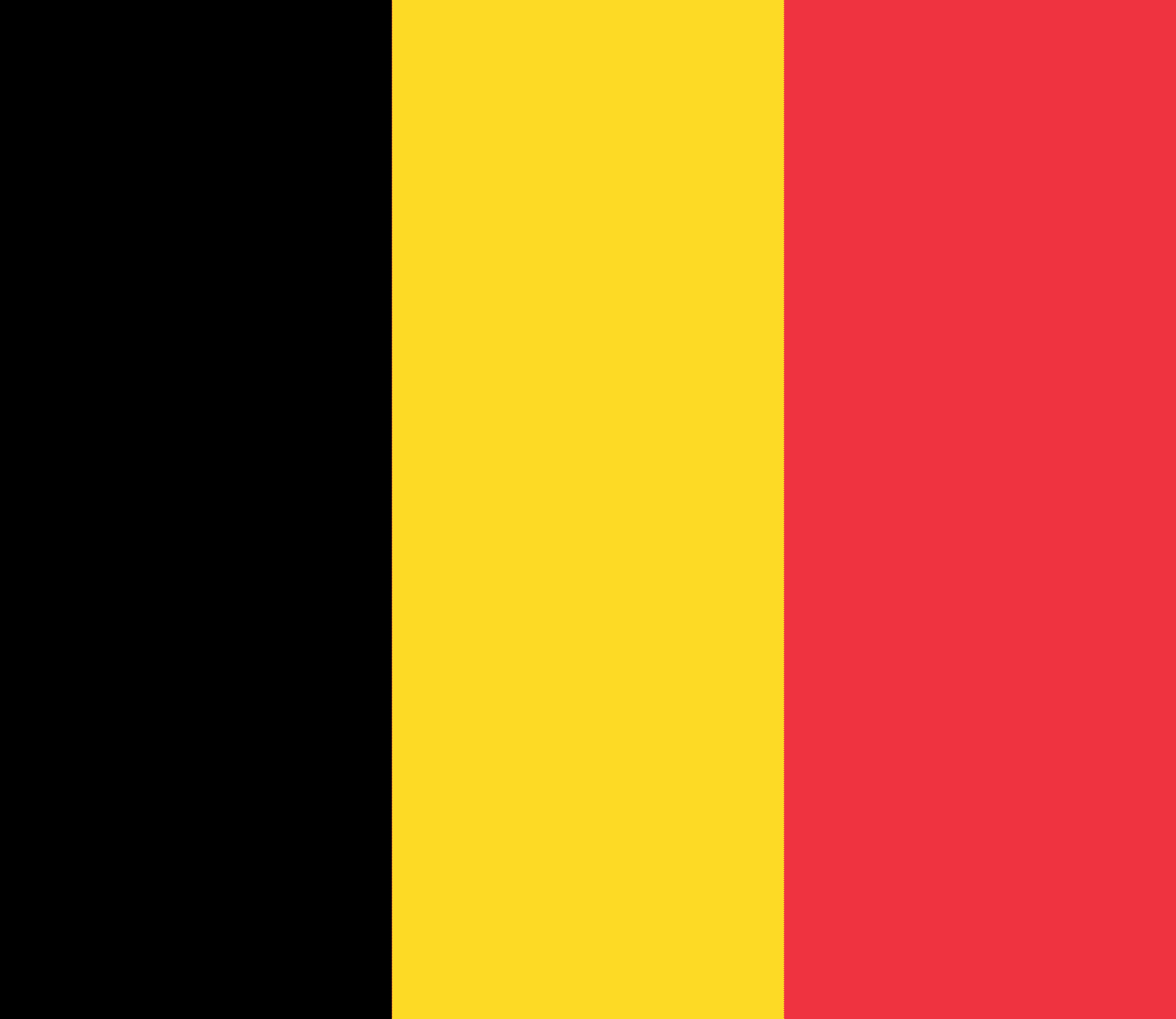
Flag of Belgium
| Legal Name | Kingdom of Belgium |
|---|---|
| Flag |
|
| Capital City |
Brussels |
| Total Area | ~30,689 km² |
| Land Area | ~30,278 km² |
| Water Area | ~411 km²/td> |
| Population | ~11.8 million |
| Major Cities | Brussels (1.2 million city; 2+ million metro), Antwerp (530,000), Ghent (265,000), Charleroi (200,000), Liège (195,000), Bruges (120,000) |
| Currency | Euro (EUR) |
| GDP | ~US$600–650 billionn |
| GDP Per Capita | ~US$50,000 (nominal) |
About of Belgium
Belgium is a Western European nation situated at the crossroads of major cultural and economic regions of Europe. It lies between the North Sea and the interior of the European continent, forming a natural gateway between northern and southern Europe. Despite its relatively small size, Belgium holds outsized importance due to its central geographic location and dense urban network.
The country shares land borders with France to the southwest, the Netherlands to the north, Germany to the east, and Luxembourg to the southeast, while its northwest coastline opens onto the North Sea. Brussels, the capital, is internationally recognized as a diplomatic and administrative hub, while Antwerp stands out as one of Europe’s largest ports and a major commercial center. Other significant cities such as Ghent, Liège, and Bruges contribute to Belgium’s cultural and industrial diversity.
Belgium is a fully sovereign and internationally recognized state and plays a prominent role in global governance. It hosts the headquarters of the European Union and NATO, making it a key diplomatic center. Its strategic location, advanced infrastructure, and multilingual population strengthen its influence in European politics, trade, and security affairs.
3. Etymology
The name “Belgium” derives from the Latin term “Belgica,” used by the Romans to describe the northern province of Gallia Belgica. This region was inhabited by the Belgae, a group of Celtic and Germanic tribes encountered by Julius Caesar during his campaigns in the 1st century BCE.
Over time, the term evolved through medieval Latin and regional languages before becoming standardized as “Belgium” in modern European usage. The name reflects the country’s ancient tribal heritage and historical continuity from Roman administrative regions to a modern nation-state.
4. History
Human settlement in the region dates back to prehistoric times, with archaeological evidence of early farming communities and trade networks. During classical antiquity, the territory formed part of the Roman Empire, integrating Roman law, roads, and urban planning into local society.
Following the fall of Rome, the area became a patchwork of feudal territories within the Frankish Kingdoms and later the Holy Roman Empire. The medieval period saw the rise of prosperous trading cities such as Bruges and Ghent, which became centers of commerce, textiles, and banking. From the 15th to 18th centuries, the region was ruled successively by the Burgundian, Spanish, and Austrian Habsburgs.
In 1815, Belgium was united with the Netherlands, but cultural and political differences led to the Belgian Revolution of 1830, resulting in independence and the establishment of a constitutional monarchy. The 20th century brought occupation during both World Wars, followed by rapid post-war industrial growth and the gradual transformation into a federal state. In recent decades, Belgium has evolved into a stable democracy known for its complex linguistic and regional governance structure.
5. Government and Politics
Belgium is a federal parliamentary constitutional monarchy. The King serves as head of state with largely ceremonial duties, while executive power rests with the Prime Minister and the Council of Ministers. The political system is designed to balance the interests of Dutch-speaking Flanders, French-speaking Wallonia, and the German-speaking community.
The Legislative Branch consists of a bicameral Federal Parliament made up of the Chamber of Representatives and the Senate. The Judicial Branch is independent, headed by the Constitutional Court and the Court of Cassation. Belgium’s constitution emphasizes civil liberties, decentralization, and linguistic equality.
Administratively, the country is divided into three regions—Flanders, Wallonia, and Brussels-Capital—and three language communities. Belgium maintains strong diplomatic ties worldwide and is a founding member of the European Union and NATO. The Belgian Armed Forces are professional and focused on defense cooperation, peacekeeping missions, and collective security within alliances.
6. Economy
Belgium has a highly developed, advanced economy characterized by strong services, industry, and international trade. It is one of Europe’s most industrialized nations and benefits from a strategic logistics network that includes major ports, railways, and highways. Antwerp’s port is among the busiest in Europe, supporting global commerce.
Key industries include chemicals, pharmaceuticals, automotive manufacturing, food processing, steel, logistics, and diamond trading. The services sector—particularly finance, insurance, and professional services—forms the backbone of economic output. Agriculture, though small in GDP share, is productive and technologically advanced.
Belgium possesses limited natural resources, relying largely on imports for raw materials and energy. Major trade partners include neighboring EU countries, the United States, and China. Economic challenges involve managing public debt, maintaining competitiveness, and addressing regional economic disparities. Long-term prospects focus on innovation, green technology, and digital transformation.
7. Demographics
Belgium’s population is diverse, reflecting centuries of migration and cultural interaction. The majority are ethnic Belgians, with notable immigrant communities from across Europe, North Africa, and Asia. The country recognizes three official languages—Dutch, French, and German—with bilingualism common in urban areas.
Religious affiliation historically centered on Roman Catholicism, though contemporary society is increasingly secular and religiously diverse. Belgium is highly urbanized, with most residents living in cities or suburban areas. Population growth is moderate, influenced by immigration and demographic aging trends.
8. Culture and Society
Belgian culture blends Germanic and Latin influences, creating a rich artistic and culinary heritage. The country is renowned for painting, architecture, comics, chocolate, waffles, and beer brewing traditions. Cities like Bruges and Antwerp showcase medieval and Renaissance architecture alongside modern design.
National identity reflects regional diversity while emphasizing shared values such as tolerance, craftsmanship, and civic participation. Festivals, music events, and local fairs are integral to community life. Football (soccer), cycling, and tennis are among the most popular sports, with international competitions drawing strong national support.
9. Education and Healthcare
Belgium maintains a high-quality education system with compulsory schooling and strong public funding. Universities in Brussels, Leuven, and Ghent are internationally recognized for research and academic excellence. Literacy rates are near universal, and multilingual education is common.
The healthcare system is universal and insurance-based, offering accessible and high-standard medical services. Belgium consistently ranks well in health indicators such as life expectancy and infant mortality. Ongoing priorities include managing healthcare costs and addressing aging-related health issues.
10. Geography and Climate
Belgium’s landscape ranges from coastal plains along the North Sea to the Ardennes hills and forests in the southeast. Major rivers such as the Scheldt and Meuse support transportation and agriculture. The terrain is generally low-lying, with fertile soils and dense settlement patterns.
The climate is temperate maritime, characterized by mild winters, cool summers, and consistent rainfall throughout the year. Natural hazards are limited but may include flooding in low-lying areas. Environmental policies emphasize sustainability, pollution control, and renewable energy development.
11. Flora and Fauna
Belgium’s biodiversity includes mixed deciduous forests, wetlands, and coastal ecosystems. Native tree species include oak, beech, and birch, while wildlife features deer, foxes, badgers, and numerous bird species. Protected areas such as the High Fens Nature Park preserve rare habitats and support conservation initiatives aimed at maintaining ecological balance.
Map of Belgium
National Flag: Black, yellow, and red vertical tricolor
Coat of Arms: A golden lion on a black shield topped with a royal crown
National Anthem: “La Brabançonne”
National Animal: Lion
National Flower: Red Poppy (commonly associated with remembrance)
National Flag (Detailed Section)
The Belgian flag consists of three equal vertical stripes—black, yellow, and red—arranged from left to right. The design draws inspiration from the coat of arms of the Duchy of Brabant, a historical region influential in the country’s formation. Black symbolizes strength and determination, yellow represents wealth and prosperity, and red signifies courage and valor.
Adopted during the Belgian Revolution of 1830, the flag became a unifying emblem of independence and national pride. It is prominently displayed on government buildings, public institutions, and during national celebrations, reflecting sovereignty and civic identity.
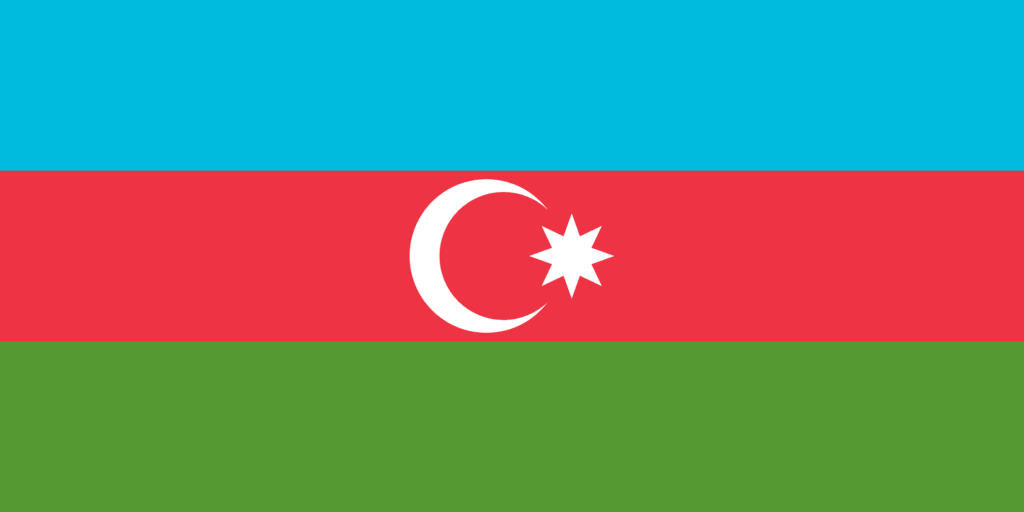
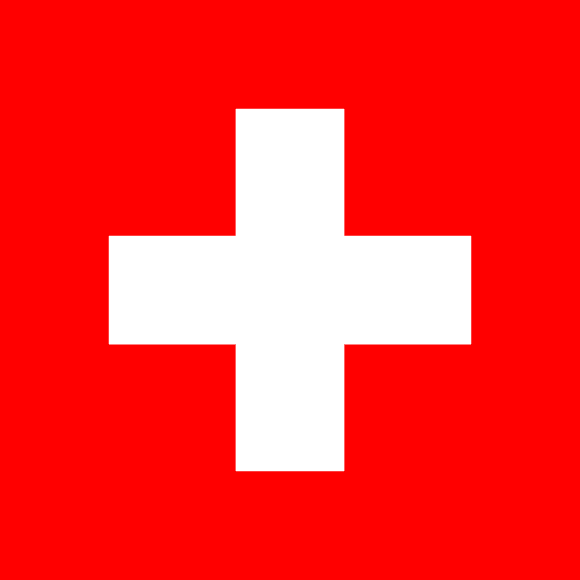
Realted Flags
Flag flying days
| Date | Flag Position | Occasion |
|---|---|---|
| 1 January | Full-mast | New Year’s Day |
| 21 July | Full-mast | National Day |
| 11 November | Full-mast | Armistice Day |
| 15 November | Full-mast | King’s Feast |
| National Mourning Days | Half-mast | State Mourning Observances |