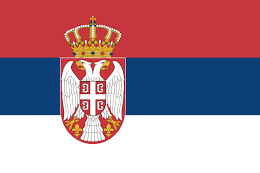
Flag of Serbia
| Legal Name | Republic of Serbia |
|---|---|
| Flag |
|
| Belgrade |
Islamabad |
| Total Area | Approximately 88,361 km² |
| Land Area | Approximately 87,981 km² |
| Water Area | Approximately 380 km² |
| Population | About 6.6 million |
| Major Cities | Belgrade (1.3 million metro), Novi Sad (400,000), Niš (250,000), Kragujevac (180,000), Subotica (140,000) |
| Currency | Serbian Dinar (RSD) |
| GDP | Approximately USD 75 billion |
| GDP Per Capita | USD 11,000 (nominal, approx.) |
About of Serbia
Serbia is a landlocked country located in Southeast and Central Europe, positioned at the crossroads of the Balkan Peninsula and the Pannonian Plain. Its geographic location has historically made it a key link between Eastern and Western Europe, as well as between the Mediterranean and Central European regions. The Danube River, one of Europe’s most important waterways, flows through the country and its capital, Belgrade.
Serbia shares land borders with Hungary to the north; Romania and Bulgaria to the east; North Macedonia to the south; Croatia, Bosnia and Herzegovina, and Montenegro to the west; and Albania to the southwest. Although landlocked, Serbia’s river network provides access to the Black Sea via the Danube. Belgrade serves as both the political and economic heart of the country, while Novi Sad, Niš, and Kragujevac function as important regional centers.
The population is predominantly ethnic Serb, with significant minority communities including Hungarians, Bosniaks, Roma, and Croats. Serbia is internationally recognized as a sovereign state and is a member of the United Nations and numerous international organizations. The country maintains a complex geopolitical position, balancing European Union accession aspirations with historical, political, and economic ties to both East and West.
Etymology
The name “Serbia” is derived from the ethnonym “Serbs,” a South Slavic people who settled in the Balkans during the early medieval period. The origin of the word “Serb” is debated, with theories linking it to ancient Indo-European roots meaning “to guard” or “to protect,” or to terms associated with kinship and alliance.
Over centuries, the name evolved through various linguistic forms in Latin, Greek, and Slavic sources, eventually stabilizing as “Serbia” in English and related languages. The name reflects both the people and the territory they historically inhabited.
History
Human settlement in present-day Serbia dates back to prehistoric times, including notable Neolithic cultures such as Vinča, one of the most advanced early European civilizations. During classical antiquity, the region was incorporated into the Roman Empire and produced several Roman emperors.
Following the Slavic migrations of the 6th and 7th centuries, Serbian principalities emerged and gradually consolidated. The medieval Serbian state reached its peak under the Nemanjić dynasty in the 13th and 14th centuries, becoming a powerful kingdom and later an empire under Stefan Dušan.
From the late 14th century, Serbia fell under Ottoman rule, which lasted for several centuries and profoundly shaped its culture, religion, and demographics. National awakening movements in the 19th century led to uprisings and gradual autonomy, culminating in full independence in the late 1800s.
Serbia played a central role in the formation of Yugoslavia after World War I. The dissolution of Yugoslavia in the 1990s brought conflict, sanctions, and political upheaval. Following the early 2000s democratic transition, Serbia became an independent state in 2006 after the dissolution of the State Union with Montenegro. Since then, it has pursued political reforms and European integration while navigating unresolved regional issues.
Government and Politics
Serbia is a parliamentary republic governed under a constitution adopted in 2006. The political system is based on democratic principles, separation of powers, and the rule of law.
Executive power is exercised by the government, headed by the Prime Minister, while the President serves as head of state with largely ceremonial but influential roles. Legislative authority rests with the unicameral National Assembly, composed of elected representatives. Judicial power is independent and vested in a system of courts culminating in the Supreme Court of Cassation.
Administratively, Serbia is divided into districts and municipalities, with the autonomous provinces of Vojvodina and Kosovo and Metohija (the latter claimed by Serbia but with limited effective control). Serbia maintains active foreign relations and is a candidate country for European Union membership. The country has a professional, modernizing military focused primarily on territorial defense and international peacekeeping participation.
Economy
Serbia is classified as an upper-middle-income, developing economy with emerging market characteristics. Its economy is diversified, with strong contributions from services, industry, and agriculture.
Key industries include automotive manufacturing, machinery, electronics, mining, energy, and information technology. Agriculture remains significant, particularly in fertile northern regions, producing grains, fruits, and livestock products. Natural resources include copper, coal, lithium, and arable land.
Serbia’s main trading partners are the European Union, neighboring Balkan countries, China, and Russia. Economic challenges include population decline, regional disparities, and dependence on foreign investment. Future growth prospects are linked to infrastructure development, digital transformation, and EU integration reforms.
Demographics
Serbia’s population is predominantly ethnic Serb, with minorities such as Hungarians, Bosniaks, Roma, Slovaks, and Croats. Serbian is the official language, written in both Cyrillic and Latin scripts.
Eastern Orthodox Christianity is the dominant religion, with Muslim, Catholic, and Protestant minorities. The country is largely urbanized, with most people living in cities and towns. Serbia faces long-term demographic challenges, including low birth rates and emigration, leading to gradual population decline.
Culture and Society
Serbian culture reflects a blend of Slavic, Byzantine, Ottoman, and Central European influences. Strong family ties, hospitality, and respect for tradition are core social values. The Serbian Orthodox Church plays a significant cultural role.
The arts are deeply rooted in music, literature, and visual arts, with traditional folk music coexisting alongside contemporary genres. Serbian cuisine features grilled meats, breads, cheeses, and regional specialties. Festivals, religious holidays, and cultural events are widely celebrated, while sports—especially basketball, tennis, and football—are an important part of national identity.
Education and Healthcare
Education in Serbia is compulsory at the primary level and structured into primary, secondary, and higher education. Literacy rates are high, and universities in Belgrade, Novi Sad, and Niš are prominent academic centers.
Healthcare is provided through a public system funded by mandatory insurance, complemented by private services. Serbia has achieved notable progress in healthcare access but continues to address challenges related to funding, aging infrastructure, and population aging.
Geography and Climate
Serbia’s geography ranges from fertile plains in the north to hills and mountains in the south and east. Major rivers include the Danube, Sava, and Morava. The country has no deserts or coastlines but features diverse landscapes.
The climate is predominantly continental, with cold winters and warm summers, transitioning to more Mediterranean influences in the south. Natural hazards include floods, earthquakes, and occasional droughts. Environmental concerns focus on air pollution, waste management, and river conservation.
Flora and Fauna
Serbia hosts rich biodiversity due to its varied terrain and climate zones. Forests cover a significant portion of the country, with oak, beech, and conifer species.
Wildlife includes deer, wolves, bears, and numerous bird species. Several national parks and protected areas preserve ecosystems and promote conservation, supporting both biodiversity protection and eco-tourism.
Map of Serbia
Serbia’s national symbols emphasize historical continuity and statehood. The national flag, coat of arms, and anthem reflect medieval heritage and modern sovereignty. Important monuments include medieval monasteries, fortresses, and cultural landmarks recognized for their historical value.
National Flag (Detailed Section)
The Serbian flag consists of three horizontal stripes: red on top, blue in the middle, and white at the bottom. The national coat of arms is placed toward the hoist on the state flag version.
The tricolor dates back to the 19th century and symbolizes freedom, justice, and unity. Red represents sacrifice and courage, blue symbolizes liberty and faith, and white signifies peace and purity. The flag is flown on government buildings, during national holidays, and at official events, following established protocol.
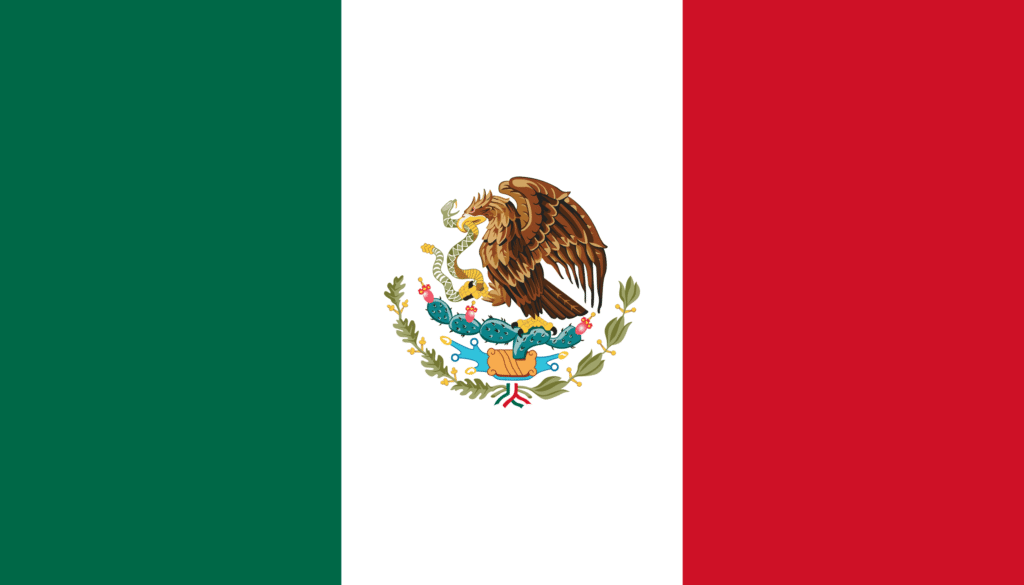
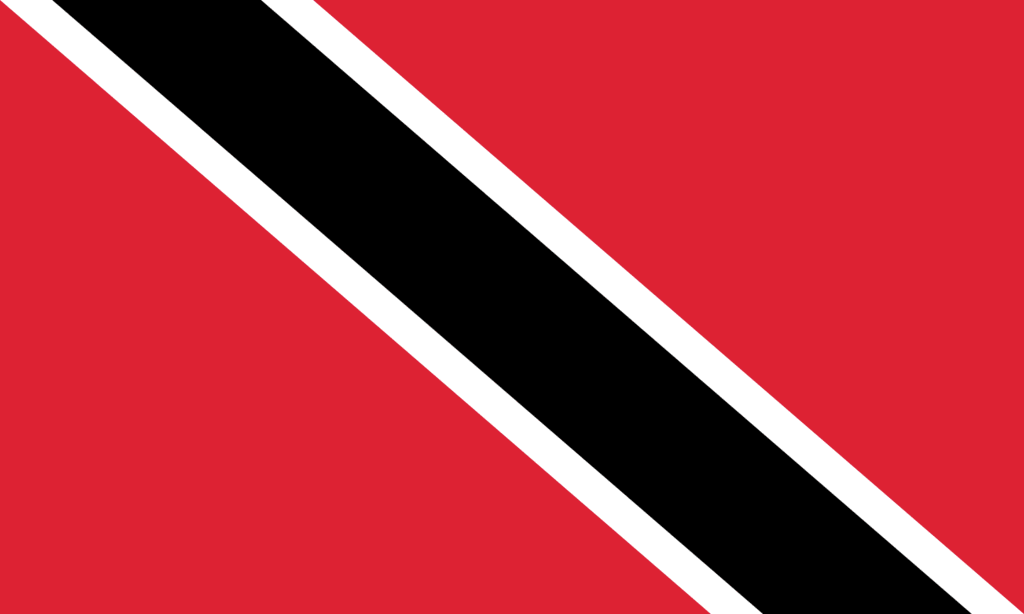
Realted Flags
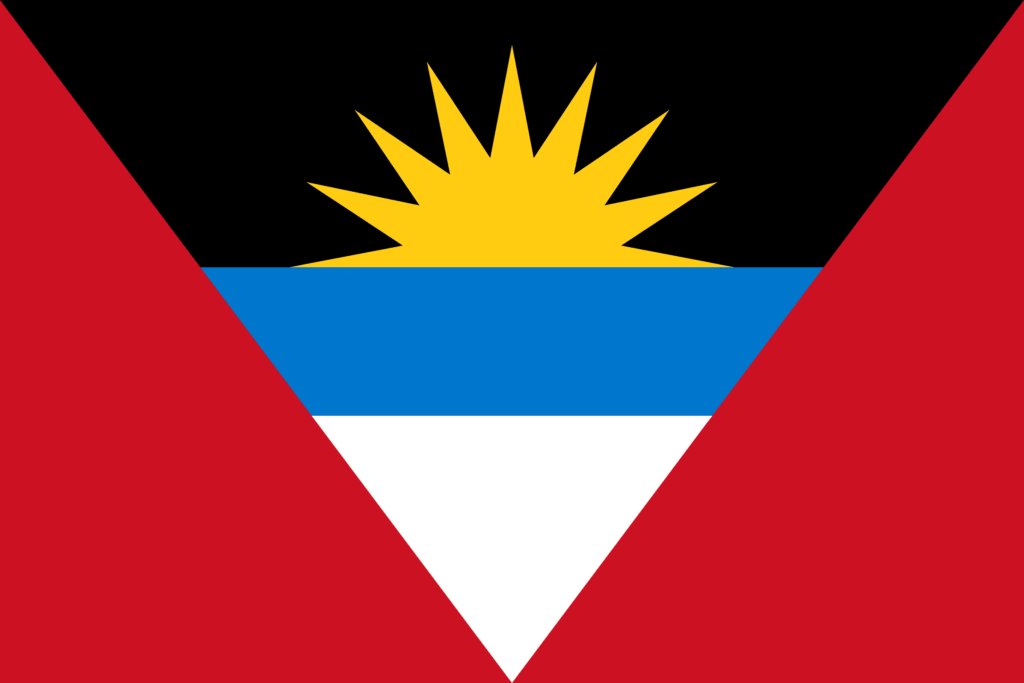
Flag flying days
| Date | Flag Position | Occasion or Reason |
|---|---|---|
| February 15 | Full-mast | Statehood Day |
| April 23 | Full-mast | Army Day |
| June 28 | Full-mast | Vidovdan (St. Vitus Day) |
| November 11 | Full-mast | Armistice Day |
| Days of national mourning | Half-mast | Official state mourning periods |