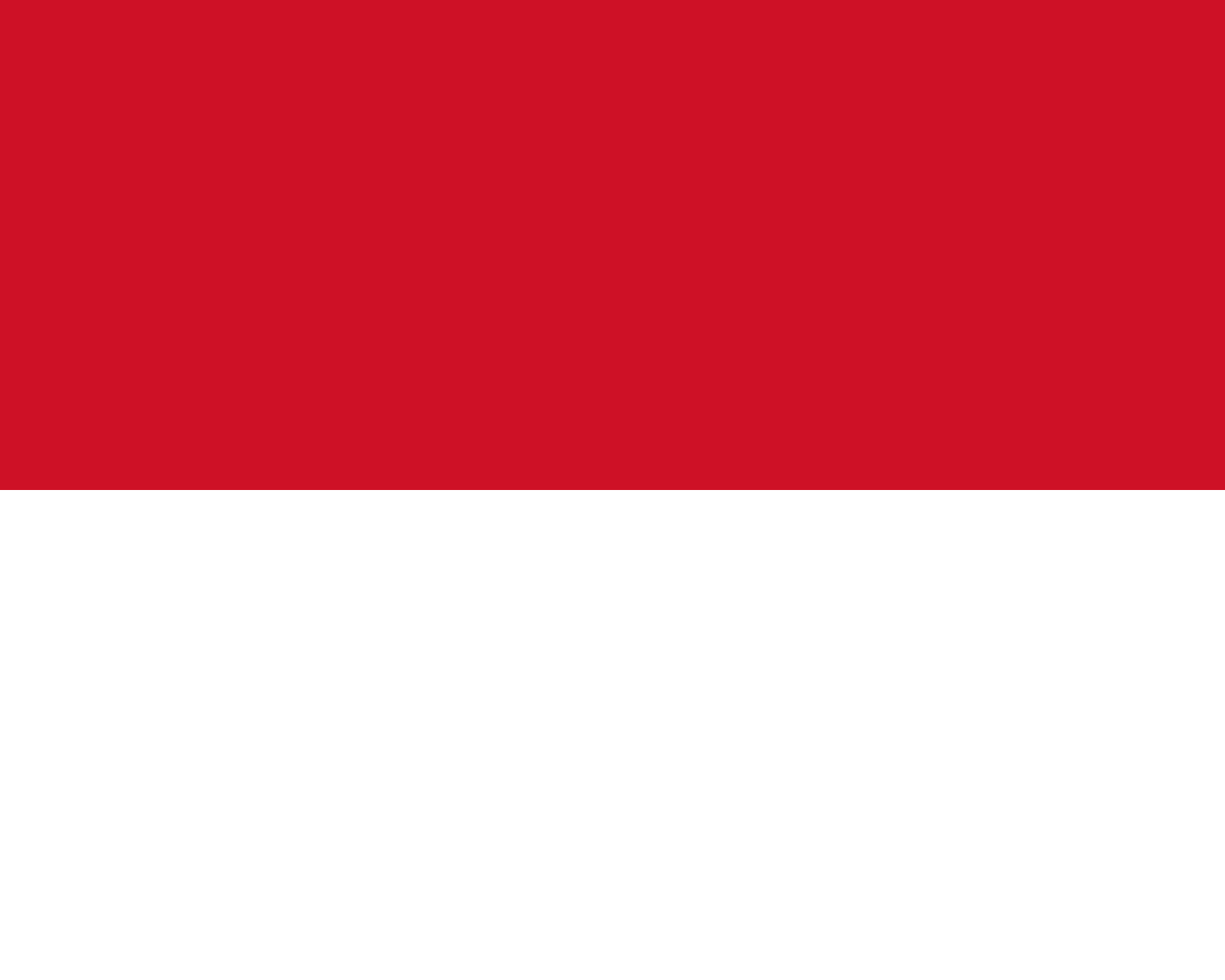
Flag of Monaco
| Legal Name | Principality of Monaco |
|---|---|
| Flag |
|
| Capital City |
Monaco (city-state) |
| Total Area | Approximately 2.02 km² |
| Land Area | Approximately 2.02 km² |
| Water Area | Negligible |
| Population | Approximately 39,000 |
| Major Cities | Monaco (entire population concentrated within the city-state) |
| Currency | Euro (EUR) |
| GDP | Approximately USD 8–9 billion |
| GDP Per Capita | Among the highest globally, exceeding USD 180,000 (nominal) |
About of Monaco
Monaco is a sovereign city-state and microstate located on the French Riviera in Western Europe. It lies along the Mediterranean Sea, bordered on three sides by France and facing the Ligurian Sea to the south. Despite its extremely small size, Monaco is one of the most densely populated countries in the world and is internationally renowned for its wealth, luxury tourism, and global cultural visibility.
The principality has no separate capital city; the entire territory functions as a single urban entity. Monaco is traditionally divided into several districts, including Monte Carlo, La Condamine, and Monaco-Ville, each with distinct historical and economic roles. Monte Carlo, in particular, is globally recognized for its casino, cultural events, and luxury lifestyle.
Monaco’s population is highly international, with foreign nationals forming the majority of residents. The state enjoys full international recognition as a sovereign principality and maintains a unique political arrangement with France while preserving its independence. Strategically, Monaco’s importance lies less in military terms and more in finance, diplomacy, tourism, and its role as a global center for high-net-worth individuals.
Etymology
The name “Monaco” originates from the ancient Greek term Monoikos, meaning “single house” or “alone.” This name was associated with a sanctuary dedicated to Hercules Monoikos that existed in the area during antiquity. Over time, the name evolved through Latin and medieval usage into “Monaco,” reflecting both the geographic isolation of the rocky promontory and its early settlement history.
History
Prehistoric and Ancient Civilizations
Evidence of prehistoric habitation has been found in caves within Monaco, indicating early human presence. In antiquity, the area was frequented by Phoenicians and later colonized by the Greeks, who established the port of Monoikos.
Classical and Medieval Periods
Under Roman rule, Monaco served as a minor coastal outpost. After the fall of the Roman Empire, the region passed through various hands during the early medieval period, influenced by Ligurian and later Genoese control.
Major Dynasties
The Grimaldi family seized control of Monaco in 1297, establishing a dynasty that continues to rule to this day. Over centuries, the Grimaldis navigated shifting alliances and conflicts to maintain sovereignty.
Colonial or Imperial Rule
Monaco was never formally colonized, though it experienced periods of foreign influence and protection, particularly from France.
Independence and Modern Era
Monaco’s sovereignty was gradually formalized through treaties, especially with France in the 19th and 20th centuries. The principality retained independence while aligning closely with French political and defense interests.
Modern Political Developments
The adoption of the Constitution in 1962 significantly modernized Monaco’s political system, expanding civil rights and formalizing institutional governance. Subsequent reforms have strengthened transparency and international integration.
Government and Politics
Monaco is a constitutional monarchy ruled by the Prince of Monaco. The current Constitution establishes the Prince as head of state, sharing legislative authority with an elected National Council.
Executive power is exercised by the Minister of State, appointed by the Prince, along with a Council of Government. Legislative authority rests with the National Council, whose members are elected by citizens. The judiciary operates independently, with courts administering justice under the authority of the Prince.
Administratively, Monaco is divided into several quarters rather than provinces or regions. Internationally, Monaco maintains diplomatic relations with numerous states and is a member of the United Nations, the Council of Europe, and other international organizations. Defense responsibilities are largely ensured through agreements with France, while Monaco maintains internal security forces.
Economy
Monaco is classified as a highly developed, high-income economy. Its economic model is based on services, finance, tourism, real estate, and luxury industries. Banking and wealth management are central pillars, supported by a favorable tax environment.
Agriculture and manufacturing are virtually absent due to space constraints. Instead, Monaco focuses on high-value services, including hospitality, events, and international conferences. Tourism, driven by global events such as the Formula One Grand Prix, contributes significantly to national income.
Economic challenges include limited land availability, dependence on external labor, and the need to comply with evolving international financial regulations. The future outlook emphasizes sustainable urban development, green initiatives, and maintaining financial transparency while preserving economic competitiveness.
Demographics
Monaco’s population is diverse and predominantly foreign-born, with citizens comprising a minority. Ethnic composition reflects a mix of European and global backgrounds.
French is the official language, while Monégasque, Italian, and English are widely spoken. Roman Catholicism is the state religion, though freedom of religion is guaranteed. The population is entirely urban, and growth trends are modest, constrained by physical space.
Culture and Society
Monégasque culture blends Mediterranean traditions with international influences. National identity centers on loyalty to the Prince, historical continuity, and civic pride.
The arts are strongly supported, with institutions dedicated to music, ballet, and visual arts. Cuisine reflects French and Italian influences, emphasizing seafood and regional Mediterranean flavors.
Social customs value discretion, formality, and respect for tradition. Major cultural events include the National Day celebrations and international sporting and cultural festivals.
Education and Healthcare
Education in Monaco follows a structured system aligned closely with French standards, offering public and private schooling. Literacy rates are effectively universal, and higher education opportunities are often pursued abroad or through specialized institutions.
Healthcare is advanced and well-funded, with modern facilities and high life expectancy. Public health outcomes are among the best globally, supported by comprehensive medical coverage and preventive care.
Geography and Climate
Monaco occupies a narrow coastal strip characterized by steep hills rising from the Mediterranean shoreline. The terrain is entirely urbanized, with no rivers or plains of significance.
The climate is Mediterranean, featuring mild winters and warm, dry summers. Natural hazards are limited but include coastal erosion and occasional seismic activity. Environmental concerns focus on land reclamation, marine conservation, and sustainable urban planning.
Flora and Fauna
Due to urbanization, natural biodiversity is limited. However, Monaco actively promotes green spaces, botanical gardens, and marine conservation initiatives.
Native and ornamental plant species thrive in parks and terraces, while marine life is protected through coastal conservation programs. The principality supports regional biodiversity through international environmental cooperation.
Map of Monaco
National Flag: Red and white horizontal bicolor
Coat of Arms: Features the Grimaldi arms supported by monks with swords
National Anthem: Hymne Monégasque
National Symbols: The Grimaldi crest, Prince’s Palace, and Oceanographic Museum
National Flag (Detailed Section)
The national flag of Monaco consists of two equal horizontal bands, red above white. The design dates back to the Grimaldi family colors and was officially adopted in the 19th century. Red symbolizes strength and courage, while white represents purity and peace. The flag is used in official state functions and public institutions and is a key emblem of national identity.
Realted Flags
Flag flying days
| Date | Flag Position | Occasion or Reason |
|---|
| November 19 | Full-mast | National Day of Monaco |
| May 1 | Full-mast | Saint Devota’s celebrations (associated observances) |
| Official State Ceremonies | Full-mast | State visits and national events |
| Periods of National Mourning | Half-mast | Death of the Prince or major national tragedies |