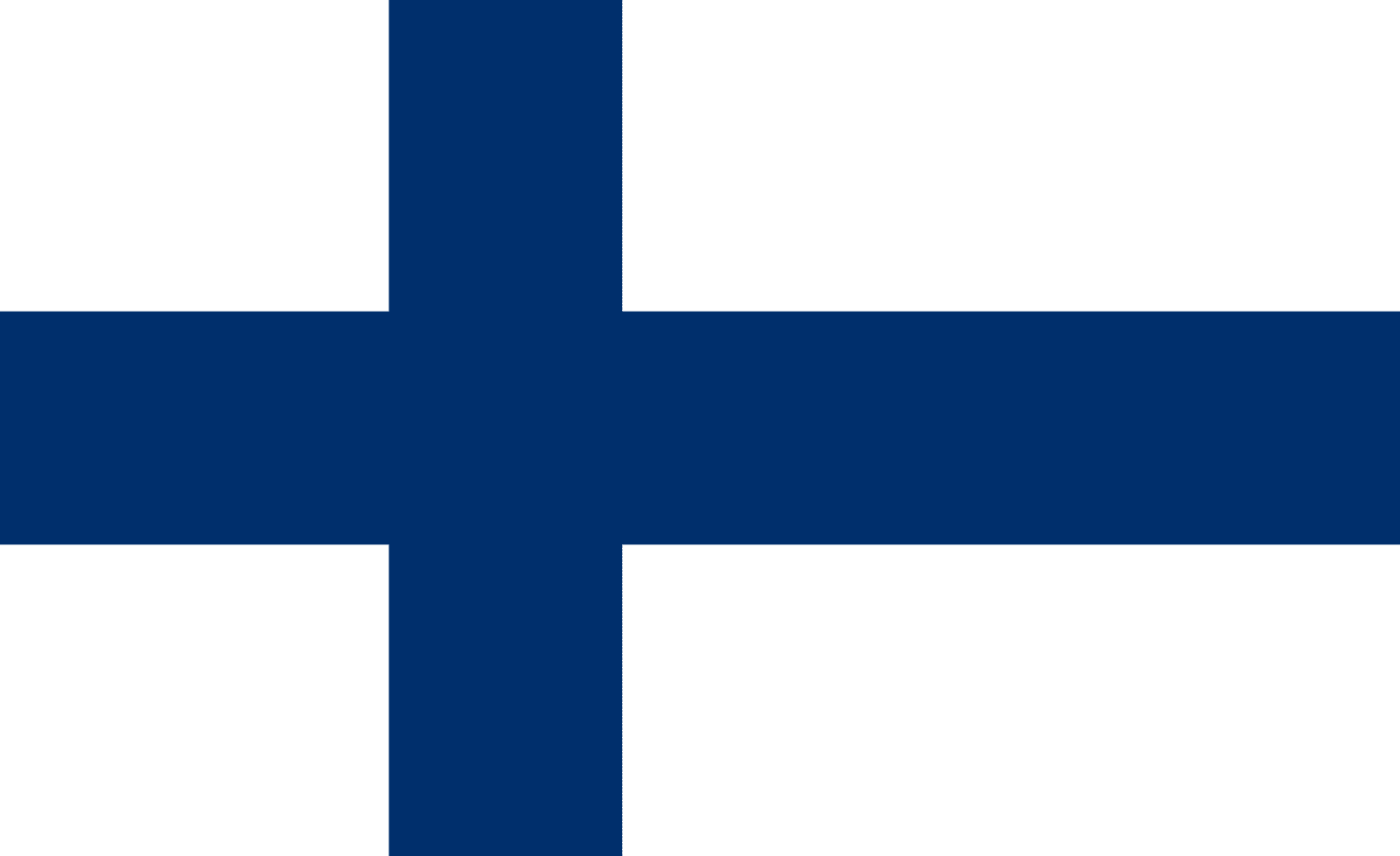
Flag of Finland
| Legal Name | Republic of Finland (Suomen tasavalta / Republiken Finland) |
|---|---|
| Flag |
|
| Capital City |
Helsinki |
| Total Area | ~338,455 km² |
| Land Area | ~303,815 km² |
| Water Area | ~34,640 km² |
| Population | ~5.6 million |
| Major Cities | Helsinki (~660k), Espoo (~315k), Tampere (~250k), Vantaa (~245k), Oulu (~215k), Turku (~195k) |
| Currency | Euro (€) |
| GDP | ~USD 300 billion |
| GDP Per Capita | ~USD 53,000 (nominal) |
About of Finland
Finland is a Nordic country located in Northern Europe, forming the easternmost part of the European Union. It lies between Sweden to the west and Russia to the east, with Norway to the north. To the south, Finland is separated from Estonia by the Gulf of Finland, while the Gulf of Bothnia lies to its west. Its geographic position places it at the crossroads of Western Europe, Eastern Europe, and the Arctic region.
Helsinki, the capital and largest city, is the political, economic, and cultural center of the country. Other major cities such as Tampere, Turku, and Oulu play important roles in regional industry, education, and technology. Finland’s settlement pattern is characterized by a highly urbanized southern region and sparsely populated northern areas.
Finland has a relatively small but highly educated population, known for strong social cohesion and high standards of living. It consistently ranks among the world’s top countries in measures of governance quality, education, transparency, and social welfare.
Internationally, Finland is recognized as a stable, democratic, and technologically advanced state. It is a member of the European Union, the United Nations, and NATO, and it maintains a strong commitment to multilateral cooperation. Its geopolitical importance has increased in recent years due to its long eastern border and active role in European security.
Etymology
The name “Finland” is believed to derive from early Scandinavian terms referring to the people inhabiting the region, possibly connected to words meaning “wanderers” or “hunters.” The exact linguistic origin remains debated, but the name appeared in written form in medieval Scandinavian sources.
In Finnish, the country is called Suomi, a term with roots in ancient Finno-Ugric languages. While the precise meaning of Suomi is uncertain, it has been associated with concepts related to land, people, or waterways.
Over time, “Finland” became the internationally recognized name, while Suomi remains central to national identity and the Finnish language, reflecting the country’s distinct linguistic heritage.
History
Archaeological evidence indicates human settlement in Finland shortly after the last Ice Age, around 9,000 BCE. Early inhabitants relied on hunting, fishing, and gathering, gradually developing agricultural practices. During antiquity, the region remained outside the classical civilizations of the Mediterranean but maintained trade links with neighboring areas.
In the medieval period, Finland came under Swedish influence and rule, becoming an integral part of the Kingdom of Sweden by the 13th century. Swedish governance introduced Christianity, legal systems, and administrative structures that shaped Finnish society for centuries.
In 1809, following conflict between Sweden and Russia, Finland became an autonomous Grand Duchy within the Russian Empire. During this period, Finland developed its own institutions, national consciousness, and cultural revival, particularly through the promotion of the Finnish language.
Finland declared independence in 1917 amid the Russian Revolution. A brief civil war followed, after which Finland established itself as a republic. The country faced major challenges during World War II, including conflicts with the Soviet Union, but managed to preserve its independence.
In the postwar era, Finland pursued a policy of neutrality while rebuilding its economy and strengthening democratic institutions. Since the late 20th century, Finland has integrated deeply into European and global structures, joining the European Union and later NATO, while maintaining a strong national defense and international diplomatic presence.
Government and Politics
Finland is a parliamentary republic governed by a constitution that emphasizes democracy, rule of law, and fundamental rights. Executive power is shared between the President, who serves as head of state, and the Government led by the Prime Minister.
The legislative branch consists of a unicameral Parliament, elected through proportional representation. The judiciary is independent and includes a system of general courts and administrative courts, ensuring legal oversight and constitutional compliance.
Administratively, Finland is divided into regions, municipalities, and autonomous areas, most notably the Åland Islands, which enjoy extensive self-governance.
Finland maintains active foreign relations and is a member of major international organizations, including the European Union, United Nations, Nordic Council, and NATO. Its defense policy is based on comprehensive national defense, universal conscription, and close cooperation with international partners.
Economy
Finland is a highly developed economy with a strong welfare state and advanced technological base. It is classified as a developed, high-income country with a mixed-market economic system.
Key industries include information and communications technology, electronics, engineering, forestry, and clean energy. Finland is known for innovation, research, and high-value manufacturing, particularly in telecommunications, machinery, and sustainable technologies.
Agriculture plays a smaller role due to climate constraints but remains efficient, focusing on dairy, grains, and livestock. The service sector dominates the economy, encompassing finance, education, healthcare, and tourism.
Finland’s natural resources include forests, freshwater, and mineral deposits. Major trade partners include other European Union countries, the United States, and Asian markets. Economic challenges include an aging population and global market fluctuations, while future growth is expected to rely on digitalization, green technologies, and education-driven innovation.
Demographics
Finland’s population is relatively homogeneous but increasingly diverse due to immigration. The majority of residents are ethnic Finns, with recognized minorities including Swedish-speaking Finns and the Indigenous Sámi people in the north.
Finnish and Swedish are the official languages, with Finnish spoken by the majority of the population. English is widely used, particularly in education and business. Religious affiliation has declined over time, with Lutheran Christianity historically dominant alongside growing secularism and religious diversity.
Most Finns live in urban areas, especially in the southern regions. Population growth is modest, with low birth rates partially offset by immigration.
Culture and Society
Finnish culture emphasizes equality, modesty, and close connection to nature. National identity is shaped by resilience, independence, and a strong sense of community. The concept of sisu, meaning perseverance and determination, is central to Finnish cultural self-understanding.
Finland has a rich artistic tradition, contributing significantly to music, literature, architecture, and design. Finnish cuisine reflects its climate and geography, featuring fish, rye bread, berries, and dairy products.
Social norms value privacy, honesty, and respect for personal space. National holidays and festivals celebrate seasonal cycles, independence, and cultural heritage. Popular sports include ice hockey, athletics, skiing, and motorsports.
Education and Healthcare
Finland’s education system is internationally renowned for quality, accessibility, and equity. Education is compulsory and publicly funded, with strong emphasis on teacher training and student well-being.
Literacy rates are near universal, and higher education institutions are highly regarded for research and innovation. The healthcare system provides universal coverage, combining public funding with local administration.
Public health outcomes are strong, with high life expectancy and low infant mortality. Ongoing challenges include managing healthcare costs and addressing regional disparities in service access.
Geography and Climate
Finland is characterized by vast forests, thousands of lakes, and gently rolling terrain. The country has an extensive coastline along the Baltic Sea and numerous islands. Major rivers and lakes play a central role in transportation and ecology.
The climate ranges from temperate in the south to subarctic in the north, with cold winters and mild summers. Seasonal variation in daylight is pronounced, particularly above the Arctic Circle.
Natural hazards are limited but include severe winter weather and flooding. Environmental concerns focus on climate change, forest management, and protecting freshwater ecosystems.
Flora and Fauna
Finland supports diverse ecosystems, dominated by boreal forests of pine, spruce, and birch. Wetlands and lakes provide habitats for numerous plant and animal species.
Wildlife includes moose, reindeer, bears, wolves, lynx, and a wide variety of bird species. Finland maintains extensive national parks and protected areas, emphasizing conservation and sustainable land use.
Map of Finland
Finland’s national symbols reflect its history, nature, and values. The blue-and-white flag symbolizes lakes, snow, and sky. The coat of arms features a crowned lion, representing sovereignty and strength.
The national anthem, “Maamme” (“Our Land”), expresses patriotism and connection to the homeland. Natural symbols such as the bear and the birch tree hold cultural significance.
National Flag (Detailed Section)
The Finnish flag consists of a blue Nordic cross on a white background. The cross extends to the edges of the flag, following the Nordic tradition shared with other Scandinavian countries.
The design dates to the early 20th century and became the official national flag following independence. The blue symbolizes the country’s lakes and sky, while white represents snow and purity.
Flag usage in Finland follows established protocol, with specific guidelines for public buildings, national celebrations, and mourning periods. The flag is treated as a respected symbol of national unity.
Realted Flags
Flag flying days
| Date | Flag Position | Occasion or Reason |
|---|---|---|
| February 28 | Full-mast | Kalevala Day / Finnish Culture Day |
| May 1 | Full-mast | Vappu (May Day) |
| June (Saturday between 20–26) | Full-mast | Midsummer / Flag Day |
| December 6 | Full-mast | Independence Day |
| Official Mourning Days | Half-mast | State or national mourning periods |