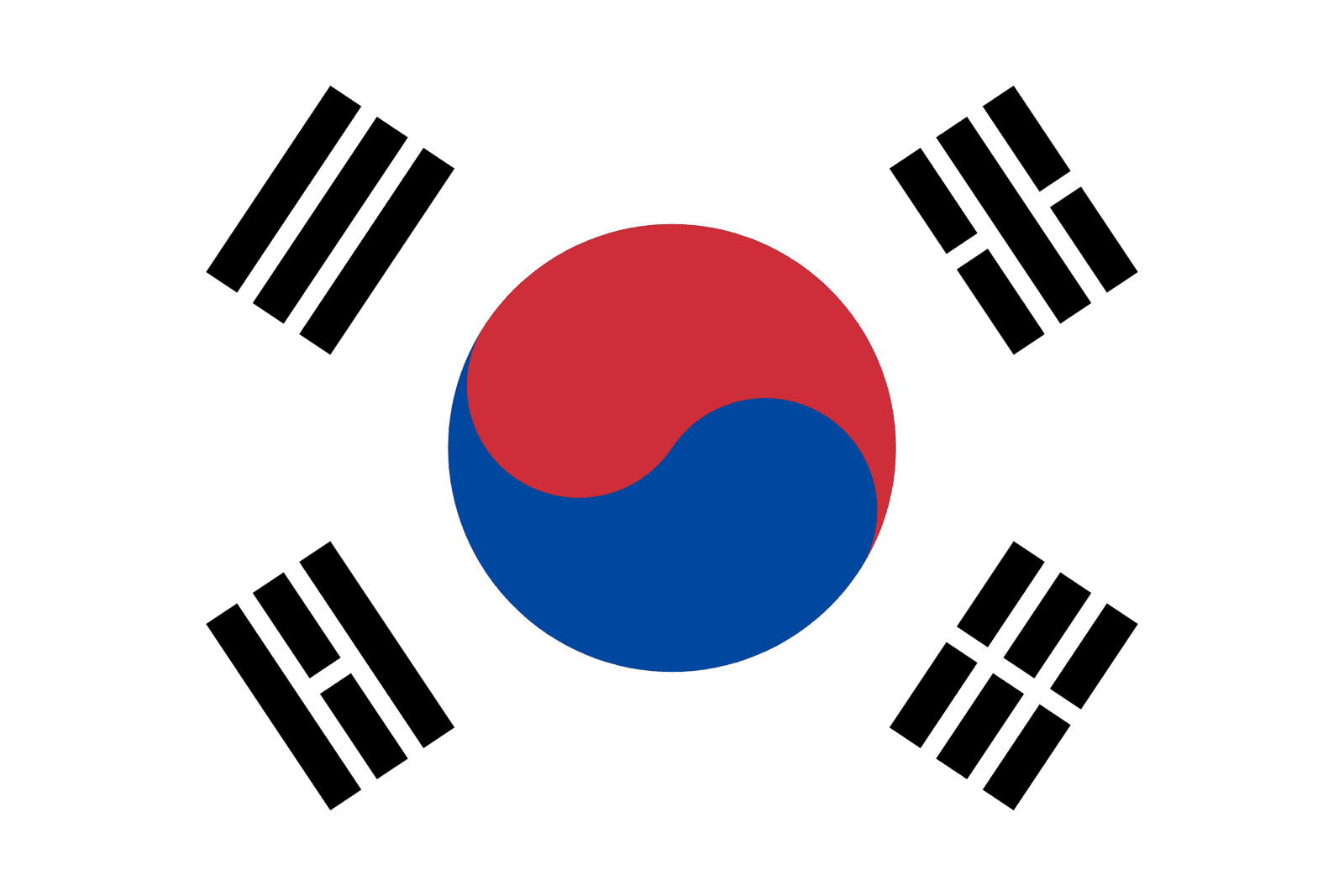
Flag of South Korea
| Legal Name | Republic of Korea |
|---|---|
| Flag |
|
| Capital City |
Seoul |
| Total Area | 100,210 km² |
| Land Area | 99,720 km² |
| Water Area | 490 km² |
| Population | Approximately 51.8 million |
| Major Cities | Seoul (9.6 million), Busan (3.4 million), Incheon (3 million), Daegu (2.4 million), Daejeon (1.5 million) |
| Currency | South Korean Won (KRW) |
| GDP | USD 1.8 trillion |
| GDP Per Capita | USD 50,000 (PPP) |
About of South Korea
South Korea is a highly developed nation located in East Asia, occupying the southern portion of the Korean Peninsula. Bordered by North Korea to the north, the Yellow Sea to the west, the Sea of Japan (East Sea) to the east, and the Korea Strait to the south, it is strategically positioned near major global economies including China and Japan.
Seoul, the capital, is a bustling metropolitan hub blending modern skyscrapers with historic palaces, while other cities such as Busan, Incheon, and Daegu contribute to economic, cultural, and maritime activities. The country has a population characterized by a high urban concentration, advanced infrastructure, and one of the world’s most dynamic economies.
South Korea enjoys full international recognition as a sovereign state and is a member of the United Nations, G20, OECD, and APEC. Its geopolitical importance stems from its strategic location in Northeast Asia, technological prowess, strong alliance with the United States, and a delicate security environment due to proximity to North Korea.
Etymology
The name “Korea” derives from the Goryeo dynasty (918–1392), which was known internationally as “Corea.” “Han-guk,” the native term, reflects the historical Samhan confederacies, emphasizing continuity with Korea’s early kingdoms. The distinction “South Korea” arose post-1948 to differentiate it from the Democratic People’s Republic of Korea (North Korea).
History
Human settlement on the Korean Peninsula dates back tens of thousands of years. Prehistoric communities developed agriculture, pottery, and early metallurgy. Classical Korean history saw the emergence of the Three Kingdoms—Goguryeo, Baekje, and Silla—whose interactions shaped political and cultural development.
The unified Silla (668–935) and later Goryeo dynasty (918–1392) fostered Buddhism, trade, and centralized governance. The Joseon dynasty (1392–1897) established Confucian governance, legal codes, and cultural advancements, including Hangul script creation.
Korea became a Japanese protectorate in 1905 and was annexed in 1910, enduring harsh colonial rule until liberation in 1945. Following the 1948 division, South Korea emerged as a separate republic. The Korean War (1950–1953) devastated the country but ultimately solidified South Korea’s sovereignty. Post-war recovery led to rapid industrialization, democratization in the 1980s, and transformation into a global economic power.
Government and Politics
South Korea is a democratic republic with a presidential system. The President serves as head of state and government, elected for a single five-year term. Legislative authority rests with the unicameral National Assembly, while the judiciary is independent, led by the Supreme Court.
The country is divided administratively into 17 first-level subdivisions, including metropolitan cities and provinces. Foreign relations prioritize security alliances, particularly with the United States, and active participation in multilateral organizations such as the UN, WTO, and OECD. The military, compulsory for males, is modern and technologically advanced, emphasizing defense against potential threats from North Korea.
Economy
South Korea is a highly developed, high-income economy, known for technological innovation, manufacturing, and export-oriented industries. Key sectors include electronics, automotive, shipbuilding, petrochemicals, and steel. Agriculture plays a smaller role but remains vital in rural communities.
Natural resources are limited, so South Korea relies heavily on imports for energy and raw materials. Major trading partners include China, the United States, Japan, and the EU. Economic challenges include an aging population, youth unemployment, and regional security risks, but the country maintains strong fiscal management and technological competitiveness.
Demographics
South Korea’s population is predominantly ethnic Korean, with a small proportion of foreign residents. The official language is Korean, and the majority of citizens follow secular or Buddhist, Christian, or Confucian practices. Urbanization is high, with over 80% living in cities. Population growth has slowed, and the country faces demographic challenges due to low fertility rates and aging society.
Culture and Society
South Korean culture emphasizes family, education, and respect for tradition. National identity is shaped by historical continuity, Confucian values, and resilience through colonial and war experiences. Arts, literature, music, and cuisine are globally recognized, with K-pop, Korean cinema, and traditional culinary practices gaining international prominence.
Public holidays include Lunar New Year (Seollal), Chuseok (Harvest Festival), and National Foundation Day. Sports such as football, baseball, and taekwondo are popular and reflect both tradition and modern recreational culture.
Education and Healthcare
Education is highly valued, with a competitive system spanning primary, secondary, and tertiary levels. Literacy rates are near universal, and universities such as Seoul National University are globally respected.
Healthcare is universal, combining public and private services. The country excels in medical technology, life expectancy, and public health management, though challenges include an aging population and healthcare disparities between urban and rural areas.
Geography and Climate
South Korea’s terrain is mountainous, with the Taebaek range dominating the east. Rivers such as the Han and Nakdong traverse the peninsula, while coastal plains support urban centers. The climate is temperate, with four distinct seasons: cold winters, hot summers, and monsoon rains from June to August. Natural hazards include typhoons, floods, and occasional earthquakes. Environmental concerns focus on air pollution, water quality, and habitat conservation.
Flora and Fauna
South Korea hosts temperate forests, wetlands, and coastal ecosystems. Native plants include pine, oak, and azalea, while wildlife includes Korean goral, roe deer, cranes, and migratory birds. National parks, including Seoraksan and Jirisan, protect biodiversity and support ecotourism. Conservation initiatives aim to mitigate habitat loss and preserve endangered species.
Map of South Korea
National Flag: Taegeukgi (balance, harmony, and the trigrams representing heaven, water, earth, and fire)
Coat of Arms: Emblem with Taegeuk symbol and rose of Sharon (national flower)
National Anthem: “Aegukga” (Love for the Country)
National Animals/Plants: Tiger (symbolic), Korean magpie, rose of Sharon
National Flag (Detailed Section)
The Taegeukgi features a white background symbolizing peace and purity. The central Taegeuk circle represents balance between yin (blue) and yang (red). Four black trigrams at the corners symbolize universal principles: heaven, earth, water, and fire.
White Background: Peace, purity, and Korean heritage
Red and Blue Circle: Harmony, duality, and balance
Four Trigrams: Movement, harmony, and the natural elements
Flag protocol includes official display during national holidays, governmental ceremonies, and international events. Misuse or disrespect is legally discouraged, reflecting its cultural and political importance.
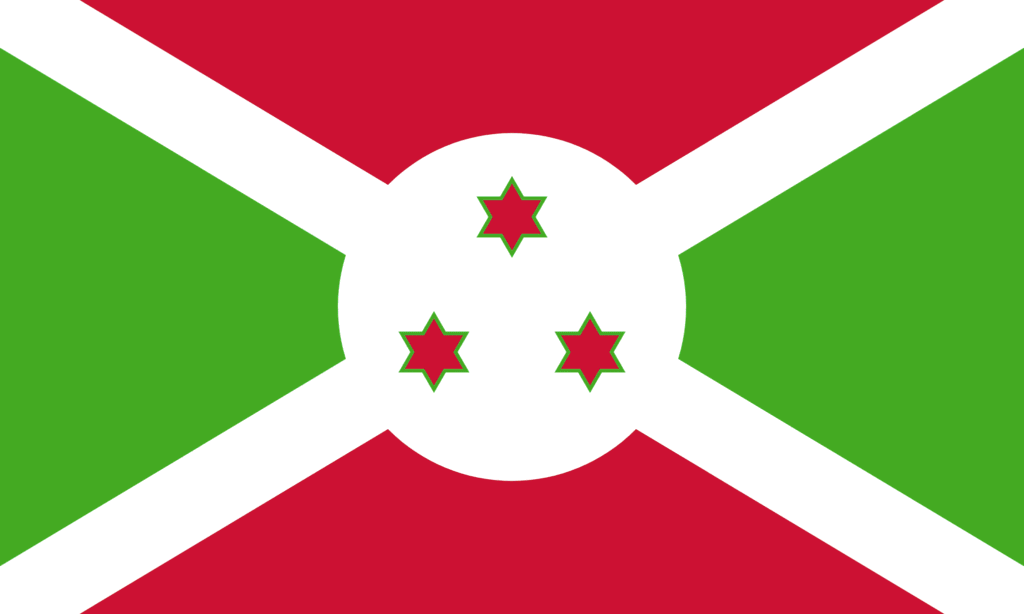
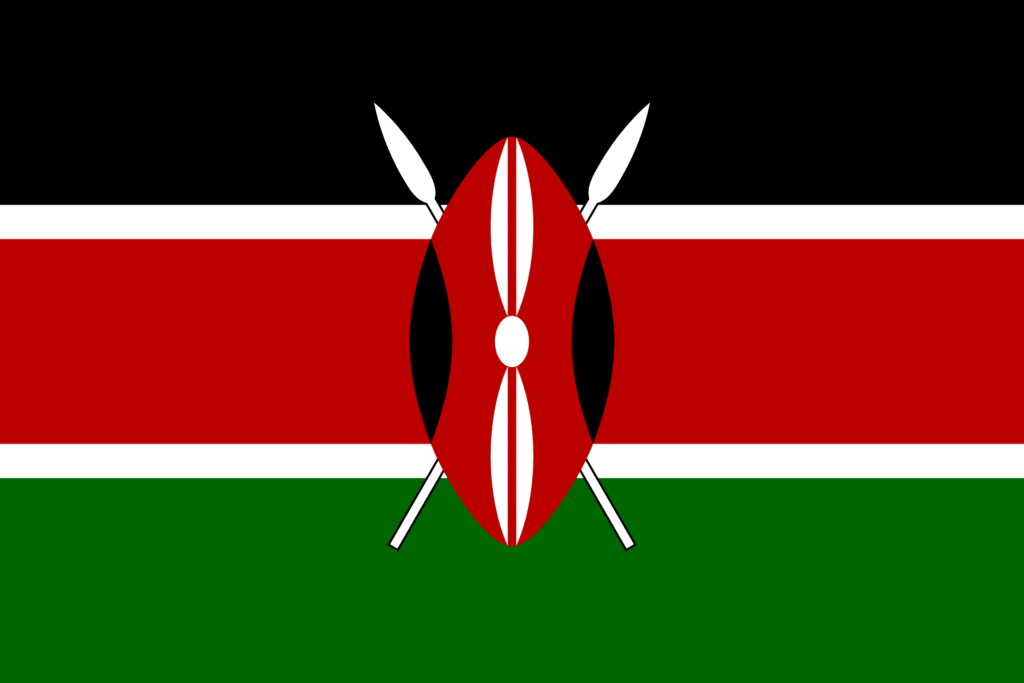
Realted Flags
Flag flying days
| Date | Flag Position | Occasion or Reason |
|---|
| August 15 | Full-mast | Liberation Day |
| October 3 | Full-mast | National Foundation Day |
| March 1 | Full-mast | Independence Movement Day |
| As Declared | Half-mast | Mourning or national remembrance |