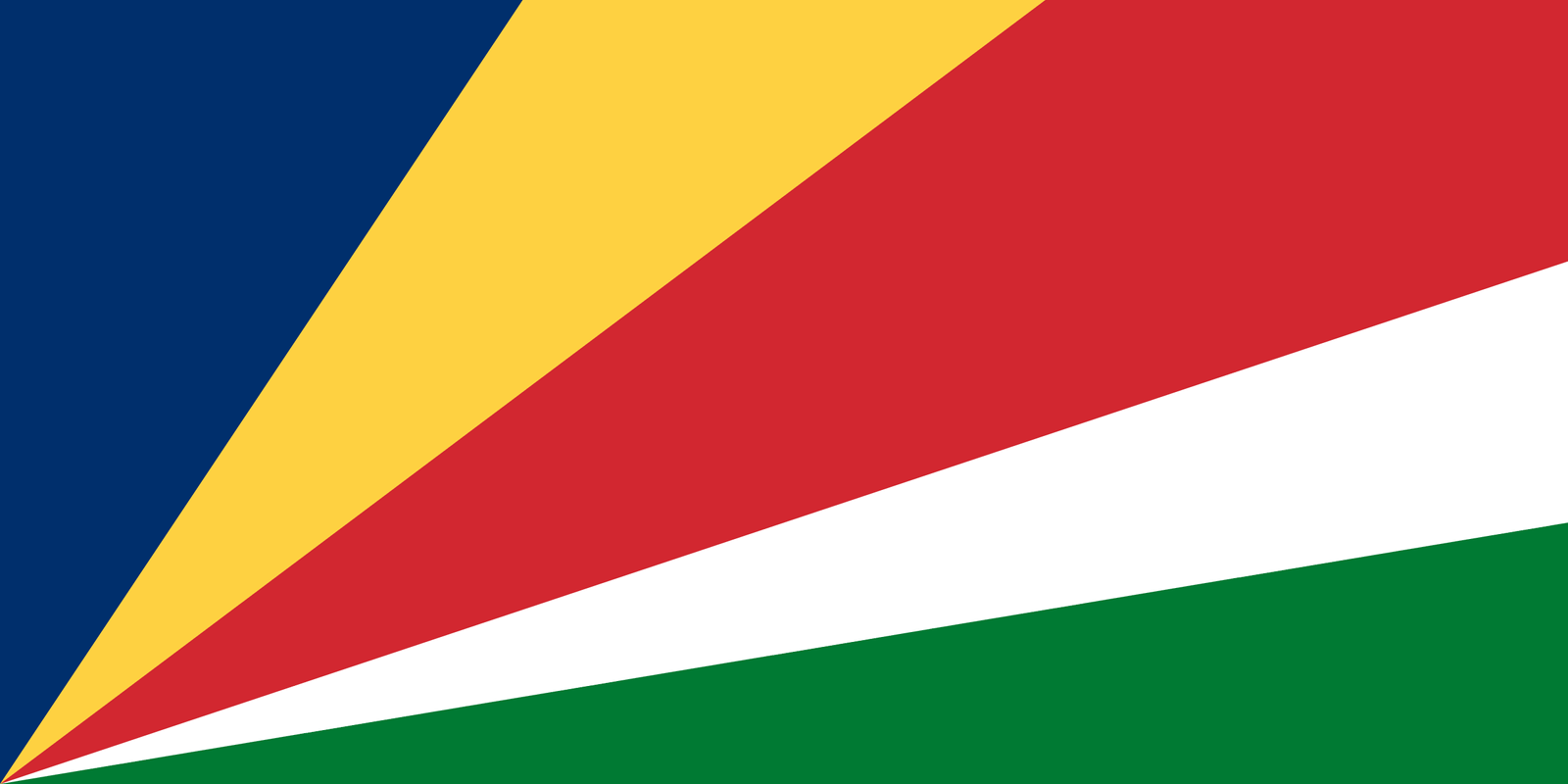
Flag of Seychelles
| Legal Name | Republic of Seychelles |
|---|---|
| Flag |
|
| Capital City |
Victoria |
| Total Area | 455 km² |
| Land Area | 455 km² |
| Water Area | 0 km² (coastal waters separate) |
| Population | Approximately 105,000 |
| Major Cities | Victoria (26,000), Anse Boileau, Anse Royale, Beau Vallon |
| Currency | Seychellois Rupee (SCR) |
| GDP | USD 2.0 billion |
| GDP Per Capita | Approximately USD 29,000 (PPP) |
About of Seychelles
Seychelles is an archipelagic nation located in the western Indian Ocean, northeast of Madagascar and about 1,600 km east of mainland Africa. The country comprises 115 islands, including the principal islands of Mahé, Praslin, and La Digue. The islands are dispersed across the Indian Ocean, forming a unique biodiversity hotspot and offering strategic maritime positioning.
Seychelles has no land borders; its maritime boundaries touch the exclusive economic zones of Mauritius, Comoros, and Tanzania. The capital and largest city, Victoria, is situated on Mahé Island and serves as the political, economic, and cultural hub of the country.
Demographically, Seychelles is small but diverse, with a population composed of multiple ethnicities and languages, giving the country a rich cultural tapestry. Internationally, Seychelles is recognized for its political stability, sustainable tourism, and commitment to environmental conservation. Strategically, its location along major Indian Ocean shipping lanes enhances its geopolitical importance.
Etymology
The name “Seychelles” originates from Jean Moreau de Séchelles, the French Minister of Finance under King Louis XV. The islands were named in his honor when France claimed them in the 18th century. Over time, the name has remained, representing the nation’s colonial heritage and modern identity.
History
The earliest evidence of human presence in Seychelles is limited, with no known prehistoric civilizations due to its remote location. Arab and European navigators discovered the islands in the 16th century, though they remained uninhabited until French colonization in 1756.
France administered the islands, establishing plantations worked by imported slaves. In 1814, control passed to Britain under the Treaty of Paris, and the islands became a crown colony. Slavery was abolished in 1835, reshaping the social and economic structure.
Seychelles gradually moved toward self-governance in the 20th century, achieving internal self-rule in 1970 and full independence from the United Kingdom on June 29, 1976. The post-independence era included periods of single-party rule and political stabilization, leading to the adoption of a democratic multiparty system in 1993. Since then, Seychelles has enjoyed political stability, robust economic growth, and a reputation as a model of environmental management.
Government and Politics
Seychelles is a presidential republic with a democratic multiparty system. The Constitution establishes the framework for governance, guaranteeing fundamental rights and separation of powers.
The President is both head of state and government and is elected for a five-year term. The unicameral National Assembly serves as the legislative body, while the judiciary functions independently under the Supreme Court and lower courts.
Administratively, Seychelles is divided into 26 districts, primarily on Mahé, Praslin, and La Digue islands, which handle local governance. The country maintains diplomatic relations globally and participates actively in the African Union, Commonwealth, United Nations, and Indian Ocean regional organizations.
The Seychelles People’s Defence Forces encompass the military and coast guard, focusing on maritime security, disaster response, and internal safety.
Economy
Seychelles has an emerging high-income economy largely driven by tourism, fisheries, and services. Tourism contributes the largest share of GDP, leveraging pristine beaches, marine biodiversity, and luxury resorts. Fisheries, particularly tuna and other seafood, play a significant role in export revenues.
Agriculture and manufacturing are limited due to land constraints, with coconuts, cinnamon, vanilla, and small-scale food processing as primary outputs. The country is rich in maritime resources, including exclusive economic zone fisheries.
Seychelles trades extensively with the European Union, Asia, and Africa. Economic challenges include vulnerability to climate change, high cost of imports, and dependence on tourism. Future prospects focus on sustainable tourism, blue economy initiatives, renewable energy, and environmental conservation.
Demographics
Seychelles’ population is small and ethnically mixed, with African, French, Indian, and Chinese ancestry contributing to a Creole culture. The main languages are Seychellois Creole, English, and French.
The population is predominantly urban, concentrated on Mahé Island, with smaller communities on Praslin and La Digue. Christianity is the primary religion, predominantly Roman Catholic, with Protestant and other faiths represented. Population growth is low to moderate, reflecting high life expectancy and stable birth rates.
Culture and Society
Seychelles’ culture blends African, French, Indian, and Creole influences, evident in music, dance, and daily customs. Traditional music genres include sega and moutya, often performed during festivals and communal gatherings.
Cuisine reflects local produce, seafood, and Creole spices. The national identity emphasizes environmental stewardship, multicultural harmony, and communal solidarity.
Key national holidays celebrate independence, religious events, and cultural heritage. Football is the most popular sport, with sailing, athletics, and traditional games also widely enjoyed.
Education and Healthcare
Education is free and compulsory for children up to age 16. The system includes primary, secondary, and tertiary education, with scholarships available for overseas study. Literacy rates are high, with a strong emphasis on vocational and technical skills.
Healthcare is universal, provided through public and private facilities. The government focuses on preventive care, maternal and child health, and combating communicable diseases. Public health outcomes are among the best in Africa, with high life expectancy and low infant mortality rates.
Geography and Climate
Seychelles features granite and coral islands scattered across the Indian Ocean. Mahé, the largest island, has steep mountains, rainforests, and river valleys. Coastal plains and beaches are characteristic of Praslin, La Digue, and outer islands.
The islands experience a tropical climate with warm, humid conditions year-round, moderated by southeast trade winds. The rainy season occurs from November to March, and occasional cyclones and storms may affect the region. Environmental concerns include coastal erosion, biodiversity loss, and climate change impacts.
Flora and Fauna
Seychelles is a biodiversity hotspot with numerous endemic species. Native flora includes coco de mer palms, takamaka trees, and diverse orchid species. Wildlife includes giant Aldabra tortoises, rare birds like the Seychelles black parrot, and rich marine life such as coral reefs, sea turtles, and tropical fish.
National parks and marine reserves protect fragile ecosystems, including the Vallée de Mai, Aldabra Atoll, and Curieuse Marine National Park. Conservation is central to national policy and international cooperation.
Map of Seychelles
The national flag, coat of arms, and anthem embody Seychelles’ aspirations for unity, progress, and environmental stewardship. Landmarks such as Morne Seychellois National Park and Aldabra Atoll are national treasures representing natural heritage.
National Flag (Detailed Section)
The flag consists of five oblique bands radiating from the bottom-left corner: blue, yellow, red, white, and green. Adopted at independence in 1976, the design symbolizes the nation’s dynamic spirit and diverse culture.
Blue: Sky and ocean surrounding the islands
Yellow: Sunlight and energy
Red: People’s determination and unity
White: Social justice and harmony
Green: Land and natural resources
Flag protocol requires respectful display on public buildings, official events, and national holidays, following standard national guidelines.
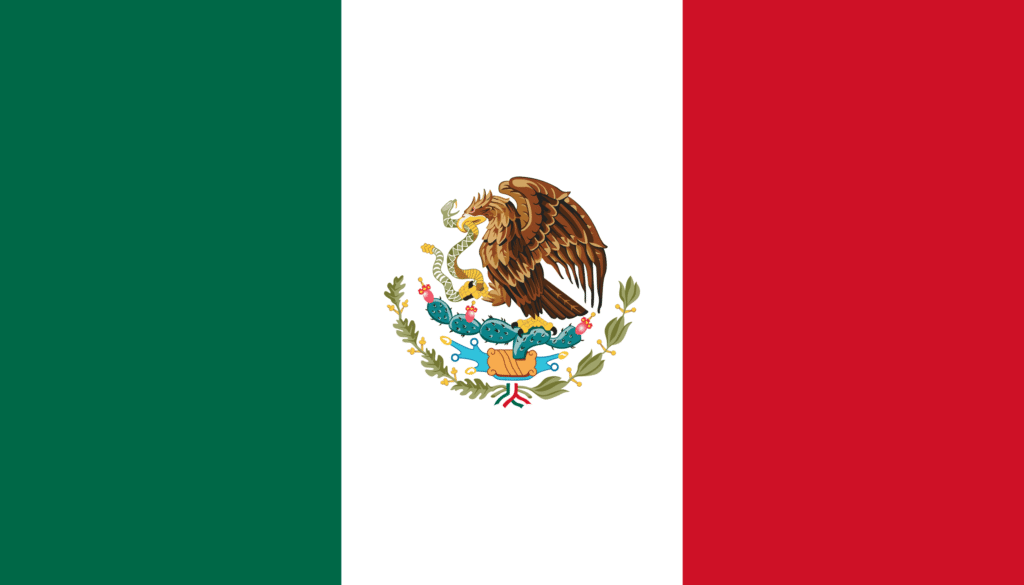
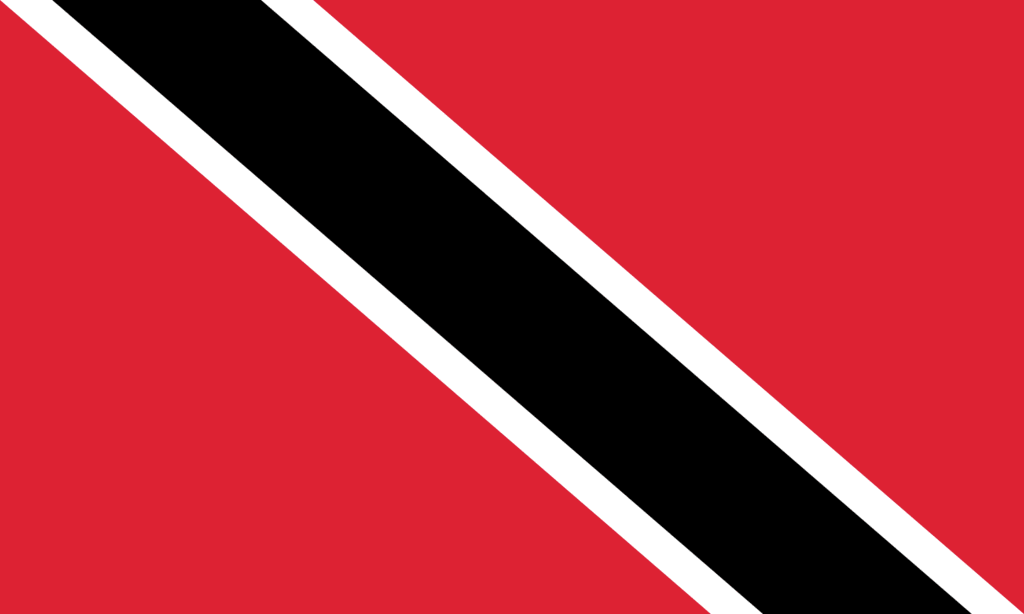
Realted Flags
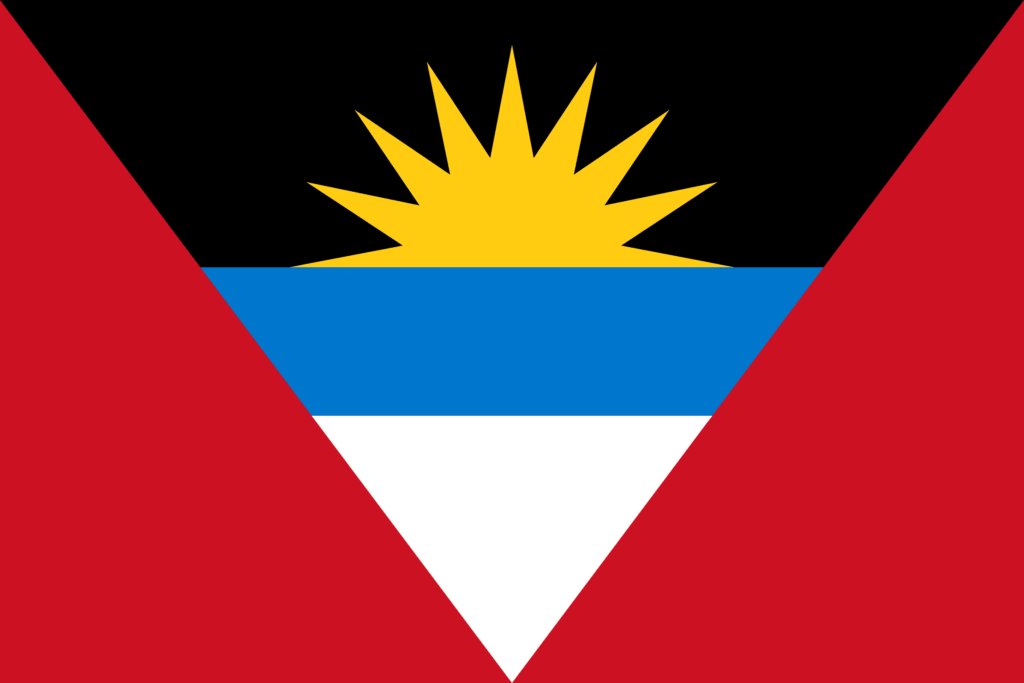
Flag flying days
| Date | Flag Position | Occasion or Reason |
|---|
| June 29 | Full-mast | Independence Day |
| August 15 | Full-mast | Constitution Day |
| December 25 | Full-mast | Christmas Day |
| As Declared | Half-mast | National mourning or remembrance |