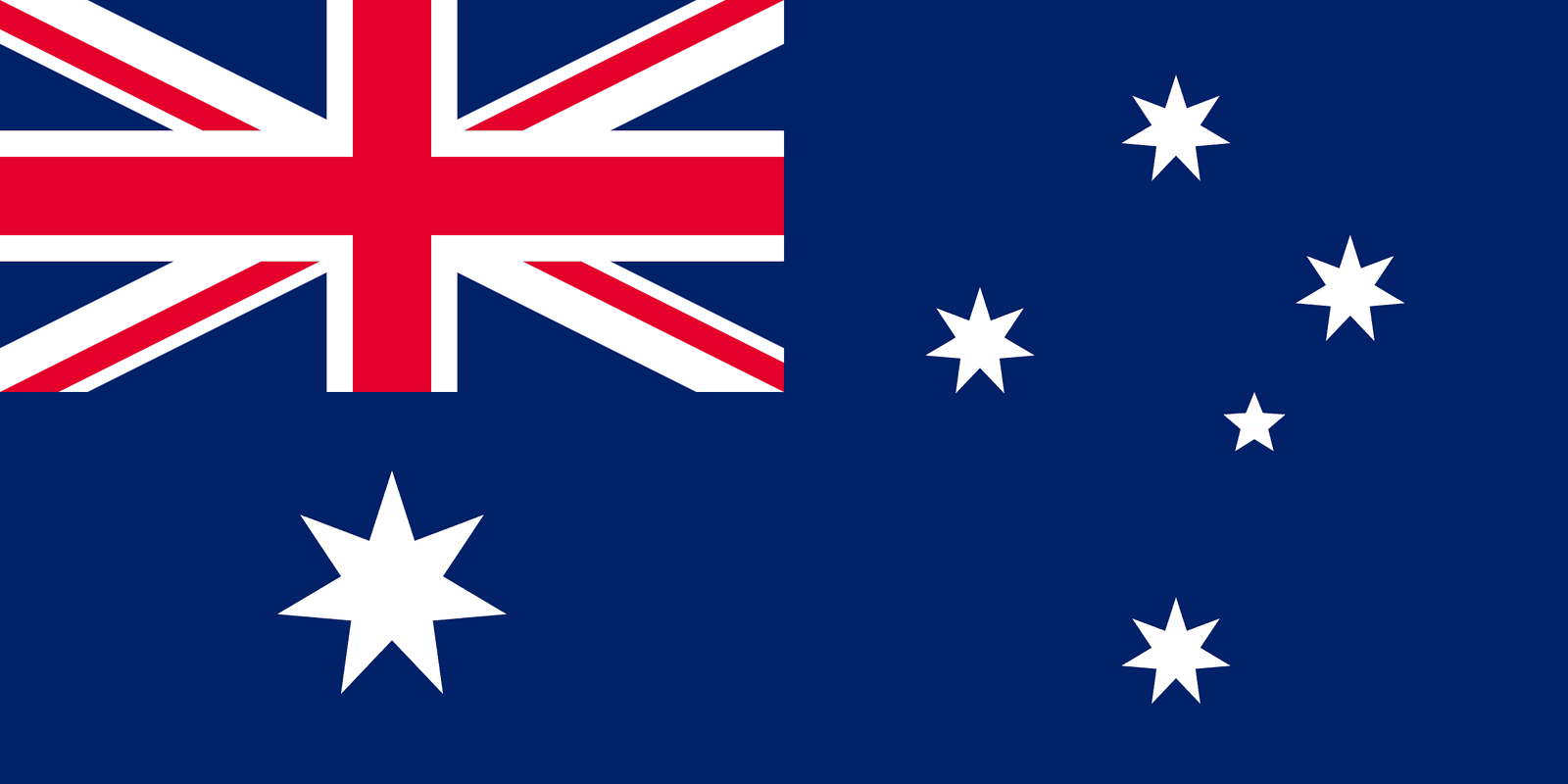
Flag of Australia
| Legal Name | Commonwealth of Australia |
|---|---|
| Flag |
|
| Capital City | Canberra |
| Total Area | ~7,692,024 km² |
| Land Area | ~7,633,565 km² |
| Water Area | ~58,459 km² |
| Population | ~26.8 million |
| Major Cities | Sydney (5.3M), Melbourne (5.1M), Brisbane (2.6M), Perth (2.2M), Adelaide (1.4M), Canberra (0.5M) |
| Currency | Australian Dollar (AUD) |
| GDP | ~USD 1.7 trillion |
| GDP Per Capita | ~USD 63,000 |
About of Australia
Australia is a sovereign nation located in the Southern Hemisphere, occupying the Australian continent along with the island of Tasmania and numerous smaller islands. It is bordered by the Indian Ocean to the west and the Pacific Ocean to the east, making it the only country that is also a continent. Its geographic isolation has significantly shaped its ecology, culture, and economic development.
Australia has no land borders but shares maritime boundaries with countries including Indonesia, Papua New Guinea, East Timor, New Zealand, and several Pacific island nations. The capital city, Canberra, is situated between the two largest metropolitan areas, Sydney and Melbourne. Sydney serves as the country’s largest and most internationally recognized city, while Melbourne is known for its cultural and economic influence.
The population is highly urbanized, with the majority living along the eastern and southeastern coasts. Australia is internationally recognized as a stable democracy, a developed economy, and a member of major global institutions. It holds strategic geopolitical importance due to its location in the Indo-Pacific region, its natural resources, and its strong alliances with Western and Asian partners.
3. Etymology
The name “Australia” is derived from the Latin term “Terra Australis,” meaning “Southern Land.” Early European explorers used this phrase to describe the hypothetical southern continent believed to balance the northern hemisphere’s landmasses. Over time, as exploration confirmed the continent’s existence, the name was shortened and standardized to “Australia” in the early 19th century. The term reflects both geographical orientation and historical European cartographic traditions.
4. History
Human habitation in Australia dates back at least 50,000–65,000 years, making Indigenous Australians among the world’s oldest continuous cultures. Aboriginal and Torres Strait Islander peoples developed complex societies, trade networks, and spiritual traditions deeply connected to the land.
European exploration began in the 17th century with Dutch navigators charting parts of the coastline. In 1770, British explorer James Cook claimed the eastern coast for Britain. In 1788, the First Fleet established a penal colony at Sydney Cove, marking the beginning of sustained European settlement and profound social transformation.
Throughout the 19th century, additional colonies were founded, gold rushes accelerated migration, and infrastructure expanded. In 1901, the six colonies federated to form the Commonwealth of Australia. The nation gradually gained legislative independence from Britain, culminating in full legal sovereignty through constitutional developments in the 20th century.
Post-World War II immigration policies diversified the population. Modern Australia has evolved into a multicultural society with a strong economy, active participation in global affairs, and ongoing national discussions regarding Indigenous recognition and constitutional reform.
5. Government and Politics
Australia operates as a federal parliamentary constitutional monarchy. The British monarch is the ceremonial head of state, represented domestically by a Governor-General. The Prime Minister is the head of government and leads the executive branch.
The Constitution establishes a separation of powers among three branches:
Executive – Prime Minister, Cabinet, and federal agencies.
Legislative – A bicameral Parliament consisting of the House of Representatives and the Senate.
Judicial – An independent court system headed by the High Court of Australia.
Administratively, the country is divided into six states and two major mainland territories, each with its own government. Australia maintains active foreign relations and is a member of the United Nations, G20, Commonwealth of Nations, APEC, OECD, and various regional security alliances. Its defense forces are technologically advanced and participate in peacekeeping and international security operations.
6. Economy
Australia is classified as a high-income developed economy with strong performance in services, mining, finance, and education. It is one of the world’s largest exporters of iron ore, coal, natural gas, and agricultural commodities.
The service sector dominates the economy, including banking, tourism, healthcare, and higher education. Manufacturing remains present but smaller relative to services and resource extraction. Agriculture contributes significantly through wheat, beef, wool, wine, and dairy production.
Key trading partners include China, Japan, the United States, South Korea, and India. Economic challenges involve housing affordability, climate adaptation, and balancing resource dependency with technological innovation. The long-term outlook emphasizes renewable energy, digital transformation, and diversified trade.
7. Demographics
Australia’s population is predominantly urban, with over 85 percent living in cities and coastal regions. The country is ethnically diverse due to decades of immigration from Europe, Asia, and the Middle East. Indigenous Australians represent a small but culturally significant portion of the population.
English is the primary language, though hundreds of Indigenous languages and many immigrant languages are spoken. Religious affiliation varies, with Christianity historically dominant but declining, alongside growing secular and multi-faith communities. Population growth is steady, driven largely by immigration rather than natural increase.
8. Culture and Society
Australian culture blends Indigenous heritage with British colonial influences and modern multicultural diversity. National identity emphasizes egalitarianism, outdoor lifestyles, and community participation. Traditional Indigenous art, storytelling, and ceremonies remain vital cultural elements.
The country has a vibrant arts scene, including film, literature, music, and visual arts. Cuisine reflects global influences, featuring seafood, barbecue traditions, and multicultural fusion dishes. Social customs value informality, sportsmanship, and environmental appreciation.
Major public holidays include Australia Day, ANZAC Day, and national sporting events. Popular sports include cricket, Australian Rules football, rugby, tennis, and surfing, all playing a central role in social life.
9. Education and Healthcare
Australia maintains a high-quality education system with compulsory schooling and strong tertiary institutions. Universities such as the University of Melbourne and Australian National University are internationally ranked. Literacy rates exceed 99 percent.
Healthcare is delivered through a mixed public-private system centered on Medicare, providing universal access to essential services. Public health achievements include high life expectancy and advanced medical research. Challenges include rural healthcare access and managing aging populations.
10. Geography and Climate
Australia features diverse landscapes including deserts, tropical rainforests, mountain ranges, and extensive coastlines. The Great Dividing Range runs along the eastern coast, while the interior contains vast arid plains known as the Outback.
Climate zones range from tropical in the north to temperate in the south. Seasonal variations differ by region. Natural hazards include bushfires, cyclones, droughts, and floods. Environmental concerns focus on biodiversity loss, coral reef preservation, and climate change impacts.
Map of Australia
Australia’s national symbols include the national flag, the Commonwealth Coat of Arms featuring a kangaroo and emu, and the national anthem “Advance Australia Fair.” The golden wattle is recognized as the national floral emblem, while the kangaroo is widely considered the national animal.
National Flag (Detailed Section)
The Australian flag consists of a blue background symbolizing the ocean and sky. The Union Jack in the canton reflects historical ties to the United Kingdom. Beneath it is the Commonwealth Star, a seven-pointed white star representing the unity of the six states and territories. On the fly side appears the Southern Cross, a constellation visible in the southern hemisphere and associated with navigation and national identity.
The design was adopted in 1901 following a public competition and later standardized by legislation. The flag’s symbolism reflects both colonial heritage and independent national unity. It is displayed on government buildings, during national holidays, and at international events, following established flag protocols.
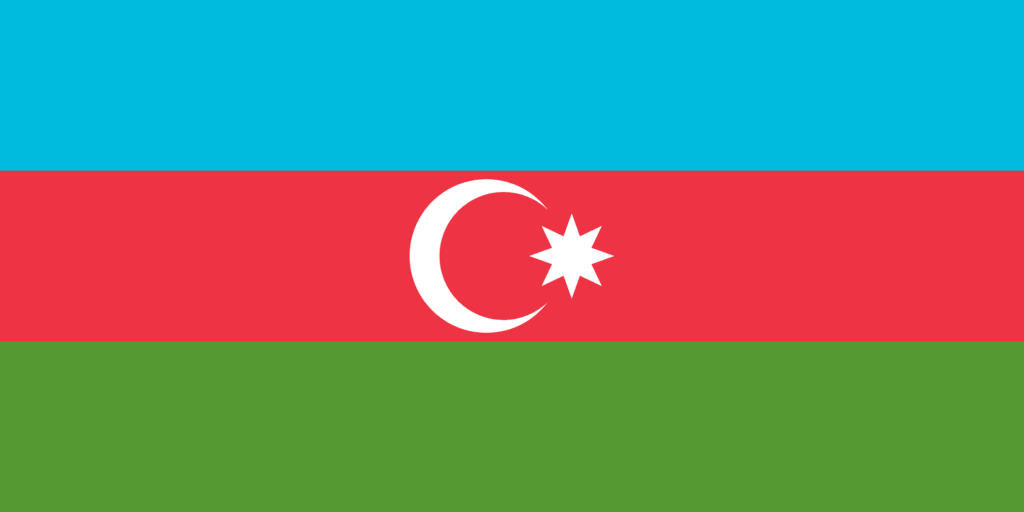
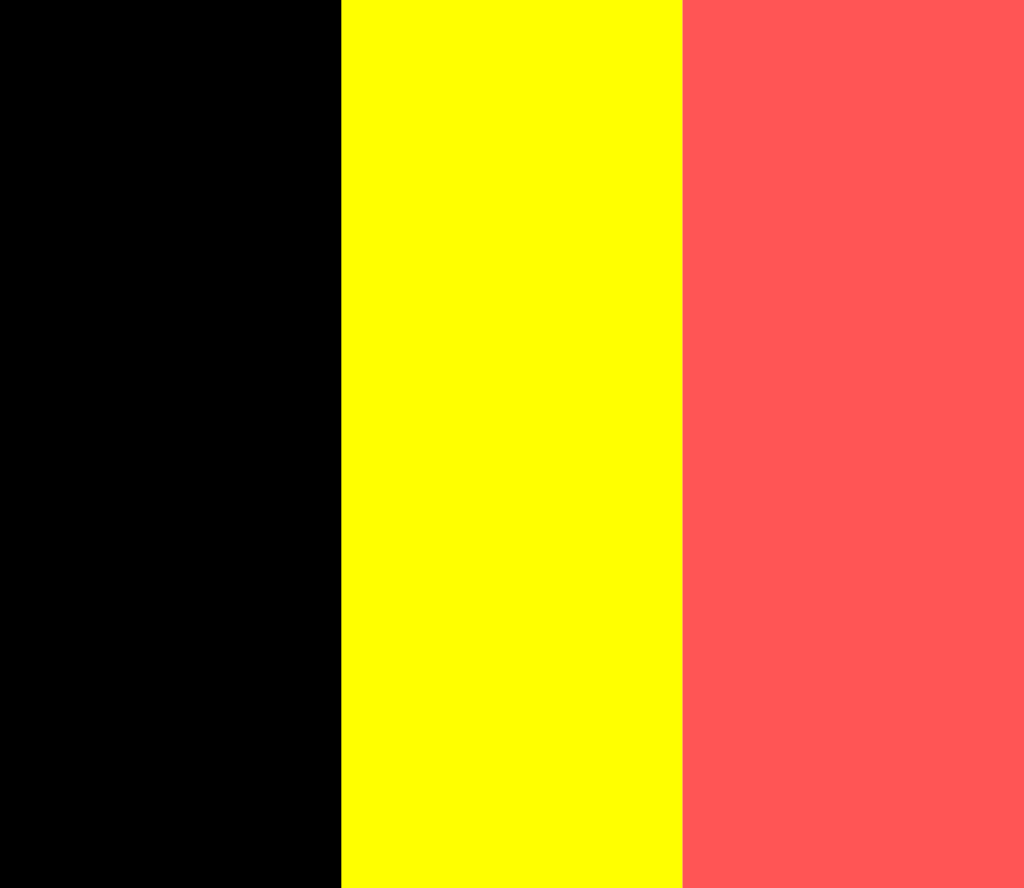
Realted Flags
Flag flying days
| Date | Flag Position | Occasion / Reason |
|---|---|---|
| 26 January | Full-mast | Australia Day |
| 25 April | Half-mast until noon, then Full-mast | ANZAC Day |
| 3 September | Full-mast | Australian National Flag Day |
| 11 November | Half-mast until 11 a.m., then Full-mast | Remembrance Day |
| Second Monday in June | Full-mast | King’s/Queen’s Birthday |
| Various Official Occasions | Half-mast | National mourning or state funerals |