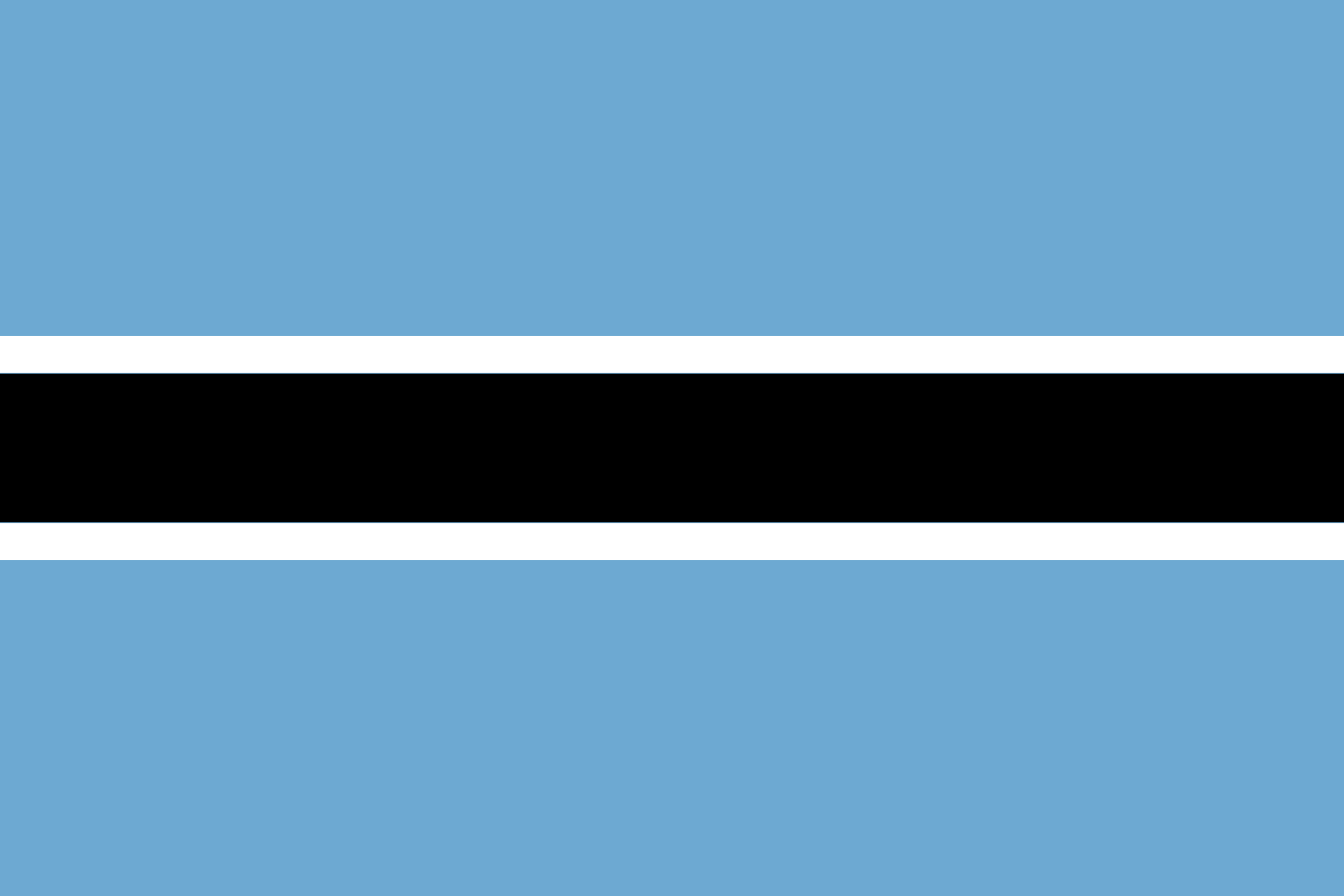
Flag of Botswana
| Legal Name | Republic of Botswana |
|---|---|
| Flag |
|
| Capital City |
Gaborone |
| Total Area | 581,730 km² |
| Land Area | 566,730 km² |
| Water Area | 15,000 km² |
| Population | ~2.5 million |
| Major Cities | Gaborone (~250,000), Francistown (~100,000), Maun (~55,000), Serowe (~50,000) |
| Currency | Botswana Pula (BWP) |
| GDP | ~US$20 billion |
| GDP Per Capita | ~US$8,000 (PPP ~US$24,000) |
About of Botswana
Botswana is a landlocked country in Southern Africa, bordered by Namibia to the west and north, Zimbabwe to the northeast, South Africa to the south and southeast, and a short border with Zambia in the north. It is characterized by vast savannas, the Kalahari Desert, and rich wildlife ecosystems.
The capital, Gaborone, lies near the border with South Africa and serves as the political, economic, and cultural hub of the country. Other urban centers like Francistown, Maun, and Serowe support regional trade and tourism. Botswana’s population is largely rural, but the urban population is steadily increasing due to migration for employment and education.
Internationally, Botswana is recognized for its stable democracy, prudent governance, and economic success in Southern Africa, especially in diamond mining and wildlife conservation. Geopolitically, Botswana serves as a model of peace and stability in the region, maintaining strong diplomatic relations and participating in organizations like the African Union, SADC, and UN.
3. Etymology
The name “Botswana” means “land of the Tswana” in the Setswana language, referring to the Tswana people, the dominant ethnic group in the country. The term evolved from “Bechuanaland,” the colonial name used during British rule, with “Bechuana” being an Anglicized form of Tswana. Upon independence in 1966, the name was formally changed to Botswana to reflect national identity and sovereignty.
4. History
Evidence of human habitation in Botswana dates back tens of thousands of years, with San (Bushmen) communities occupying much of the Kalahari. By the 18th century, the Tswana kingdoms had established complex political and social structures, organizing themselves under chiefs and councils.
In the late 19th century, Britain declared Bechuanaland a protectorate to prevent German and Boer expansion. Botswana remained under British oversight until gaining independence on September 30, 1966. Since independence, Botswana has maintained political stability and consistent democratic governance, avoiding coups and internal conflicts that affected much of the region.
Key post-independence developments include rapid economic growth driven by diamond mining, prudent fiscal management, and foreign investment. Modern developments emphasize education, healthcare, and infrastructure, while balancing conservation and rural development.
5. Government and Politics
Botswana is a parliamentary representative democratic republic. The President serves as both head of state and head of government. The National Assembly is the legislative body, while the judiciary is independent, with the High Court and Court of Appeal at its apex.
The country is divided into 10 administrative districts, each governed by district councils. Botswana is internationally active, maintaining peaceful relations with neighboring countries and participating in regional organizations like SADC, COMESA, and the African Union. Its military is small but professional, focused on national defense, anti-poaching, and peacekeeping.
6. Economy
Botswana has an upper-middle-income economy based on a combination of mineral wealth, agriculture, and services. Diamonds dominate exports, representing the majority of government revenue. Other sectors include tourism, financial services, and cattle ranching.
Agriculture is largely subsistence-based but includes beef exports. Botswana has successfully avoided the resource curse through sound fiscal policies, foreign investment partnerships, and transparent governance. Economic challenges include over-reliance on diamonds, water scarcity, and HIV/AIDS impact, but sustainable tourism and renewable energy offer growth potential.
7. Demographics
Botswana’s population is predominantly Tswana (~79%), with minority groups including Kalanga, Basarwa (San), and Europeans. English is the official language for administration, while Setswana is the national language widely spoken across society.
Religion is primarily Christianity, with traditional beliefs maintained in rural areas. Approximately 70% of the population lives in rural settings, but urbanization is increasing. Population growth is moderate, with improvements in healthcare and education stabilizing fertility rates.
8. Culture and Society
Botswana’s culture is rooted in Tswana traditions, oral storytelling, music, and dance. Community and family ties are central, with social norms emphasizing respect for elders and consensus-based decision-making.
Arts include weaving, pottery, and basketry, often sold to support rural livelihoods. Cuisine features sorghum, maize, beef, and traditional stews. National festivals include Independence Day (September 30) and cultural celebrations. Sports like football, cricket, and traditional games are widely followed.
9. Education and Healthcare
Botswana provides free primary and secondary education, with literacy rates exceeding 88%. Higher education is offered at the University of Botswana and affiliated colleges.
Healthcare is publicly funded, emphasizing primary care, immunization, and HIV/AIDS management. Key public health challenges include HIV/AIDS, tuberculosis, and non-communicable diseases, but ongoing programs have improved life expectancy and maternal health.
10. Geography and Climate
Botswana’s landscape is dominated by the Kalahari Desert in the west and the Okavango Delta, one of the world’s largest inland deltas. Other features include salt pans (Makgadikgadi) and river systems like the Limpopo and Chobe.
The climate is semi-arid, with hot summers, cooler winters, and irregular rainfall. Natural hazards include drought, occasional flooding, and desertification. Conservation efforts focus on maintaining biodiversity and sustainable water management.
11. Flora and Fauna
Botswana is rich in wildlife and biodiversity, home to elephants, lions, leopards, cheetahs, hippos, and abundant bird species. Vegetation ranges from savanna grasslands and dry forests to riparian zones along rivers and wetlands.
Protected areas, including Chobe National Park, Moremi Game Reserve, and Central Kalahari Game Reserve, cover substantial land, supporting ecotourism and wildlife conservation.
Map of Botswana
National Flag: Light blue with a black stripe bordered by white.
Coat of Arms: Features zebras, elephant tusks, shield, and motto “Pula” (rain, symbolizing prosperity).
National Anthem: “Fatshe leno la rona” (“Blessed Be This Noble Land”).
National Animal: Zebra.
National Plant: None officially designated; indigenous flora symbolizes biodiversity.
National Monuments: Tsodilo Hills and other heritage sites.
National Flag (Detailed Section)
The Botswana flag, adopted at independence in 1966, consists of:
Light blue field: Symbolizing water and life, particularly rain.
Black horizontal stripe with white borders: Represents racial harmony and the unity of people.
The flag is displayed on public buildings, schools, and national celebrations, including Independence Day and official state ceremonies.
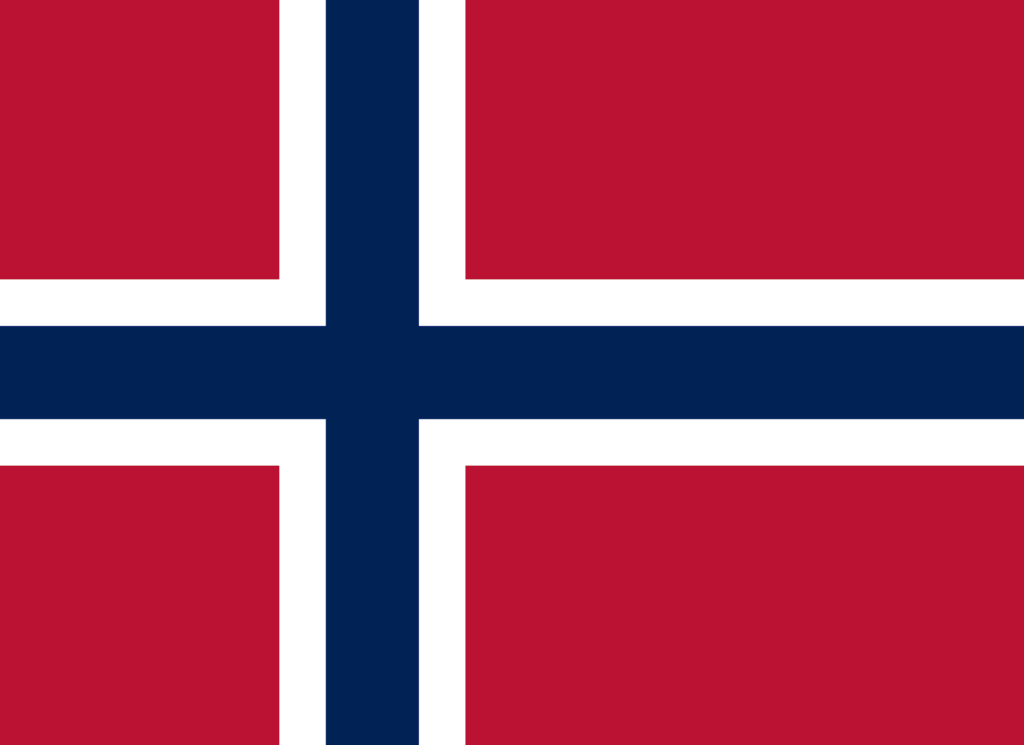
Realted Flags
Flag flying days
| Date | Flag Position | Occasion |
|---|---|---|
| 30 September | Full-mast | Independence Day |
| 1 July | Full-mast | Sir Seretse Khama Day (Founding President) |
| State mourning | Half-mast | Death of a national leader or official |
| 1 May | Full-mast | Labour Day |