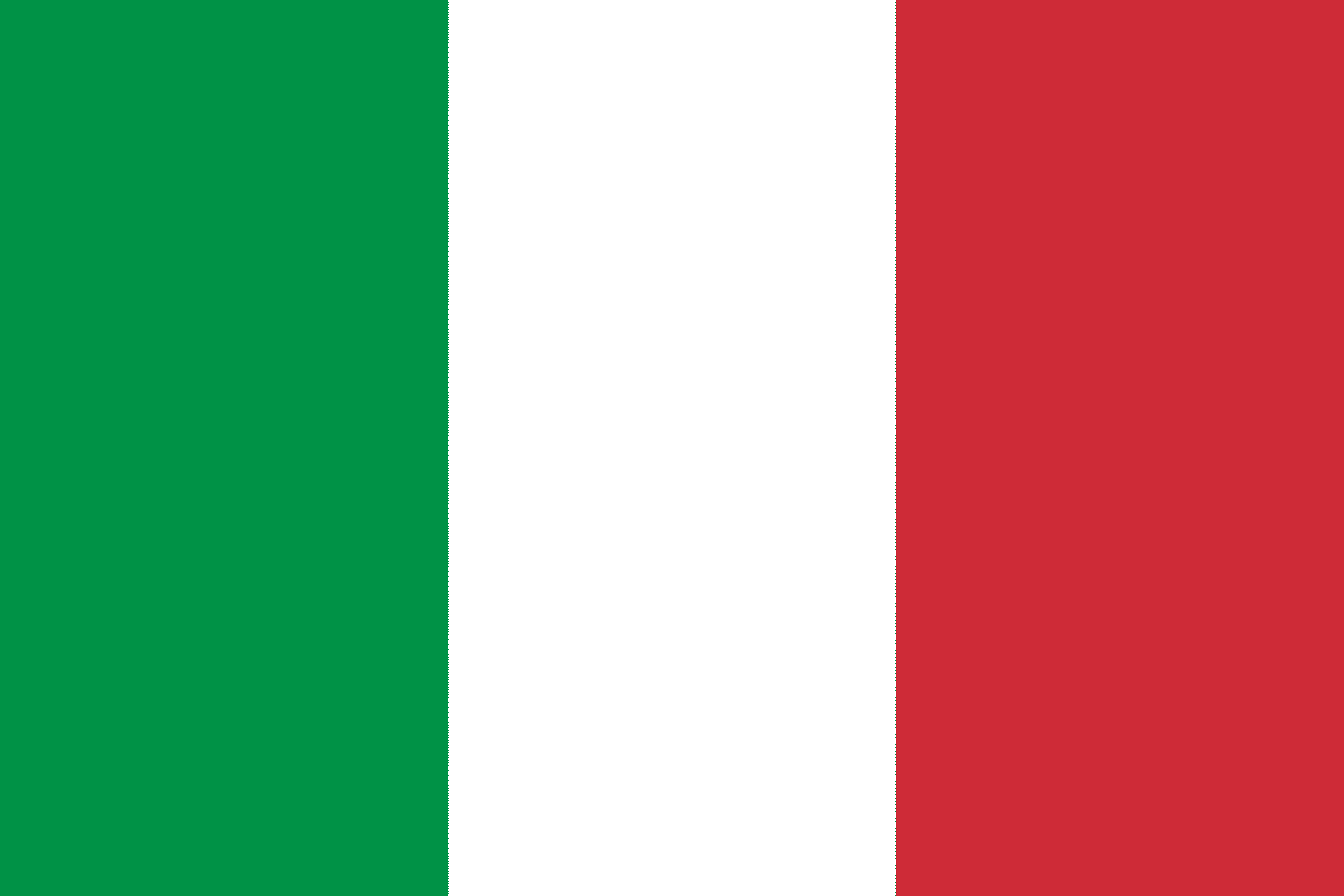
Flag of Italy
| Legal Name | Italian Republic (Repubblica Italiana) |
|---|---|
| Flag |
|
| Capital City |
Rome |
| Total Area | Approximately 301,340 km² |
| Land Area | Approximately 294,140 km² |
| Water Area | Approximately 7,200 km² |
| Population | Approximately 58.9 million |
| Major Cities | Rome (2.8 million), Milan (1.4 million), Naples (0.9 million), Turin (0.85 million), Palermo (0.65 million) |
| Currency | Euro (EUR) |
| GDP | Approximately USD 2.1 trillion |
| GDP Per Capita | Approximately USD 35,000 |
About of Italy
Italy is a Southern European country located primarily on the Italian Peninsula, extending into the central Mediterranean Sea. Its distinctive boot-shaped mainland is complemented by two major islands, Sicily and Sardinia, along with several smaller islands. Italy occupies a strategically significant position at the crossroads of Western Europe, the Balkans, North Africa, and the Middle East.
The country shares land borders with France, Switzerland, Austria, and Slovenia, while also enclosing the microstates of Vatican City and San Marino. Italy’s extensive coastline faces the Adriatic, Ionian, Tyrrhenian, and Ligurian Seas, supporting maritime trade and cultural exchange for thousands of years.
Rome serves as both the capital and largest city, functioning as the political, administrative, and cultural heart of the nation. Other major urban centers such as Milan, Naples, and Turin act as economic and industrial hubs. Italy has a predominantly urban population with a high standard of living and a well-developed infrastructure.
Italy is internationally recognized as a founding member of the European Union, the Eurozone, NATO, and the United Nations. Its geopolitical importance stems from its economic weight, cultural influence, and central role in European and Mediterranean affairs.
Etymology
The name “Italy” is believed to derive from the ancient term Italia, originally used to describe a small region in southern Italy. Linguistic theories suggest it may come from an ancient Italic word meaning “land of calves,” reflecting the importance of cattle in early societies.
Over time, the name expanded in meaning as Roman influence spread across the peninsula. By the Roman era, Italia referred to the entire territory south of the Alps. The name evolved through Latin into modern Italian and other European languages, retaining its association with the peninsula and its people.
History
Human settlement in Italy dates back to prehistoric times, with evidence of Paleolithic communities and later Neolithic cultures. By the first millennium BCE, the peninsula was home to diverse civilizations, including the Etruscans in the north and center, Greek colonies in the south, and various Italic tribes.
The Roman Kingdom, established in the 8th century BCE, evolved into the Roman Republic and later the Roman Empire, which became one of the most influential civilizations in world history. At its height, Rome controlled vast territories across Europe, North Africa, and the Middle East, shaping law, governance, architecture, and culture.
Following the fall of the Western Roman Empire in the 5th century CE, Italy entered the medieval period, marked by fragmentation, foreign invasions, and the rise of city-states such as Venice, Florence, and Milan. The Renaissance, originating in Italy during the 14th century, ushered in a cultural revival that profoundly influenced art, science, and philosophy.
Italy remained politically divided until the 19th century. The unification movement, known as the Risorgimento, culminated in the establishment of the Kingdom of Italy in 1861. After experiencing monarchy, fascist rule, and participation in World War II, Italy became a republic in 1946. Since then, it has developed into a modern democratic state and a key player in European integration.
Government and Politics
Italy is a parliamentary republic governed under a constitution that came into force in 1948. The constitution establishes a democratic framework based on separation of powers, protection of civil liberties, and the rule of law.
The executive branch consists of the President of the Republic, who serves as head of state, and the Council of Ministers led by the Prime Minister, who heads the government. Legislative power is vested in a bicameral Parliament composed of the Chamber of Deputies and the Senate. The judiciary is independent, with the Constitutional Court overseeing constitutional compliance.
Administratively, Italy is divided into 20 regions, five of which enjoy special autonomous status. Italy maintains active foreign relations and is a member of major international organizations. Its armed forces are modern and professional, focusing on defense, peacekeeping, and international cooperation.
Economy
Italy has a developed, high-income economy and is one of the world’s largest industrial nations. It features a diversified economic structure with strong manufacturing, services, and agricultural sectors. Northern Italy is highly industrialized, while the south remains more agrarian.
Key industries include machinery, automobiles, fashion, luxury goods, food processing, and chemicals. Italy is renowned globally for its design, craftsmanship, and small-to-medium enterprises. Agriculture produces wine, olive oil, fruits, and grains, while services such as tourism and finance contribute significantly to GDP.
Italy has limited natural resources but benefits from a skilled workforce and strong export markets. Economic challenges include public debt, regional disparities, and demographic aging. Future growth strategies emphasize innovation, sustainability, and digital transformation.
Demographics
Italy’s population is largely ethnically Italian, with growing immigrant communities from Europe, Africa, and Asia. Italian is the official language, while regional languages and dialects remain culturally significant.
Roman Catholicism is the predominant religion, though religious diversity has increased in recent decades. Most Italians live in urban areas, and population growth is low, with an aging demographic profile posing long-term social and economic challenges.
Culture and Society
Italy’s cultural heritage is among the richest in the world, shaped by Roman antiquity, the Renaissance, and centuries of artistic achievement. National identity is closely tied to history, family, regional traditions, and cuisine.
Italian contributions to art, music, literature, and architecture are globally influential. Cuisine emphasizes regional diversity, fresh ingredients, and traditional methods. Social customs value hospitality, family bonds, and expressive communication. Football is the most popular sport, alongside cycling and motorsports.
Education and Healthcare
Italy provides free and compulsory education at the primary and lower secondary levels, with a strong public university system. Literacy rates are high, and higher education institutions have international recognition.
Healthcare is provided through a universal public system offering comprehensive coverage. Italy has achieved strong health outcomes, including high life expectancy, though it faces challenges related to aging and healthcare sustainability.
Geography and Climate
Italy’s geography includes the Alps in the north, the Apennine Mountains running down the peninsula, fertile plains such as the Po Valley, and extensive coastlines. The country experiences a Mediterranean climate, with regional variations.
Italy is prone to natural hazards including earthquakes, volcanic activity, and floods. Environmental concerns focus on pollution, land degradation, and climate change impacts.
Flora and Fauna
Italy hosts diverse ecosystems ranging from alpine forests to Mediterranean scrublands. Native plant species include olive trees, cypress, and oak. Wildlife includes wolves, bears, deer, and numerous bird species.
The country maintains a network of national parks and protected areas aimed at conserving biodiversity and natural landscapes
Map of Italy
Italy’s national symbols reflect its history and unity. The tricolor flag, the emblem of the Italian Republic, and the national anthem represent sovereignty and shared identity. Cultural landmarks such as the Colosseum and Roman Forum are widely recognized national monuments.
National Flag (Detailed Section)
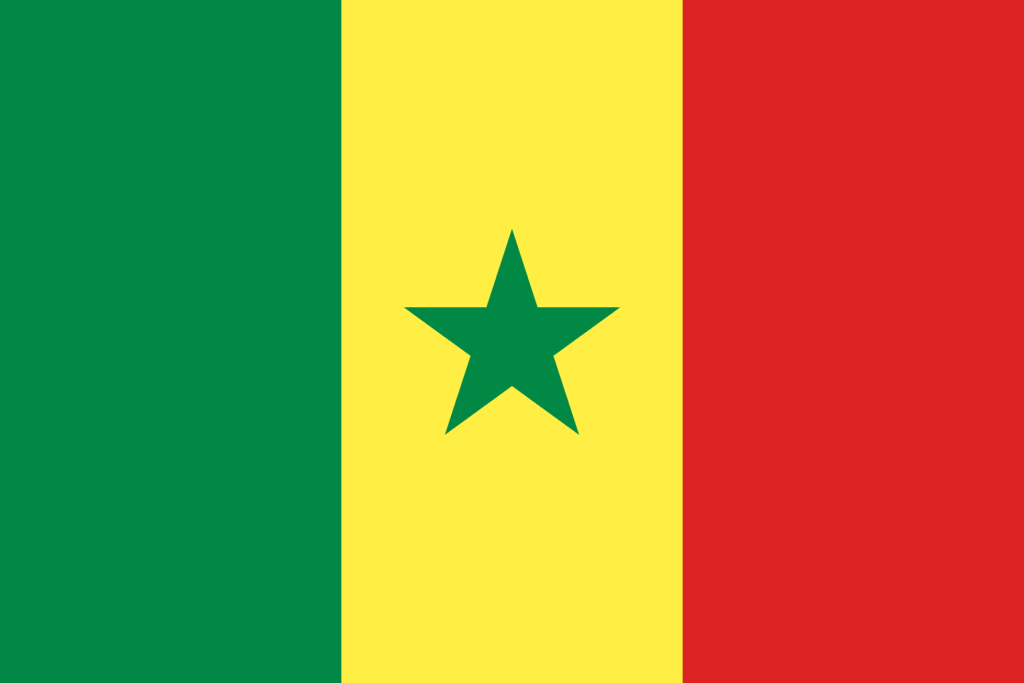
The Italian flag consists of three vertical bands of green, white, and red. Its design dates back to the late 18th century and was inspired by revolutionary movements and earlier regional banners.
Green is commonly associated with the country’s landscapes, white with faith and unity, and red with sacrifice and courage. The flag is flown on public buildings and during national celebrations, following established protocols.
All Flags of Italy
Realted Flags
| Date | Flag Position | Occasion or Reason |
|---|
| January 1 | Full-mast | New Year’s Day |
| April 25 | Full-mast | Liberation Day |
| June 2 | Full-mast | Republic Day |
| November 4 | Full-mast | National Unity and Armed Forces Day |
| Days of national mourning | Half-mast | Official periods of mourning |