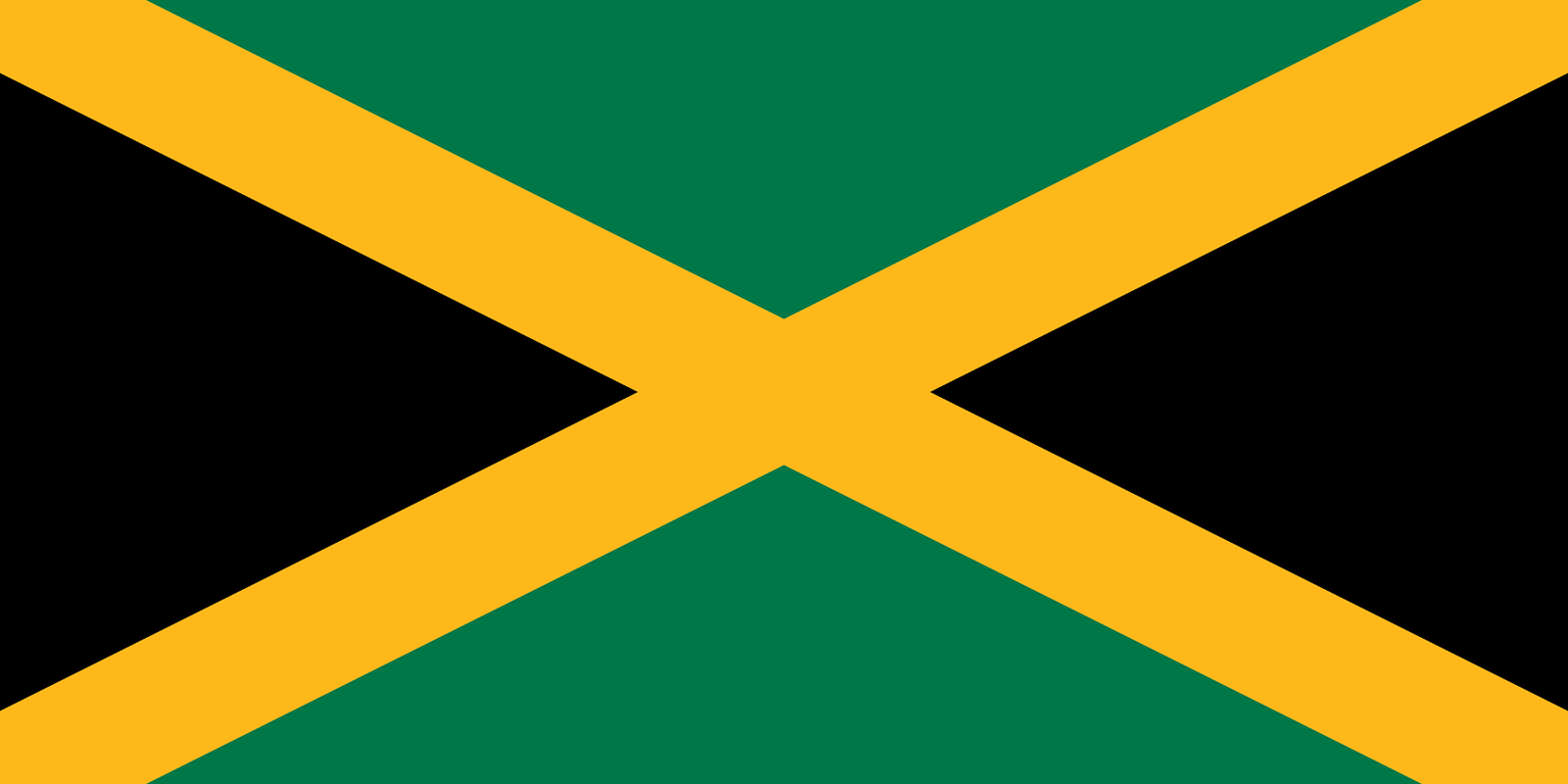
Flag of Jamaica
| Legal Name | Jamaica |
|---|---|
| Flag |
|
| Capital City |
Kingston |
| Total Area | 10,991 km² |
| Land Area | Approximately 10,830 km² |
| Water Area | Approximately 160 km² |
| Population | ~2.83 million |
| Major Cities | Kingston (~670,000 metro), Spanish Town (~145,000), Montego Bay (~110,000), Portmore (~200,000), Mandeville (~90,000) |
| Currency | Jamaican Dollar (JMD) |
| GDP | Approximately USD 18 billion |
| GDP Per Capita | Approximately USD 6,300 (nominal) / USD 11,600 (PPP) |
About of Jamaica
Jamaica is an island nation located in the Caribbean Sea, south of Cuba and west of Hispaniola (Haiti and the Dominican Republic). It forms part of the Greater Antilles and occupies a central position within the Caribbean region, with extensive maritime boundaries but no land borders.
The capital city, Kingston, sits on the southeastern coast and functions as Jamaica’s political, cultural, and economic center. Other major urban areas include Montego Bay, Spanish Town, and Portmore, which support tourism, commerce, and residential growth.
Jamaica’s population is predominantly of African descent, shaped by centuries of migration, colonialism, and cultural blending. The country is internationally recognized for its cultural influence, particularly in music and sports, far exceeding its geographic size.
Strategically, Jamaica holds importance as a Caribbean hub for shipping, tourism, and regional diplomacy. Its location along major sea lanes and its role in Caribbean cooperation give it regional geopolitical significance.
Etymology
The name Jamaica originates from the Taíno word Xaymaca or Haimaca, meaning “Land of Wood and Water.” This name reflected the island’s lush forests, rivers, and fertile landscapes as experienced by its indigenous inhabitants.
Spanish colonizers adapted the Taíno name into “Jamaica,” which was later retained under British rule and after independence, preserving its indigenous linguistic heritage.
History
Jamaica was originally inhabited by the Taíno people, who established agricultural communities prior to European contact. Christopher Columbus arrived in 1494, and the island became a Spanish colony shortly thereafter.
In 1655, Jamaica was captured by Britain, marking the beginning of British colonial rule. The island developed into a major plantation economy based on sugar production, relying heavily on enslaved African labor. Resistance to slavery was persistent, including uprisings and the formation of Maroon communities.
The abolition of slavery in the 19th century transformed Jamaican society but left lasting economic and social challenges. Jamaica gained independence in 1962, transitioning into a sovereign state within the Commonwealth.
Post-independence history has included periods of political reform, economic restructuring, and social development. In recent decades, Jamaica has focused on democratic governance, economic diversification, and regional leadership.
Government and Politics
Jamaica operates as a constitutional monarchy and parliamentary democracy. The British monarch serves as head of state, represented locally by a Governor-General, while executive authority rests with the Prime Minister and Cabinet.
The constitution establishes a framework of governance with a bicameral Parliament consisting of the House of Representatives and the Senate. An independent judiciary upholds the rule of law.
Administratively, Jamaica is divided into 14 parishes, which function as local government units. The country maintains active diplomatic relations worldwide and is a member of numerous international and regional organizations. The Jamaica Defence Force is responsible for national defense, disaster response, and regional security cooperation.
Economy
Jamaica is classified as a developing economy with a diversified structure. Services dominate economic output, particularly tourism, which is a major source of employment and foreign exchange.
Agriculture remains important, producing sugar, bananas, coffee, cocoa, and spices. Manufacturing includes food processing, beverages, chemicals, and light industry. The country also possesses natural resources such as bauxite and alumina, which are key export commodities.
Major trading partners include the United States, Canada, and other Caribbean nations. Economic challenges include public debt, vulnerability to external shocks, and climate risks. Future growth prospects are linked to infrastructure development, renewable energy, and digital services.
Demographics
Jamaica’s population is largely of African descent, with smaller communities of mixed heritage, East Indian, Chinese, and European ancestry.
English is the official language, while Jamaican Patois is widely spoken in daily life. Christianity is the dominant religion, alongside Rastafarianism and other faiths.
The population is moderately urbanized, with growth concentrated around coastal cities. Population growth has slowed, reflecting migration patterns and declining fertility rates.
Culture and Society
Jamaican culture is globally influential, rooted in African traditions, European heritage, and indigenous elements. National identity emphasizes resilience, creativity, and freedom.
Music genres such as reggae, ska, and dancehall have shaped global popular culture. Jamaican cuisine is known for bold flavors, featuring dishes such as jerk chicken, ackee and saltfish, and tropical fruits.
Social customs highlight community bonds, expressive language, and strong family ties. National holidays and festivals celebrate independence, music, and cultural heritage. Sports, especially athletics and cricket, play a central role in national pride.
Education and Healthcare
Jamaica’s education system includes early childhood, primary, secondary, and tertiary levels, with a strong emphasis on literacy and skills development. Higher education institutions contribute to regional research and training.
Healthcare is delivered through a mix of public and private systems. Public health achievements include improved life expectancy and disease control, though challenges remain in access, funding, and non-communicable diseases.
Geography and Climate
Jamaica’s terrain includes mountains, limestone plateaus, fertile plains, and extensive coastlines. The Blue Mountains dominate the eastern interior and are among the highest in the Caribbean.
The climate is tropical, with warm temperatures year-round and distinct wet and dry seasons. Natural hazards include hurricanes, flooding, earthquakes, and landslides. Environmental concerns focus on deforestation, coastal erosion, and climate resilience.
Flora and Fauna
Jamaica is recognized for its high level of endemic biodiversity. Native plant species include orchids, hardwoods, and medicinal plants.
Wildlife features unique birds such as the Doctor Bird, reptiles, and diverse marine life. National parks and protected areas preserve ecosystems and support conservation and ecotourism initiatives.
Map of Jamaica
Jamaica’s national symbols reflect its natural environment and cultural identity. These include the national flag, coat of arms, anthem, and emblematic flora and fauna.
National Flag (Detailed Section)
Jamaica’s flag features a gold diagonal cross dividing four triangles: green at the top and bottom, and black on the hoist and fly sides. Adopted at independence in 1962, it is one of the few national flags without red, white, or blue.
Black symbolizes the strength and resilience of the people, green represents hope and agricultural wealth, and gold signifies sunlight and natural resources. The flag is flown at government buildings, schools, and during national celebrations according to official protocol.
Realted Flags
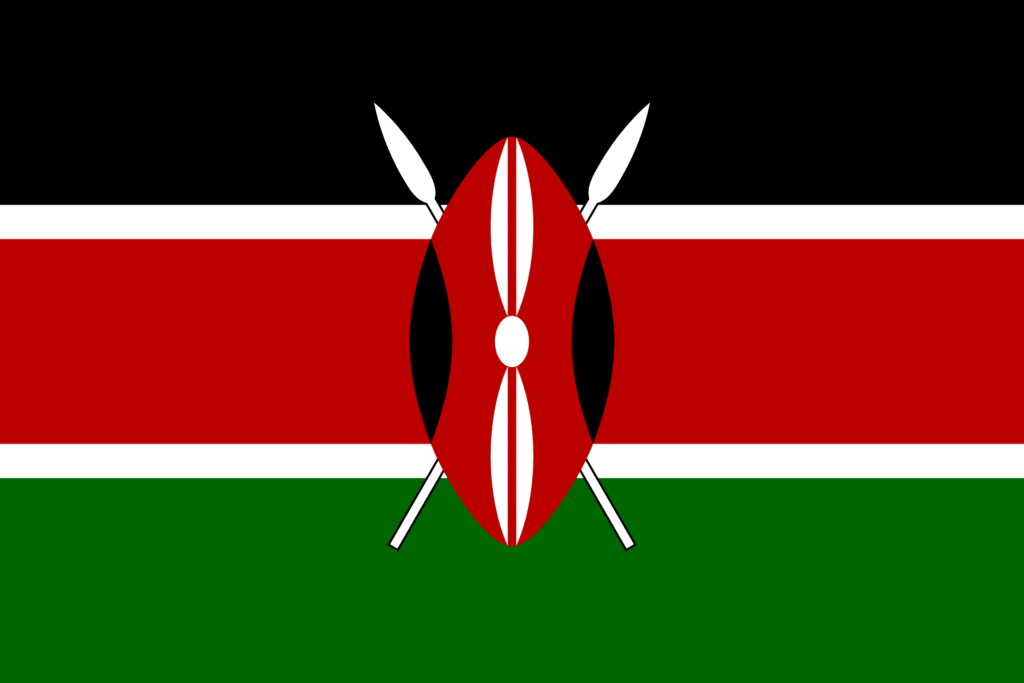
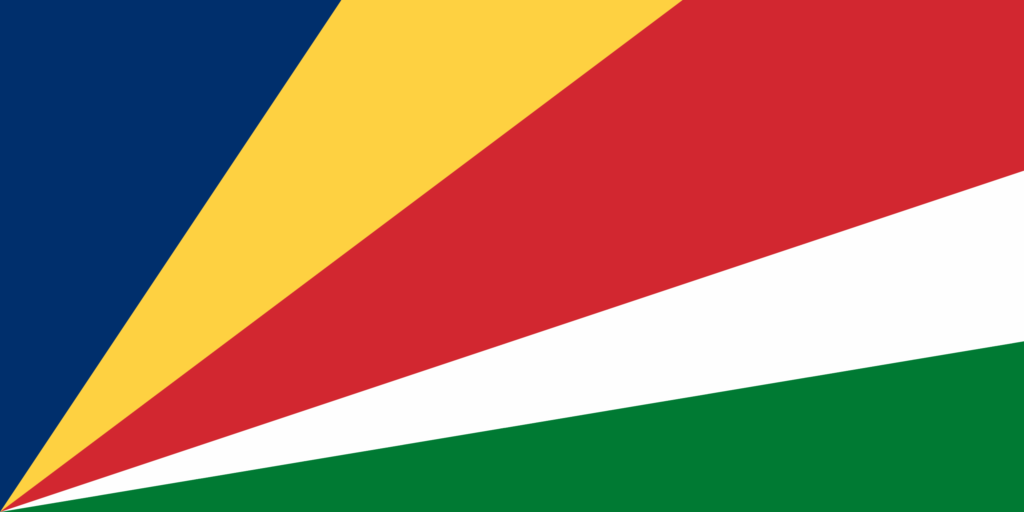
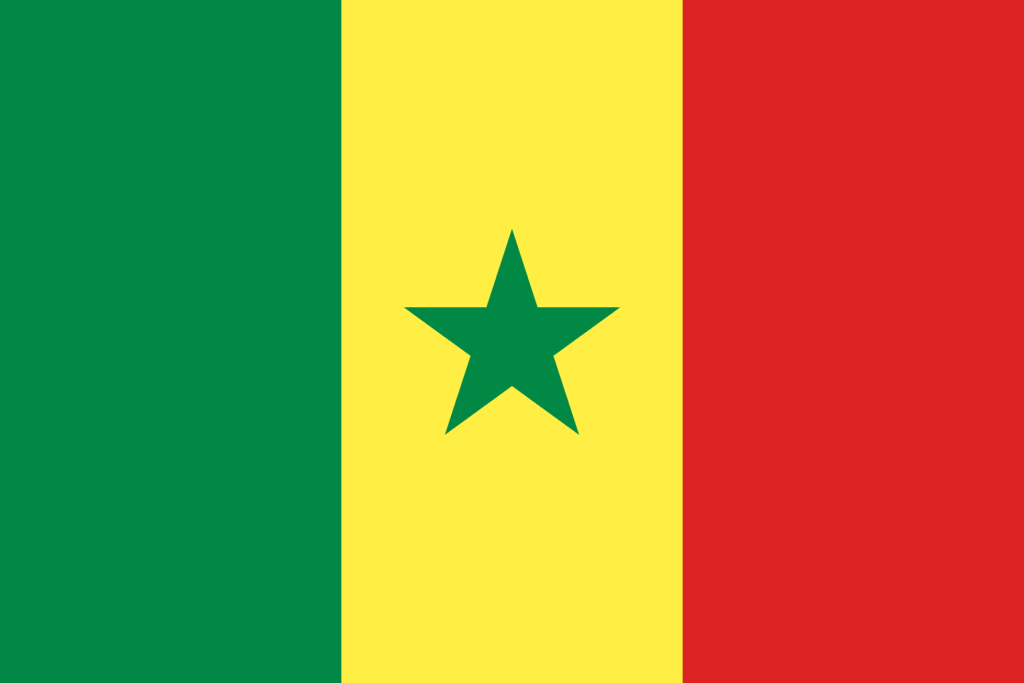
Flag flying days
| Date | Flag Position | Occasion or Reason |
|---|---|---|
| February 6 | Full-mast | Bob Marley Day |
| May 23 | Full-mast | Labour Day |
| August 6 | Full-mast | Independence Day |
| October (3rd Monday) | Full-mast | National Heroes Day |
| Designated Mourning Days | Half-mast | National or state mourning |