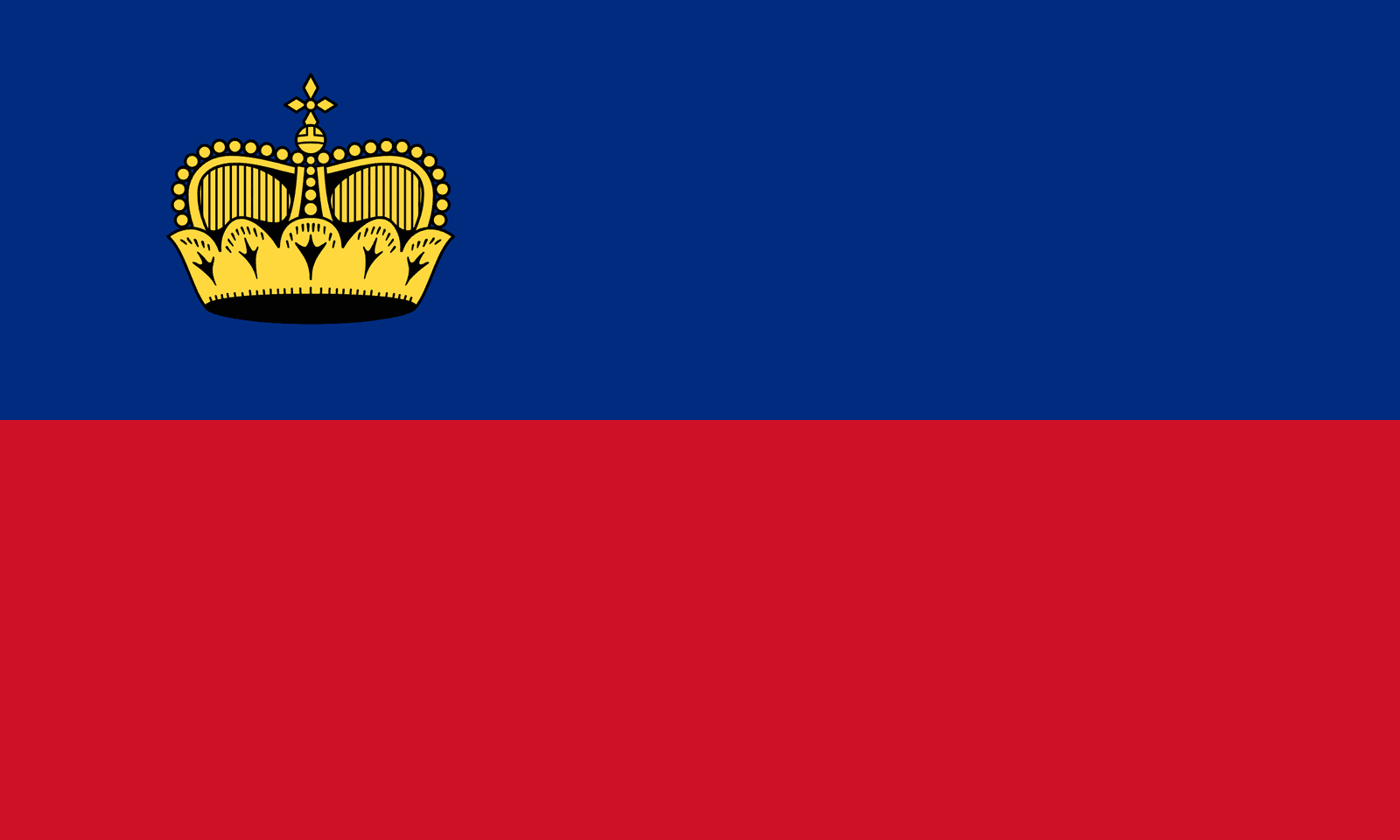
Flag of Liechtenstein
| Legal Name | Principality of Liechtenstein |
|---|---|
| Flag |
|
| Capital City |
Vaduz |
| Total Area | Approximately 160 km² |
| Land Area | Approximately 160 km² |
| Water Area | Negligible |
| Population | Approximately 39,000 |
| Major Cities | Schaan (6,000), Vaduz (5,700), Balzers (4,600), Eschen (4,200), Triesen (4,000) |
| Currency | Swiss Franc (CHF) |
| GDP | Approximately USD 7 billion |
| GDP Per Capita | Approximately USD 180,000 |
About of Liechtenstein
Liechtenstein is a small, landlocked principality located in Central Europe, nestled between Switzerland to the west and south, and Austria to the east. Despite its small size, Liechtenstein has a highly developed economy, strong financial sector, and a high standard of living. Its alpine terrain is dominated by the Rhine Valley and the mountainous eastern region, making it one of the most scenic countries in Europe.
Vaduz serves as the political and administrative capital, hosting the government and the princely palace, while Schaan is the economic hub with industrial and business centers. The country has a highly urbanized population, though the landscape preserves rural traditions in mountain villages and agricultural areas.
Liechtenstein is internationally recognized as a sovereign monarchy, a member of the United Nations and the European Economic Area (EEA), and participates in international diplomacy largely through Switzerland. Its geopolitical importance stems from financial services, stable governance, and strategic partnerships in European economic and political structures.
Etymology
The name “Liechtenstein” originates from the Liechtenstein Castle near Vienna, which the ruling family acquired in the early 17th century. “Liechtenstein” derives from German words lichten (bright) and Stein (stone), referring to the castle’s bright stone construction. The name was adopted by the principality when the family purchased the territories of Schellenberg and Vaduz, uniting them under the House of Liechtenstein.
History
Prehistoric and Ancient Civilizations
Evidence of early human settlements exists from the Neolithic period, with remnants of agricultural communities in the Rhine Valley. Celtic and Roman influence shaped the early cultural landscape.
Medieval Period
By the Middle Ages, Liechtenstein’s territory consisted of small feudal domains under local counts and abbeys. Vaduz and Schellenberg were notable political centers during this period.
Dynastic Rule and Formation
In 1699 and 1712, the Liechtenstein family purchased Schellenberg and Vaduz, respectively. In 1719, these territories were united by Emperor Charles VI into the Principality of Liechtenstein, granting the family sovereign status within the Holy Roman Empire.
Modern Period
Liechtenstein remained neutral in major European conflicts, maintaining stability and avoiding annexation. It underwent constitutional reform in 1921, transitioning to a constitutional monarchy with democratic elements. During World War II, Liechtenstein maintained neutrality, preserving independence.
Contemporary Developments
Postwar Liechtenstein developed a strong financial sector, low taxation policies, and modern industrial economy. The country joined the United Nations in 1990 and the European Economic Area in 1995, integrating into European economic frameworks without joining the EU.
Government and Politics
Liechtenstein is a constitutional monarchy with the Prince as head of state. The political system combines monarchical authority with democratic institutions. The parliament (Landtag) has legislative powers, while the government, led by the Prime Minister, executes policy. Judicial authority is independent.
The country is divided into 11 municipalities (Gemeinden), which serve as administrative divisions. Liechtenstein maintains foreign relations mainly through Switzerland, participates in international organizations, and upholds neutrality in military conflicts. The principality has no standing army, relying on Switzerland for defense, though it maintains a small national police and security force.
Economy
Liechtenstein is a high-income, highly industrialized nation with a diversified economy. Key sectors include financial services, manufacturing, precision instruments, electronics, and tourism. The principality is known for banking secrecy, asset management, and corporate-friendly tax policies.
Agriculture plays a minor role but includes dairy, livestock, and limited crop cultivation. Liechtenstein exports industrial products, electronics, and high-precision machinery, primarily to Switzerland, Germany, and the European Union. Challenges include dependence on foreign labor, energy imports, and maintaining financial sector competitiveness. Its economic outlook remains strong due to innovation, investment, and stability.
Demographics
Liechtenstein has a population of roughly 39,000, with ethnic Liechtensteiners forming the majority. Other residents include Swiss, Austrian, Germans, and a growing international community. German is the official language. The majority of the population adheres to Roman Catholicism, with religious tolerance ensured by law. The population is highly urbanized, concentrated in the Rhine Valley, and the country experiences modest growth, supported by immigration.
Culture and Society
Liechtenstein preserves a unique cultural identity blending Germanic and Alpine traditions. Folk music, festivals, and customs play a central role in community life. The principality celebrates National Day on August 15, featuring speeches, parades, and cultural performances.
Arts and literature flourish through local associations and patronage, while cuisine reflects Austrian and Swiss influences, featuring cheeses, breads, and alpine specialties. Sports such as skiing, football, and hiking are popular.
Education and Healthcare
Education is compulsory through secondary school, with high literacy and a strong emphasis on multilingual instruction. Higher education often takes place abroad in Switzerland, Austria, or Germany.
Healthcare is comprehensive and publicly funded, supplemented by private services. Residents enjoy high life expectancy, quality medical care, and access to advanced treatment facilities.
Geography and Climate
Liechtenstein is dominated by the Alps in the east and the Rhine Valley in the west. Elevation ranges from 430 m along the Rhine to 2,599 m at the Grauspitz peak. The Rhine River forms the western boundary with Switzerland.
The climate is temperate alpine with cold winters and mild summers. Snowfall supports winter sports, while natural hazards include avalanches and landslides. Environmental policies focus on sustainable forestry, clean energy, and water conservation.
Flora and Fauna
Alpine forests consist of spruce, fir, and beech trees. Wildlife includes deer, foxes, chamois, ibex, and diverse bird species. National parks and nature reserves preserve biodiversity and support eco-tourism.
Map of Liechtenstein
Flag: Blue and red horizontal bicolor with a gold crown, symbolizing the unity of the nation and princely authority.
Coat of Arms: Features the crowned shield of the Liechtenstein family, representing heritage and sovereignty.
National Anthem: Oben am jungen Rhein (“High on the Young Rhine”), emphasizing national pride.
National Animals/Plants: Alpine ibex (wildlife), linden tree (symbol of community).
National Flag (Detailed Section)
The Liechtenstein flag consists of two horizontal bands: blue for the sky and red for the evening fires of homes. The gold crown represents the princely authority and unity of the state. Adopted in 1937 after discovering a similar design in Haiti, it is flown on official buildings, public holidays, and diplomatic missions. Protocol mandates full-mast for celebrations and half-mast during mourning.
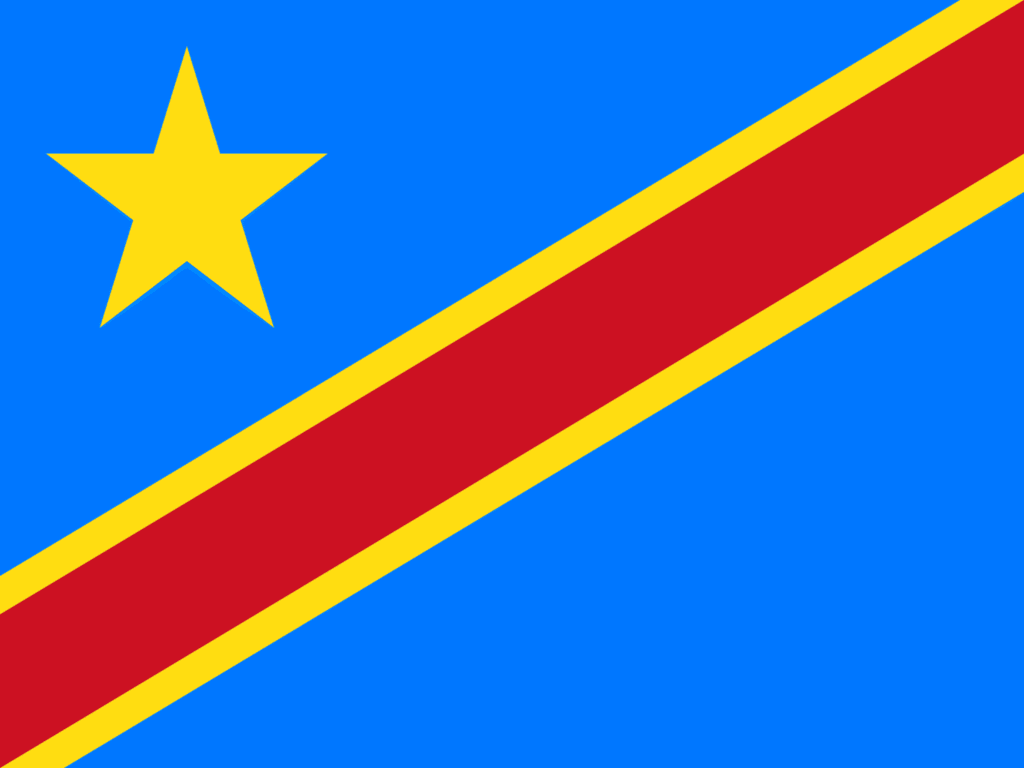
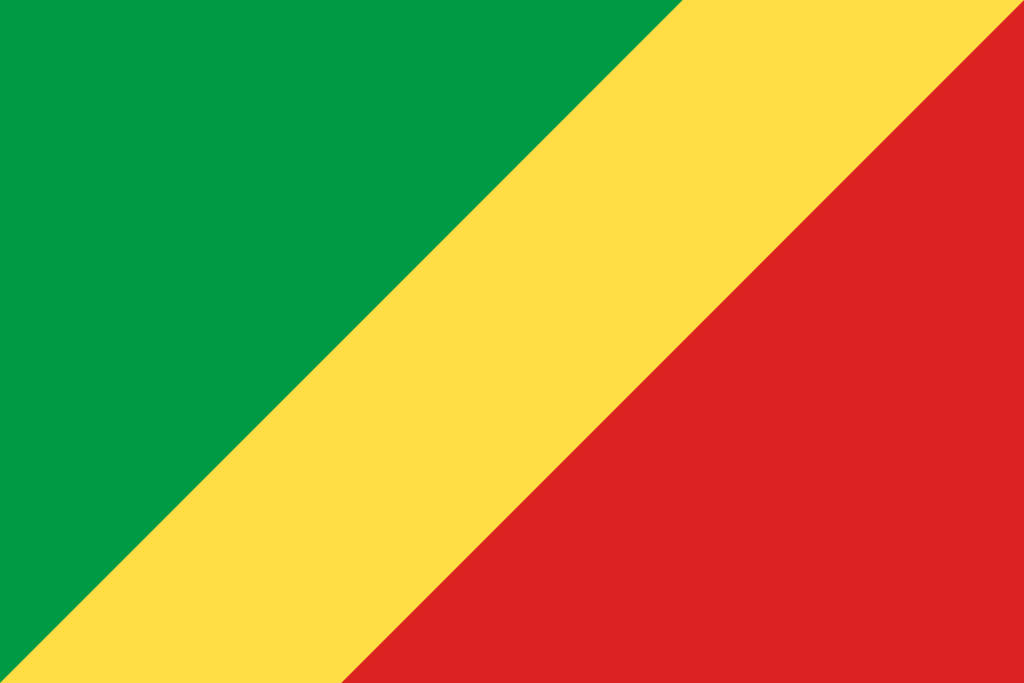
Realted Flags
Flag flying days
| Date | Flag Position | Occasion or Reason |
|---|---|---|
| August 15 | Full-mast | National Day |
| Other public holidays | Full-mast | Official ceremonies and events |
| National mourning | Half-mast | Death of prince or national tragedies |