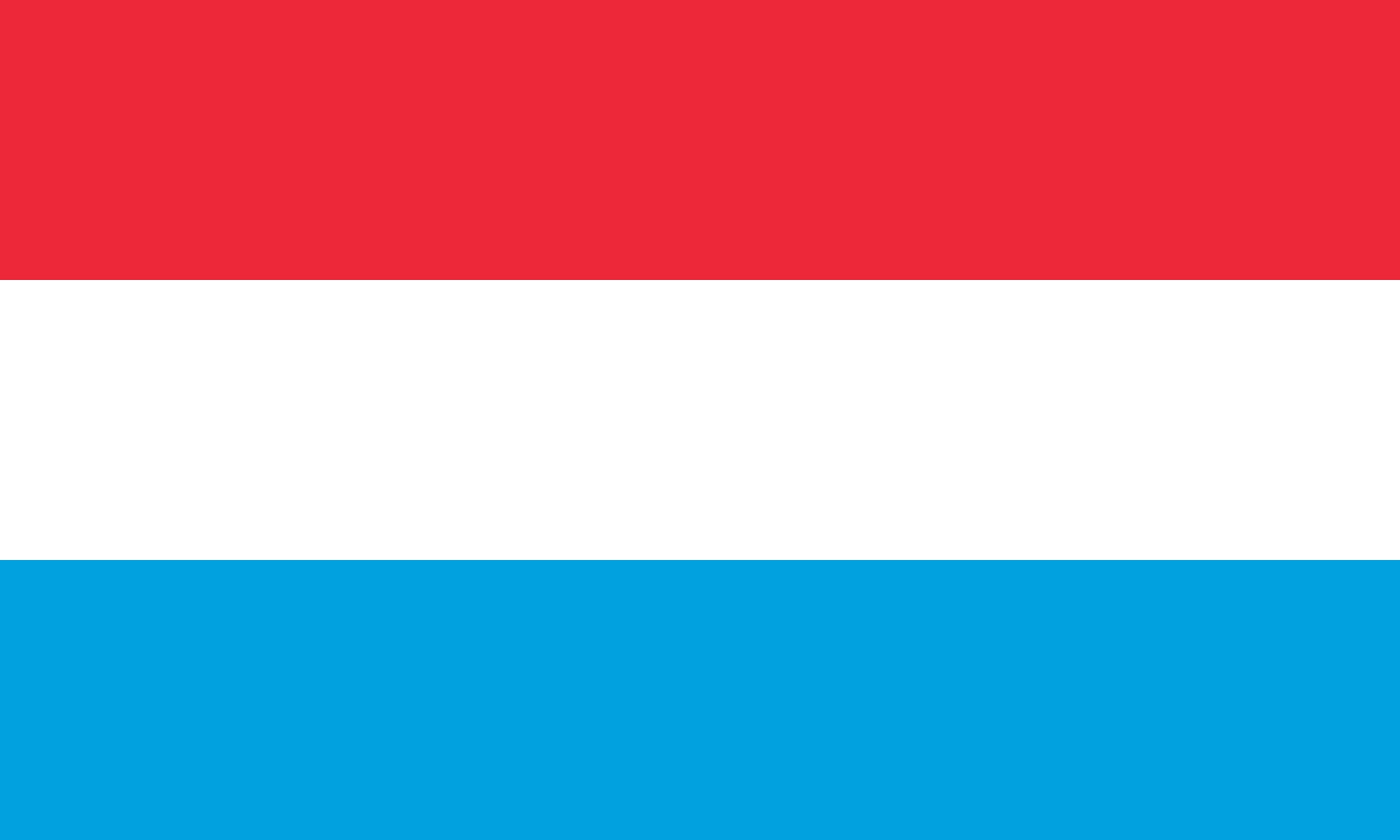
Flag of Luxembourg
| Legal Name | Grand Duchy of Luxembourg |
|---|---|
| Flag |
|
| Capital City |
Luxembourg City |
| Total Area | Approximately 2,586 km² |
| Land Area | Approximately 2,586 km² |
| Water Area | Negligible (<1%) |
| Population | Approximately 660,000 |
| Major Cities | Luxembourg City (130,000), Esch-sur-Alzette (36,000), Differdange (26,000), Dudelange (20,000) |
| Currency | Euro (EUR) |
| GDP | Approximately USD 88 billion |
| GDP Per Capita | Approximately USD 133,000 |
About of Luxembourg
Luxembourg is a small landlocked nation situated in Western Europe, bordering Belgium to the west and north, Germany to the east, and France to the south. Despite its compact size, it is strategically positioned at the crossroads of major European trade and transport routes, enhancing its influence in regional politics and economics.
The capital, Luxembourg City, serves as the political, financial, and cultural center. It is home to several European Union institutions, including the European Court of Justice, reflecting the country’s central role in European governance. Luxembourg’s population is highly urbanized, particularly in the south where industry and finance dominate.
Internationally, Luxembourg is recognized as a sovereign Grand Duchy and is a founding member of the European Union, NATO, the United Nations, and other multilateral organizations. Its strong financial sector, political stability, and multilingual population make it a strategic hub for diplomacy and international business.
Etymology
The name “Luxembourg” originates from the Old High German word Lucilinburhuc, meaning “little fortress.” This refers to the early fortified settlement established along the Alzette River. Over centuries, the name evolved phonetically into Luxembourg, denoting both the fortress and the surrounding territory.
History
Prehistoric and Ancient Civilizations
Archaeological evidence indicates human settlement in Luxembourg since the Paleolithic era. Celtic tribes inhabited the region before Roman conquest in the first century BC, integrating it into the Roman province of Gallia Belgica.
Classical and Medieval Periods
Following the fall of the Roman Empire, Luxembourg became part of the Frankish Kingdom. In 963 AD, Count Siegfried acquired Lucilinburhuc, marking the foundation of Luxembourg as a distinct polity. The medieval era saw its consolidation as a county and later as a duchy, gaining importance in European dynastic politics.
Major Empires and Dynasties
Luxembourg passed through Habsburg, Burgundian, and Spanish rule during the late medieval and early modern periods. It became a strategic fortress in European conflicts, particularly during the 17th and 18th centuries.
Modern Era and Independence
After the Napoleonic Wars, Luxembourg became a Grand Duchy in personal union with the Netherlands, under the 1815 Congress of Vienna. The 1839 Treaty of London recognized its independence, though with territorial reduction. Luxembourg remained neutral during both World Wars but was occupied by Germany during both conflicts.
Post-War Developments
Post-World War II, Luxembourg became a founding member of the European Coal and Steel Community, laying the foundation for the European Union. The country developed a robust financial sector and diversified economy, achieving political stability and high living standards.
Government and Politics
Luxembourg is a constitutional monarchy under a Grand Duke, with a parliamentary democracy. Executive powers are shared between the Grand Duke and the Prime Minister, who heads the government. Legislative authority is vested in a unicameral Chamber of Deputies, and an independent judiciary upholds the rule of law.
The nation is divided into 12 cantons for administrative purposes. Luxembourg maintains active foreign relations, participating in the EU, NATO, United Nations, and the Benelux Union. Its defense policy is modest, focusing on international cooperation and civil protection, supported by a small professional military.
Economy
Luxembourg is classified as a highly developed, high-income country. Its economy is diversified with strong financial services, banking, insurance, and investment funds sectors forming the backbone. Industry includes steel, chemicals, and information technology. Agriculture is minimal but focuses on dairy, cereals, and wine.
Key trade partners include Germany, France, Belgium, and the Netherlands. Luxembourg faces challenges such as maintaining economic competitiveness, managing housing demand, and diversifying beyond finance, yet it remains one of the wealthiest countries per capita in the world.
Demographics
The population is ethnically diverse, including Luxembourgers, Portuguese, French, Italians, and Belgians. Luxembourgish, French, and German are official languages, with English commonly used in business. Christianity predominates, mainly Roman Catholicism. Approximately 90% of the population lives in urban areas, with a steady growth due to immigration and a robust economy attracting expatriates.
Culture and Society
Luxembourgish culture blends French and German influences, with strong traditions in literature, music, and folk customs. National identity emphasizes multilingualism, tolerance, and civic participation. Cuisine reflects French and German culinary traditions, featuring dishes like Judd mat Gaardebounen (smoked pork with beans).
Public holidays include National Day (June 23), religious celebrations, and cultural festivals. Sports like football, cycling, and hiking are popular, supported by extensive recreational infrastructure.
Education and Healthcare
Luxembourg offers a multilingual education system with primary, secondary, and tertiary institutions, including the University of Luxembourg. Literacy rates are nearly universal, and higher education emphasizes law, finance, and international studies.
Healthcare is universal, with high standards and extensive coverage. Public health initiatives focus on preventive care, chronic disease management, and mental health services.
Geography and Climate
Luxembourg’s terrain is characterized by the hilly Ardennes in the north and the Gutland plateau in the south. Rivers including the Moselle, Sauer, and Alzette support agriculture and transport. The country experiences a temperate oceanic climate, with cool winters, mild summers, and moderate rainfall. Flooding and occasional storms are the primary natural hazards, while environmental policy emphasizes conservation and sustainable urban development.
Flora and Fauna
Luxembourg supports temperate European forests with oak, beech, and conifer species. Wildlife includes deer, foxes, wild boar, and a variety of birds. Protected areas, such as the Upper Sûre Natural Park, conserve habitats and promote biodiversity.
Map of Luxembourg
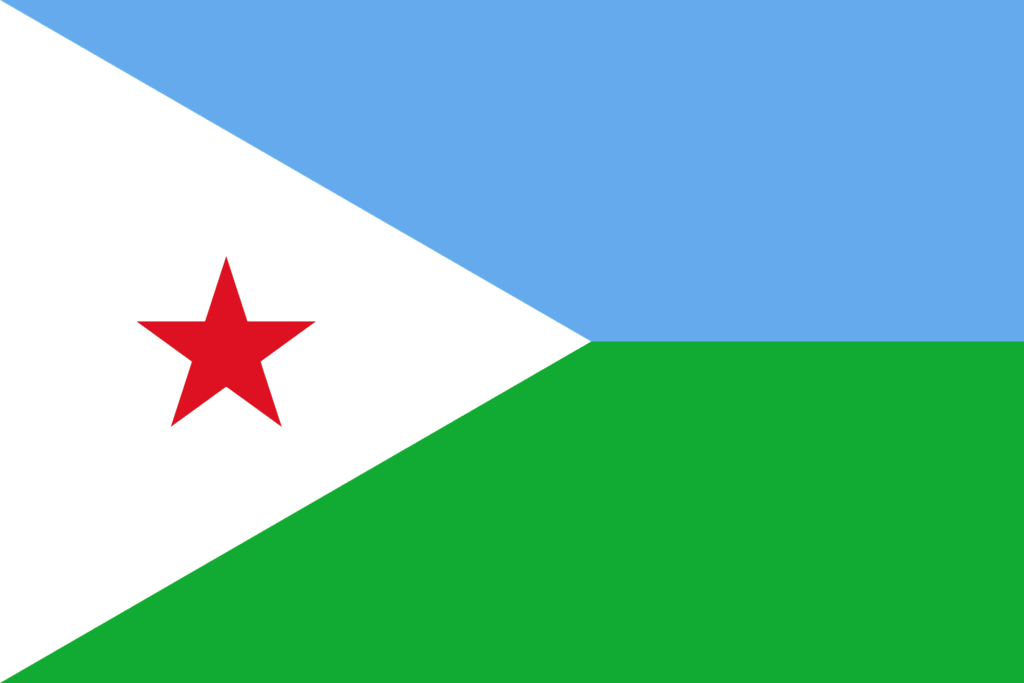
Flag: Horizontal tricolor of red, white, and blue.
Coat of Arms: Features a red lion on a blue-and-white striped shield, symbolizing courage and sovereignty.
National Anthem: “Ons Heemecht” (“Our Homeland”), emphasizing patriotism.
National Animals/Plants: Red lion (symbolic), oak trees, and other native flora.
National Flag (Detailed Section)
The flag’s horizontal stripes of red, white, and light blue date from the 19th century, inspired by the coat of arms of the Grand Duchy. Red symbolizes bravery, white purity, and light blue freedom. The flag is flown on national holidays, official events, and international ceremonies, with half-mast observed during periods of national mourning.
Flag flying days
| Date | Flag Position | Occasion or Reason |
|---|
| June 23 | Full-mast | National Day |
| National mourning days | Half-mast | Death of members of the Grand Ducal family or significant national figures |
| Public holidays | Full-mast | Official government ceremonies and commemorations |
| Cultural events | Full-mast | National festivals and heritage celebrations |