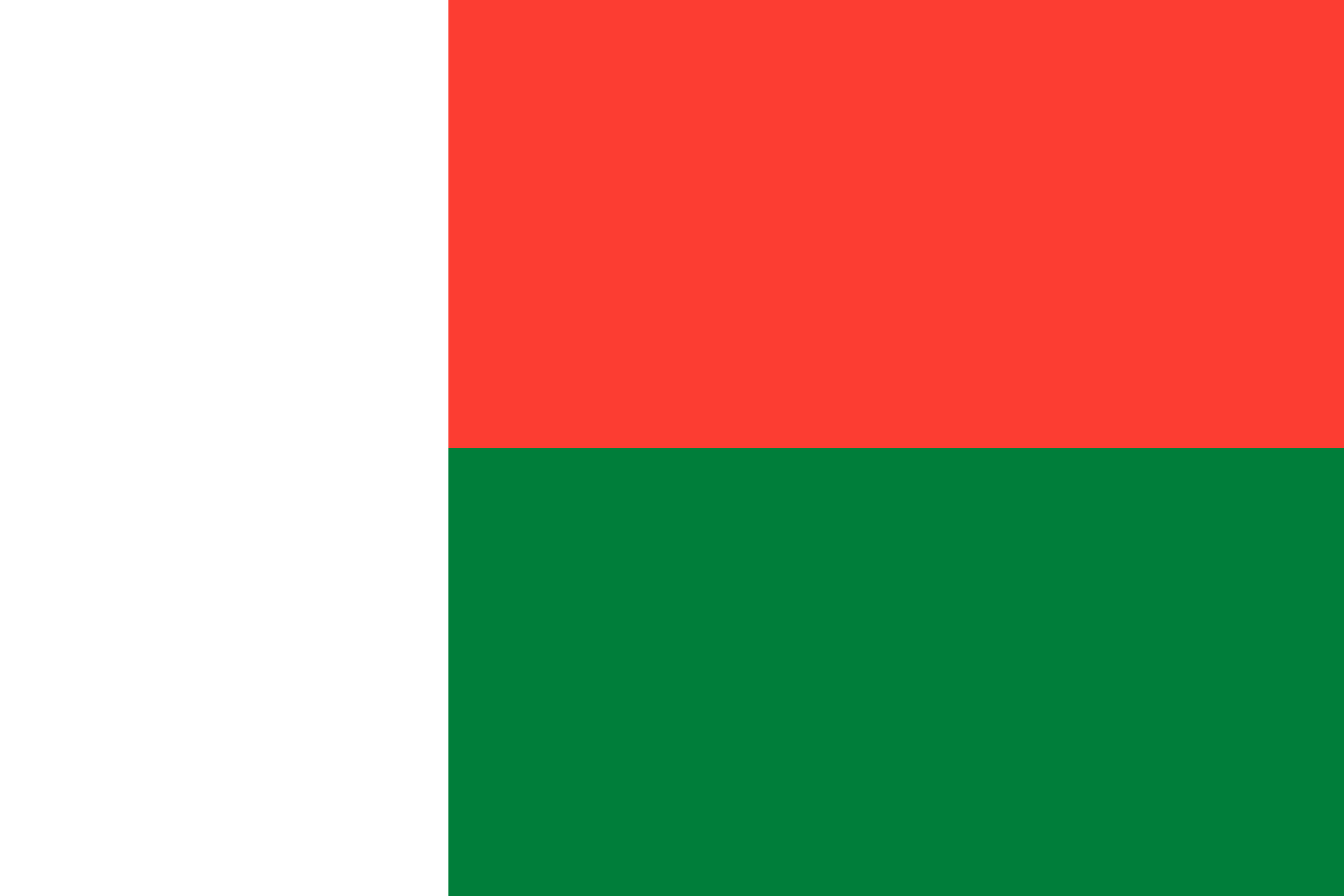
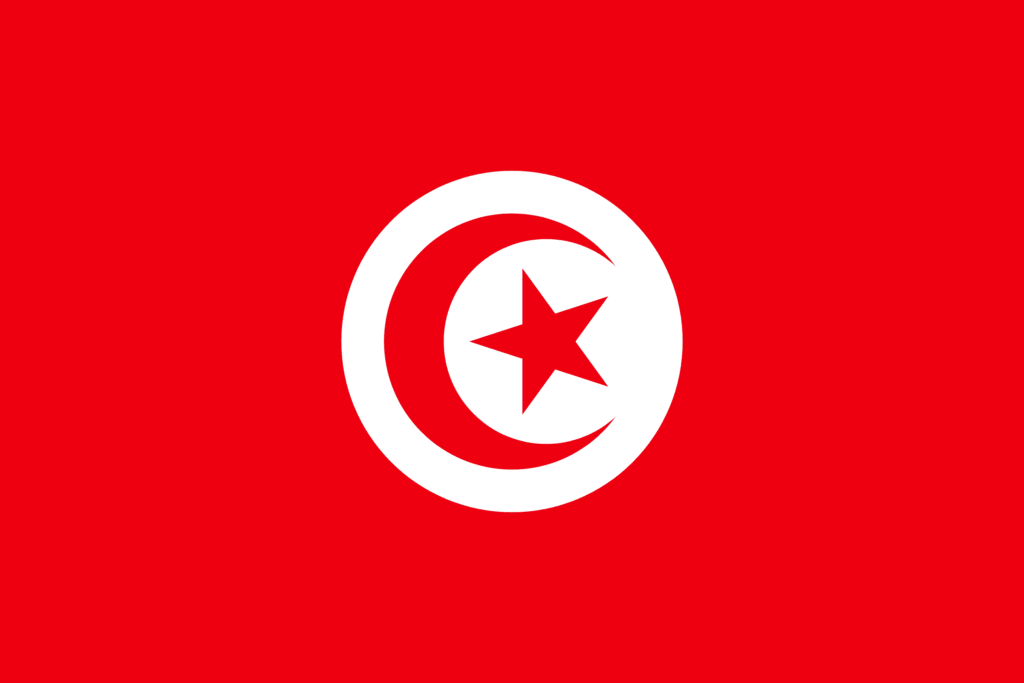
Flag of Madagascar
| Legal Name | Republic of Madagascar |
|---|---|
| Flag |
|
| Capital City |
Antananarivo |
| Total Area | Approximately 587,041 km² |
| Land Area | Approximately 581,540 km² |
| Water Area | Approximately 5,501 km² |
| Population | Approximately 29.5 million |
| Major Cities | Antananarivo (1.7 million), Toamasina (300,000), Antsirabe (265,000), Fianarantsoa (200,000), Mahajanga (200,000) |
| Currency | Malagasy Ariary (MGA) |
| GDP | Approximately USD 15.5 billion |
| GDP Per Capita | Approximately USD 520 (Nominal) |
About of Madagascar
Madagascar is the world’s fourth-largest island, located in the Indian Ocean, approximately 400 km off the southeastern coast of Africa. It lies within the southwestern Indian Ocean region and is part of the African continent’s maritime sphere. The island’s strategic location along key shipping lanes contributes to its geopolitical importance and maritime access.
The country has no land borders due to its island status. Its coastline stretches for about 4,828 kilometers, punctuated by numerous bays, harbors, and coral reefs. The capital, Antananarivo, is the political, economic, and cultural hub, while cities such as Toamasina serve as vital ports for international trade. Madagascar has a predominantly rural population with agriculture as the mainstay of the economy, complemented by mining and tourism.
Internationally, Madagascar is recognized as a sovereign nation within the United Nations, African Union, and the Indian Ocean Commission. Its unique biodiversity and cultural heritage have made it a focus of global environmental and scientific interest, positioning it strategically in regional ecological and conservation initiatives.
Etymology
The name “Madagascar” was popularized by European explorers, particularly Marco Polo, although its origins are debated. Locally, the island is called “Madagasikara” in Malagasy. Historical accounts suggest that the name derives from early European misidentification, possibly confusing the island with Mogadishu on the East African coast. Over centuries, “Madagascar” became the internationally recognized name while retaining the Malagasy form domestically.
History
Prehistoric and Ancient Civilizations
Madagascar was settled approximately 2,000 years ago by Austronesian peoples from Southeast Asia, followed by Bantu migrants from mainland Africa. These early settlers introduced agriculture, navigation, and ironworking.
Classical and Medieval Periods
Distinct kingdoms emerged along the coast and highlands, including the Merina, Betsimisaraka, and Sakalava. Trade networks with Arab, Indian, and later European merchants facilitated commerce in spices, slaves, and precious woods.
Colonial Rule
The French colonized Madagascar in 1896, establishing the island as a colony within the French Empire. French governance modernized infrastructure and introduced education, while also exploiting natural resources and enforcing labor systems.
Independence Movement
Nationalist movements grew throughout the 20th century. Madagascar gained full independence on June 26, 1960, under President Philibert Tsiranana. Post-independence, political instability and military coups marked the nation’s early years.
Modern Developments
Since the 1990s, Madagascar has transitioned through multiple constitutional governments, with periodic political crises affecting governance and economic stability. The nation continues to pursue democratic reforms, infrastructure development, and conservation of its unique natural heritage.
Government and Politics
Madagascar is a semi-presidential republic with a multi-party system. The President serves as head of state and shares executive powers with the Prime Minister. Legislative authority resides in a bicameral parliament consisting of the National Assembly and the Senate. The judiciary is independent, overseeing civil, criminal, and constitutional matters.
Administratively, Madagascar is divided into 22 regions (faritra), which are further subdivided into districts. The country maintains diplomatic relations globally and participates in organizations including the UN, African Union, and Indian Ocean Commission. The defense forces focus on internal security, maritime patrol, and disaster response.
Economy
Madagascar is classified as a developing country with a predominantly agrarian economy. Agriculture provides employment for roughly 80% of the population, with rice, vanilla, coffee, cloves, and lychees as major crops. The island also produces textiles, processed foods, and handicrafts. Mining resources include graphite, chromite, ilmenite, and sapphires. Tourism, driven by wildlife and natural landscapes, contributes significantly to foreign exchange earnings.
Key trade partners include France, the United States, China, and India. Economic challenges include vulnerability to cyclones, infrastructure deficits, and poverty, though reforms and investment in eco-tourism, renewable energy, and value-added agriculture aim to improve growth prospects.
Demographics
The population of Madagascar is primarily Malagasy, with ethnic subdivisions such as Merina, Betsimisaraka, Betsileo, Sakalava, and Antandroy. Malagasy is the national language, with French widely used in administration and education. Religions include Christianity (predominantly Roman Catholic and Protestant) and traditional beliefs. About 35% of the population is urban, with most citizens residing in rural highlands and coastal regions. Population growth is moderate, with fertility rates gradually declining due to urbanization and education.
Culture and Society
Madagascar boasts a rich cultural heritage blending Austronesian and African influences. Traditional music, dance, and oral literature are integral, with instruments like the valiha (bamboo zither) central to Malagasy identity. Cuisine emphasizes rice, cassava, seafood, and local spices.
Social norms emphasize family, ancestry, and respect for elders, reflected in ceremonies such as famadihana (the turning of the bones). Festivals and public holidays include Independence Day (June 26), Martyrs’ Day, and religious celebrations. Football and rugby are popular sports, with traditional games and community events remaining central to rural life.
Education and Healthcare
The education system consists of primary, secondary, and tertiary institutions, with the University of Antananarivo as the leading higher education institution. Literacy rates are improving, though disparities exist between urban and rural areas.
Healthcare relies on public and private facilities, with significant challenges including malaria, respiratory infections, and maternal health. National health initiatives focus on vaccination, malaria prevention, and strengthening rural healthcare infrastructure.
Geography and Climate
Madagascar features a central highland plateau flanked by coastal plains and escarpments, with rivers such as the Betsiboka and Mangoky. The island experiences tropical to subtropical climates, with a hot, rainy season from November to April and a cooler, dry season from May to October. Natural hazards include cyclones, droughts, and soil erosion. Environmental concerns focus on deforestation, habitat loss, and conservation of unique ecosystems.
Flora and Fauna
Madagascar is globally renowned for its biodiversity, with over 90% of its wildlife endemic. Unique plant species include baobabs, palms, and orchids. Wildlife includes lemurs, chameleons, fossas, and diverse bird species. National parks such as Andasibe-Mantadia, Ranomafana, and Isalo protect habitats and support ecotourism. Conservation programs address deforestation, hunting, and preservation of endangered species.
Map of Madagascar
Flag: White vertical stripe, red and green horizontal stripes.
Coat of Arms: Features the zebu (cattle), a radiant sun, and national motto “Fitiavana—Tanindrazana—Fandrosoana” (Love—Fatherland—Progress).
National Anthem: “Ry Tanindrazanay malala ô” emphasizes patriotism and unity.
National Animals/Plants: Ring-tailed lemur, radiated tortoise, baobab tree, and endemic orchids.
National Flag (Detailed Section)
Adopted in 1958 prior to independence, the flag’s white stripe symbolizes purity and peace, red represents sovereignty and struggle for independence, and green reflects hope and the country’s lush environment. Flag protocol dictates its display on national holidays, government ceremonies, and mourning periods when flown at half-mast.
Flag flying days
| Date | Flag Position | Occasion or Reason |
|---|
| June 26 | Full-mast | Independence Day |
| National mourning days | Half-mast | Death of prominent leaders or national tragedies |
| Public holidays | Full-mast | Government celebrations and commemorations |
| Cultural festivals | Full-mast | National heritage events |