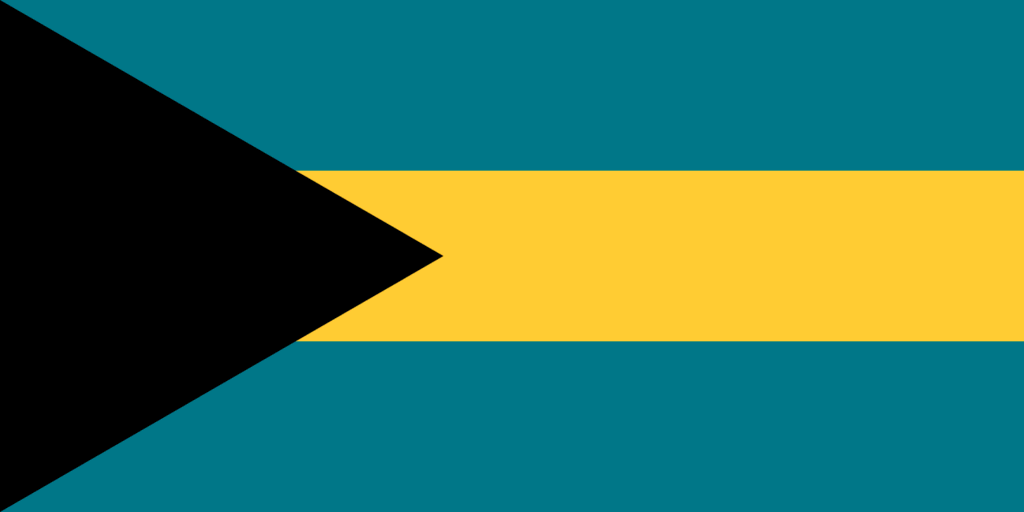
Flag of Papua New Guinea
| Legal Name | Independent State of Papua New Guinea |
|---|---|
| Flag |
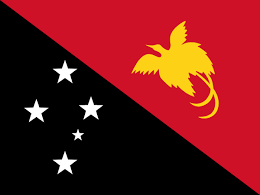
|
| Capital City |
Port Moresby |
| Total Area | 462,840 km² |
| Land Area | 452,860 km² |
| Water Area | 9,980 km² |
| Population | Approximately 9.5 million |
| Major Cities | Port Moresby (~400,000), Lae (~100,000), Mount Hagen (~50,000), Madang (~35,000) |
| Currency | Papua New Guinean Kina (PGK) |
| GDP | USD 26.5 billion |
| GDP Per Capita | USD 8,130 (PPP) |
About of Papua New Guinea
Papua New Guinea (PNG) occupies the eastern half of the island of New Guinea in Oceania, along with numerous offshore islands. It shares a land border with Indonesia to the west and is surrounded by the Pacific Ocean, the Bismarck Sea, and the Coral Sea. Its terrain is dominated by mountainous highlands, dense tropical rainforests, and extensive river systems, making it one of the most biologically diverse nations in the world.
The capital, Port Moresby, serves as the administrative and economic center, while Lae is a major industrial and port city. PNG’s population is ethnically diverse, primarily composed of Melanesians, with Polynesian, Micronesian, and European minorities. The country is a sovereign state and member of the United Nations, Pacific Islands Forum, Commonwealth of Nations, and other regional organizations. Strategically, its location near vital maritime routes and rich natural resources gives PNG geopolitical significance in Pacific security and regional development.
Etymology
The name “Papua New Guinea” combines “Papua”, a term derived from Malay/Portuguese meaning “frizzy-haired”, referring to the indigenous Melanesian peoples, and “New Guinea”, named by Spanish explorer Yñigo Ortiz de Retez in 1545 for its resemblance to the Guinea region in Africa. The term has endured through colonial periods and independence, reflecting both geographic and cultural identity.
History
Prehistoric and Ancient Civilizations
Archaeological evidence shows human habitation dating back 50,000 years, with early settlers developing stone tools, agriculture, and complex tribal societies.
Classical and Medieval Periods
The highlands and coastal regions hosted diverse tribal communities with trade networks, cultural exchange, and oral traditions. There were no large centralized empires, but distinct linguistic and cultural groups thrived.
Colonial or Imperial Rule
In the 19th century, PNG became a focus of European exploration and colonization. The northeastern region was claimed by Germany (German New Guinea), while the southeastern region, including Port Moresby, was annexed by Britain as the Territory of Papua. Following World War I, German New Guinea became an Australian mandate under the League of Nations.
Independence Movement
After decades of Australian administration and gradual self-governance, Papua New Guinea gained full independence on September 16, 1975, with Michael Somare serving as the first Prime Minister.
Key Post-Independence Events
Post-independence challenges included Bougainville secessionist conflict (1988–1998), economic development issues, and balancing traditional governance with modern state institutions. PNG has remained politically stable since the early 2000s, emphasizing resource development, regional diplomacy, and social services.
Government and Politics
Papua New Guinea is a constitutional monarchy within the Commonwealth, recognizing King Charles III as head of state, represented by a Governor-General.
Executive: Prime Minister leads the government and cabinet.
Legislative: Unicameral National Parliament with 111 members elected for five-year terms.
Judiciary: Independent, based on common law with provisions for customary law.
Administrative Divisions: 22 provinces, the Autonomous Region of Bougainville, and the National Capital District.
Foreign Relations: Active in Pacific diplomacy, maintains relations with Australia, New Zealand, China, and the United Nations.
Defense: PNG Defence Force focuses on internal security, disaster response, and regional cooperation.
Economy
Papua New Guinea has a developing, resource-based economy:
Major Industries: Mining (gold, copper), oil and gas, timber, fisheries, and agriculture.
Agriculture: Coffee, cocoa, palm oil, root crops, and subsistence farming dominate rural economies.
Services: Retail, transportation, and government services provide employment in urban centers.
Natural Resources: Rich in minerals, oil, natural gas, forests, and fisheries.
Trade Partners: Australia, China, Japan, the US, and ASEAN countries.
Economic Challenges: Infrastructure development, inequality, rural poverty, and climate vulnerability.
Future Outlook: Investment in resource extraction, renewable energy, and tourism could strengthen the economy.
Demographics
Population Composition: Predominantly Melanesian (~96%), with Polynesian and Micronesian minorities.
Languages: Over 850 indigenous languages; Tok Pisin, Hiri Motu, and English serve as lingua franca.
Religions: Predominantly Christian, with small groups practicing indigenous beliefs.
Urban vs Rural: Approximately 13–15% urban, majority in rural highlands and coastal areas.
Population Trends: High birth rate, relatively low life expectancy, and internal migration patterns influence growth.
Culture and Society
Papua New Guinea has remarkable cultural diversity, with over 1,000 distinct cultural groups:
Arts: Woodcarving, weaving, ceremonial masks, and body adornment.
Music & Dance: Traditional drumming, singing, and ritual dances.
Cuisine: Root crops (taro, yam), sago, seafood, and local vegetables; bush meats in some regions.
Social Norms: Clan-based communities, strong emphasis on customary law, and community cooperation.
Festivals: Goroka Show, Mount Hagen Cultural Show, and Mask Festivals celebrate cultural heritage.
Sports: Rugby league is the most popular; soccer, basketball, and volleyball are also widely played.
Education and Healthcare
Education: Compulsory primary education; secondary and tertiary education available in urban centers.
Literacy Rate: Approximately 64–70% among adults.
Healthcare: Public system supplemented by mission hospitals; challenges include maternal health, infectious diseases, and remote access.
Public Health Achievements: Expanded immunization programs and malaria control initiatives.
Geography and Climate
Physical Geography: Mountainous interior, dense rainforests, coastal plains, river valleys, and coral atolls. Highlands form the spine of the island.
Climate Zones: Tropical, humid along coasts; cooler in highlands; monsoonal rainfall patterns.
Natural Hazards: Earthquakes, volcanic eruptions, tsunamis, flooding, and cyclones.
Environmental Concerns: Deforestation, habitat loss, mining impacts, and vulnerability to climate change.
Flora and Fauna
PNG is a biodiversity hotspot:
Plants: Rainforest trees, orchids, ferns, sago palms, and endemic species.
Wildlife: Birds-of-paradise, tree kangaroos, cassowaries, frogs, and reptiles.
Conservation: Protected areas include Varirata National Park, Sepik wetlands, and Madang rainforests, supporting ecotourism and biodiversity preservation.
Map of Papua New Guinea
Papua New Guinea (PNG) occupies the eastern half of the island of New Guinea in Oceania, along with numerous offshore islands. It shares a land border with Indonesia to the west and is surrounded by the Pacific Ocean, the Bismarck Sea, and the Coral Sea. Its terrain is dominated by mountainous highlands, dense tropical rainforests, and extensive river systems, making it one of the most biologically diverse nations in the world.
The capital, Port Moresby, serves as the administrative and economic center, while Lae is a major industrial and port city. PNG’s population is ethnically diverse, primarily composed of Melanesians, with Polynesian, Micronesian, and European minorities. The country is a sovereign state and member of the United Nations, Pacific Islands Forum, Commonwealth of Nations, and other regional organizations. Strategically, its location near vital maritime routes and rich natural resources gives PNG geopolitical significance in Pacific security and regional development.
Etymology
The name “Papua New Guinea” combines “Papua”, a term derived from Malay/Portuguese meaning “frizzy-haired”, referring to the indigenous Melanesian peoples, and “New Guinea”, named by Spanish explorer Yñigo Ortiz de Retez in 1545 for its resemblance to the Guinea region in Africa. The term has endured through colonial periods and independence, reflecting both geographic and cultural identity.
History
Prehistoric and Ancient Civilizations
Archaeological evidence shows human habitation dating back 50,000 years, with early settlers developing stone tools, agriculture, and complex tribal societies.
Classical and Medieval Periods
The highlands and coastal regions hosted diverse tribal communities with trade networks, cultural exchange, and oral traditions. There were no large centralized empires, but distinct linguistic and cultural groups thrived.
Colonial or Imperial Rule
In the 19th century, PNG became a focus of European exploration and colonization. The northeastern region was claimed by Germany (German New Guinea), while the southeastern region, including Port Moresby, was annexed by Britain as the Territory of Papua. Following World War I, German New Guinea became an Australian mandate under the League of Nations.
Independence Movement
After decades of Australian administration and gradual self-governance, Papua New Guinea gained full independence on September 16, 1975, with Michael Somare serving as the first Prime Minister.
Key Post-Independence Events
Post-independence challenges included Bougainville secessionist conflict (1988–1998), economic development issues, and balancing traditional governance with modern state institutions. PNG has remained politically stable since the early 2000s, emphasizing resource development, regional diplomacy, and social services.
Government and Politics
Papua New Guinea is a constitutional monarchy within the Commonwealth, recognizing King Charles III as head of state, represented by a Governor-General.
Executive: Prime Minister leads the government and cabinet.
Legislative: Unicameral National Parliament with 111 members elected for five-year terms.
Judiciary: Independent, based on common law with provisions for customary law.
Administrative Divisions: 22 provinces, the Autonomous Region of Bougainville, and the National Capital District.
Foreign Relations: Active in Pacific diplomacy, maintains relations with Australia, New Zealand, China, and the United Nations.
Defense: PNG Defence Force focuses on internal security, disaster response, and regional cooperation.
Economy
Papua New Guinea has a developing, resource-based economy:
Major Industries: Mining (gold, copper), oil and gas, timber, fisheries, and agriculture.
Agriculture: Coffee, cocoa, palm oil, root crops, and subsistence farming dominate rural economies.
Services: Retail, transportation, and government services provide employment in urban centers.
Natural Resources: Rich in minerals, oil, natural gas, forests, and fisheries.
Trade Partners: Australia, China, Japan, the US, and ASEAN countries.
Economic Challenges: Infrastructure development, inequality, rural poverty, and climate vulnerability.
Future Outlook: Investment in resource extraction, renewable energy, and tourism could strengthen the economy.
Demographics
Population Composition: Predominantly Melanesian (~96%), with Polynesian and Micronesian minorities.
Languages: Over 850 indigenous languages; Tok Pisin, Hiri Motu, and English serve as lingua franca.
Religions: Predominantly Christian, with small groups practicing indigenous beliefs.
Urban vs Rural: Approximately 13–15% urban, majority in rural highlands and coastal areas.
Population Trends: High birth rate, relatively low life expectancy, and internal migration patterns influence growth.
Culture and Society
Papua New Guinea has remarkable cultural diversity, with over 1,000 distinct cultural groups:
Arts: Woodcarving, weaving, ceremonial masks, and body adornment.
Music & Dance: Traditional drumming, singing, and ritual dances.
Cuisine: Root crops (taro, yam), sago, seafood, and local vegetables; bush meats in some regions.
Social Norms: Clan-based communities, strong emphasis on customary law, and community cooperation.
Festivals: Goroka Show, Mount Hagen Cultural Show, and Mask Festivals celebrate cultural heritage.
Sports: Rugby league is the most popular; soccer, basketball, and volleyball are also widely played.
Education and Healthcare
Education: Compulsory primary education; secondary and tertiary education available in urban centers.
Literacy Rate: Approximately 64–70% among adults.
Healthcare: Public system supplemented by mission hospitals; challenges include maternal health, infectious diseases, and remote access.
Public Health Achievements: Expanded immunization programs and malaria control initiatives.
Geography and Climate
Physical Geography: Mountainous interior, dense rainforests, coastal plains, river valleys, and coral atolls. Highlands form the spine of the island.
Climate Zones: Tropical, humid along coasts; cooler in highlands; monsoonal rainfall patterns.
Natural Hazards: Earthquakes, volcanic eruptions, tsunamis, flooding, and cyclones.
Environmental Concerns: Deforestation, habitat loss, mining impacts, and vulnerability to climate change.
Flora and Fauna
PNG is a biodiversity hotspot:
Plants: Rainforest trees, orchids, ferns, sago palms, and endemic species.
Wildlife: Birds-of-paradise, tree kangaroos, cassowaries, frogs, and reptiles.
Conservation: Protected areas include Varirata National Park, Sepik wetlands, and Madang rainforests, supporting ecotourism and biodiversity preservation.
Realted Flags
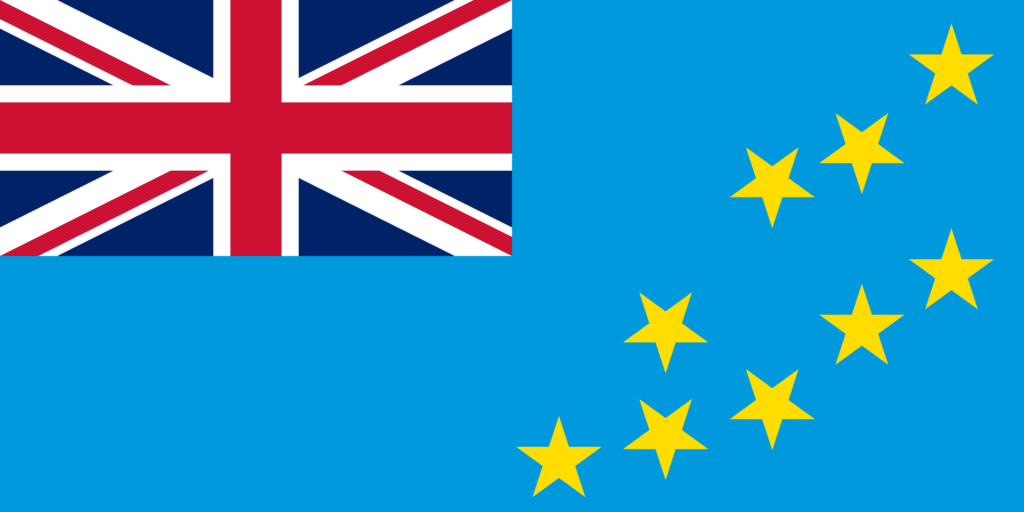
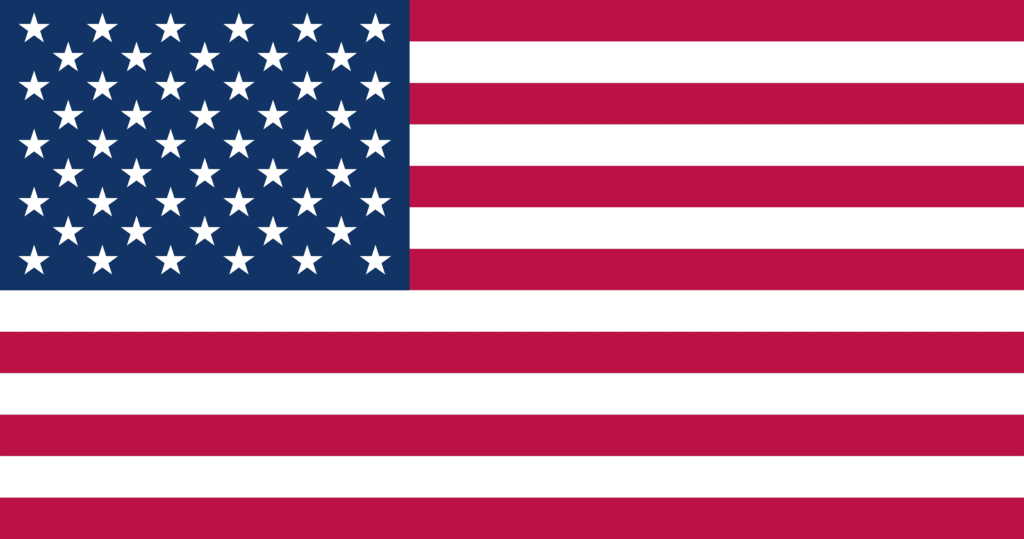
Flag flying days
| Date | Flag Position | Occasion / Reason |
|---|
| 16 September | Full-mast | Independence Day |
| National Mourning | Half-mast | Death of national leaders or national tragedies |
| Cultural Festivals | Full-mast | Celebrations like Goroka Show or Mount Hagen Show |
| Other Civic Holidays | Full-mast | Regional or provincial commemorations |