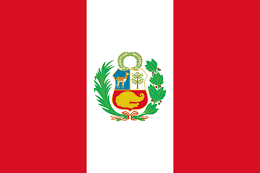
Flag of Peru
| Legal Name | Republic of Peru |
|---|---|
| Flag |
|
| Capital City |
Lima |
| Total Area | 1,285,216 km² |
| Land Area | 1,285,216 km² |
| Water Area | Approximately 21,000 km² (lakes, rivers) |
| Population | Approximately 34 million |
| Major Cities | Lima (~9.8M), Arequipa (~1.1M), Trujillo (~0.9M), Chiclayo (~0.6M), Piura (~0.5M) |
| Currency | Peruvian Sol (PEN) |
| GDP | USD 232 billion |
| GDP Per Capita | USD 21,500 (PPP) |
About of Peru
Peru is a sovereign nation located in western South America, bounded by the Pacific Ocean to the west, Ecuador and Colombia to the north, Brazil to the east, Bolivia to the southeast, and Chile to the south. Its geography is remarkably diverse, encompassing the coastal plains, the Andean highlands, and the Amazon rainforest, which collectively influence its climate, culture, and economy.
The capital and largest city, Lima, serves as the political, cultural, and economic heart of the nation, hosting major government institutions and international businesses. Other significant urban centers include Arequipa, Trujillo, and Cusco, the latter of which is historically notable as the former capital of the Inca Empire. Peru’s population exceeds 34 million, reflecting a mix of indigenous, mestizo, European, African, and Asian ancestries, contributing to a vibrant cultural mosaic.
Peru is internationally recognized as a sovereign democratic republic, participating actively in global organizations such as the United Nations, Organization of American States, Pacific Alliance, and World Trade Organization. Strategically, Peru plays a vital role in South American trade, particularly in mining, agriculture, and maritime commerce, while its biodiversity and cultural heritage position it as a center for tourism and conservation.
Etymology
The name “Peru” originates from “Birú”, a local ruler or region encountered by Spanish explorers in the early 16th century. Spanish colonizers adopted this term to refer to the broader territory. Linguistically, the name evolved from “Birú” → “Perú”, which became standardized during the colonial period and retained through independence in 1821. The term reflects both indigenous origins and European influence, encapsulating Peru’s historical encounter with Spanish colonization.
History
Prehistoric and Ancient Civilizations
Human presence in Peru dates back over 12,000 years, with archaeological evidence of hunter-gatherer groups along the coastal and Andean regions. Complex societies such as the Caral-Supe civilization (circa 3000 BCE) developed early urban centers, agriculture, and monumental architecture.
Classical and Medieval Periods
By the first millennium CE, civilizations such as the Moche, Nazca, Wari, and Chavín flourished, leaving rich artistic, architectural, and technological legacies. These cultures developed advanced irrigation, ceramics, textiles, and monumental stone constructions.
Inca Empire
The Inca Empire (c. 1438–1533) was the largest pre-Columbian civilization in the Americas, with its capital at Cusco. The Incas implemented centralized governance, road networks, terrace agriculture, and sophisticated astronomy, creating a complex socio-political system.
Colonial Rule
Spanish conquistadors, led by Francisco Pizarro, arrived in 1532, toppling the Inca Empire. Peru became the center of the Viceroyalty of Peru, a key colonial hub for silver mining (notably in Potosí, modern Bolivia) and transatlantic trade. Spanish influence shaped language, religion, architecture, and governance.
Independence Movement
Inspired by revolutionary movements across Latin America, Peruvian leaders such as José de San Martín and Simón Bolívar led independence campaigns. Peru declared independence on July 28, 1821, though complete liberation from Spanish control required military campaigns culminating in 1824.
Post-Independence
The 19th and 20th centuries saw political instability, territorial conflicts (e.g., War of the Pacific 1879–1884), and democratic transitions. In recent decades, Peru has experienced economic liberalization, increased trade, and political reforms, though it faces challenges such as corruption, social inequality, and regional tensions.
Government and Politics
Type of Government: Unitary presidential republic
Constitution: 1993 Constitution guarantees separation of powers and civil liberties
Executive: President serves as head of state and government, elected for a five-year term; Council of Ministers assists in governance
Legislative: Unicameral Congress of the Republic with 130 members
Judiciary: Independent, with Supreme Court, Constitutional Court, and lower courts
Administrative Divisions: 25 regions (departamentos), subdivided into provinces and districts
Foreign Relations: Member of UN, OAS, Pacific Alliance, WTO; active in regional diplomacy
Defense: Peruvian Armed Forces consist of Army, Navy, and Air Force; responsible for territorial defense and disaster response
Economy
Economic Classification: Upper-middle-income developing country
Major Industries: Mining (copper, gold, silver, zinc), manufacturing, agriculture, fishing, tourism
Agriculture: Coffee, potatoes, corn, quinoa, asparagus, and sugarcane
Manufacturing: Food processing, textiles, chemicals, metals
Services: Finance, tourism, retail, logistics
Natural Resources: Rich mineral deposits, fisheries, petroleum, natural gas, forests
Trade Partners: China, United States, Brazil, Chile, European Union
Challenges: Poverty, inequality, informal economy, dependence on commodity exports
Outlook: Diversification of industry, infrastructure modernization, sustainable mining, tourism development
Demographics
Population Composition: Approx. 34 million; growing urban population
Ethnic Groups: Mestizo (~60%), Indigenous (~25%), European (~5%), Afro-Peruvian (~3%), Asian (~2%)
Languages: Spanish (official), Quechua, Aymara, and other indigenous languages
Religions: Predominantly Roman Catholic (~76%), Protestant (~15%), other faiths and indigenous beliefs
Urban vs Rural: ~79% urban, concentrated in Lima, Arequipa, Trujillo
Population Growth: Moderate growth, declining fertility, high internal migration to cities
Culture and Society
Cultural Heritage: Blend of indigenous, Spanish, African, and Asian influences
National Identity: Pride in Inca heritage, multicultural traditions, resilience
Arts & Music: Andean music, Afro-Peruvian rhythms, traditional dance, visual arts
Cuisine: Ceviche, lomo saltado, anticuchos, cuy, pachamanca; regional culinary diversity
Social Norms: Family-oriented, strong community ties, respect for elders
Festivals: Inti Raymi, Semana Santa, Fiesta de la Virgen de la Candelaria, Independence Day (July 28)
Sports & Recreation: Soccer, volleyball, surfing, Andean traditional sports
Education and Healthcare
Education System: Primary, secondary, tertiary institutions; public and private schools
Literacy Rate: Approximately 94%
Healthcare System: Mix of public and private hospitals; universal health coverage initiatives
Public Health Challenges: Infectious diseases, malnutrition, maternal and child health, access in remote areas
Geography and Climate
Physical Geography: Coastal desert, Andean highlands, Amazon rainforest, lakes (Titicaca), rivers (Amazon tributaries)
Climate Zones: Desert (coast), highland (Andes), tropical rainforest (Amazon), seasonal variation by region
Natural Hazards: Earthquakes, volcanic eruptions, landslides, El Niño-related flooding, droughts
Environmental Concerns: Deforestation, mining impact, water pollution, biodiversity loss
Flora and Fauna
Biodiversity: Among the world’s most biologically diverse nations
Native Plants: Quinoa, potatoes, orchids, coca, tropical hardwoods
Wildlife: Jaguars, llamas, alpacas, spectacled bears, vicuñas, diverse bird species
National Parks & Conservation: Manu National Park, Huascarán National Park, Tambopata Reserve, conservation of Andean and Amazon ecosystems
Map of Peru
Flag: Vertical bands of red-white-red; coat of arms for official use
Coat of Arms: Includes vicuña, cinchona tree, cornucopia; represents biodiversity, natural wealth, and national identity
National Anthem: Himno Nacional del Perú
National Animals / Plants: Vicuña, cinchona tree, Cantuta flower
National Flag (Detailed Section)
Design and Layout: Red-white-red vertical bands; official version includes the coat of arms in the center of the white band
Historical Development: Adopted in 1825 after independence; red symbolizes blood of heroes, white represents peace and purity
Symbolism: Red for valor and courage, white for purity and peace, coat of arms represents nation’s wealth and biodiversity
Flag Protocol: Flown at government buildings, schools, and during national ceremonies; half-mast during mourning
Flag Usage: Civic, ceremonial, and educational purposes, representing national pride
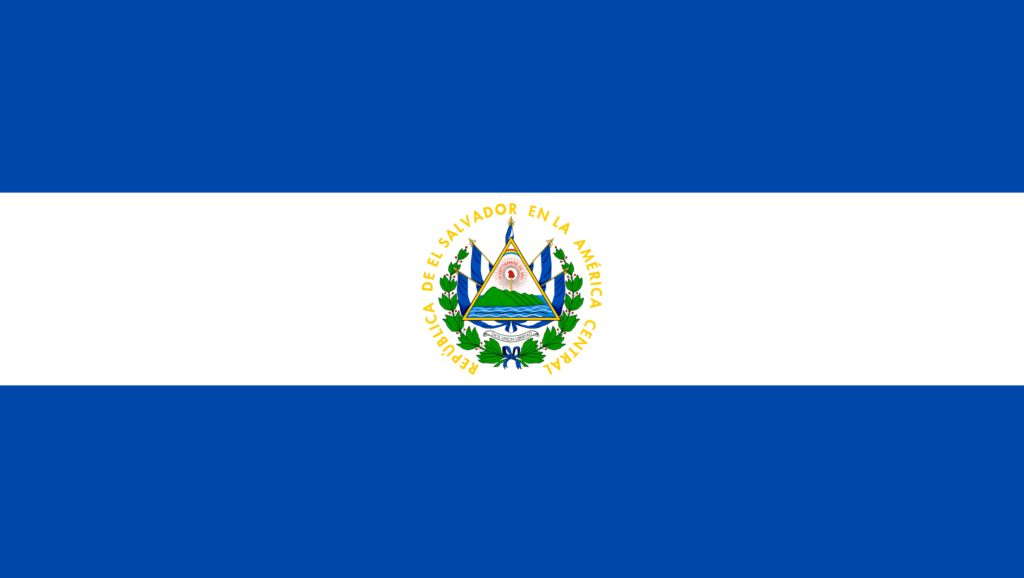
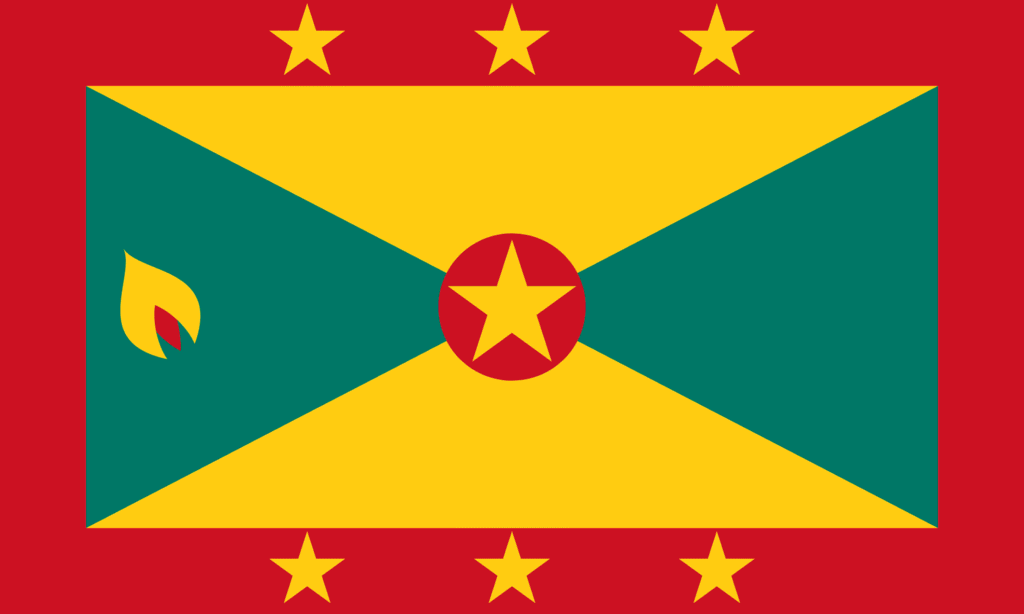
Realted Flags
Flag flying days
| Date | Flag Position | Occasion / Reason |
|---|
| July 28 | Full-mast | Independence Day |
| July 29 | Full-mast | Armed Forces and National Police Day |
| August 30 | Full-mast | Santa Rosa de Lima Day |
| October 8 | Full-mast | Battle of Angamos anniversary |
| National Mourning | Half-mast | Death of national leaders or tragedies |