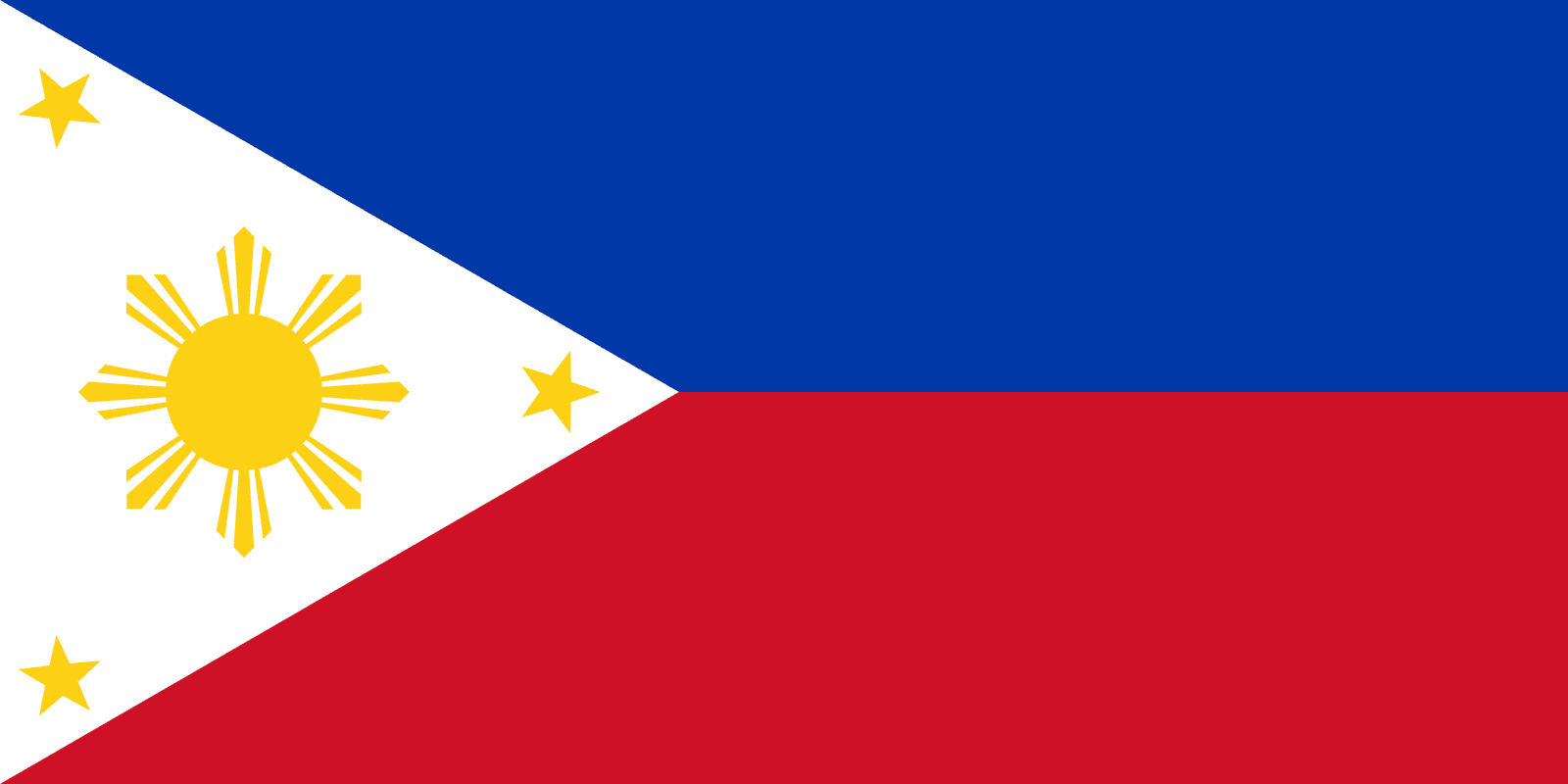
Flag of Philippines
| Legal Name | Republic of the Philippines |
|---|---|
| Flag |
|
| Capital City |
Manila |
| Total Area | 300,000 km² |
| Land Area | 298,170 km² |
| Water Area | 1,830 km² |
| Population | Approximately 114 million |
| Major Cities | Quezon City (~2.9M), Manila (~1.8M), Davao (~1.6M), Cebu City (~1M), Zamboanga (~0.9M) |
| Currency | Philippine Peso (PHP) |
| GDP | USD 422 billion |
| GDP Per Capita | USD 9,500 (PPP) |
About of Philippines
The Philippines is an archipelagic nation situated in Southeast Asia, in the western Pacific Ocean. It comprises 7,641 islands grouped into three main geographical divisions: Luzon, Visayas, and Mindanao. Its strategic location between the South China Sea and the Pacific Ocean makes it a key maritime nation and regional hub for trade and logistics.
The country shares maritime boundaries with Taiwan, Vietnam, Malaysia, Indonesia, and Palau, with no land borders due to its island nature. Its capital, Manila, is the political and historical center, while Quezon City functions as the most populous urban area and commercial hub. With a population exceeding 114 million, the Philippines is one of the most populous countries in Asia, characterized by a young demographic and a growing urban population.
Internationally, the Philippines is recognized as a sovereign democratic republic and maintains active participation in organizations such as the United Nations, ASEAN, APEC, and the World Trade Organization. Geopolitically, it holds a vital position in Southeast Asian security, trade routes, and regional diplomacy, with a long-standing alliance with the United States and strategic ties with neighboring Asian nations.
Etymology
The name “Philippines” derives from King Philip II of Spain, reflecting the archipelago’s history of Spanish colonization starting in the 16th century. Locally, the islands were historically referred to as “Las Islas Filipinas” by Spanish explorers. Over time, the term evolved into the modern English name, “Philippines,” used in both domestic and international contexts.
History
Prehistoric and Ancient Civilizations
Archaeological evidence indicates human settlement in the Philippines dating back 50,000 years, with hunter-gatherer societies and the development of austronesian agricultural communities around 3000 BCE. Early civilizations developed maritime trade networks with China, India, and other Southeast Asian polities.
Classical and Medieval Periods
By the 10th century, the islands hosted small sultanates, principalities, and kingdoms such as Tondo, Butuan, and Sulu, with vibrant trade in gold, spices, and forest products. Islamic influence spread in Mindanao and Sulu during the 13th century, establishing the Sultanate of Sulu.
Colonial and Imperial Rule
The Spanish arrived in 1521, establishing colonial rule that lasted over 300 years, introducing Christianity, centralized governance, and European cultural elements. The Philippines briefly came under British occupation (1762–1764) and then transferred to United States control after the Spanish-American War (1898). The islands were occupied by Japan during World War II (1942–1945), which led to significant devastation and resistance movements.
Independence Movement
The first national uprising against Spain occurred in 1896, followed by the Philippine Declaration of Independence in 1898, though full sovereignty was delayed by U.S. colonization. After World War II, the Philippines gained full independence on July 4, 1946 under the Treaty of Manila.
Key Post-Independence Events
The Philippines experienced multiple political phases: post-war reconstruction, martial law under Ferdinand Marcos (1972–1986), the People Power Revolution of 1986, and restoration of democratic governance. Contemporary developments include political reforms, economic modernization, and regional diplomatic engagement.
Government and Politics
Type of Government: Unitary presidential republic
Constitution: 1987 Constitution establishes a separation of powers
Executive: President (head of state and government) elected for six-year non-renewable term
Legislative: Bicameral Congress composed of Senate (upper house) and House of Representatives (lower house)
Judiciary: Independent, with Supreme Court, Court of Appeals, and lower courts
Administrative Divisions: 17 regions, 81 provinces, 146 cities, 1,488 municipalities, 42,036 barangays
Foreign Relations: ASEAN member, UN participant, U.S. mutual defense treaty, active in regional and international diplomacy
Defense: Armed Forces of the Philippines (AFP) with army, navy, and air force; focuses on territorial defense and disaster response
Economy
Classification: Emerging market, upper-middle-income country
Major Industries: Electronics, agriculture, mining, construction, and services
Agriculture: Rice, coconut, sugarcane, corn, and tropical fruits
Manufacturing: Electronics, garments, automotive components
Services: BPO industry, tourism, remittances from overseas Filipino workers (OFWs)
Natural Resources: Nickel, copper, gold, chromite, and marine resources
Trade Partners: United States, Japan, China, South Korea, EU
Challenges: Poverty reduction, infrastructure development, income inequality, vulnerability to natural disasters
Outlook: Digital economy growth, renewable energy investment, and continued integration into global trade networks
Demographics
Population Composition: Over 114 million; young and rapidly urbanizing
Ethnic Groups: Predominantly Austronesian; minority Moro, Igorot, Chinese, and other groups
Languages: Filipino (national), English (official), regional languages such as Cebuano, Ilocano, Hiligaynon
Religions: Predominantly Roman Catholic (~80%), with Protestant, Muslim (~5%), Buddhist, and indigenous beliefs
Urban vs Rural: Over 47% urbanized; metropolitan areas like Metro Manila, Cebu, and Davao dominate
Population Growth: Moderate growth, declining fertility rate, high overseas migration
Culture and Society
Cultural Heritage: Mix of Austronesian, Spanish, American, and Asian influences
National Identity: Strong sense of community, family-oriented, resilient in the face of adversity
Arts & Music: Folk dances (Tinikling), contemporary music, literary traditions, cinema
Cuisine: Rice-based meals, adobo, sinigang, lechon, regional delicacies
Social Norms: Respect for elders, religious observances, strong kinship networks
Festivals: Sinulog, Ati-Atihan, Pahiyas, Holy Week, Independence Day (June 12)
Sports & Recreation: Basketball, boxing, volleyball, indigenous games, water sports
Education and Healthcare
Education System: K–12 system, public and private schools, universities and colleges
Literacy Rate: Approximately 96%
Healthcare: Universal health programs, mix of public and private hospitals
Public Health Challenges: Infectious diseases, non-communicable diseases, malnutrition, and disaster-related health risks
Geography and Climate
Physical Geography: Archipelago of 7,641 islands; mountains, plains, volcanic regions, extensive coastline
Climate Zones: Tropical maritime climate with wet and dry seasons
Natural Hazards: Typhoons, earthquakes, volcanic eruptions, landslides, flooding
Environmental Concerns: Deforestation, coral reef degradation, biodiversity loss, climate change impacts
Flora and Fauna
Biodiversity: One of the world’s biodiversity hotspots
Native Plants: Narra, coconut, bamboo, rattan, mango
Wildlife: Philippine eagle, tarsiers, crocodiles, marine species including whale sharks
National Parks & Conservation: Tubbataha Reefs Natural Park, Puerto Princesa Subterranean River National Park, Mount Apo Natural Park
Map of Philippines
Flag: Horizontal blue and red bands with white triangle, golden sun, three stars
Coat of Arms: Golden sun, national shield, flags, and stars
National Anthem: Lupang Hinirang
National Animals / Plants: Philippine eagle, carabao, narra tree, sampaguita flower
National Flag (Detailed Section)
Design and Layout: Blue (peace) on top, red (valor) on bottom, white equilateral triangle with golden sun (8 rays for first provinces) and three stars representing Luzon, Visayas, and Mindanao
Historical Development: Adopted during the Philippine Revolution against Spain (1898)
Symbolism: Blue for peace and justice, red for courage, white for equality, golden sun for freedom, three stars for main island groups
Flag Protocol: Flown at government offices, schools, and private establishments; special regulations for half-mast during mourning
Flag Usage: National identity, ceremonial, and public displays
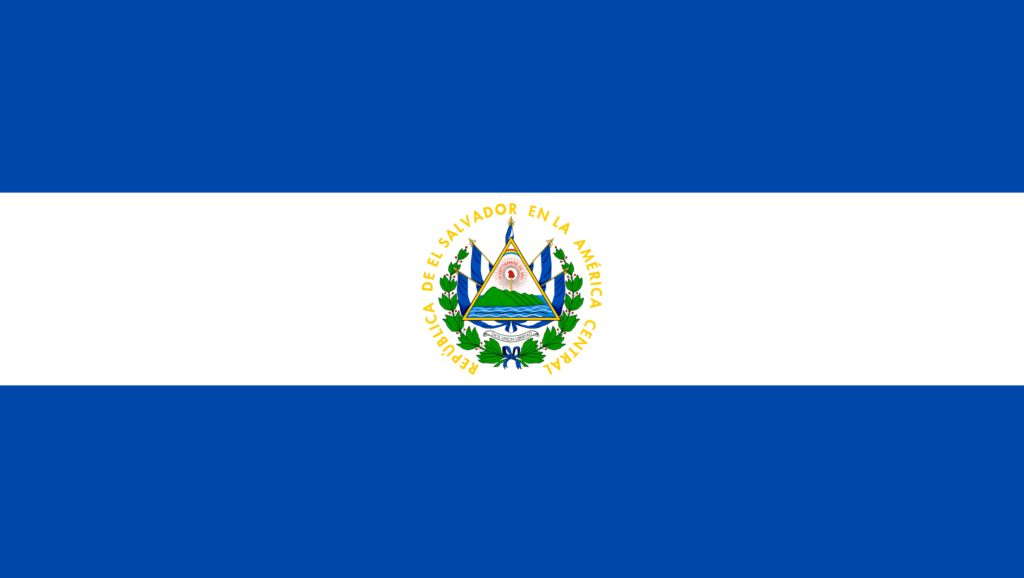
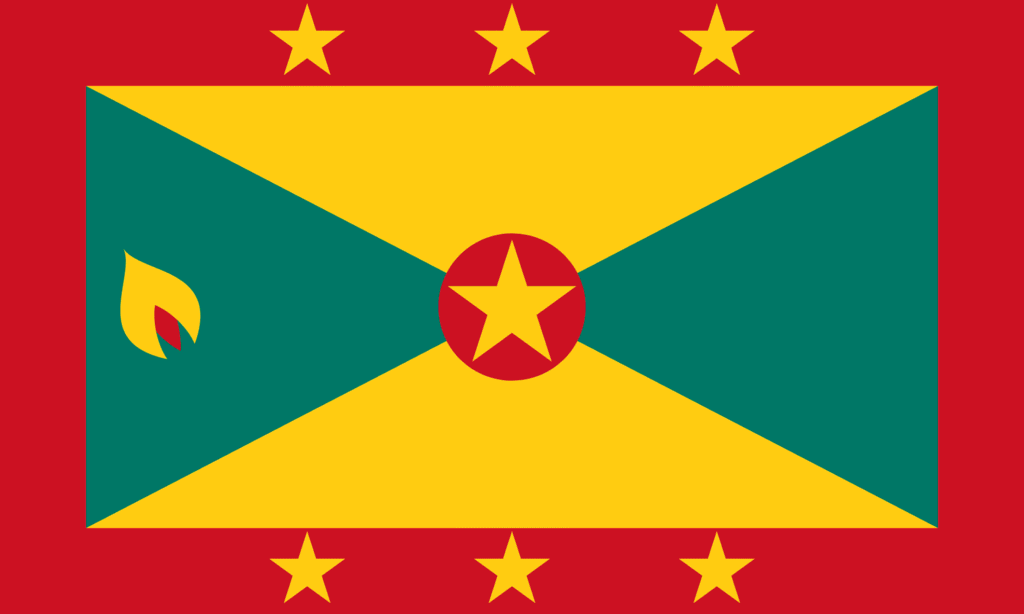
Realted Flags
Flag flying days
| Date | Flag Position | Occasion / Reason |
|---|
| June 12 | Full-mast | Independence Day |
| August 21 | Half-mast | National Day of Mourning (People Power Revolution anniversary) |
| November 30 | Full-mast | Bonifacio Day |
| National Mourning | Half-mast | Death of leaders or national tragedies |
| Regular Festivals | Full-mast | Public holidays and cultural celebrations |