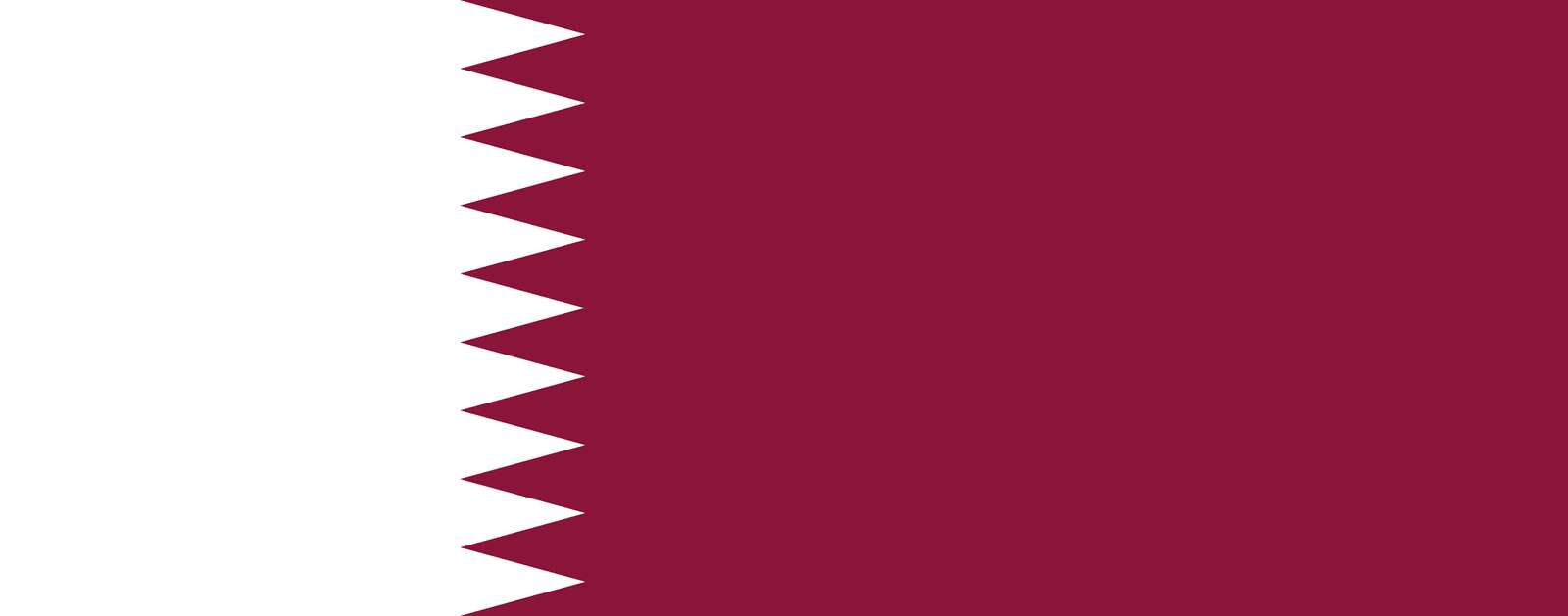
Flag of Qatar
| Legal Name | State of Qatar |
|---|---|
| Flag |
|
| Capital City |
Doha |
| Total Area | 11,571 km² |
| Land Area | 11,437 km² |
| Water Area | 134 km² |
| Population | Approximately 3.1 million |
| Major Cities | Doha (~1.5 million), Al Rayyan (~600,000), Al Wakrah (~160,000), Al Khor (~130,000), Al Shamal (~12,000) |
| Currency | Qatari Riyal (QAR) |
| GDP | USD 220 billion |
| GDP Per Capita | USD 69,000 (PPP) |
About of Pakistan
Qatar is a small, wealthy nation located on the northeastern coast of the Arabian Peninsula, extending into the Persian Gulf. Despite its compact size, Qatar holds significant geopolitical and economic influence, primarily due to its vast reserves of natural gas and oil. The country is bordered by Saudi Arabia to the south, with the rest of its territory surrounded by the Persian Gulf, providing strategic access to maritime routes.
The capital, Doha, functions as the political, cultural, and economic heart of the nation, hosting international conferences, financial institutions, and the headquarters of state-owned enterprises. Urbanization is high, with most of the population residing in Doha and its metropolitan region. Qatar’s population is highly diverse, with native Qataris comprising a minority and the majority consisting of expatriate workers from South Asia, the Middle East, and Africa. The country enjoys international recognition for its sovereignty, active diplomacy, and soft power initiatives, including hosting major sporting events and mediating regional conflicts.
Etymology
The name “Qatar” is derived from the ancient Arabic and Greek references to the peninsula, historically recorded as “Catara” or “Katr.” The term is believed to originate from the name of a local settlement or geographic feature mentioned by early travelers. Over centuries, the name evolved into “Qatar,” reflecting both the country and its inhabitants.
History
Prehistoric and Ancient Civilizations
Archaeological evidence suggests human settlement in Qatar dating back to the 3rd millennium BCE, with early inhabitants engaging in pearling, fishing, and trade. Bronze Age and Iron Age sites indicate connections with Mesopotamia and the Indus Valley.
Classical and Medieval Periods
During the 7th century CE, Qatar was incorporated into the Islamic Caliphates, which spread Arabic culture, Islam, and new governance structures. The region became part of various tribal emirates, thriving on trade, fishing, and pearling.
Colonial and Imperial Influence
From the 16th century, Qatar experienced intermittent influence from Ottoman and Portuguese forces, followed by British protection in the 19th century, which aimed to secure maritime trade and stability in the Persian Gulf.
Independence Movement
Qatar declared its independence from Britain on September 3, 1971, under the leadership of Sheikh Khalifa bin Hamad Al Thani, marking the start of full sovereignty.
Key Post-Independence Events
Post-independence, Qatar rapidly developed its oil and natural gas industries, establishing one of the highest GDP per capita globally. Modern developments include hosting international events, including the 2022 FIFA World Cup, and significant investments in infrastructure, education, and healthcare.
Government and Politics
Type of Government: Absolute monarchy
Constitution and Legal Framework: Ratified in 2004; guarantees civil liberties within Islamic law
Executive: Emir (head of state and government) appoints ministers and directs policy
Legislative: Consultative Assembly (Advisory Council) with both appointed and elected members
Judiciary: Civil, criminal, and Sharia courts; independent judicial council
Administrative Divisions: 8 municipalities (Doha, Al Rayyan, Al Wakrah, Al Khor, Umm Salal, Al Daayen, Al Shamal, Al Shahania)
Foreign Relations: Active member of the UN, GCC, OIC; mediates regional conflicts and promotes diplomacy
Defense: Qatar Armed Forces include Army, Navy, and Air Force; defense partnerships with the US and NATO allies
Economy
Economic Classification: High-income, developed economy
Major Industries: Oil and natural gas extraction, petrochemicals, finance, real estate, construction
Agriculture and Services: Limited agriculture due to arid climate; advanced services in finance, logistics, and education
Natural Resources: World’s third-largest natural gas reserves; oil reserves, desalinated water
Trade Partners: Japan, South Korea, India, China, UAE, US
Economic Challenges: Diversifying economy beyond hydrocarbons, labor rights, and sustainable development
Outlook: Continued growth through LNG exports, investments in tourism, infrastructure, and green energy
Demographics
Population Composition: ~3.1 million; Qatari nationals <15%, remainder expatriates
Ethnic Groups: Arabs, South Asians, other Middle Eastern and African communities
Languages: Arabic (official), English widely used in business and government
Religions: Islam (official, majority Sunni), small Christian, Hindu, and other communities
Urban vs Rural Population: Highly urbanized, concentrated in Doha metropolitan area
Population Growth: Rapid growth due to migration and economic opportunities
Culture and Society
Cultural Heritage: Strong Bedouin traditions, Islamic heritage, and modern cosmopolitan influences
National Identity: Pride in heritage, modernization, and global engagement
Arts & Music: Traditional Qatari music, poetry, modern art institutions (e.g., Museum of Islamic Art)
Cuisine: Majboos, harees, machboos rice dishes, seafood, dates, Arabic coffee
Social Norms: Conservative society adhering to Islamic customs; hospitality highly valued
Festivals and Public Holidays: National Day (Dec 18), Eid al-Fitr, Eid al-Adha, Qatar National Sports Day
Sports and Recreation: Soccer, camel racing, falconry, motorsport, international sporting events
Education and Healthcare
Education System: Compulsory primary and secondary education; higher education institutions including Qatar University and Education City campuses
Literacy Rate: 97%
Healthcare System: Advanced public and private healthcare facilities; focus on preventive medicine and research
Public Health Challenges: Lifestyle diseases, occupational health for expatriates, pandemic preparedness
Geography and Climate
Physical Geography: Flat desert peninsula extending into the Persian Gulf; low sand dunes, salt flats, and coastal lagoons
Climate Zones: Arid desert; extremely hot summers (up to 50°C), mild winters
Natural Hazards: Dust storms, occasional coastal flooding
Environmental Concerns: Water scarcity, air pollution, habitat degradation; extensive desalination for freshwater
Flora and Fauna
Biodiversity: Limited due to desert environment; important coastal marine ecosystems
Native Plants: Date palms, acacias, desert shrubs
Wildlife: Gazelles, oryx, Arabian fox, reptiles, migratory birds
National Parks & Conservation: Al Thakira Mangroves, Khor Al Adaid Inland Sea; conservation of marine life and desert species
Map of Qatar
Flag: Maroon with white serrated band
Coat of Arms: Two crossed white swords, palm tree, and dhow on maroon background
National Anthem: As-Salam al-Amiri
National Animals / Plants: Arabian oryx (national animal), date palm (national plant)
National Flag (Detailed Section)
Design and Layout: Maroon field with nine-point white serrated band along hoist
Historical Development: Adopted in 1971 after independence; evolved from early Ottoman-influenced flags
Symbolism: Maroon for bloodshed in historical conflicts, white for peace, nine serrated points symbolize Qatar as the 9th member of the reconciled Gulf states
Flag Protocol: Displayed at government institutions, schools, public events; half-mast during national mourning or regional tragedies
Flag Usage: Official ceremonies, sporting events, and international representation
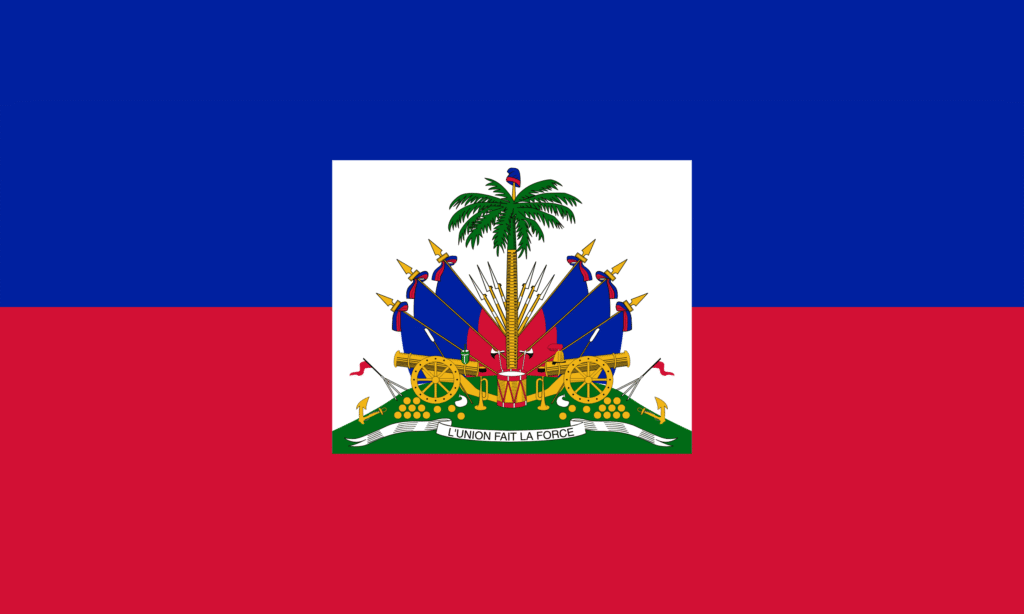
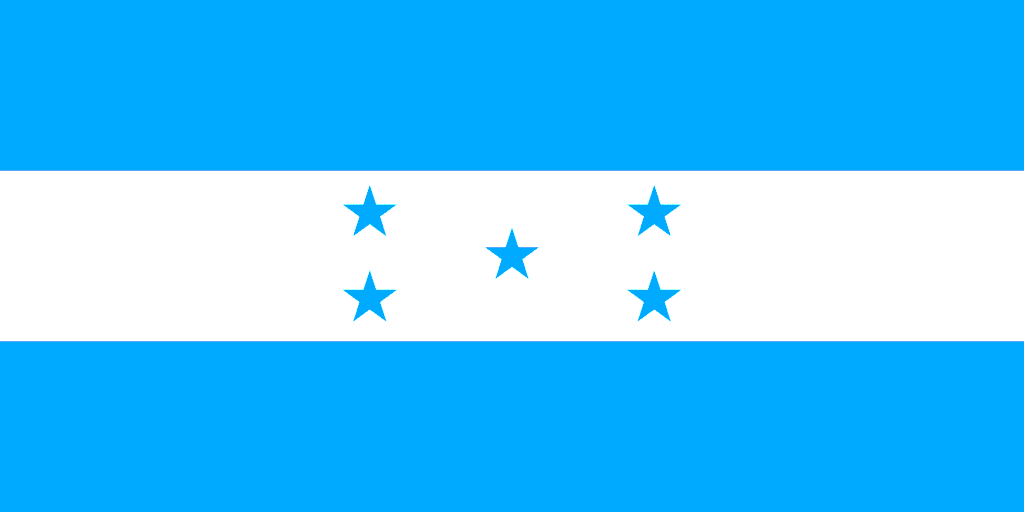
Realted Flags
Flag flying days
| Date | Flag Position | Occasion / Reason |
|---|---|---|
| December 18 | Full-mast | National Day (Independence) |
| Eid al-Fitr | Full-mast | Islamic festival |
| Eid al-Adha | Full-mast | Islamic festival |
| National Mourning | Half-mast | Death of Emir or significant national events |