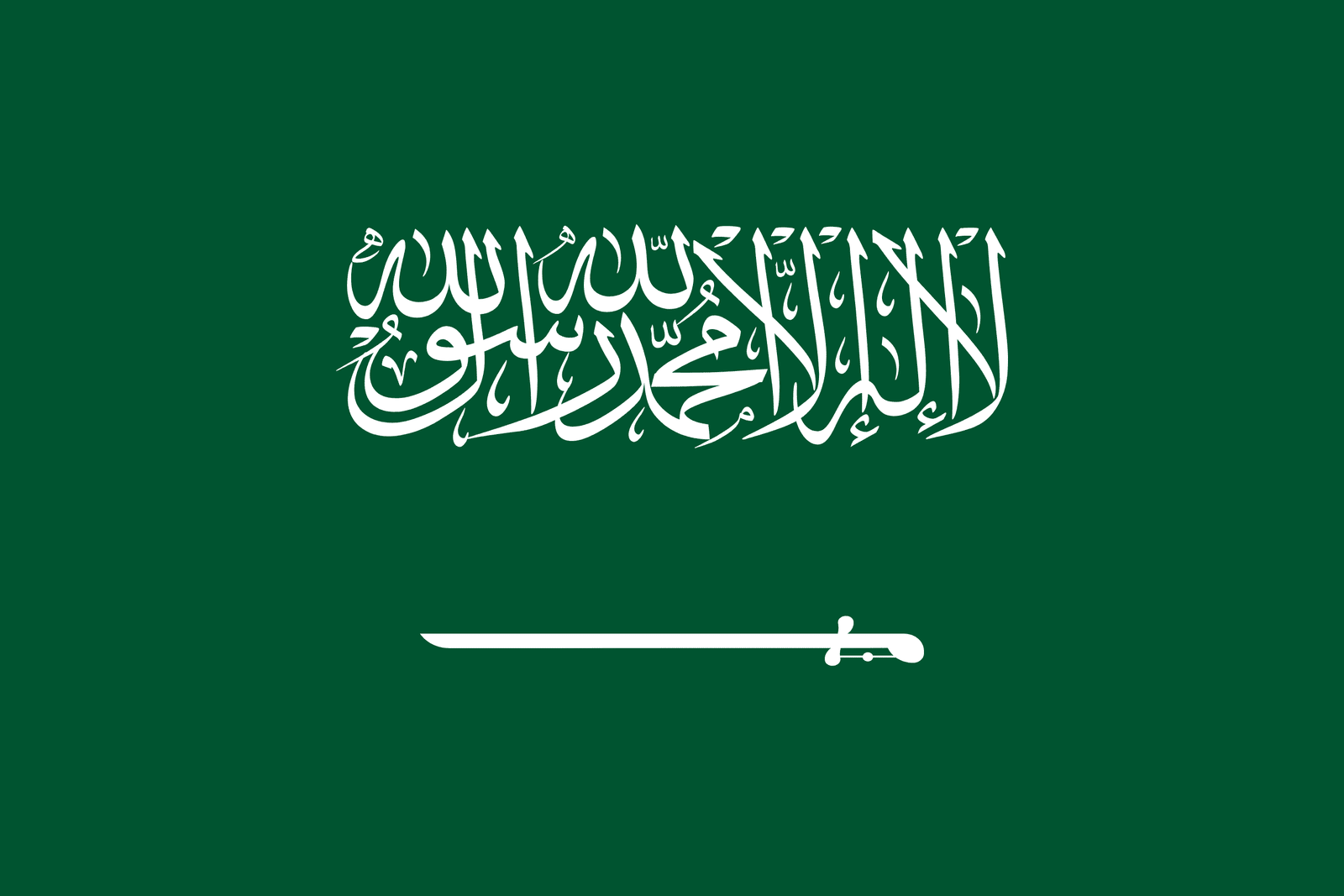
Flag of Saudi Arabia
| Legal Name | Kingdom of Saudi Arabia |
|---|---|
| Flag |
|
| Capital City |
Riyadh |
| Total Area | Approximately 2,149,690 km² |
| Land Area | Approximately 2,149,690 km² |
| Water Area | Negligible |
| Population | About 36 million |
| Major Cities | Riyadh (7.7 million), Jeddah (4.9 million), Mecca (2.4 million), Medina (1.6 million), Dammam (1.3 million metro) |
| Currency | Saudi Riyal (SAR) |
| GDP | Approximately USD 1.1 trillion |
| GDP Per Capita | USD 30,000 (nominal, approx.) |
About of Saudi Arabia
Saudi Arabia is located in the Middle East, occupying the majority of the Arabian Peninsula in Western Asia. It is bordered by Jordan, Iraq, and Kuwait to the north, Qatar and the United Arab Emirates to the east, Oman to the southeast, and Yemen to the south. The country also has extensive coastlines along the Red Sea to the west and the Arabian Gulf to the east, giving it strategic maritime access.
Riyadh, the capital and largest city, serves as the political and administrative center of the kingdom. Jeddah functions as the main commercial hub and the principal gateway for pilgrims traveling to Mecca. Mecca and Medina hold unparalleled religious importance as the two holiest cities in Islam, attracting millions of pilgrims annually.
Saudi Arabia has a diverse population composed of Saudi nationals and a significant expatriate workforce. The kingdom is internationally recognized as the birthplace of Islam and holds a central position in the Muslim world. Its geopolitical importance is reinforced by its role as a leading energy producer, custodian of Islam’s holy sites, and influential actor in Middle Eastern and global affairs.
Etymology
The name “Saudi Arabia” is derived from the House of Saud, the ruling royal family that unified much of the Arabian Peninsula in the early 20th century. The term “Saudi” reflects lineage and governance associated with the descendants of Saud ibn Muhammad, an 18th-century leader.
“Arabia” refers to the Arabian Peninsula, a term rooted in ancient Greek and Latin geographical writings describing the land inhabited by Arab peoples. The name evolved to signify a unified state under Saudi rule, officially adopted with the proclamation of the Kingdom of Saudi Arabia in 1932.
History
Human habitation in present-day Saudi Arabia dates back to prehistoric times, with archaeological evidence of early hunter-gatherer societies and ancient trade routes. The region was a crossroads of civilizations linking Africa, Asia, and Europe.
In antiquity, western and southern Arabia were home to prosperous kingdoms such as the Nabataean Kingdom, with Petra as its capital, and the ancient civilizations of southern Arabia that thrived on incense trade. During the 7th century, the rise of Islam transformed the region, with Mecca and Medina becoming central to the Islamic world.
For centuries, much of the peninsula was loosely controlled by regional rulers under the nominal authority of larger Islamic empires, including the Umayyad, Abbasid, and Ottoman Empires. In the 18th century, an alliance between Muhammad ibn Saud and the religious reformer Muhammad ibn Abd al-Wahhab laid the foundation for the Saudi state.
Following periods of conflict and fragmentation, Abdulaziz ibn Saud successfully unified most of the Arabian Peninsula. In 1932, he proclaimed the establishment of the Kingdom of Saudi Arabia. The discovery of oil in 1938 transformed the country’s economy and global standing. In recent decades, Saudi Arabia has pursued modernization initiatives, economic diversification, and expanded international engagement.
Government and Politics
Saudi Arabia is an absolute monarchy governed by the Al Saud royal family. The King serves as head of state, head of government, and supreme authority, supported by the Council of Ministers.
The country’s legal framework is based primarily on Islamic law (Sharia), derived from the Quran and the Sunnah, supplemented by royal decrees and regulations. There is no written constitution in the conventional sense, but the Basic Law of Governance outlines state principles.
Administratively, Saudi Arabia is divided into regions, each governed by an appointed governor. The judiciary operates under Islamic law, with courts handling civil, criminal, and family matters. Saudi Arabia is an active member of international organizations, including the United Nations, G20, Arab League, and Organization of Islamic Cooperation. The Saudi Armed Forces are among the largest in the region and focus on national defense, regional security, and strategic deterrence.
Economy
Saudi Arabia has a high-income, emerging economy heavily influenced by hydrocarbons. It is one of the world’s largest oil producers and exporters, and petroleum revenues form the backbone of the national economy.
Major sectors include oil and gas, petrochemicals, construction, finance, and logistics. Agriculture plays a limited but strategic role, supported by irrigation and modern farming techniques. The services sector has expanded rapidly, particularly in retail, tourism, and technology.
Natural resources are dominated by vast oil and natural gas reserves, along with minerals such as gold and phosphates. Key trade partners include China, the United States, India, and regional Gulf countries. Economic challenges include reducing oil dependence, creating jobs for a young population, and managing environmental sustainability. Long-term prospects are shaped by economic diversification initiatives, infrastructure investment, and global energy transitions.
Demographics
Saudi Arabia’s population consists primarily of Arab Saudis, alongside a substantial expatriate community from Asia, Africa, and other Arab countries. Arabic is the official language and the primary medium of communication.
Islam is the state religion and central to national identity, with Sunni Islam being predominant and a significant Shia minority. The population is highly urbanized, with most residents living in major cities. Population growth has moderated in recent years due to demographic transition and labor policies.
Culture and Society
Saudi culture is deeply rooted in Islamic traditions and Arab heritage. Family, hospitality, and social cohesion are central values. National identity is closely tied to religion, language, and shared history.
Arts and literature have evolved alongside modernization, while traditional music, poetry, and calligraphy remain culturally significant. Saudi cuisine features rice, meat, dates, and spiced dishes reflecting regional diversity. Religious observances, national celebrations, and cultural festivals shape public life. Sports, particularly football, enjoy widespread popularity and international visibility.
Education and Healthcare
Education in Saudi Arabia is state-supported and includes primary, secondary, and higher education. Literacy rates are high, and universities and research institutions play an expanding role in scientific and technological development.
Healthcare is largely government-funded, providing citizens with access to modern medical facilities. Public health achievements include improved life expectancy and disease control, though challenges remain in addressing lifestyle-related conditions and ensuring sustainable healthcare delivery.
Geography and Climate
Saudi Arabia’s geography is dominated by deserts, including the Rub’ al Khali, one of the largest sand deserts in the world. The western region features mountain ranges and coastal plains along the Red Sea, while the eastern region includes lowlands along the Arabian Gulf.
The climate is predominantly arid, with extremely hot summers and mild winters. Rainfall is limited and irregular. Natural hazards include sandstorms, droughts, and occasional flooding. Environmental concerns focus on water scarcity, desertification, and coastal ecosystem protection.
Flora and Fauna
Despite its arid environment, Saudi Arabia hosts diverse ecosystems, including deserts, mountains, and marine habitats. Native plant species include date palms, acacia, and desert shrubs.
Wildlife includes Arabian oryx, gazelles, wolves, and numerous bird species. Conservation efforts have expanded in recent years, with protected areas and national parks established to preserve biodiversity and restore endangered species.
Map of Saudi Arabia
Saudi Arabia’s national symbols reflect Islamic identity and state authority. The national flag, coat of arms featuring crossed swords and a palm tree, and the national anthem emphasize unity, faith, and strength. The date palm is a widely recognized national symbol representing life and prosperity.
National Flag (Detailed Section)
The national flag of Saudi Arabia features a green background with the Shahada inscribed in white Arabic script above a white sword. The design reflects the Islamic foundation of the state and its commitment to justice.
Green symbolizes Islam and growth, while white represents purity and peace. The sword signifies strength, justice, and the unification of the kingdom. Due to the sacred inscription, the flag is never lowered to half-mast and is subject to strict usage protocols, including prohibition from commercial or inappropriate use.
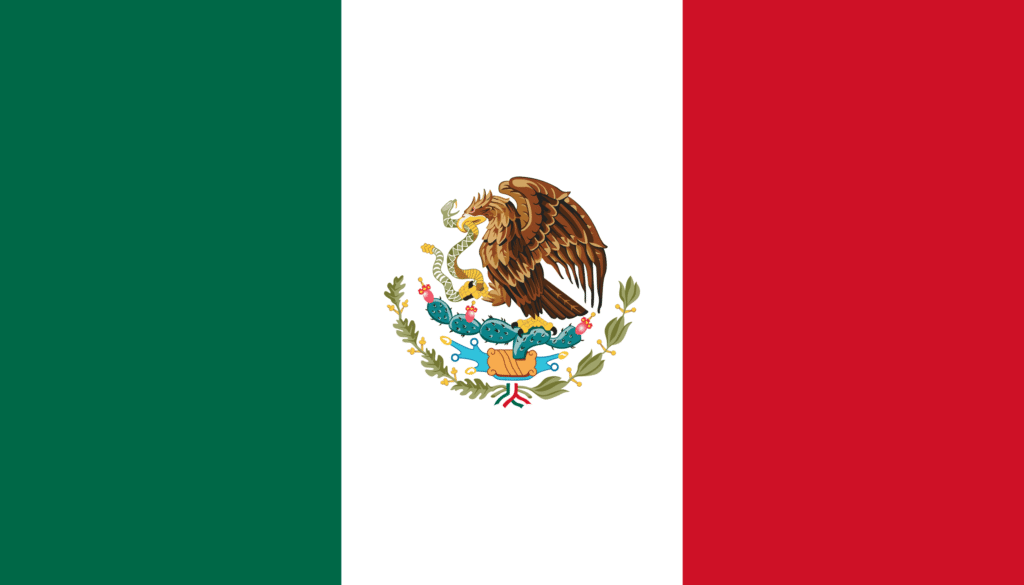
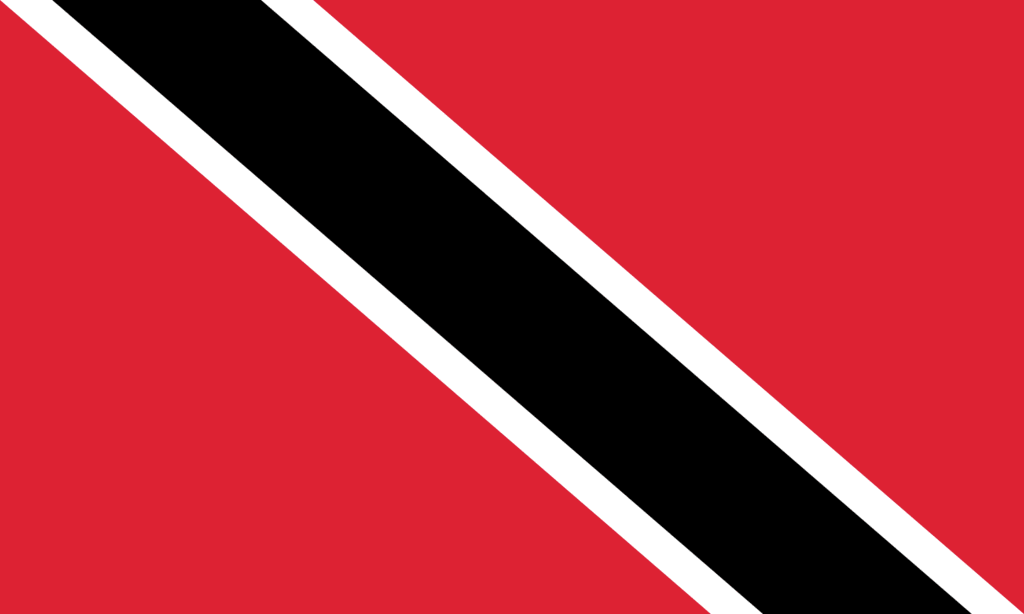
Realted Flags
Flag flying days
| Date | Flag Position | Occasion or Reason |
|---|---|---|
| September 23 | Full-mast | Saudi National Day |
| February 22 | Full-mast | Founding Day |
| Daily on government buildings | Full-mast | Official state display |
| All occasions | Never half-mast | Sacred inscription on the flag |