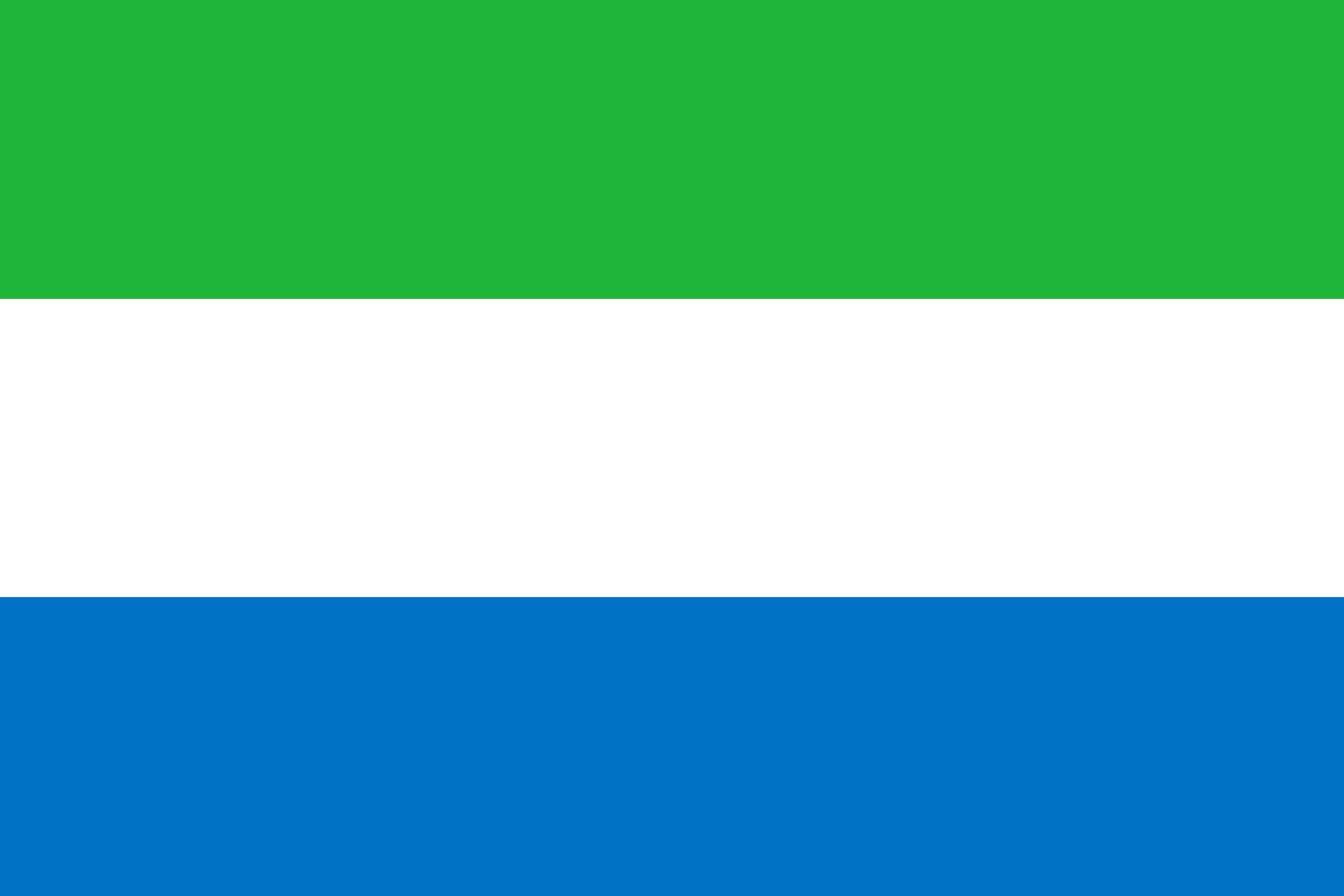
Flag of Sierra Leone
| Legal Name | Republic of Sierra Leone |
|---|---|
| Flag |
|
| Capital City |
Freetown |
| Total Area | Approximately 71,740 km² |
| Land Area | Approximately 71,620 km² |
| Water Area | Approximately 120 km² |
| Population | Approximately 8.8 million |
| Major Cities | Freetown (1.2 million), Bo (200,000), Kenema (190,000), Makeni (130,000) |
| Currency | Pakistani Rupee (PKR) |
| GDP | Approximately USD 4.5 billion |
| GDP Per Capita | Approximately USD 1,600 (PPP) |
About of Sierra Leone
Sierra Leone is a country located on the southwest coast of West Africa, bordered by Guinea to the north and northeast, Liberia to the southeast, and the Atlantic Ocean to the southwest. Its coastline stretches along the Gulf of Guinea, giving the country strategic maritime access and fertile coastal plains.
The capital city, Freetown, lies on a natural harbor and serves as the political, economic, and cultural center of the country. Other major urban centers such as Bo, Kenema, and Makeni function as regional hubs for trade, education, and administration.
Sierra Leone has a young and rapidly growing population characterized by ethnic, linguistic, and religious diversity. The country is internationally recognized as a sovereign republic and a member of major global and regional organizations, including the United Nations, African Union, and ECOWAS.
Geopolitically, Sierra Leone holds regional importance due to its mineral wealth, Atlantic coastline, and role in West African stability. Its post-conflict recovery and democratic consolidation have made it an example of resilience and peacebuilding in the region.
Etymology
The name “Sierra Leone” originates from the Portuguese term Serra Leoa, meaning “Lion Mountains.” Portuguese explorers in the 15th century named the mountainous peninsula near present-day Freetown due to its rugged appearance and thunderous sounds resembling a lion’s roar during storms.
Over time, the name evolved through European usage into “Sierra Leone,” becoming the official designation during the colonial period and retained after independence.
History
Human settlement in Sierra Leone dates back thousands of years, with early societies engaged in farming, fishing, and ironworking. Before European contact, the region was inhabited by various ethnic groups organized into chiefdoms and small kingdoms.
During the medieval period, Sierra Leone was influenced by trans-Saharan and coastal trade networks connecting West Africa to North Africa and beyond. Local societies traded gold, kola nuts, and agricultural products.
European contact began in the 15th century, followed by British involvement in the late 18th century. Freetown was established as a settlement for freed enslaved Africans, becoming a center for abolitionist efforts and education in West Africa.
Sierra Leone became a British colony and protectorate, gaining independence peacefully in 1961. Post-independence years were marked by political instability, economic challenges, and governance struggles.
From 1991 to 2002, the country experienced a devastating civil war that caused widespread suffering and displacement. Following the war, Sierra Leone embarked on reconciliation, democratic reforms, and reconstruction. In recent decades, it has strengthened democratic institutions and pursued economic recovery despite challenges such as health crises and global economic shocks.
Government and Politics
Sierra Leone operates as a constitutional republic with a multiparty political system. The Constitution provides the legal framework for governance, civil liberties, and the separation of powers.
Executive authority is held by the President, who serves as both head of state and head of government. Legislative power is vested in a unicameral Parliament, while the judiciary functions independently, headed by the Chief Justice.
Administratively, the country is divided into regions, districts, and traditional chiefdoms, which play a significant role in local governance. Sierra Leone maintains diplomatic relations worldwide and actively participates in regional and international organizations.
The Republic of Sierra Leone Armed Forces are responsible for national defense, peacekeeping, and internal security support, with a focus on professionalism and regional cooperation.
Economy
Sierra Leone is classified as a developing economy with significant natural resource potential. Agriculture employs a large portion of the population and remains the backbone of the economy, particularly rice farming, cocoa, coffee, and palm oil production.
The mining sector is a major contributor, with diamonds, rutile, bauxite, and gold among the most valuable resources. Manufacturing is limited but includes food processing, cement, and light industrial goods. The services sector, including trade and telecommunications, has been expanding steadily.
Key exports include minerals, agricultural products, and fish, with trade partners spanning Africa, Europe, and Asia. Despite its resource wealth, the country faces challenges such as infrastructure gaps, poverty, and vulnerability to external shocks.
Future economic prospects depend on governance reforms, diversification, investment in human capital, and sustainable resource management.
Demographics
Sierra Leone’s population is composed of numerous ethnic groups, including Temne, Mende, Limba, and others, living largely in harmony. English is the official language, while Krio serves as a widely spoken lingua franca. Many indigenous languages are also used.
Islam and Christianity are the two dominant religions, coexisting peacefully, alongside traditional beliefs. The population is predominantly rural, although urbanization is increasing steadily.
Population growth remains high, driven by a youthful demographic structure and improving healthcare outcomes.
Culture and Society
The culture of Sierra Leone reflects strong communal values, respect for elders, and rich oral traditions. Music, dance, and storytelling play central roles in social life, with traditional rhythms and modern influences blending together.
Cuisine is centered on rice, cassava, fish, and spicy stews, often shared communally. National identity emphasizes unity, resilience, and reconciliation following the civil war.
Public holidays and festivals celebrate independence, religious observances, and cultural heritage. Football is the most popular sport, alongside athletics and traditional games.
Education and Healthcare
The education system includes primary, secondary, and tertiary levels, with increasing emphasis on access and quality. Literacy rates have improved, though challenges remain in rural areas and among women.
Healthcare services are delivered through public and private facilities, focusing on maternal health, infectious disease control, and child survival. Significant progress has been made since past health crises, though resource limitations persist.
Geography and Climate
Sierra Leone features diverse landscapes, including coastal mangroves, sandy beaches, inland plains, plateaus, and forested mountains. Rivers such as the Rokel and Sewa are vital for agriculture and transport.
The country has a tropical climate with distinct wet and dry seasons. Heavy rainfall during the wet season can cause flooding and landslides. Environmental concerns include deforestation, mining impacts, and coastal erosion.
Flora and Fauna
Sierra Leone is rich in biodiversity, with tropical rainforests, savannas, and wetlands supporting a wide range of plant and animal species. Native flora includes hardwood trees, palms, and medicinal plants.
Wildlife features primates, antelope, birds, and marine species. Conservation efforts focus on protected areas, wildlife sanctuaries, and community-based environmental management.
Map of Sierra Leone
National symbols reflect Sierra Leone’s aspirations for unity, peace, and development. The flag, coat of arms, and national anthem emphasize freedom, justice, and solidarity.
Mount Bintumani, the highest peak in the country, is a national natural landmark and a symbol of resilience.
National Flag (Detailed Section)
The national flag of Sierra Leone consists of three equal horizontal stripes: green at the top, white in the middle, and blue at the bottom. It was adopted at independence in 1961.
Green symbolizes agriculture, natural resources, and the country’s mountains. White represents unity and justice, while blue signifies peace and the Atlantic Ocean, as well as hopes for progress and prosperity.
Flag usage is governed by national regulations, ensuring respectful display at public institutions and official events.
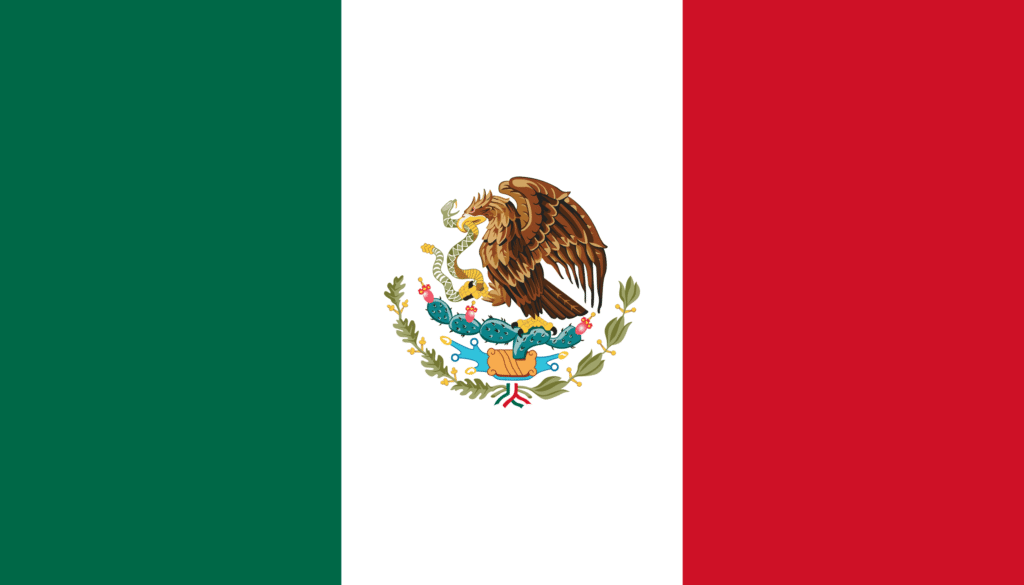
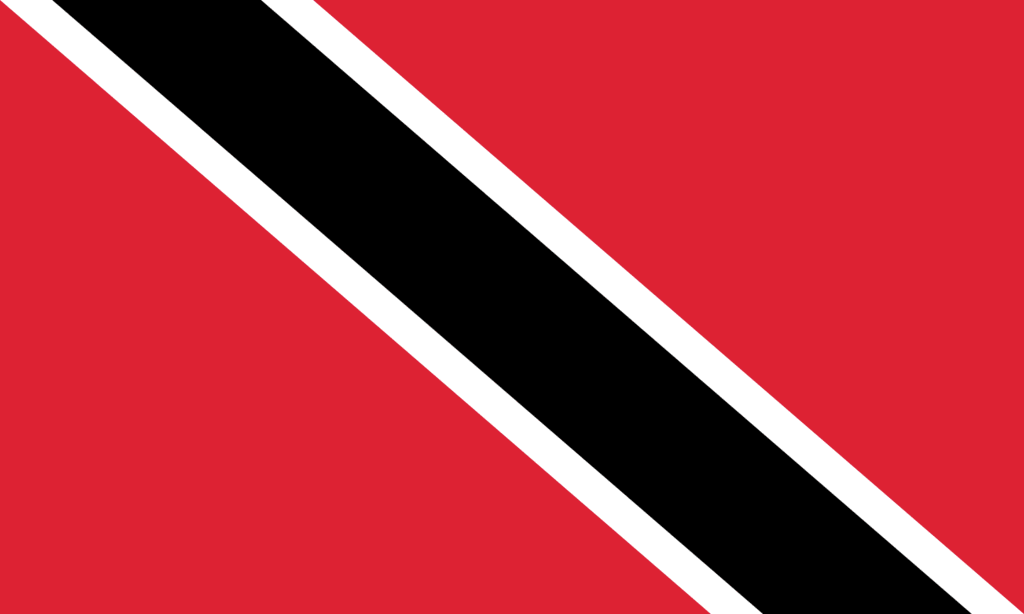
Realted Flags
Flag flying days
| Date | Flag Position | Occasion or Reason |
|---|
| April 27 | Full-mast | Independence Day |
| June 18 | Full-mast | Armed Forces Day |
| December 25 | Full-mast | Christmas Day |
| As Declared | Half-mast | National mourning or remembrance |