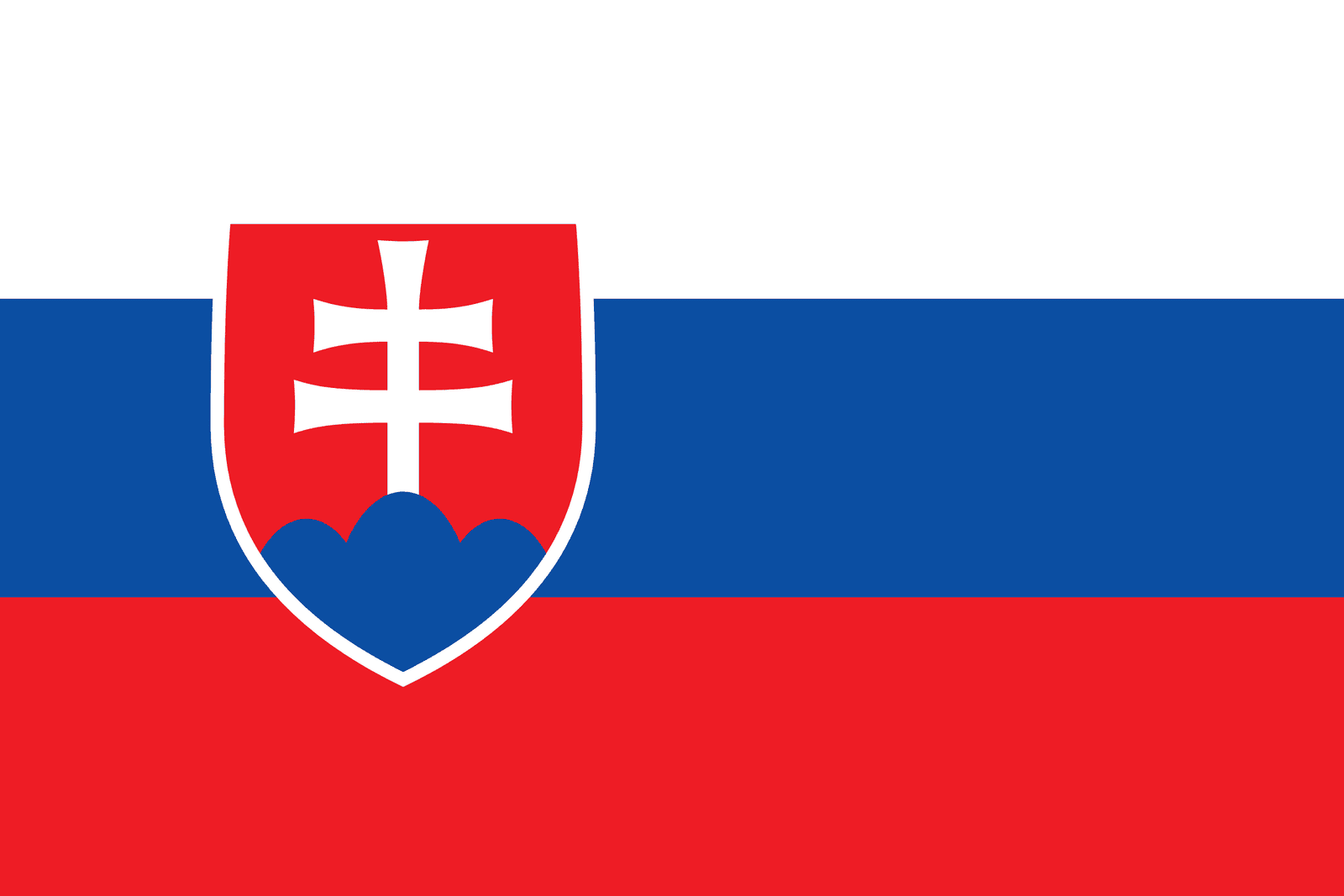
Flag of Slovakia
| Legal Name | Slovak Republic |
|---|---|
| Flag |
|
| Capital City |
Bratislava |
| Total Area | 49,035 km² |
| Land Area | Approximately 48,105 km² |
| Water Area | Approximately 930 km² |
| Population | Approximately 5.4 million |
| Major Cities | Bratislava (≈ 475,000), Košice (≈ 230,000), Prešov (≈ 85,000), Žilina (≈ 80,000), Nitra (≈ 77,000) |
| Currency | Euro (EUR) |
| GDP | Approximately USD 120 billion |
| GDP Per Capita | Approximately USD 38,000 (PPP) |
About of Slovakia
Slovakia is a landlocked country located in Central Europe, positioned at the intersection of Western, Eastern, and Southeastern Europe. It occupies a strategic location along historic trade and cultural routes, linking the Danube Basin with the Carpathian Mountains. Despite its relatively small size, Slovakia displays considerable geographic and cultural diversity.
The country shares borders with five nations: the Czech Republic to the northwest, Austria to the west, Hungary to the south, Ukraine to the east, and Poland to the north. Bratislava, the capital and largest city, lies along the Danube River and is uniquely positioned close to both Vienna and Budapest, making it one of Europe’s most geographically connected capitals.
Slovakia has a predominantly Slovak population, with well-established minority communities. Since gaining independence in 1993, it has been fully recognized as a sovereign state and has integrated rapidly into Euro-Atlantic political, economic, and security structures.
Geopolitically, Slovakia plays an important role within Central Europe as a transit country for trade, energy corridors, and transportation networks. Its membership in the European Union, NATO, the Eurozone, and the Schengen Area underlines its strategic importance and international alignment.
Etymology
The name “Slovakia” is derived from “Slovak,” which originates from the ancient Slavic ethnonym Slověninъ, referring to Slavic peoples who shared a common language. The root of the word is linked to “slovo,” meaning “word” or “speech,” emphasizing mutual linguistic understanding.
Historically, the territory was referred to by various names in Latin, German, and Hungarian sources. The modern name “Slovakia” became standardized during the 19th century amid rising Slovak national consciousness and was formally adopted as the country’s name following independence in the late 20th century.
History
Human settlement in present-day Slovakia dates back to prehistoric times, with evidence of Paleolithic habitation and later Celtic tribes. During antiquity, parts of the region were influenced by the Roman Empire, particularly along the Danube frontier.
In the early medieval period, Slavic tribes settled the area, forming part of the Great Moravian Empire in the 9th century, one of the earliest Slavic states. Following its decline, the territory became integrated into the Kingdom of Hungary, where it remained for nearly a thousand years.
From the 16th century, Slovakia fell under Habsburg rule as part of the Austro-Hungarian Monarchy. The region experienced cultural development but also periods of Magyarization. After World War I, Slovakia became part of the newly formed Czechoslovakia.
Following World War II, Slovakia was incorporated into socialist Czechoslovakia. The peaceful dissolution of Czechoslovakia in 1993 led to the establishment of the independent Slovak Republic. Since independence, Slovakia has undergone democratic consolidation, economic reform, and integration into Western institutions.
Government and Politics
Slovakia is a parliamentary republic governed under a constitution adopted in 1992. The political system is based on democratic principles, the rule of law, and the separation of powers.
Executive authority is shared between the President, who serves as head of state with limited executive powers, and the Prime Minister, who heads the government and holds primary executive responsibility. Legislative power is vested in a unicameral parliament, the National Council of the Slovak Republic.
The judiciary is independent and includes general courts, a Supreme Court, and a Constitutional Court that ensures constitutional compliance. Administratively, Slovakia is divided into regions and districts, which provide local governance.
Slovakia maintains active foreign relations and is a member of major international organizations, including the European Union, NATO, the United Nations, and the OECD. The Slovak Armed Forces are professional and focused on collective defense, peacekeeping, and alliance obligations.
Economy
Slovakia has a developed, high-income economy with a strong industrial base and export orientation. It is often characterized as an advanced emerging or developed economy within Central Europe, benefiting from foreign investment and integration into European supply chains.
The automotive industry is a cornerstone of the economy, making Slovakia one of the world’s leading car producers per capita. Other key sectors include electronics, machinery, steel, chemicals, and information technology. Services, particularly finance, logistics, and tourism, contribute significantly to GDP.
Agriculture plays a smaller role but remains important in rural areas, producing cereals, livestock, and wine. Natural resources are limited, with some deposits of coal, metals, and industrial minerals.
Slovakia’s main trading partners are other European Union countries. Economic challenges include regional disparities, workforce shortages, demographic aging, and the need to transition toward innovation-driven and green economic growth.
Demographics
The population of Slovakia is predominantly ethnic Slovak, with notable Hungarian, Roma, Czech, and Ukrainian minorities. Minority rights are protected by law, and cultural diversity is recognized.
The official language is Slovak, a West Slavic language closely related to Czech. Hungarian and other minority languages are used in specific regions. Christianity, particularly Roman Catholicism, is the dominant religion, alongside other Christian denominations and a growing secular population.
Slovakia is moderately urbanized, with a significant share of the population living in towns and cities. Population growth is low, reflecting declining birth rates and gradual population aging.
Culture and Society
Slovak culture is deeply rooted in Slavic traditions, folk customs, and a strong connection to the countryside. National identity is closely linked to language, folklore, and historical resilience.
The arts play a significant role, with rich traditions in folk music, dance, literature, and theater. Slovak cuisine features hearty dishes such as bryndzové halušky, soups, and regional specialties influenced by neighboring countries.
Social norms emphasize family ties, hospitality, and respect for tradition. National holidays reflect historical milestones and religious observances. Popular sports include ice hockey, football, skiing, cycling, and athletics.
Education and Healthcare
Slovakia provides compulsory primary and secondary education, followed by vocational or academic pathways. Literacy rates are high, and universities in Bratislava, Košice, and other cities support higher education and research.
The healthcare system is based on universal coverage through mandatory health insurance, with both public and private providers. While healthcare outcomes are generally solid, challenges include hospital modernization, workforce shortages, and public health inequalities.
Geography and Climate
Slovakia’s geography is dominated by the Carpathian Mountains, including the High Tatras, which contain the country’s highest peaks. The south features fertile lowlands along the Danube River, while forests cover a large portion of the territory.
The climate is temperate continental, with cold winters and warm summers, varying by altitude and region. Natural hazards include floods, landslides, and occasional earthquakes. Environmental protection and sustainable land use are national priorities.
Flora and Fauna
Slovakia is rich in biodiversity, with extensive forests, alpine meadows, and wetlands. Native plant species thrive across varied elevations and ecosystems.
Wildlife includes brown bears, wolves, lynx, deer, and numerous bird species. National parks such as the High Tatras, Low Tatras, and Slovak Paradise play a central role in conservation and eco-tourism.
Map of Slovakia
Slovakia’s national symbols reflect its Christian heritage, Slavic roots, and mountainous landscape. The flag, coat of arms, and anthem emphasize historical continuity and national sovereignty.
The double cross on three hills, featured prominently in national symbolism, represents faith, resilience, and the country’s geographic character.
National Flag (Detailed Section)
The national flag of Slovakia consists of three horizontal stripes—white, blue, and red—with the national coat of arms placed near the hoist. It was officially adopted in its current form in 1992.
The tricolor colors are Pan-Slavic, symbolizing unity, freedom, and Slavic identity. The coat of arms features a double silver cross standing on three blue hills, representing Slovakia’s Christian tradition and mountain ranges.
The flag is regulated by law and is flown on government buildings, during national holidays, and at international events representing the Slovak Republic.
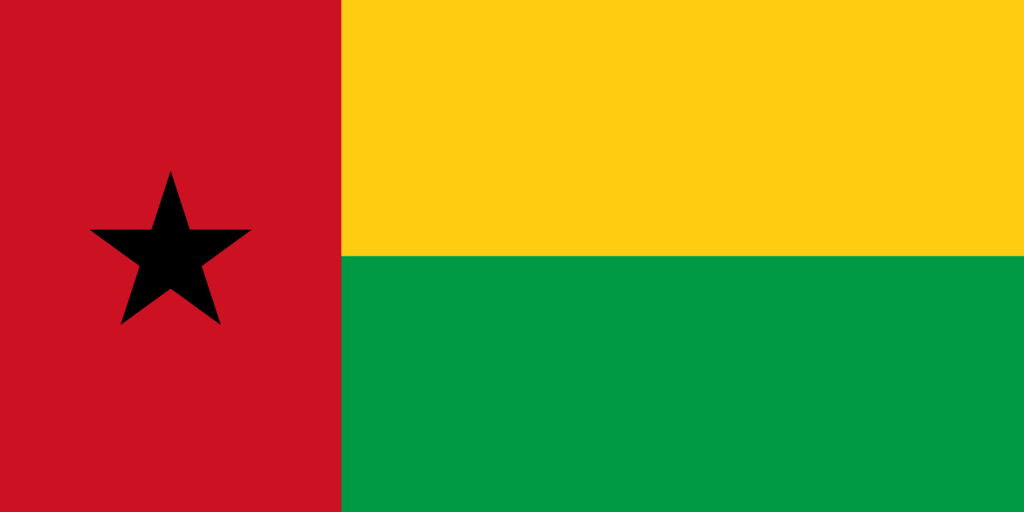
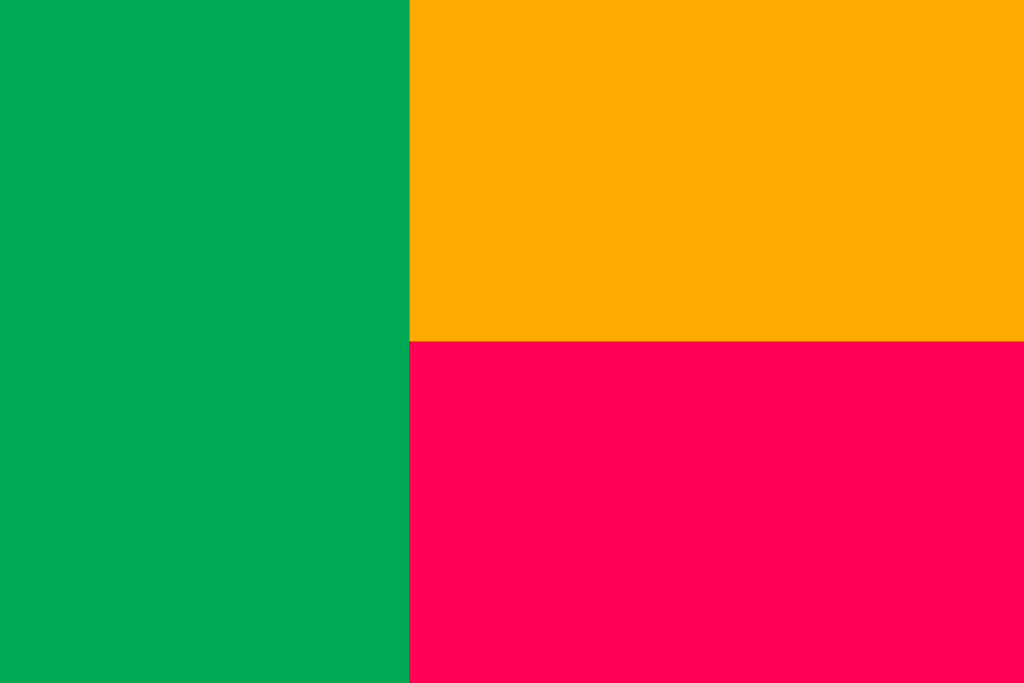
Realted Flags
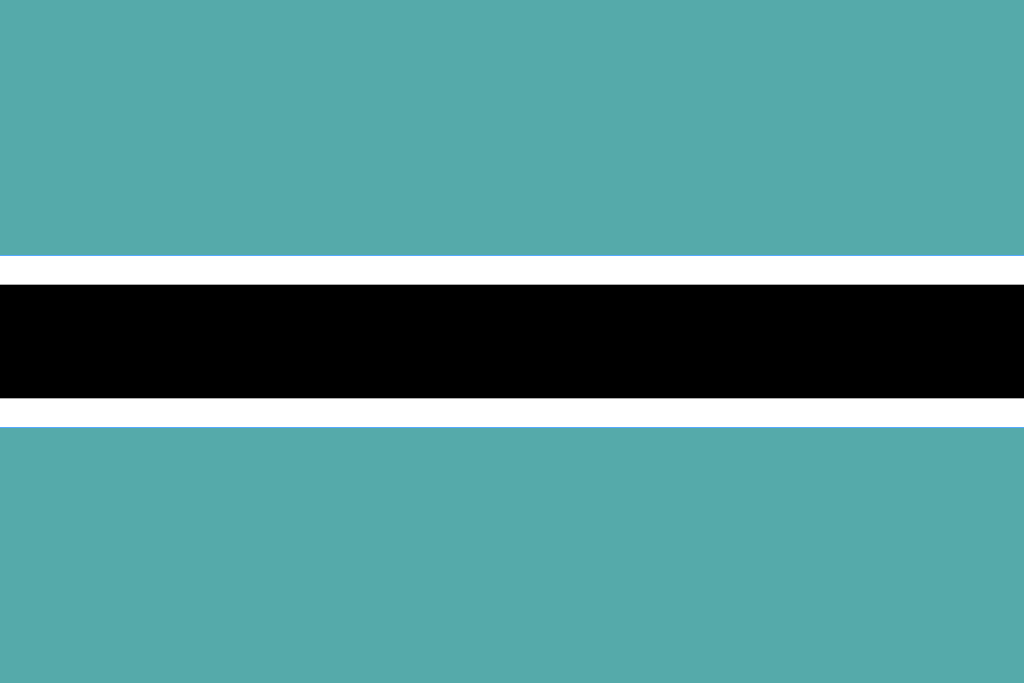
Flag flying days
| Date | Flag Position | Occasion or Reason |
|---|
| January 1 | Full-mast | Day of the Establishment of the Slovak Republic |
| May 8 | Full-mast | Victory over Fascism Day |
| July 5 | Full-mast | Saints Cyril and Methodius Day |
| August 29 | Full-mast | Slovak National Uprising Anniversary |
| September 1 | Full-mast | Constitution Day |
| November 17 | Full-mast | Day of the Fight for Freedom and Democracy |
| As Declared | Half-mast | National mourning or remembrance |