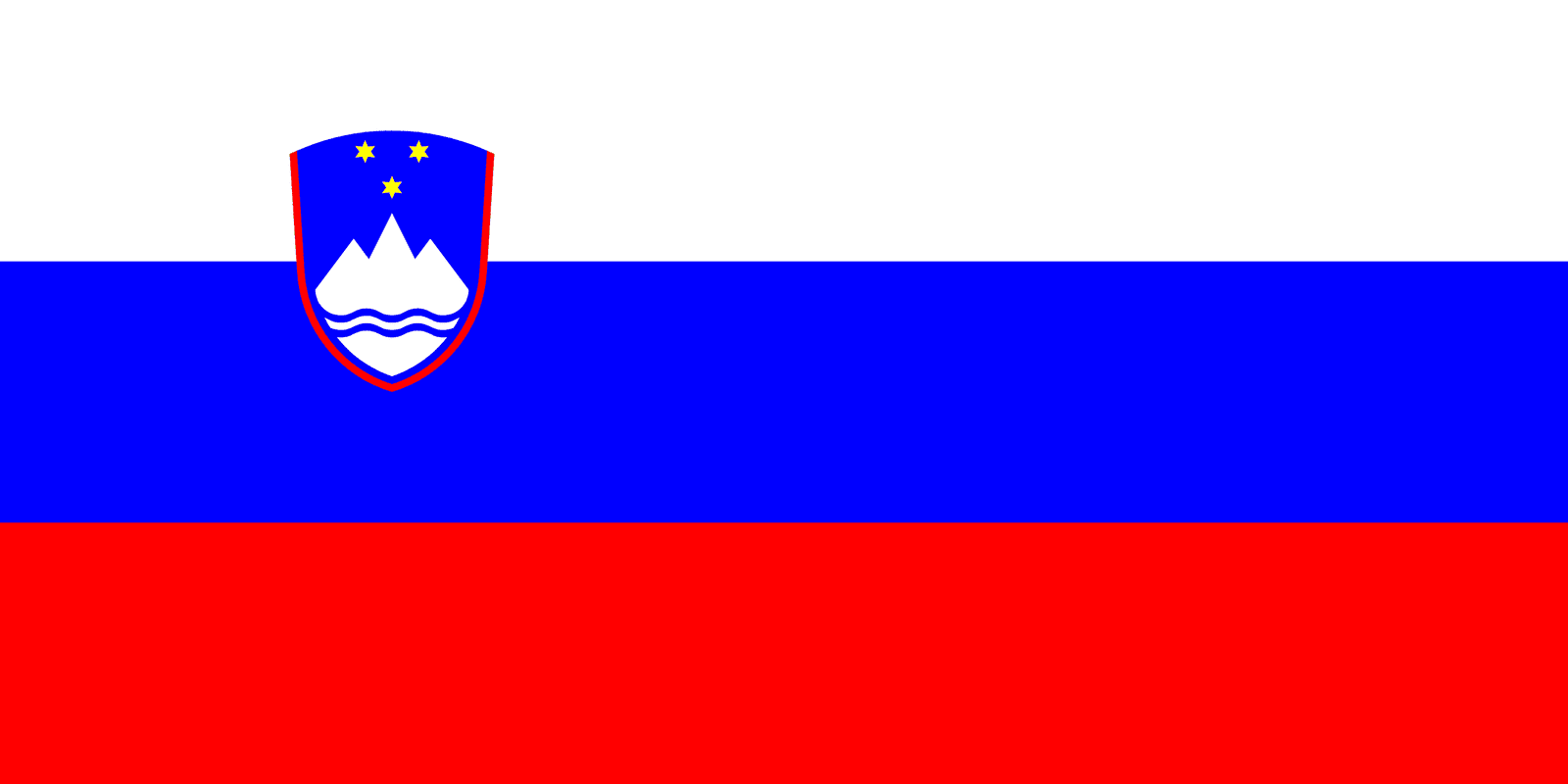
Flag of Slovenia
| Legal Name | Republic of Slovenia |
|---|---|
| Flag |
|
| Capital City |
Ljubljana |
| Total Area | 20,273 km² |
| Land Area | Approximately 20,151 km² |
| Water Area | Approximately 122 km² |
| Population | Approximately 2.1 million |
| Major Cities | Ljubljana (≈ 295,000), Maribor (≈ 110,000), Kranj (≈ 38,000), Celje (≈ 38,000), Koper (≈ 25,000) |
| Currency | Euro (EUR) |
| GDP | Approximately USD 70 billion |
| GDP Per Capita | Approximately USD 45,000 (PPP) |
About of Slovenia
Slovenia is a small Central European country located at the crossroads of Central Europe, the Balkans, and the Mediterranean. It lies at the northern edge of the Balkan Peninsula and forms a geographic bridge between the Alps and the Adriatic Sea. Despite its modest size, Slovenia’s landscape is remarkably diverse, ranging from alpine peaks and forests to karst plateaus and a short but strategically important Adriatic coastline.
The country shares land borders with Italy to the west, Austria to the north, Hungary to the northeast, and Croatia to the south and southeast. Slovenia also has a narrow maritime border with Italy and Croatia along the Adriatic Sea. Ljubljana, the capital and largest city, serves as the political, cultural, and economic center, while Maribor is a major industrial and regional hub in the northeast.
Slovenia has a relatively small but highly educated population with a strong sense of national identity. It is internationally recognized as a stable, democratic state and has been a member of the European Union, the Eurozone, NATO, and the Schengen Area since the early 2000s.
Geopolitically, Slovenia holds strategic importance due to its location on key European transport corridors linking Western Europe with Southeastern Europe and the Western Balkans. Its Adriatic port of Koper provides critical maritime access for several landlocked Central European countries.
Etymology
The name “Slovenia” derives from the word “Slovene,” which itself originates from the ancient Slavic term Slověninъ, meaning “Slavic people” or “those who speak the same language.” The root is linked to the concept of shared speech and mutual understanding among early Slavic communities.
Historically, the name evolved through medieval Latin and German forms before becoming standardized in modern usage. “Slovenia” came into common international use during the 19th and 20th centuries as Slovene national consciousness grew and was officially adopted upon independence in 1991.
History
Human presence in present-day Slovenia dates back tens of thousands of years, with archaeological finds such as prehistoric tools and early musical instruments among the oldest in Europe. In antiquity, the area was inhabited by Illyrian and Celtic tribes before becoming part of the Roman Empire, which established important settlements and trade routes.
During the early medieval period, Slavic peoples settled the region and formed the principality of Carantania, one of the earliest Slavic states. Over time, Slovenian lands came under the influence of the Holy Roman Empire and later the Habsburg Monarchy, remaining largely under Habsburg rule for centuries.
In the aftermath of World War I, Slovenia became part of the Kingdom of Serbs, Croats, and Slovenes, later known as Yugoslavia. During World War II, Slovenian territory was occupied and divided among Axis powers, leading to resistance movements and significant social upheaval.
Following the war, Slovenia became a republic within socialist Yugoslavia. In 1991, after a brief armed conflict, Slovenia declared independence, becoming the first Yugoslav republic to do so successfully. Since independence, Slovenia has undergone rapid political and economic transformation, joining major Western institutions and consolidating its democratic system.
Government and Politics
Slovenia is a parliamentary republic with a democratic political system. The constitution, adopted in 1991, establishes the rule of law, separation of powers, and protection of fundamental rights.
Executive power is shared between the President, who serves as head of state with largely ceremonial duties, and the Prime Minister, who heads the government and exercises executive authority. Legislative power rests with a bicameral parliament, consisting of the National Assembly and the National Council, the latter representing social, economic, and local interests.
The judiciary is independent and includes local courts, higher courts, and a Constitutional Court that safeguards constitutional order. Administratively, Slovenia is divided into municipalities, with ongoing discussions about the possible establishment of regions.
In foreign policy, Slovenia maintains active diplomatic relations and is committed to multilateralism through its membership in the European Union, NATO, the United Nations, and other international organizations. The Slovenian Armed Forces are professional and modest in size, focused on territorial defense, international peacekeeping, and alliance commitments.
Economy
Slovenia has a developed, high-income economy characterized by a strong export orientation and a diversified industrial base. It transitioned successfully from a socialist system to a market economy while maintaining a robust social welfare framework.
Key industries include automotive components, pharmaceuticals, machinery, electronics, and chemicals. The services sector, particularly trade, logistics, tourism, and finance, plays a dominant role in economic output. Agriculture is relatively small but efficient, focusing on dairy, livestock, cereals, and wine production.
Slovenia has limited natural resources, though forests cover a large portion of the country and support a sustainable timber industry. Its main trading partners are other European Union member states, with exports including manufactured goods, pharmaceuticals, and machinery.
Economic challenges include an aging population, labor shortages, and the need to boost innovation and productivity. Future prospects are tied to digitalization, green technologies, and deeper integration into European value chains.
Demographics
Slovenia’s population is predominantly ethnic Slovene, with recognized minorities including Italians, Hungarians, and Roma communities. Immigration from other parts of the former Yugoslavia has contributed to cultural diversity.
The official language is Slovene, a South Slavic language with numerous dialects. Italian and Hungarian have official status in certain minority areas. The majority of the population identifies as Roman Catholic, though secularism and religious diversity are increasing.
Slovenia is a highly urbanized country, with most people living in towns and cities. Population growth is low, reflecting broader European trends of low fertility and an aging demographic profile.
Culture and Society
Slovenian culture reflects a blend of Central European, Alpine, Mediterranean, and Slavic influences. National identity is closely tied to language, literature, and a strong tradition of education and civic participation.
The arts are well developed, with notable contributions to literature, music, architecture, and contemporary design. Traditional cuisine features dishes such as potica, žganci, and regional variations influenced by neighboring countries.
Social norms emphasize respect for nature, work-life balance, and community engagement. Public holidays combine religious observances with state commemorations. Popular sports include football, basketball, skiing, cycling, and mountaineering.
Education and Healthcare
Slovenia has a well-structured education system with compulsory primary education followed by secondary and tertiary pathways. Literacy rates are very high, and universities in Ljubljana and Maribor are central to research and higher learning.
Healthcare is based on a universal public system funded through compulsory insurance, complemented by private services. Slovenia performs well in many public health indicators, though it faces challenges related to aging and lifestyle-related diseases.
Geography and Climate
Slovenia’s geography is exceptionally varied, featuring the Julian Alps in the northwest, fertile plains in the east, karst landscapes in the south, and a short Adriatic coastline in the southwest. Major rivers include the Sava, Drava, and Soča.
The climate varies from alpine in the mountains to continental in the interior and Mediterranean along the coast. Natural hazards include floods, earthquakes, and landslides. Environmental protection is a national priority, with a strong emphasis on sustainability.
Flora and Fauna
Slovenia is one of Europe’s most biodiverse countries, with extensive forests and varied habitats. Native plant species thrive in alpine, karst, and lowland ecosystems.
Wildlife includes brown bears, wolves, lynx, deer, and numerous bird species. Triglav National Park and other protected areas play a key role in conservation and environmental education.
Map of Slovenia
The national symbols of Slovenia reflect its natural landscape and historical heritage. The flag and coat of arms incorporate alpine and maritime elements, while the national anthem emphasizes unity and peaceful coexistence.
Mount Triglav, the country’s highest peak, is a powerful national symbol, representing resilience and identity.
National Flag (Detailed Section)
The flag of Slovenia consists of three horizontal stripes—white, blue, and red—with the national coat of arms placed near the hoist. It was officially adopted in 1991 following independence.
The colors are part of the broader Pan-Slavic tradition, symbolizing freedom, unity, and Slavic heritage. The coat of arms features Mount Triglav, stars representing historical dynasties, and waves symbolizing the Adriatic Sea and rivers.
Flag usage is regulated by law and is prominently displayed on national holidays, government buildings, and during international events.
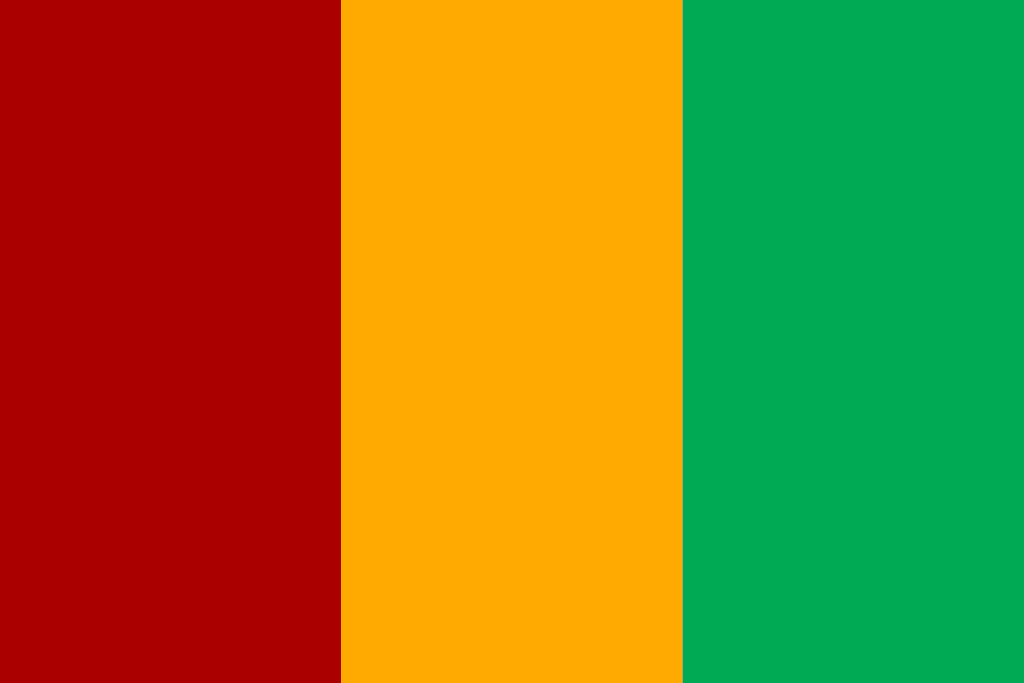
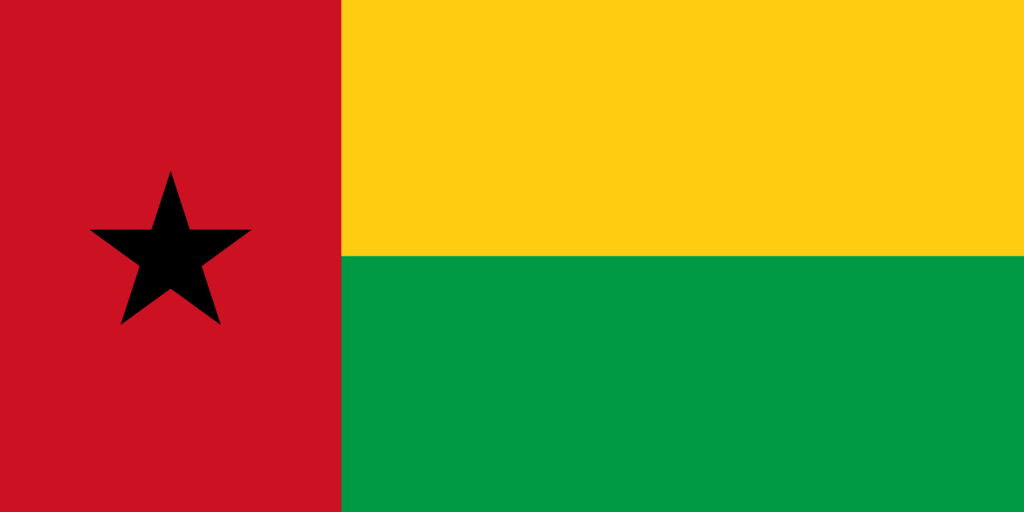
Realted Flags
Flag flying days
| Date | Flag Position | Occasion or Reason |
|---|
| February 8 | Full-mast | Prešeren Day (Cultural Holiday) |
| April 27 | Full-mast | Day of Uprising Against Occupation |
| June 25 | Full-mast | Statehood Day |
| October 31 | Full-mast | Reformation Day |
| December 26 | Full-mast | Independence and Unity Day |
| As Declared | Half-mast | National mourning or remembrance |