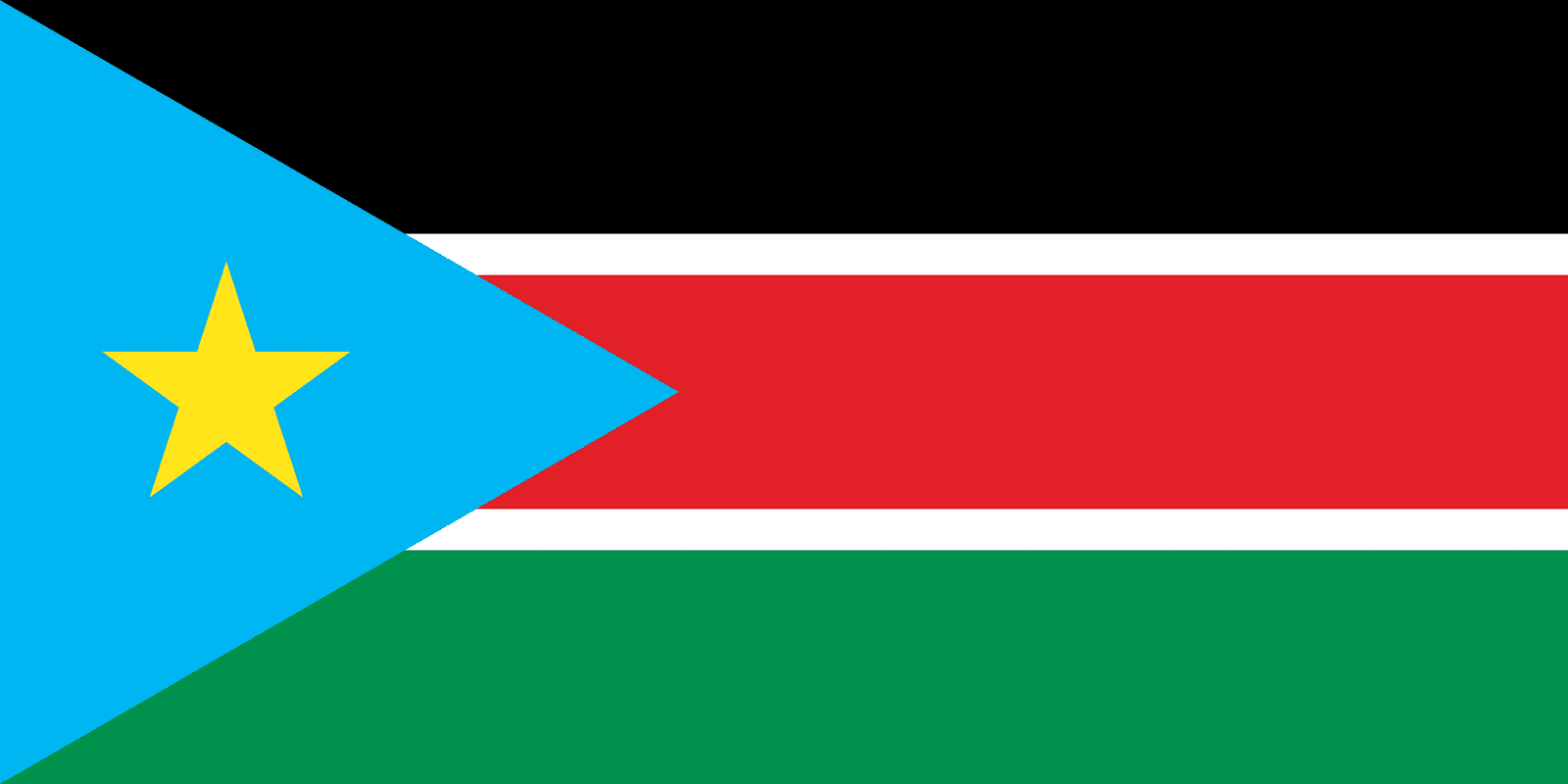
Flag of South Sudan
| Legal Name | Republic of South Sudan |
|---|---|
| Flag |
|
| Capital City |
Juba |
| Total Area | 619,745 km² |
| Land Area | 619,745 km² |
| Water Area | Minimal inland waters, no significant lakes or seas |
| Population | Approximately 12 million |
| Major Cities | Juba (525,000), Malakal (160,000), Wau (151,000), Bentiu (100,000), Aweil (90,000) |
| Currency | South Sudanese Pound (SSP) |
| GDP | USD 4.7 billion |
| GDP Per Capita | Approximately USD 2,300 (PPP) |
About of South Sudan
South Sudan is a landlocked country located in East-Central Africa, bordering Sudan to the north, Ethiopia to the east, Kenya, Uganda, and the Democratic Republic of the Congo to the south, and the Central African Republic to the west. The country is part of the Nile Basin, with the White Nile flowing through its territory and serving as a vital waterway for agriculture, trade, and transport.
The country’s terrain is diverse, ranging from swampy wetlands in the Sudd region, floodplains along the White Nile, to savannahs and tropical forests. Juba, the capital and largest urban center, is the political and economic hub, while other cities like Malakal, Wau, and Bentiu serve as regional centers.
South Sudan’s population is composed of multiple ethnic groups and languages, fostering rich cultural diversity. Internationally recognized as the world’s newest sovereign state since its independence in 2011, South Sudan is a member of the United Nations and African Union. Strategically, its position in the Nile Basin and proximity to East African trade routes makes it geopolitically significant despite ongoing development challenges.
Etymology
The name “South Sudan” reflects the country’s geographical position as the southern part of the historic Sudan region. “Sudan” itself derives from the Arabic term “Bilad al-Sudan,” meaning “Land of the Blacks,” historically used to describe the African Sahel region. The name South Sudan distinguishes the nation from the Republic of Sudan to the north following the secession in 2011.
History
Prehistoric human settlements in the region date back thousands of years, with archaeological evidence of early Nilotic and Nubian communities. During classical and medieval periods, the region saw the rise of local kingdoms and tribal confederations, including the Shilluk, Dinka, Nuer, and Azande peoples.
From the 19th century, Sudanese territories fell under Egyptian and then Anglo-Egyptian colonial administration. The region experienced marginalization during Sudanese independence in 1956, leading to grievances that fueled the First and Second Sudanese Civil Wars (1955–1972, 1983–2005). These conflicts were driven by ethnic, religious, and political divides, resulting in extensive displacement and loss of life.
The 2005 Comprehensive Peace Agreement between Sudan and the Sudan People’s Liberation Movement paved the way for a 2011 referendum. On July 9, 2011, South Sudan became an independent nation. Post-independence, the country faced internal armed conflicts, including a civil war from 2013–2018. Peace agreements have since stabilized governance, although development challenges and sporadic violence persist.
Government and Politics
South Sudan is a presidential republic with a transitional government established following the 2018 peace agreement. The President serves as head of state, government, and commander-in-chief of the military. The legislature is bicameral, consisting of the National Legislative Assembly and Council of States. The judiciary is constitutionally independent, tasked with upholding the rule of law.
Administratively, the country is divided into 10 states, further subdivided into counties, payams, and bomas. South Sudan engages diplomatically with regional and international organizations, including the African Union, United Nations, and Intergovernmental Authority on Development (IGAD). The South Sudan People’s Defence Forces (SSPDF) maintain national security, focusing on border protection and peacekeeping.
Economy
South Sudan’s economy is developing and heavily reliant on oil, which constitutes the majority of government revenue and export earnings. Agriculture provides sustenance for most citizens, with crops including sorghum, maize, millet, and cassava, alongside livestock.
Limited manufacturing exists, primarily in food processing, textiles, and small-scale construction materials. The country faces economic challenges such as infrastructure deficits, inflation, and reliance on imports. Trade partners include Sudan, China, and neighboring East African countries. Sustainable economic growth depends on diversification, investment in agriculture, infrastructure development, and conflict resolution.
Demographics
The population is ethnically diverse, predominantly Nilotic, including Dinka, Nuer, Shilluk, Azande, and other groups. Multiple indigenous languages are spoken alongside English, which is the official language. The religious landscape includes Christianity (primarily Protestant and Catholic) and indigenous beliefs.
The population is mainly rural, with urbanization increasing in cities like Juba. Fertility rates are high, resulting in a youthful population and rapid population growth.
Culture and Society
South Sudanese culture is deeply rooted in traditional practices, music, dance, and communal rituals. National identity emphasizes ethnic pride, resilience, and the shared history of independence struggles. Cuisine is primarily cereal- and vegetable-based, supplemented with meat and fish.
Festivals include Independence Day (July 9) and cultural celebrations of various ethnic groups. Sports such as football and athletics are widely popular, often serving as communal bonding events.
Education and Healthcare
Education consists of primary, secondary, and tertiary levels, with ongoing efforts to improve access and literacy. Literacy rates are growing but remain below global averages due to decades of conflict.
Healthcare infrastructure is limited, particularly outside major cities. Public health priorities include combating malaria, waterborne diseases, and maternal and child health issues. International assistance supports vaccination programs, nutrition, and emergency health services.
Geography and Climate
South Sudan’s geography is defined by the White Nile, expansive floodplains, swamps, savannahs, and scattered mountains. The Sudd wetlands are among the largest freshwater ecosystems globally.
The climate is tropical with wet and dry seasons. The rainy season occurs from May to October, and the dry season spans November to April. Natural hazards include floods, droughts, and localized conflicts, which exacerbate humanitarian challenges. Environmental concerns include deforestation, soil degradation, and loss of biodiversity.
Flora and Fauna
South Sudan hosts rich biodiversity, including endemic plants and wildlife. Native species include acacia and mahogany trees, while wildlife includes African elephants, lions, Nile crocodiles, hippos, and numerous bird species.
National parks such as Boma, Bandingilo, and Nimule serve as conservation areas for wildlife and wetland ecosystems. Conservation efforts are challenged by conflict, poaching, and infrastructure development.
Map of South Sudan
The flag, coat of arms, and national anthem represent independence, unity, and hope. Monuments and protected areas serve as symbols of national identity and heritage.
National Flag (Detailed Section)
The South Sudanese flag consists of three horizontal stripes of black, red, and green separated by white fimbriations, with a blue equilateral triangle at the hoist containing a gold star.
Black: Represents the people of South Sudan
Red: Symbolizes the blood shed for independence
Green: Represents agriculture, land, and natural wealth
White: Denotes peace and unity
Blue Triangle: Represents the Nile River
Gold Star: Symbolizes unity among the states and hope
Flag protocol mandates respectful display during national events, government buildings, and public ceremonies, reflecting national pride.
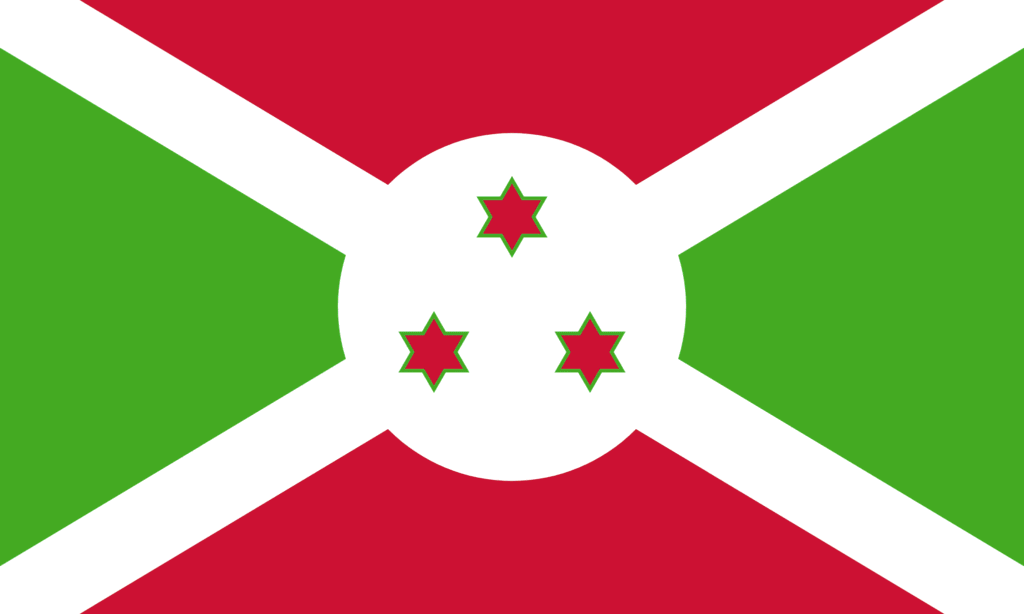
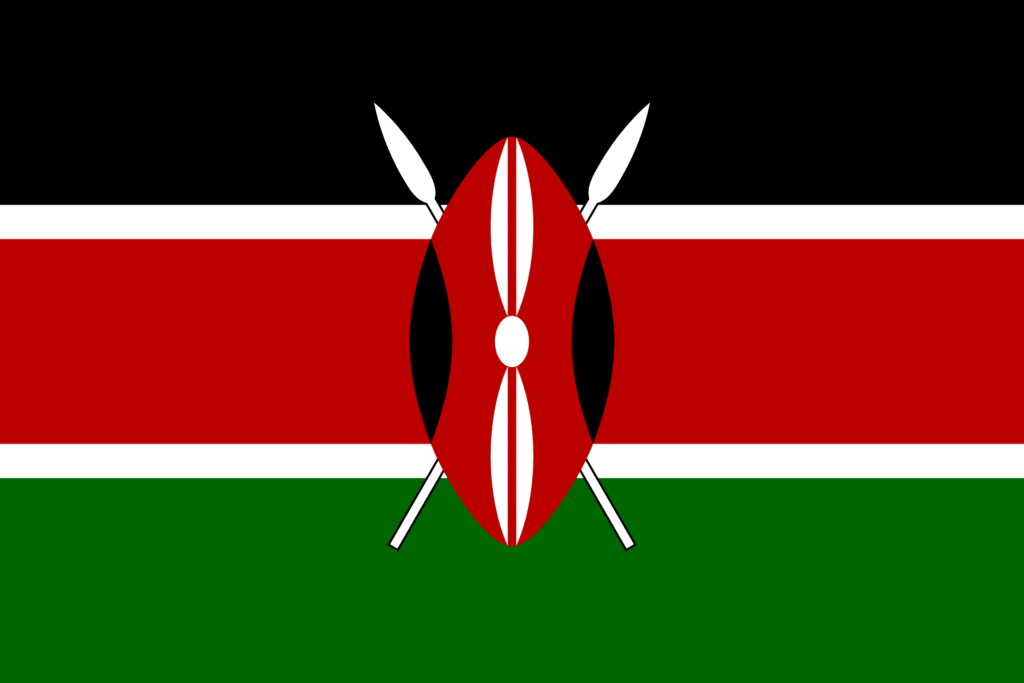
Realted Flags
Flag flying days
| Date | Flag Position | Occasion or Reason |
|---|
| July 9 | Full-mast | Independence Day |
| December 15 | Full-mast | National Constitution Day |
| As Declared | Half-mast | Mourning or national remembrance |
| May 25 | Full-mast | Africa Day |