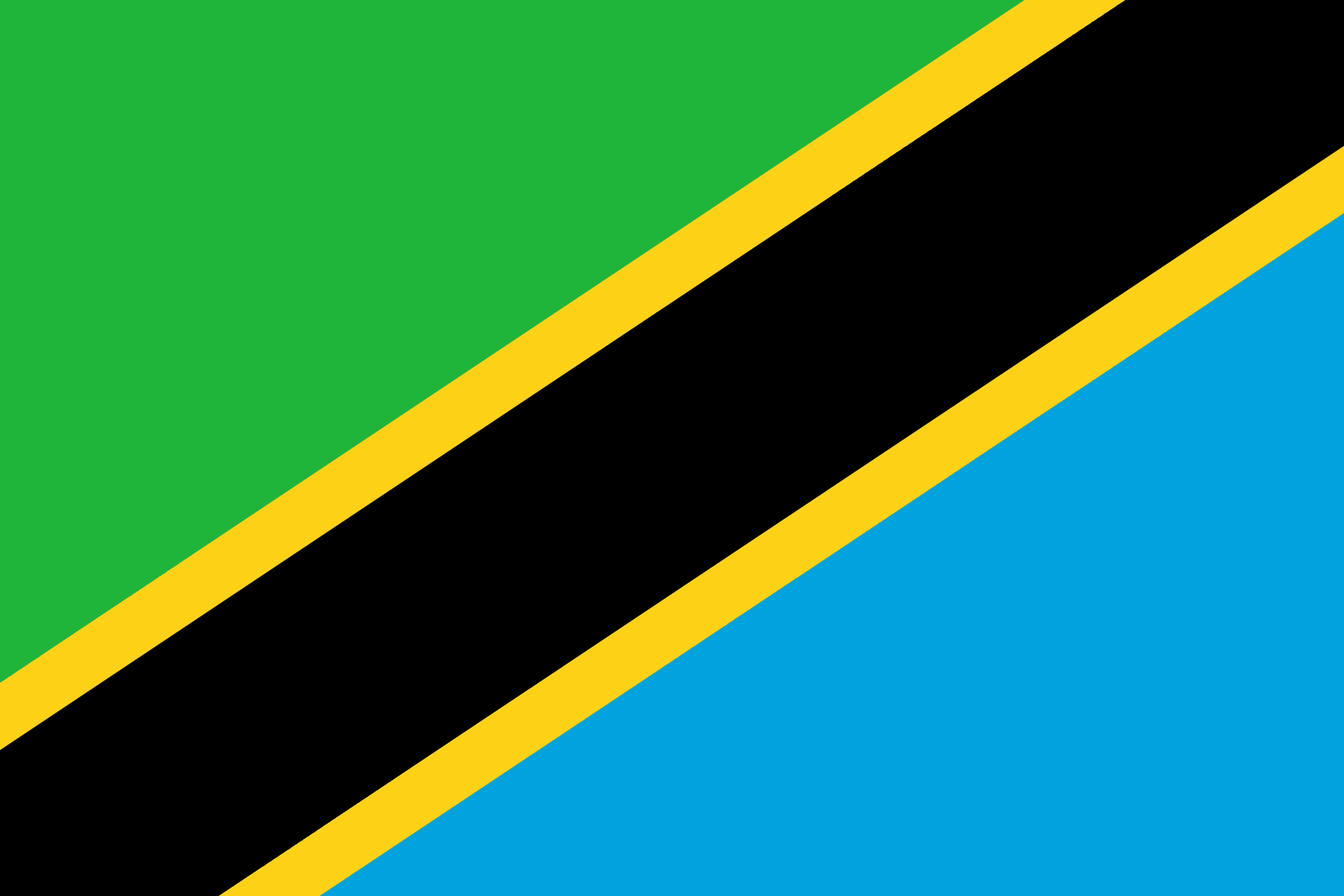
Flag of Tanzania
| Legal Name | United Republic of Tanzania |
|---|---|
| Flag |
|
| Capital City |
Dodoma |
| Total Area | 945,087 km² |
| Land Area | 885,800 km² |
| Water Area | 59,287 km² |
| Population | Approximately 65 million |
| Major Cities | Dar es Salaam (6.7 million), Dodoma (0.5 million), Mwanza (1.2 million), Arusha (0.5 million), Mbeya (0.3 million) |
| Currency | Tanzanian Shilling (TZS) |
| GDP | USD 80 billion |
| GDP Per Capita | USD 1,200 (nominal) |
About of Tanzania
Tanzania is an East African nation located on the eastern coast of the continent, bordered by Kenya and Uganda to the north, Rwanda, Burundi, and the Democratic Republic of the Congo to the west, and Zambia, Malawi, and Mozambique to the south. The country’s eastern boundary lies along the Indian Ocean, providing maritime access and facilitating international trade.
The political capital, Dodoma, hosts government institutions, while Dar es Salaam serves as the commercial and largest urban hub. Other major cities include Mwanza, Arusha, and Mbeya. Tanzania has a population of approximately 65 million, with diverse ethnic and cultural communities that contribute to the nation’s rich heritage.
Internationally, Tanzania is recognized as a stable, independent African nation and is an active member of the African Union (AU), the United Nations (UN), the East African Community (EAC), and other regional and global organizations. Its strategic significance derives from its coastal location, natural resources, and role in regional diplomacy and trade.
Etymology
The name “Tanzania” is a portmanteau derived from “Tanganyika” and “Zanzibar,” the two states that united in 1964. Tanganyika refers to the mainland territory, with roots in the local Swahili and tribal languages meaning “great lake” or “land of the lake,” while Zanzibar denotes the semi-autonomous archipelago off the coast. The union’s name symbolizes national unity and geographical identity.
History
Prehistoric and Ancient Civilizations
Archaeological findings indicate human presence in Tanzania dating back over 1.5 million years, making it a central site for early hominid studies, particularly in the Olduvai Gorge region.
Classical and Medieval Periods
Bantu migrations shaped the linguistic and cultural landscape. Coastal trade along the Indian Ocean flourished between Swahili city-states and Arab, Persian, and Indian merchants, influencing culture, language, and religion.
Colonial Rule
Tanzania was colonized by Germany in the late 19th century as German East Africa. After World War I, it became a British mandate known as Tanganyika. Zanzibar, on the other hand, was a Sultanate under Arab and later British influence.
Independence and Union
Tanganyika gained independence in 1961 under Julius Nyerere, who became its first president. Zanzibar achieved independence in 1963. In 1964, Tanganyika and Zanzibar united to form the United Republic of Tanzania.
Post-Independence Developments
Under Nyerere, Tanzania adopted socialist policies known as Ujamaa, emphasizing rural development and nationalization. Subsequent economic liberalization and multiparty democracy reforms occurred in the 1990s. Today, Tanzania is a politically stable nation with periodic democratic elections.
Government and Politics
Tanzania is a unitary presidential republic:
Executive: President serves as head of state, government, and commander-in-chief of the armed forces.
Legislature: Unicameral National Assembly (Bunge) representing mainland and Zanzibar.
Judiciary: Independent system with a Court of Appeal, High Court, and specialized courts.
Administrative Divisions: 31 regions, subdivided into districts.
Foreign Relations: Active in EAC, AU, and the UN; maintains strong diplomatic relations with both African and global partners.
Defense: Tanzania People’s Defence Force secures borders, engages in peacekeeping, and supports disaster relief.
Economy
Tanzania has a developing, resource-rich economy:
Economic Classification: Developing country, upper-middle-income potential.
Major Industries: Agriculture, mining (gold, diamonds, tanzanite), tourism, manufacturing, and energy.
Agriculture: Key crops include coffee, tea, maize, cashews, and sugarcane.
Natural Resources: Mineral wealth, wildlife, forest products, natural gas, and hydropower.
Trade Partners: China, India, EU, South Africa, and neighboring EAC nations.
Challenges: Infrastructure deficits, poverty, unemployment, and dependence on agriculture.
Outlook: Sustainable growth through tourism, mining, energy, and regional trade integration.
Demographics
Tanzania is ethnically and linguistically diverse:
Ethnic Groups: Over 120 distinct groups, including Sukuma, Chagga, Haya, Nyamwezi, and Maasai.
Languages: Swahili (national and lingua franca), English (official), and numerous indigenous languages.
Religions: Predominantly Christian and Muslim, with indigenous beliefs coexisting in some regions.
Urban vs Rural: Around 36% urban population, with the majority residing in rural areas.
Population Trends: Moderate growth, declining fertility rates in urban centers, and youthful demographic profile.
Culture and Society
Tanzania has a rich cultural tapestry:
National Identity: Strong Swahili heritage blended with indigenous ethnic cultures.
Arts: Traditional dance, music, weaving, and storytelling thrive in festivals and daily life.
Cuisine: Staple foods include maize, cassava, rice, fish, and spicy stews.
Festivals: Eid, Christmas, National Day, and cultural festivals reflect ethnic and religious diversity.
Sports: Football, athletics, and traditional games; Mount Kilimanjaro attracts international climbers and adventure tourism.
Education and Healthcare
Education is compulsory for primary schooling and expanding access to secondary and higher education. Literacy exceeds 80%. The healthcare system combines public facilities and private providers, with national programs targeting malaria, HIV/AIDS, maternal health, and vaccination coverage.
Geography and Climate
Tanzania’s geography is varied:
Physical Features: Mount Kilimanjaro (Africa’s highest peak), Serengeti Plains, Great Rift Valley, Lake Victoria, and extensive coastline.
Climate Zones: Tropical along the coast, temperate in highlands, semi-arid in central regions.
Natural Hazards: Droughts, floods, and occasional earthquakes.
Environmental Concerns: Deforestation, wildlife poaching, and soil degradation.
Flora and Fauna
Tanzania hosts some of Africa’s richest biodiversity:
Flora: Savannah grasslands, tropical forests, wetlands, and coastal mangroves.
Wildlife: Elephants, lions, leopards, rhinoceroses, hippos, giraffes, and endemic species.
Conservation: Serengeti, Ngorongoro Crater, Selous Game Reserve, and numerous national parks protect ecosystems and promote eco-tourism.
Map of Tanzania
Flag: Green, yellow, black, and blue diagonal stripes.
Coat of Arms: Includes a warrior’s shield, elephant tusks, spear, and agricultural symbols.
National Anthem: Mungu Ibariki Afrika (God Bless Africa)
National Animals/Plants: Giraffe, African elephant, flame lily (national flower), Mount Kilimanjaro as natural monument.
National Flag (Detailed Section)
The flag consists of a diagonal black band edged in yellow, separating green (upper) and blue (lower) triangles. Adopted in 1964, green represents agriculture, blue represents the Indian Ocean, black symbolizes Tanzanian people, and yellow reflects mineral wealth. The flag is displayed on national holidays, government offices, and public events. Half-mast is used for mourning.
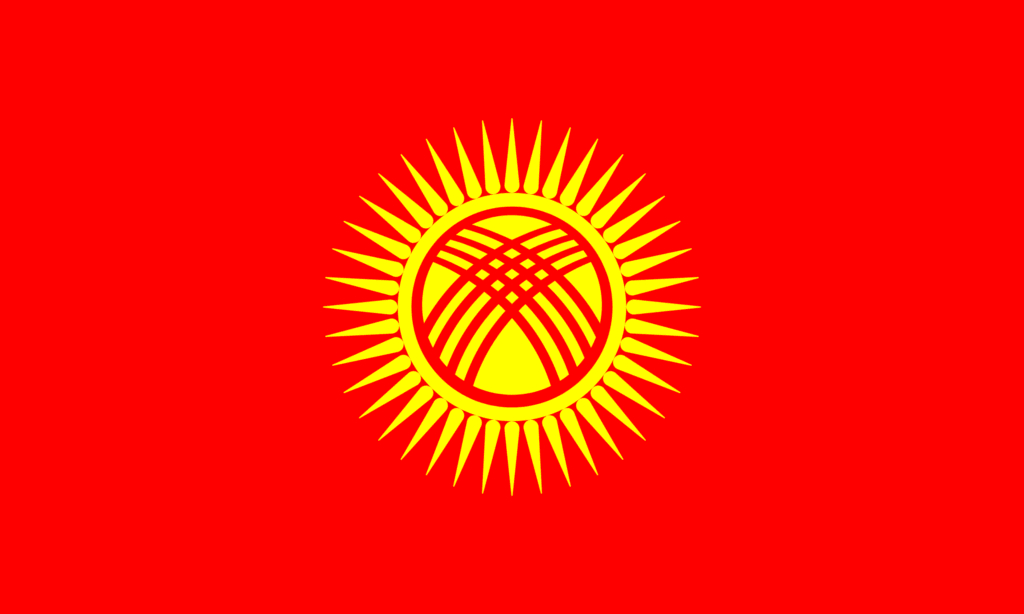
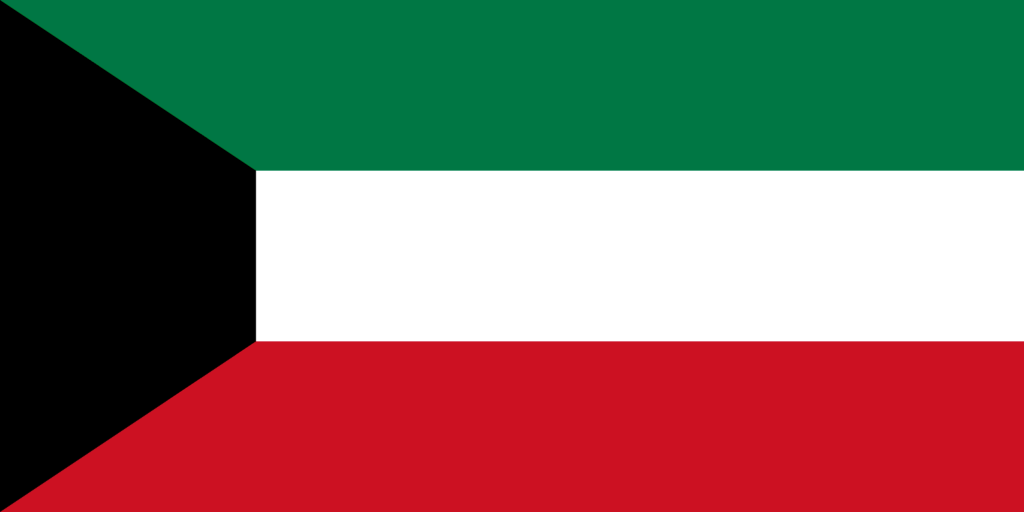
Realted Flags
Flag flying days
| Date | Flag Position | Occasion or Reason |
|---|
| April 26 | Full-mast | Union Day of Tanganyika and Zanzibar |
| December 9 | Full-mast | Independence Day |
| As Declared | Half-mast | National mourning or presidential funerals |
| January 12 | Full-mast | Zanzibar Revolution Anniversary |
| November 18 | Full-mast | National Heroes Day |