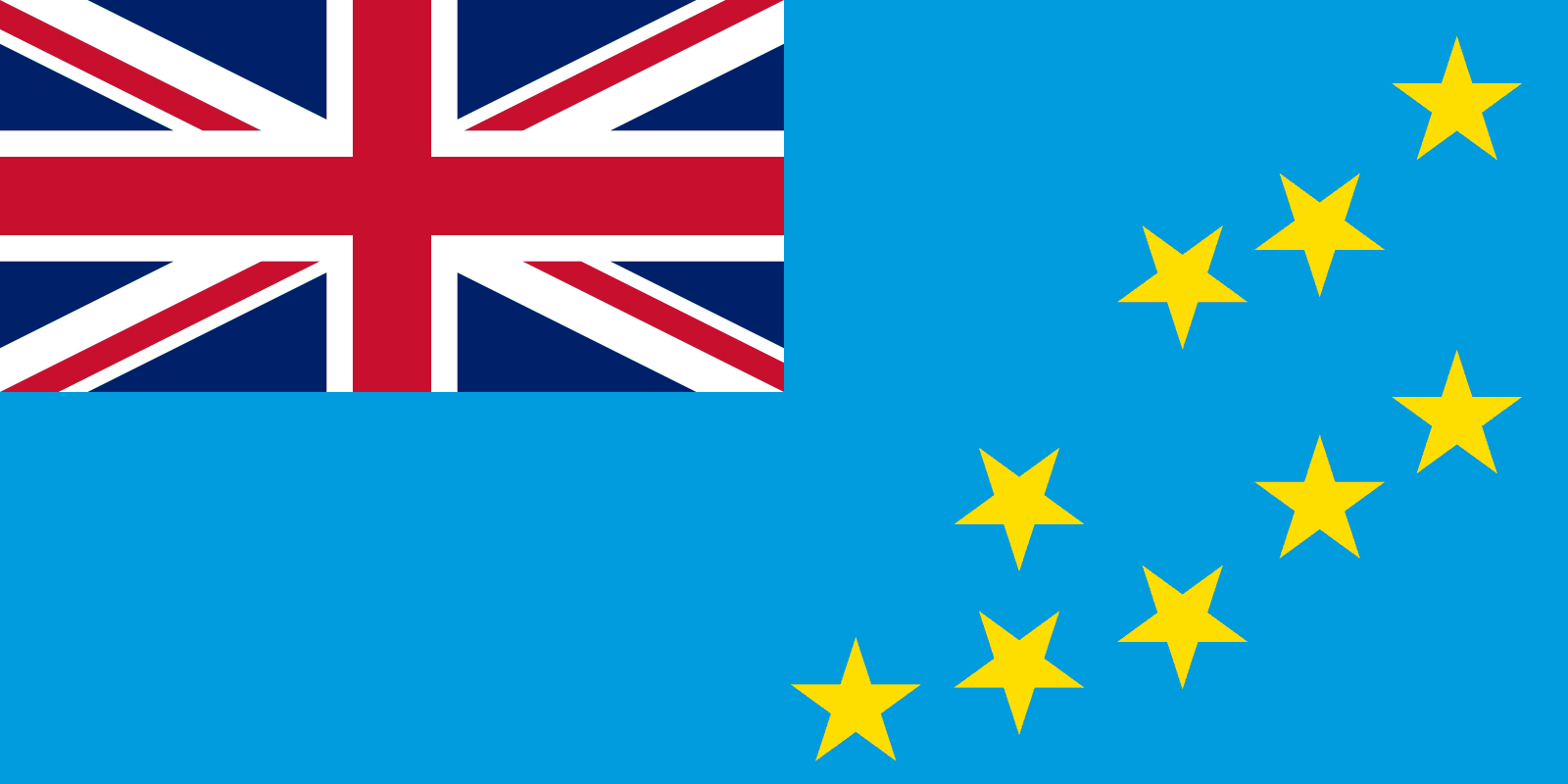
Flag of Tuvalu
| Legal Name | Tuvalu |
|---|---|
| Flag |
|
| Capital City |
Funafuti |
| Total Area | 26 km² |
| Land Area | 26 km² |
| Water Area | Negligible (territorial waters extensive) |
| Population | Approximately 11,500 |
| Major Cities | Funafuti (about 6,000), Vaitupu (1,500), Nanumea (700), Nui (600) |
| Currency | Tuvaluan dollar (TV$) and Australian dollar (AUD) |
| GDP | Approximately USD 60–65 million |
| GDP Per Capita | Approximately USD 5,500–6,000 |
About of Tuvalu
Tuvalu is a small island nation located in the central Pacific Ocean, midway between Hawaii and Australia. It is part of the Polynesian subregion of Oceania and consists of nine low-lying coral atolls and reef islands spread across a vast area of ocean. Despite its extremely small land area, Tuvalu controls a large exclusive economic zone that is significant for fisheries and maritime resources.
The country has no land borders, and its closest neighbors are Kiribati to the north, Fiji to the south, Samoa to the southeast, and the Solomon Islands to the west. Funafuti, the capital and largest settlement, functions as the political, economic, and transportation hub of the nation, housing government institutions and the main port and airstrip.
Tuvalu is internationally recognized as a sovereign state and is a member of the United Nations and other international organizations. Its global profile is strongly linked to climate change advocacy, as it is one of the countries most vulnerable to sea-level rise, making it a prominent voice in international environmental and climate negotiations.
Etymology
The name “Tuvalu” comes from the Tuvaluan language and means “eight standing together.” This name originally referred to the eight islands that were historically inhabited. The ninth island, Niulakita, was settled later. Over time, the name Tuvalu came to represent the entire group of islands and the unified nation-state formed in the 20th century.
History
Prehistoric and Ancient Civilizations
Tuvalu was settled by Polynesian navigators several thousand years ago. These early settlers relied on advanced seafaring skills, oral traditions, and communal social structures to survive in a challenging island environment with limited natural resources.
Classical and Medieval Periods
Before European contact, Tuvaluan society was organized around island-based communities led by chiefs. Social life revolved around kinship, fishing, subsistence agriculture, and traditional belief systems, with strong inter-island cultural links across Polynesia.
Colonial Rule
In the late 19th century, Tuvalu came under British influence and was incorporated into the Gilbert and Ellice Islands Protectorate. During this period, Christianity spread widely, and colonial administration introduced new governance structures and education systems.
Independence Movement
Tuvalu separated administratively from the Gilbert Islands in 1975 following a referendum. It achieved full independence on 1 October 1978, becoming a constitutional monarchy within the Commonwealth.
Post-Independence and Modern Developments
Since independence, Tuvalu has focused on nation-building, education, and international engagement. In recent decades, climate change and environmental sustainability have become central national issues, shaping domestic policy and foreign relations.
Government and Politics
Tuvalu is a constitutional monarchy with a parliamentary democratic system. The monarch is the head of state, represented locally by a governor-general, while executive power is exercised by a prime minister and cabinet chosen from among members of parliament.
The legislative branch is a unicameral parliament elected by popular vote. The judiciary is independent and based on common law principles. Administratively, Tuvalu is divided into island councils that manage local affairs. The country maintains active diplomatic relations, particularly within the Pacific region, and has no standing military, relying on international partnerships for defense and security.
Economy
Tuvalu has a small developing economy with limited diversification. Subsistence agriculture and fishing remain important for daily life, while the formal economy relies heavily on external revenue sources. These include fishing license fees, remittances from Tuvaluans working abroad, development assistance, and income from the leasing of the “.tv” internet domain.
There is minimal manufacturing, and services dominate economic activity, particularly public administration and trade. Natural resources are scarce, with fisheries being the most valuable. Economic challenges include geographic isolation, high import dependence, and vulnerability to climate impacts. Future prospects depend on sustainable fisheries management, digital revenue streams, and international support.
Demographics
Tuvalu has a small and largely homogeneous population, predominantly of Polynesian ethnicity. The majority of residents live on Funafuti, reflecting a trend toward urban concentration. Tuvaluan and English are the official languages, with Tuvaluan widely spoken in daily life.
Christianity is the dominant religion, shaping social norms and community life. Population growth is modest, with migration playing a significant role in demographic change, as many Tuvaluans seek education and employment opportunities overseas.
Culture and Society
Tuvaluan culture places strong emphasis on community, cooperation, and respect for elders. Traditional music, dance, and storytelling are central to cultural expression, often performed during ceremonies and celebrations. National identity is closely tied to island life, the ocean, and shared heritage.
Cuisine is based on local staples such as fish, coconut, taro, and breadfruit, supplemented by imported foods. Social customs value modesty, hospitality, and collective responsibility. Public holidays include Independence Day and religious observances. Sports such as football and traditional games are popular recreational activities.
Education and Healthcare
Education in Tuvalu is compulsory at the primary level and supported by government institutions. Secondary education is available domestically, while higher education is often pursued abroad through regional universities and scholarship programs. Literacy rates are high by regional standards.
Healthcare services are centered in Funafuti, with smaller clinics on outer islands. Public health priorities include nutrition, non-communicable diseases, and climate-related health risks. Despite limited resources, Tuvalu has made progress in basic healthcare access.
Geography and Climate
Tuvalu’s geography is defined by low-lying coral atolls with an average elevation of less than two meters above sea level. There are no rivers or mountains, and land is narrow and fragile. The country has a tropical maritime climate with warm temperatures year-round and a distinct wet season.
Natural hazards include cyclones, storm surges, and coastal erosion. Environmental concerns are dominated by sea-level rise, saltwater intrusion, and freshwater scarcity, making climate adaptation a national priority.
Flora and Fauna
Biodiversity on land is limited due to poor soils and small land area. Native vegetation includes coconut palms, pandanus, and breadfruit trees. Terrestrial wildlife is sparse, mainly consisting of birds and small reptiles.
Marine biodiversity is rich, with coral reefs supporting fish, turtles, and other marine species. Conservation efforts focus on protecting marine ecosystems and ensuring sustainable fishing practices.
Map of Tuvalu
Tuvalu’s national symbols reflect its maritime environment and historical ties. The national flag, coat of arms, and anthem emphasize unity, faith, and island heritage. Symbols often highlight the ocean and traditional values that sustain Tuvaluan society.
National Flag (Detailed Section)
The national flag of Tuvalu features a light blue background symbolizing the Pacific Ocean. The Union Jack in the upper hoist corner reflects historical ties to the United Kingdom. Nine yellow stars arranged on the fly side represent the country’s nine islands, positioned geographically as they appear on the map. The flag was adopted at independence in 1978 and is used on government buildings, schools, and during national celebrations, following established flag protocol.
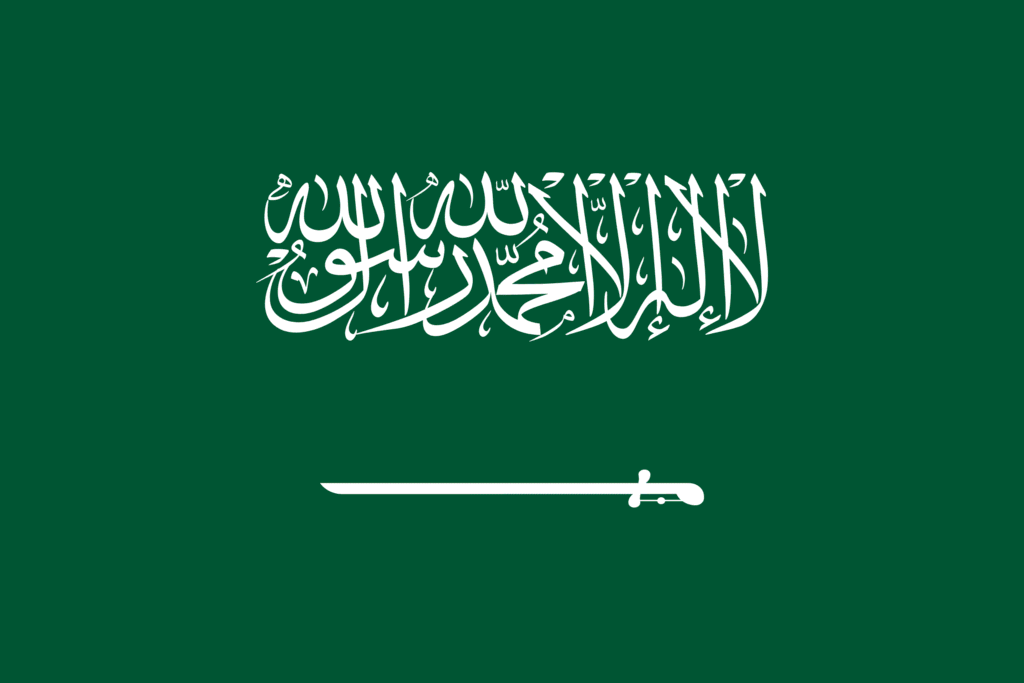
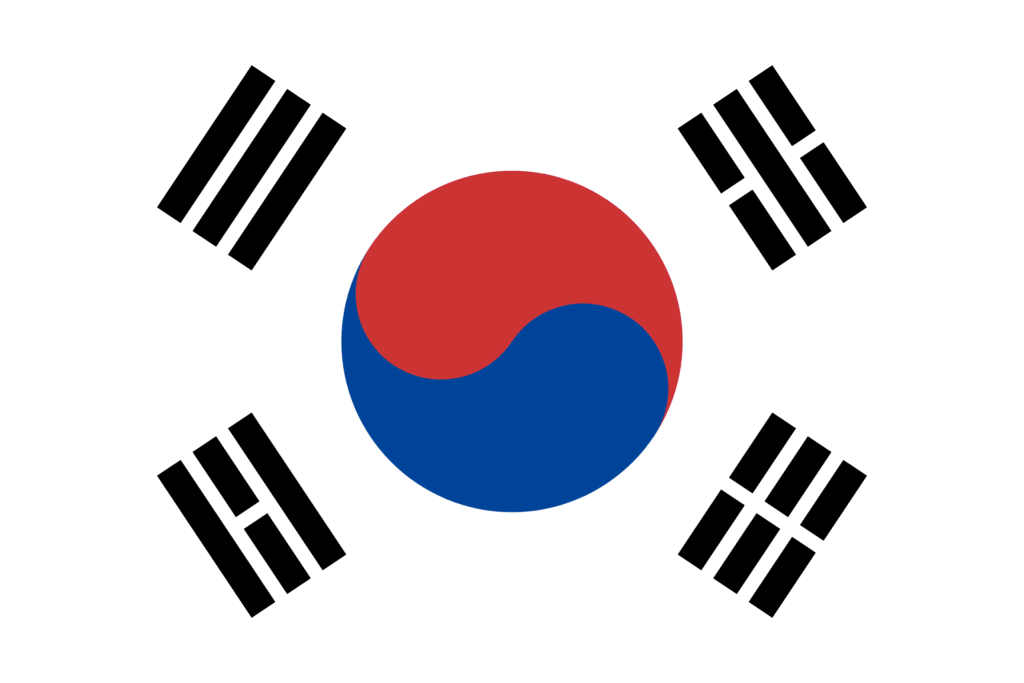
Realted Flags
Flag flying days
| Date | Flag Position | Occasion or Reason |
|---|
| January 1 | Full-mast | New Year’s Day |
| March 13 | Full-mast | Commonwealth Day |
| April 26 | Full-mast | Gospel Day |
| October 1 | Full-mast | Independence Day |
| December 25 | Full-mast | Christmas Day |
| As Declared | Half-mast | National mourning or remembrance |