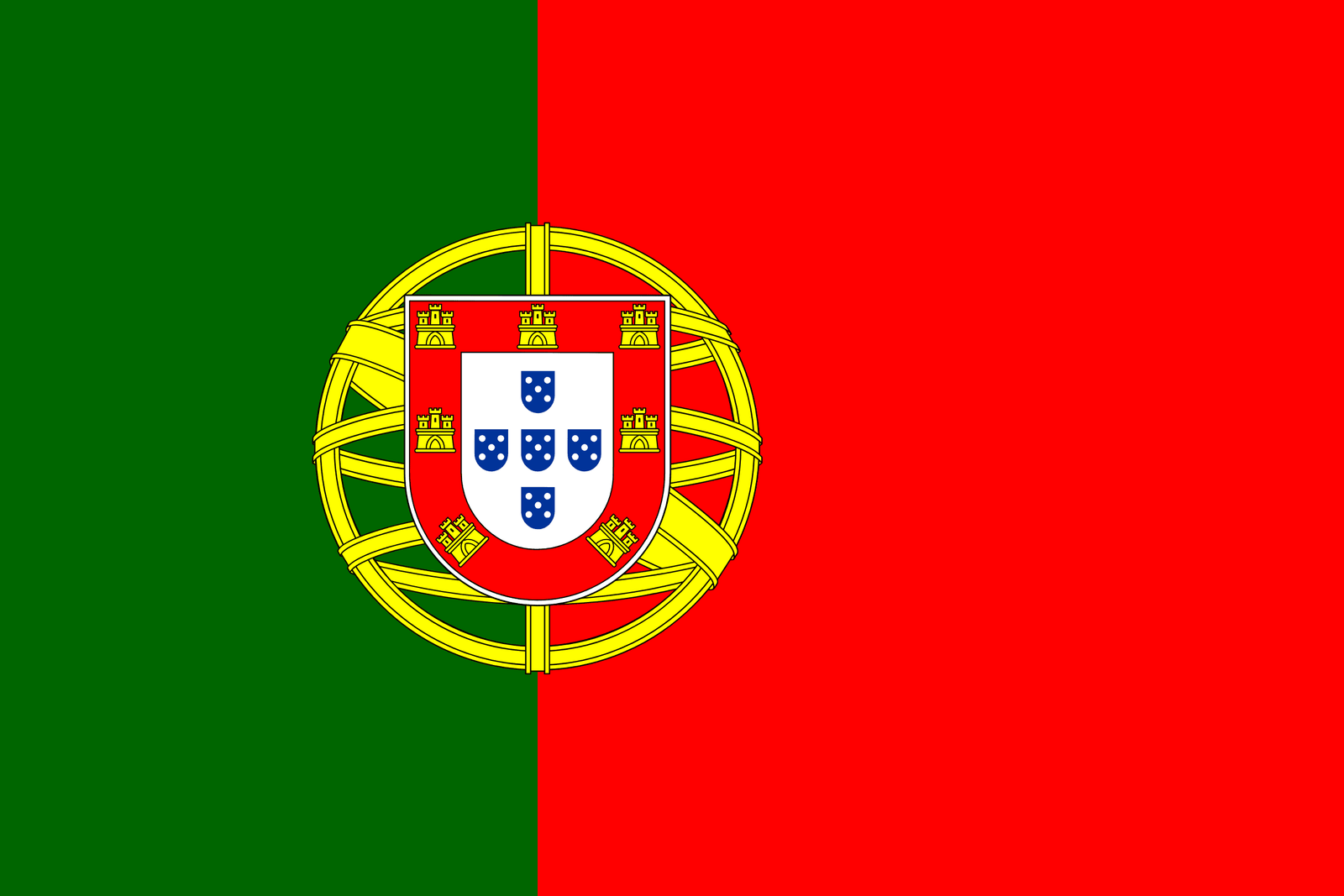
Flag of Portugal
| Legal Name | Portuguese Republic |
|---|---|
| Flag |
|
| Capital City |
Lisbon |
| Total Area | 92,212 km² |
| Land Area | 91,590 km² |
| Water Area | 622 km² |
| Population | Approximately 10.3 million |
| Major Cities | Lisbon (~545,000), Porto (~237,000), Vila Nova de Gaia (~302,000), Braga (~193,000), Coimbra (~143,000) |
| Currency | Euro (€) |
| GDP | USD 301 billion |
| GDP Per Capita | USD 53,000 (PPP) |
About of Portugal
Portugal is a southern European nation situated on the Iberian Peninsula, sharing its only land border with Spain to the east and north, while its western and southern coastlines meet the Atlantic Ocean. This strategic location has historically made Portugal a maritime power, facilitating trade, exploration, and cultural exchange for centuries. Portugal also governs the autonomous regions of the Azores and Madeira, situated in the Atlantic, which contribute to its geopolitical reach.
The capital and largest city, Lisbon, is a hub of political, economic, and cultural activity, boasting historic neighborhoods, modern infrastructure, and international connectivity. Other significant urban centers include Porto, renowned for its port wine and cultural heritage, and Braga, an important religious and academic city. Portugal’s population is primarily urban, concentrated in coastal areas, while inland regions are more sparsely populated. Internationally, Portugal is recognized as a member of the European Union, United Nations, and NATO, reflecting its commitment to global cooperation and diplomacy. Its geopolitical importance lies in its Atlantic coastline, strategic ports, and role in EU and Lusophone relations.
Etymology
The name “Portugal” originates from the ancient Roman-Celtic settlement “Portus Cale” in the north of modern Portugal near Porto. Over time, “Portus Cale” evolved into Portucale, which eventually became “Portugal.” The term reflects both the historical port town and the broader territory that emerged as the nation-state. Linguistically, it has roots in Latin and Celtic languages, symbolizing the fusion of cultural and historical influences in the region.
History
Prehistoric and Ancient Civilizations
Archaeological sites reveal that humans inhabited Portugal over 500,000 years ago, with evidence from Paleolithic and Neolithic periods, including stone tools and cave paintings. Early communities were organized into tribal societies and practiced agriculture and animal husbandry.
Classical and Medieval Periods
During the Iron Age, Celtic tribes settled in the region, later incorporated into the Roman Empire in the 2nd century BCE, which introduced urban planning, roads, and Latin culture. Following the collapse of Roman authority, the area was invaded by Germanic tribes, including the Suebi and Visigoths. The Moorish conquest in the 8th century brought Islamic influence, which lasted until the 12th century.
Formation of the Kingdom
Portugal emerged as a distinct kingdom in 1139 under Afonso I, gaining full independence from the Kingdom of León. The nation gradually unified its territory, establishing administrative and legal structures.
Age of Exploration
From the 15th to 17th centuries, Portugal became a maritime empire, exploring Africa, Asia, and the Americas. Pioneering explorers such as Vasco da Gama and Prince Henry the Navigator expanded Portuguese influence, establishing trade routes and colonies.
Colonial and Imperial Period
Portugal maintained colonies in Brazil, Africa, and Asia, creating a global empire. Economic decline and political instability in the 19th century reduced imperial power, culminating in the loss of Brazil in 1822.
Modern History
Portugal transitioned from a monarchy to a republic in 1910, followed by periods of political instability. The Estado Novo authoritarian regime lasted from 1933 to 1974. The Carnation Revolution of 1974 restored democracy and led to decolonization of African territories. Portugal joined the European Economic Community (now EU) in 1986, boosting economic growth and modernization.
Government and Politics
Type of Government: Unitary parliamentary republic
Constitution and Legal Framework: 1976 Constitution; democratic governance with civil liberties
Executive: President (head of state), Prime Minister (head of government)
Legislative: Unicameral Assembly of the Republic
Judiciary: Independent judiciary, Constitutional Court oversees legal compliance
Administrative Divisions: 18 districts and 2 autonomous regions (Azores, Madeira)
Foreign Relations: Active EU member, NATO participant, UN and Lusophone network member
Defense: Armed Forces include Army, Navy, Air Force; focus on defense of territory and international missions
Economy
Economic Classification: Developed, high-income country
Major Industries: Tourism, textiles, automotive, cork, chemicals, machinery, renewable energy
Agriculture and Services: Wine, olive oil, fruits, fisheries; service sector dominates GDP
Natural Resources: Copper, tin, tungsten, uranium, hydropower
Trade Partners: Spain, Germany, France, UK, US, Angola
Economic Challenges: Aging population, regional inequality, economic diversification
Outlook: Sustainable growth through tourism, technology, renewable energy, and EU integration
Demographics
Population Composition: Predominantly Portuguese; small immigrant communities from Brazil, Cape Verde, and Eastern Europe
Ethnic Groups: 96% Portuguese, others 4%
Languages: Portuguese (official), English, Spanish widely understood
Religions: Roman Catholic majority, small Protestant, Muslim, Jewish communities
Urban vs Rural Population: ~65% urban; coastal cities dominate
Population Growth Trends: Low birth rates; aging population; modest immigration
Culture and Society
Cultural Heritage: Blend of Roman, Moorish, and maritime traditions
National Identity: Pride in history, maritime exploration, and Catholic heritage
Arts & Literature: Fado music, azulejos (ceramic tiles), works of Camões and Pessoa
Cuisine: Bacalhau (codfish), pastel de nata, cheeses, wines, olive oil
Social Norms: Family-centric, Catholic-influenced traditions, hospitality valued
Festivals & Holidays: National Day (June 10), Carnival, Saint Anthony’s Day, Fado festivals
Sports: Soccer is most popular, also basketball, athletics, surfing
Education and Healthcare
Education System: Free and compulsory up to age 18; higher education includes universities and polytechnics
Literacy Rate: 95%
Healthcare System: Universal healthcare through National Health Service; high-quality hospitals and clinics
Public Health Challenges: Aging population, chronic diseases, lifestyle-related health issues
Geography and Climate
Physical Geography: Mountain ranges (Serra da Estrela), rivers (Tagus, Douro), plains, and extensive Atlantic coastline
Climate Zones: Mediterranean climate; warm, dry summers, mild, rainy winters
Natural Hazards: Occasional earthquakes, wildfires, flooding
Environmental Concerns: Coastal erosion, water management, pollution
Flora and Fauna
Biodiversity: Rich in Mediterranean and Atlantic species
Native Plant Species: Cork oak, holm oak, olive trees, wildflowers
Wildlife: Iberian lynx, wild boar, foxes, migratory birds
National Parks & Conservation: Peneda-Gerês, Arrábida, Madeira Island conservation areas
Map of Portugal
Flag: Green and red with national coat of arms
Coat of Arms: Armillary sphere over shield with castles and shields
National Anthem: A Portuguesa
National Animals / Plants: Iberian wolf, cork oak
National Flag (Detailed Section)
Design and Layout: Vertical bicolor of green (hoist) and red with national coat of arms at the boundary
Historical Development: Adopted in 1911 after the establishment of the republic
Symbolism: Green symbolizes hope; red represents blood of those who died defending the nation; coat of arms represents historical achievements and maritime heritage
Flag Protocol: Displayed on public buildings, schools, and national ceremonies; flown at half-mast during mourning
Usage: National events, international representation, official documents
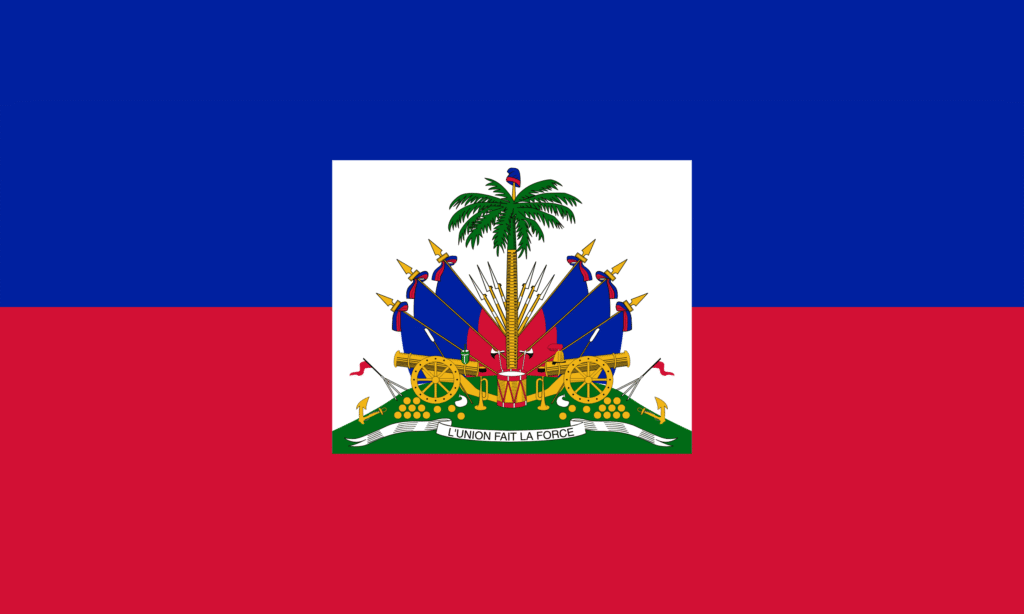
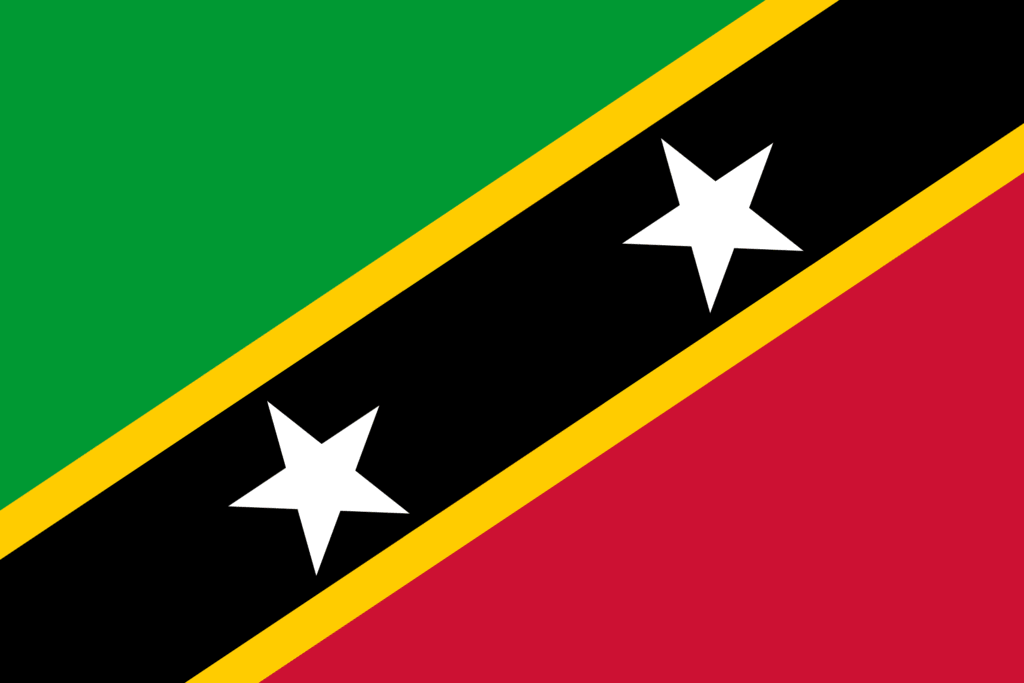
Realted Flags
Flag flying days
| Date | Flag Position | Occasion / Reason |
|---|---|---|
| June 10 | Full-mast | Portugal Day (National Day) |
| April 25 | Full-mast | Liberation Day (Carnation Revolution anniversary) |
| December 1 | Full-mast | Restoration of Independence Day |
| National Mourning | Half-mast | Death of President or national tragedy |