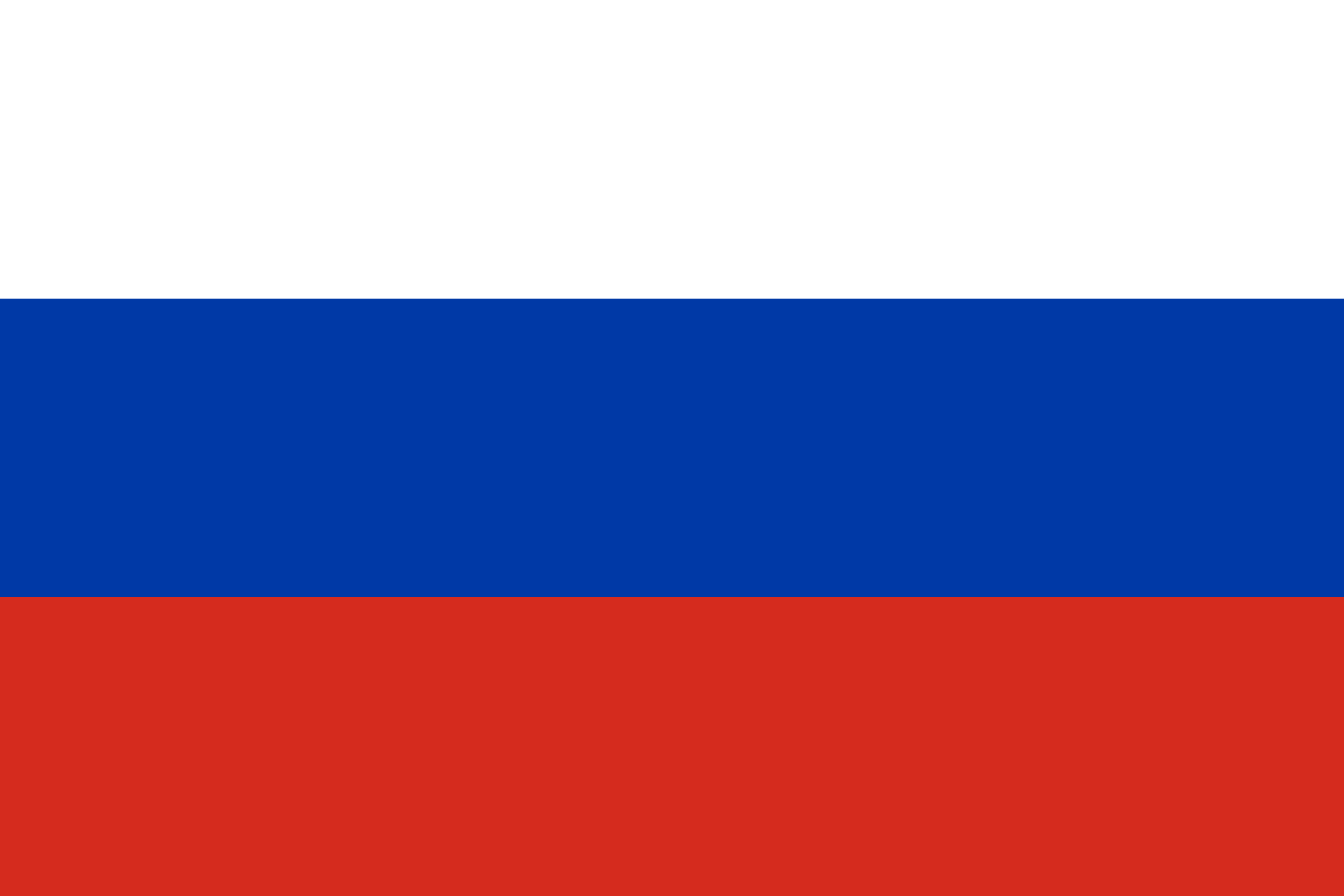
Flag of Russia
| Legal Name | Russian Federation |
|---|---|
| Flag |
|
| Capital City |
Moscow |
| Total Area | 17,098,246 |
| Land Area | ~16,377,742 |
| Water Area | ~720,504 |
| Population | Approximately 146 million |
| Major Cities | Moscow (~13 million), Saint Petersburg (~5.6 million), Novosibirsk (~1.6 million), Yekaterinburg (~1.5 million), Kazan (~1.3 million) |
| Currency | Russian ruble (RUB) |
| GDP | ~USD 2.1 trillion |
| GDP Per Capita | ~USD 14,000 (nominal); ~USD 36,000 (PPP) |
About of Russia
Russia is the largest country in the world by land area, spanning Eastern Europe and Northern Asia across eleven time zones. Its vast territory extends from the Baltic Sea in the west to the Pacific Ocean in the east, and from the Arctic Ocean in the north to the Caucasus and Central Asian borders in the south. This immense geographic reach gives Russia exceptional environmental, climatic, and strategic diversity.
The country shares land borders with fourteen nations, including Norway, Finland, the Baltic states, Poland (Kaliningrad exclave), Belarus, Ukraine, Georgia, Azerbaijan, Kazakhstan, China, Mongolia, and North Korea, and has extensive maritime borders with the Arctic and Pacific Oceans. Moscow, the capital, is the political, economic, and cultural center, while Saint Petersburg serves as a major cultural and historical hub.
Russia is a fully sovereign state and a permanent member of the United Nations Security Council, reflecting its long-standing role in global politics. Its strategic importance derives from its geographic scale, military capabilities, natural resources, energy exports, and influence across Europe, Asia, and the Arctic.
Etymology
The name Russia originates from “Rus’”, a medieval polity centered around Kyiv and Novgorod. The term is widely believed to derive from the Varangian (Norse) word associated with rowing or seafaring peoples who ruled early Slavic territories.
Over time, Rus’ evolved linguistically through Byzantine Greek (Rhōs) and Latin forms into Russia. The name came to represent both the territory and political authority of the expanding Russian state, eventually formalized as the Russian Federation.
History
Prehistoric and Ancient Periods
Human habitation in present-day Russia dates back tens of thousands of years. Early societies included hunter-gatherer groups, followed by the emergence of Finno-Ugric, Slavic, and Turkic peoples. Ancient trade routes connected the region to Europe, the Middle East, and Asia.
Medieval Period
The medieval state of Kievan Rus’ (9th–13th centuries) laid the cultural and political foundations of Russian civilization, including the adoption of Eastern Orthodox Christianity in 988. The Mongol invasions of the 13th century fragmented the region but also reshaped governance.
Rise of the Russian State
The Grand Duchy of Moscow gradually consolidated power, culminating in the formation of the Tsardom of Russia under Ivan IV (Ivan the Terrible) in the 16th century. Territorial expansion across Siberia established Russia as a transcontinental power.
Imperial Russia
In 1721, Peter the Great proclaimed the Russian Empire, modernizing the state and expanding its influence across Europe and Asia. By the 19th century, Russia was one of the world’s major empires, though marked by social inequality and political unrest.
Soviet Era
The Russian Revolution of 1917 ended imperial rule, leading to the creation of the Union of Soviet Socialist Republics (USSR) in 1922. The Soviet Union emerged as a global superpower after World War II, shaping international politics throughout the Cold War.
Post-Soviet Period
Following the dissolution of the USSR in 1991, Russia became an independent state and adopted a new constitution in 1993. Since then, Russia has experienced economic transformation, political centralization, and renewed assertiveness on the global stage.
Government and Politics
Russia is a federal semi-presidential republic.
Constitution: Adopted in 1993, defining the structure of government and civil rights
Executive Branch: President as head of state; Prime Minister as head of government
Legislative Branch: Bicameral Federal Assembly (State Duma and Federation Council)
Judicial Branch: Constitutional Court, Supreme Court, and federal courts
Administrative Divisions: 85 federal subjects, including republics, oblasts, krais, and federal cities
Foreign Relations: Active in international diplomacy; member of the UN, G20, and other global forums
Defense: One of the world’s largest armed forces, including nuclear capabilities, with a focus on national defense and strategic deterrence
Economy
Russia has an upper-middle-income, resource-rich economy often classified as emerging or transition-based.
Key sectors include energy (oil, natural gas), mining, manufacturing, defense industries, agriculture, and services. The country holds some of the world’s largest reserves of natural gas, oil, coal, and critical minerals.
Major exports consist of energy products, metals, chemicals, and agricultural goods, with significant trade relationships across Europe, Asia, and the Middle East. Economic challenges include sanctions exposure, demographic pressures, and dependence on commodity exports, while long-term goals focus on diversification, technological development, and infrastructure modernization.
Demographics
Russia’s population is ethnically diverse, comprising over 190 ethnic groups, with ethnic Russians forming the majority. Significant minorities include Tatars, Ukrainians, Bashkirs, Chechens, and others.
Russian is the official language, though many regional languages are recognized. The dominant religion is Eastern Orthodox Christianity, alongside Islam, Buddhism, Judaism, and secular beliefs. The population is highly urbanized, with most people living in cities. Population growth has been slow, influenced by low birth rates and aging demographics.
Culture and Society
Russian culture reflects a rich blend of Slavic traditions, Orthodox Christianity, and imperial and Soviet influences. The country has made lasting contributions to literature, classical music, ballet, theater, and visual arts, with figures such as Tolstoy, Dostoevsky, Tchaikovsky, and Kandinsky shaping global culture.
Cuisine features hearty dishes like borscht, pelmeni, blini, and rye bread. Social customs emphasize hospitality, respect for tradition, and strong family ties. Major holidays include New Year’s Day, Victory Day, and Russia Day. Popular sports include football, ice hockey, gymnastics, and athletics.
Education and Healthcare
Russia maintains a comprehensive public education system, with compulsory primary and secondary education and a strong tradition in science and engineering. Literacy rates exceed 99%, and higher education institutions are widespread.
Healthcare is provided primarily through a state-funded system, supplemented by private services. Public health priorities include addressing regional disparities, chronic diseases, and improving healthcare infrastructure.
Geography and Climate
Russia’s geography includes vast plains, dense forests, tundra, mountain ranges, and extensive coastlines. Major features include the Ural Mountains, Siberian Plateau, Caucasus Mountains, and major rivers such as the Volga, Yenisei, and Lena.
The climate ranges from Arctic in the north to temperate in the south, with long, cold winters and short summers in many regions. Natural hazards include wildfires, floods, earthquakes, and permafrost thaw, which also poses environmental challenges.
Flora and Fauna
Russia hosts some of the world’s most extensive natural ecosystems, including taiga forests, tundra, steppes, and wetlands. Native species include birch, pine, spruce, and larch trees.
Wildlife ranges from brown bears, wolves, and lynx to Amur tigers, polar bears, and reindeer. Conservation efforts include a large network of national parks and nature reserves aimed at preserving biodiversity.
Map of Russia
National Flag: White-blue-red tricolor
Coat of Arms: Double-headed eagle
National Anthem: “State Anthem of the Russian Federation”
National Animal: Brown bear
National Monuments: Kremlin, Red Square
National Flag (Detailed Section)
The Russian flag consists of three horizontal stripes: white, blue, and red. First widely used in the late 17th century, it was officially adopted during the imperial period and restored in 1991 after the Soviet era.
The colors are commonly interpreted as symbolizing peace and honesty (white), faith and loyalty (blue), and strength and courage (red). The flag is flown on government buildings, during official ceremonies, and on national holidays, following strict protocol.
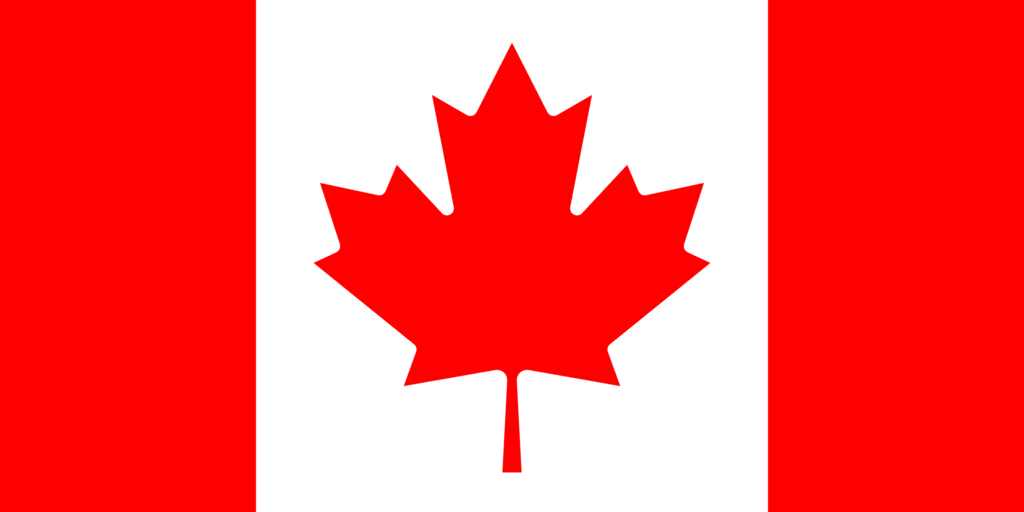
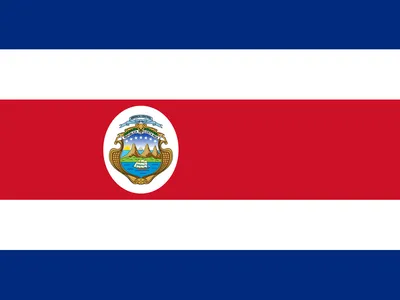
Realted Flags
Flag flying days
| Date | Flag Position | Occasion / Reason |
|---|
| June 12 | Full-mast | Russia Day |
| May 9 | Full-mast | Victory Day |
| Constitution Day (Dec 12) | Full-mast | Adoption of the Constitution |
| National Mourning Days | Half-mast | State-declared mourning |