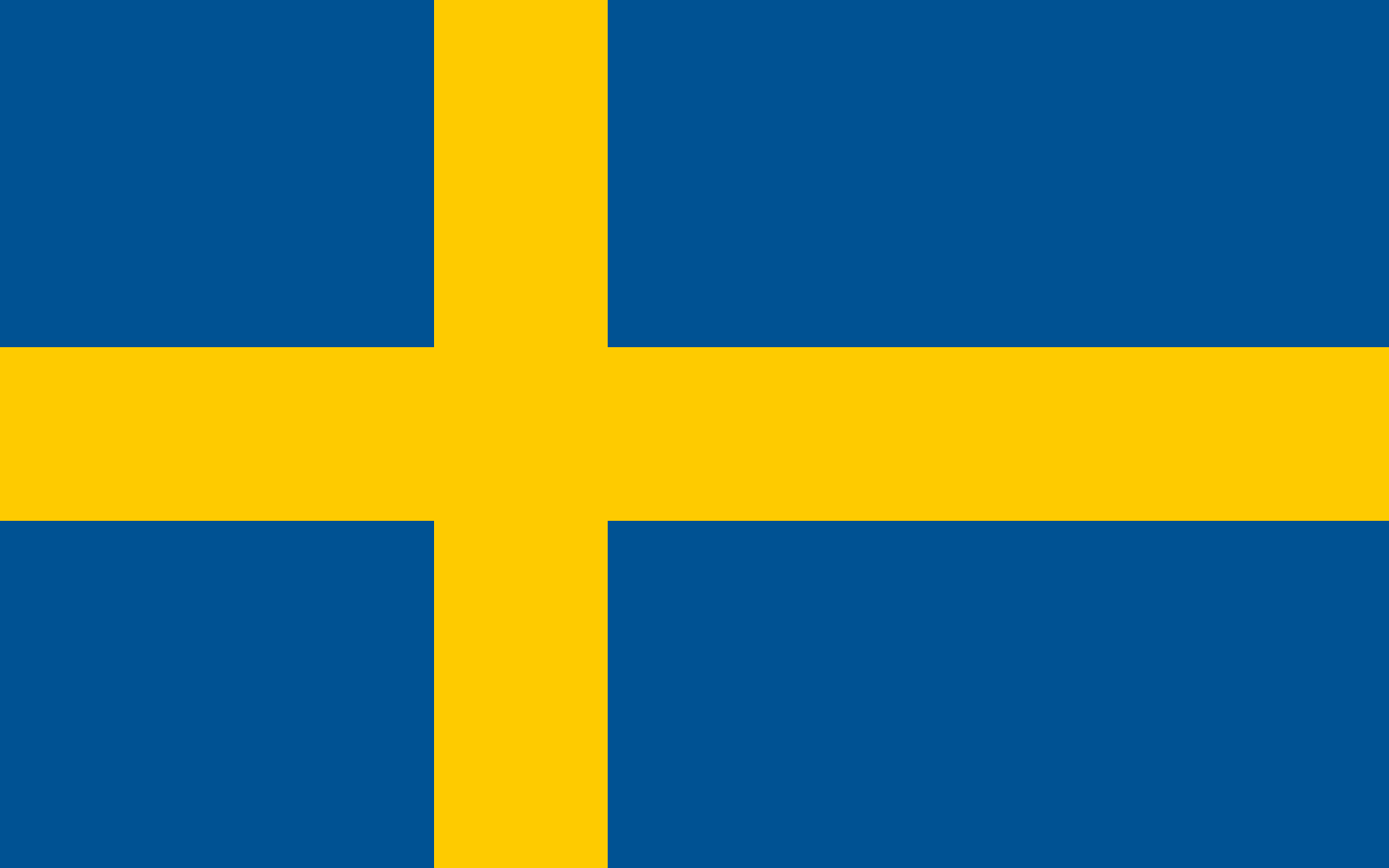
Flag of Sweden
| Legal Name | Kingdom of Sweden |
|---|---|
| Flag |
|
| Capital City |
Stockholm |
| Total Area | 450,295 km² |
| Land Area | 410,335 km² |
| Water Area | 39,960 km² |
| Population | Approximately 10.6 million |
| Major Cities | Stockholm (975,000), Gothenburg (580,000), Malmö (360,000), Uppsala (180,000), Västerås (155,000) |
| Currency | Swedish Krona (SEK) |
| GDP | USD 678 billion |
| GDP Per Capita | USD 63,900 (nominal) |
About of Sweden
Sweden is a Nordic country located on the Scandinavian Peninsula in Northern Europe. It is bordered by Norway to the west, Finland to the northeast, and connected to Denmark via the Öresund Bridge in the south. Sweden’s eastern coastline lies along the Baltic Sea and the Gulf of Bothnia, providing access to maritime trade routes. The country is renowned for its rich natural landscapes, including vast forests, lakes, archipelagos, and mountainous regions.
Stockholm, Sweden’s capital and largest city, is a cultural, political, and economic hub composed of multiple islands and connected by bridges, earning it the moniker “Venice of the North.” Other major urban centers include Gothenburg and Malmö. Sweden boasts a high standard of living, an advanced welfare system, and a diverse, urbanized population concentrated in the southern regions.
Internationally, Sweden is recognized for its commitment to diplomacy, human rights, and environmental sustainability. While not a member of NATO, it maintains a strong defense policy and active participation in the European Union and global peacekeeping initiatives. Sweden’s strategic location in Northern Europe makes it a key player in regional security, trade, and environmental collaboration.
Etymology
The name “Sweden” originates from the Old English Swēoland or Swēorice, referring to the land of the Swedes. Linguistically, the term derives from the Proto-Germanic Swiþjo, meaning “strong” or “powerful,” which referred to the early Swedish tribes inhabiting the region. Over time, the name evolved into Sverige in modern Swedish, which literally translates as “Realm of the Swedes.”
History
Prehistoric and Ancient Civilizations
Archaeological evidence indicates human presence in Sweden since the end of the last Ice Age, around 12,000 BCE. Early inhabitants were hunter-gatherers, later transitioning to agriculture during the Neolithic period.
Classical and Medieval Periods
During the Iron Age, tribal societies emerged, gradually forming early kingdoms by the 6th century. By the Viking Age (8th–11th centuries), Sweden became a hub for trade, exploration, and raiding throughout Europe and the Baltic region.
Kingdoms and Dynasties
Medieval Sweden was unified under early kings, establishing dynastic rule with periods of internal conflict. The Kalmar Union (1397–1523) united Sweden, Denmark, and Norway under a single monarch before Sweden regained independence.
Early Modern Era
From the 17th century, Sweden became a major European power under the Swedish Empire, controlling territories in the Baltic region. Its decline in the early 18th century led to territorial losses and a shift toward neutrality.
Modern Period
Sweden remained neutral during both World Wars, maintaining internal stability and avoiding direct conflict. Democratic reforms throughout the 19th and 20th centuries established a constitutional monarchy with strong parliamentary governance. Sweden joined the European Union in 1995 but retained its own currency and independent fiscal policies.
Government and Politics
Sweden is a constitutional monarchy with a parliamentary system:
Executive: The monarch is the ceremonial head of state; the Prime Minister leads the government and executive functions.
Legislature: Unicameral Riksdag with 349 members elected every four years.
Judiciary: Independent judiciary; Supreme Court oversees legal interpretations; specialized courts handle administrative and civil matters.
Administrative Divisions: 21 counties (län) with significant local government authority.
Foreign Relations: Active EU member, strong advocate for international diplomacy, human rights, and environmental policy.
Defense: Sweden maintains armed forces for national defense and participates in peacekeeping missions; conscription applies selectively.
Economy
Sweden has a highly developed and diversified economy:
Economic Classification: Advanced, high-income country.
Major Industries: Engineering, telecommunications, automotive, pharmaceuticals, and green technology.
Agriculture and Services: Limited arable land; significant dairy and forestry products. Service sector dominates, particularly IT, finance, and tourism.
Natural Resources: Iron ore, hydropower, forests, and renewable energy potential.
Trade Partners: Germany, Norway, United States, United Kingdom, and the Netherlands.
Economic Challenges: Aging population, integration of immigrants into labor markets, and maintaining innovation leadership.
Outlook: Sustainable economic growth, technological innovation, and continued global competitiveness.
Demographics
Sweden’s population is ethnically diverse, highly urbanized, and culturally inclusive:
Ethnic Groups: Predominantly Swedish, with Finnish, Sami, Middle Eastern, and other immigrant communities.
Languages: Swedish (official), recognized minority languages include Finnish, Meänkieli, Sami, Romani, and Yiddish.
Religions: Predominantly Christian (Church of Sweden), with growing Muslim, Jewish, and other religious communities.
Urbanization: Approximately 87% urban population, concentrated in southern Sweden and major cities.
Population Trends: Moderate growth, influenced by immigration and high life expectancy.
Culture and Society
Swedish culture reflects egalitarianism, innovation, and social responsibility. National identity emphasizes civic engagement, environmental awareness, and respect for minority rights. Sweden has contributed globally in arts, music (ABBA, Avicii), literature (Astrid Lindgren), design, and cinema.
Traditional cuisine features herring, meatballs, crispbread, and dairy products. Cultural events include Midsummer, Lucia Day, and National Day (June 6). Outdoor sports such as skiing, ice hockey, and hiking are popular recreational activities.
Education and Healthcare
Sweden offers free, compulsory education through secondary school, with extensive vocational training and higher education opportunities. Major universities include Uppsala University and Stockholm University. Literacy rates are nearly 100%.
Healthcare is universal, funded through taxation, and emphasizes preventive care. Public health achievements include low infant mortality, high life expectancy, and robust social support systems.
Geography and Climate
Sweden’s geography spans mountains, forests, plains, and extensive coastline along the Baltic Sea:
Physical Geography: Scandinavian Mountains in the northwest, fertile plains in the south, numerous lakes and rivers.
Climate: Temperate in the south, subarctic in the north; marked seasons with cold winters and mild summers.
Natural Hazards: Occasional flooding, avalanches in mountainous regions.
Environmental Concerns: Climate change impact on ecosystems, forest conservation, and water quality.
Flora and Fauna
Sweden maintains rich biodiversity:
Flora: Boreal forests of pine, spruce, birch, and arctic-alpine vegetation in the north.
Wildlife: Moose, reindeer, lynx, brown bear, wolves, and migratory birds.
Conservation: National parks, protected forests, and wildlife management ensure sustainable ecosystems.
Map of Sweden
Flag: Blue with a yellow Nordic cross.
Coat of Arms: Features the lesser and greater arms with heraldic lions, crowns, and shields.
National Anthem: Du gamla, Du fria
National Animals/Plants: Moose, Dalecarlian horse, and Nordic flora symbolize heritage.
National Flag (Detailed Section)
The Swedish flag consists of a blue field with a yellow Nordic cross extending to the edges. The cross design aligns with other Nordic countries, reflecting shared cultural and historical heritage. The flag’s colors symbolize loyalty, truth, generosity, and the nation’s landscapes of blue skies and golden fields.
Flag protocols dictate display on government buildings, public holidays, and international events. Half-mast is observed during periods of national mourning.
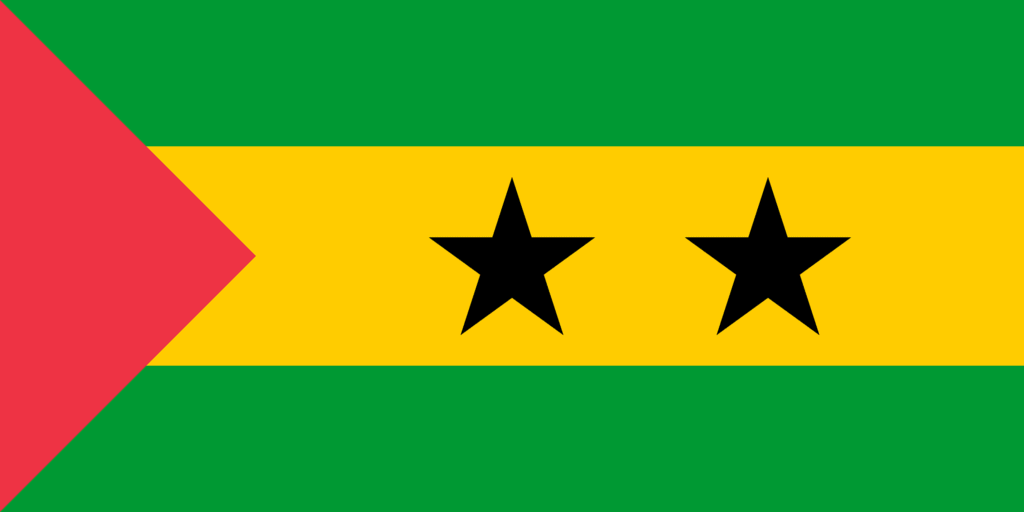
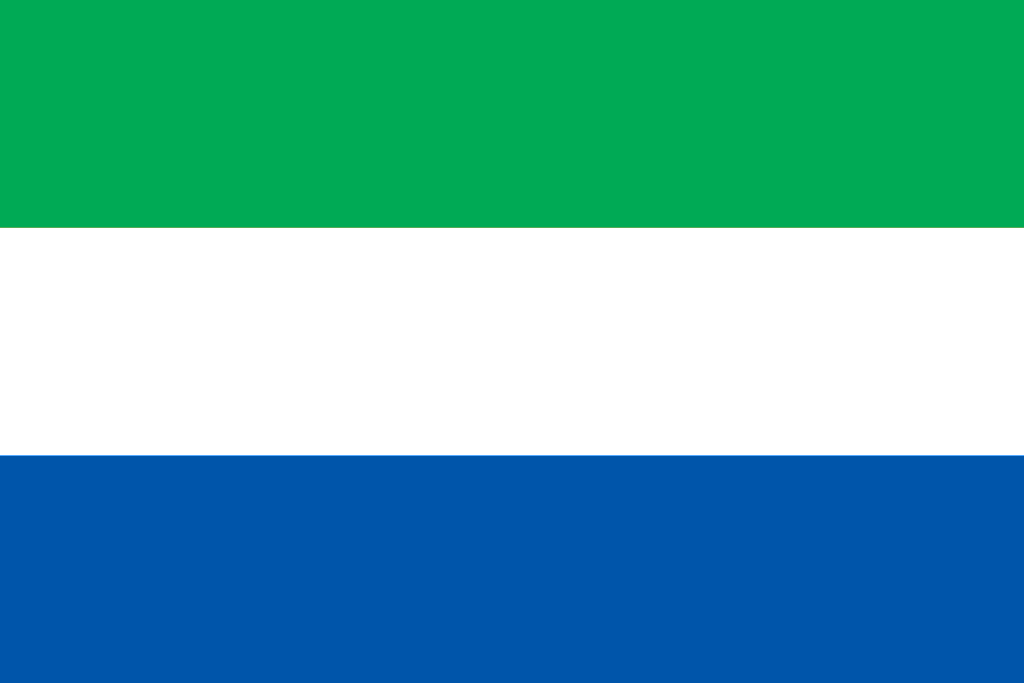
Realted Flags
Flag flying days
| Date | Flag Position | Occasion or Reason |
|---|---|---|
| June 6 | Full-mast | Swedish National Day |
| December 10 | Full-mast | Nobel Prize ceremonies |
| As Declared | Half-mast | National mourning or death of prominent leaders |
| Midsummer (late June) | Full-mast | Midsummer celebrations |