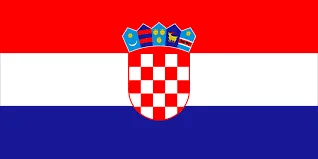
Flag of Croatia
| Legal Name | Republic of Croatia |
|---|---|
| Flag |
|
| Capital City |
Zagreb |
| Total Area | ~56,594 km² |
| Land Area | ~55,974 km² |
| Water Area | ~620 km² |
| Population | ~3.85 million |
| Major Cities | Zagreb (770,000), Split (160,000), Rijeka (105,000), Osijek (95,000), Zadar (75,000) |
| Currency | Euro (EUR) |
| GDP | ~US$85–90 billion |
| GDP Per Capita | ~US$42,000 (PPP-based) |
About of Croatia
Croatia is a Central and Southeast European country located along the eastern coast of the Adriatic Sea. It forms a geographic bridge between Central Europe and the Mediterranean, giving it a diverse cultural and historical identity. The country is known for its irregular, crescent-shaped territory, which includes a long coastline and over a thousand islands.
Croatia shares land borders with Slovenia, Hungary, Serbia, Bosnia and Herzegovina, and Montenegro, while its maritime border lies across the Adriatic Sea from Italy. The capital city, Zagreb, serves as the political, economic, and cultural center of the country. Other major urban areas such as Split and Rijeka play key roles in tourism, trade, and maritime activity.
The population is relatively small but culturally cohesive, with a strong sense of national identity shaped by language, history, and shared traditions. Croatia is a fully recognized sovereign state, a member of the European Union, NATO, the United Nations, and the Schengen Area, and it uses the euro as its official currency.
Strategically, Croatia holds importance due to its Adriatic ports, tourism industry, and role as a gateway between Europe’s inland regions and the Mediterranean Sea. Its location has historically made it a crossroads of empires, trade routes, and cultural exchange.
Etymology
The name “Croatia” derives from the medieval Latin term Croatia, which itself originates from the Slavic ethnonym Hrvat. The exact origin of the word is debated, but it is widely associated with early Slavic tribes that settled the region in the 6th and 7th centuries.
Over time, the name evolved through various linguistic forms in Latin, Greek, and Slavic records before becoming standardized in modern European languages. The Croatian endonym Hrvatska remains central to national identity and historical continuity.
History
Human presence in modern-day Croatia dates back to prehistoric times, with evidence of Neolithic cultures and early metalworking societies. During antiquity, the region was inhabited by Illyrian tribes and later became part of the Roman Empire, which left a lasting legacy in urban planning, architecture, and infrastructure.
Following the fall of Rome, Slavic peoples settled the area, and by the early medieval period, a Croatian state emerged. Croatia became a recognized kingdom in the 10th century and later entered into a personal union with Hungary. For centuries, its territories were contested by major powers, including the Ottoman Empire, the Habsburg Monarchy, and Venice.
In the 20th century, Croatia became part of Yugoslavia after World War I. Following the collapse of socialist Yugoslavia, Croatia declared independence in 1991, leading to the Croatian War of Independence. After the war, the country gradually stabilized and pursued integration with Western political and economic institutions.
Croatia joined NATO in 2009 and the European Union in 2013, marking a significant milestone in its modern political development. Recent years have focused on economic reform, regional cooperation, and strengthening democratic institutions.
Government and Politics
Croatia is a parliamentary republic governed under a democratic constitution. The President serves as head of state with largely ceremonial powers, while the Prime Minister leads the executive branch and government policy.
Legislative authority is vested in the unicameral Croatian Parliament (Sabor). The judiciary operates independently, with the Constitutional Court ensuring the protection of constitutional law. Croatia is administratively divided into counties, cities, and municipalities.
In foreign relations, Croatia maintains strong ties within the European Union and NATO, while actively engaging in regional diplomacy in Southeast Europe. The Croatian Armed Forces are modern, professional, and integrated into NATO defense structures.
Economy
Croatia is classified as a developed, high-income economy. The service sector dominates, with tourism being a major driver of growth and employment. The country is also active in shipbuilding, pharmaceuticals, food processing, and information technology.
Agriculture remains important in rural areas, producing grains, wine, olive oil, and dairy products. Natural resources include fertile land, forests, and hydroelectric potential. Croatia’s main trade partners are other EU member states.
Economic challenges include demographic decline, labor shortages, and regional disparities. However, EU membership, infrastructure investment, and digital transformation continue to support long-term economic prospects.
Demographics
Croatia’s population is predominantly ethnic Croat, with recognized minorities including Serbs, Bosniaks, Italians, and Hungarians. Croatian, a South Slavic language, is the official language.
The majority of the population identifies as Roman Catholic, with smaller Orthodox, Muslim, and secular communities. Croatia is highly urbanized, though many smaller towns and rural regions remain culturally significant. Population decline due to low birth rates and emigration is a key demographic trend.
Culture and Society
Croatian culture reflects a blend of Central European, Mediterranean, and Balkan influences. Folk traditions, music, and regional customs remain strong, while contemporary arts and media are widely embraced.
Cuisine varies by region, combining seafood, olive oil, and Mediterranean flavors along the coast with heartier Central European dishes inland. Festivals, religious holidays, and local celebrations play a central role in social life.
Sports are a major source of national pride, particularly football, basketball, handball, and water sports. Croatian athletes and teams enjoy strong international recognition.
Education and Healthcare
Croatia has a well-developed public education system, with compulsory primary and secondary education. Literacy rates are high, and universities in Zagreb, Split, and Rijeka are major academic centers.
The healthcare system is largely publicly funded and provides universal coverage. Croatia has achieved strong public health outcomes, though it continues to address challenges related to aging populations and healthcare workforce capacity.
Geography and Climate
Croatia’s geography is highly diverse, featuring mountain ranges, fertile plains, rivers such as the Sava and Drava, and a long Adriatic coastline with numerous islands. There are no deserts, but karst landscapes are common.
The climate ranges from Mediterranean along the coast to continental inland. Natural hazards include earthquakes, floods, and wildfires. Environmental protection is a national priority, especially in coastal and marine areas.
Flora and Fauna
Croatia hosts rich biodiversity, with forests, wetlands, and marine ecosystems supporting numerous species. Native wildlife includes bears, wolves, lynx, and diverse bird species.
The country has an extensive system of national parks and nature reserves, including Plitvice Lakes and Krka, which protect ecosystems and promote sustainable tourism.
Map of Croatia
Croatia’s national symbols emphasize statehood and cultural heritage. These include the national flag, the historic coat of arms, and the national anthem, which reflects themes of homeland and unity. Cultural monuments and historic cities also serve as national symbols.
National Flag (Detailed Section)
The Croatian flag consists of three horizontal stripes: red, white, and blue, with the national coat of arms centered. The coat of arms features a distinctive red-and-white checkerboard (šahovnica) topped with a crown composed of five historical shields.
The design dates back to the 19th century and was officially adopted in its modern form in 1990. The colors represent historical unity, freedom, and Slavic heritage. The flag is widely displayed during national holidays, public events, and international occasions.
Realted Flags
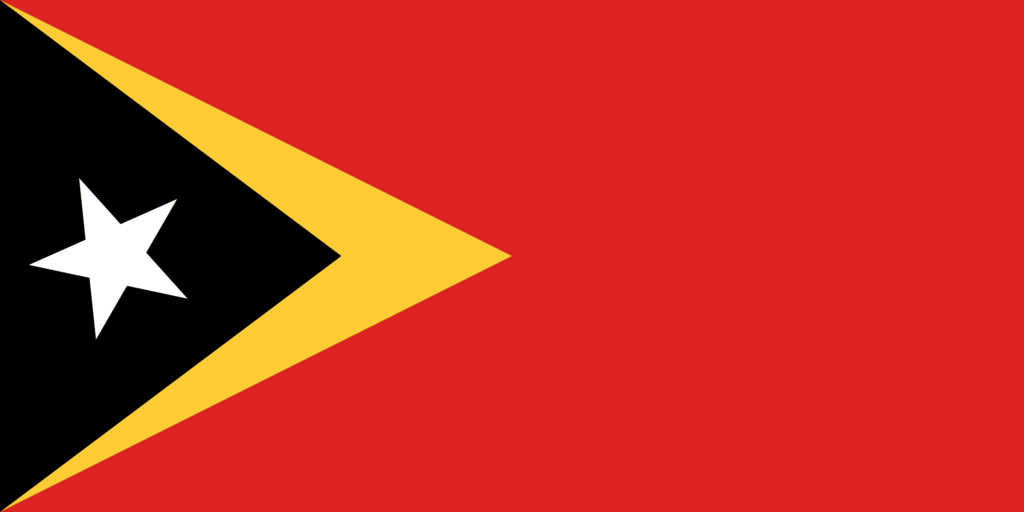
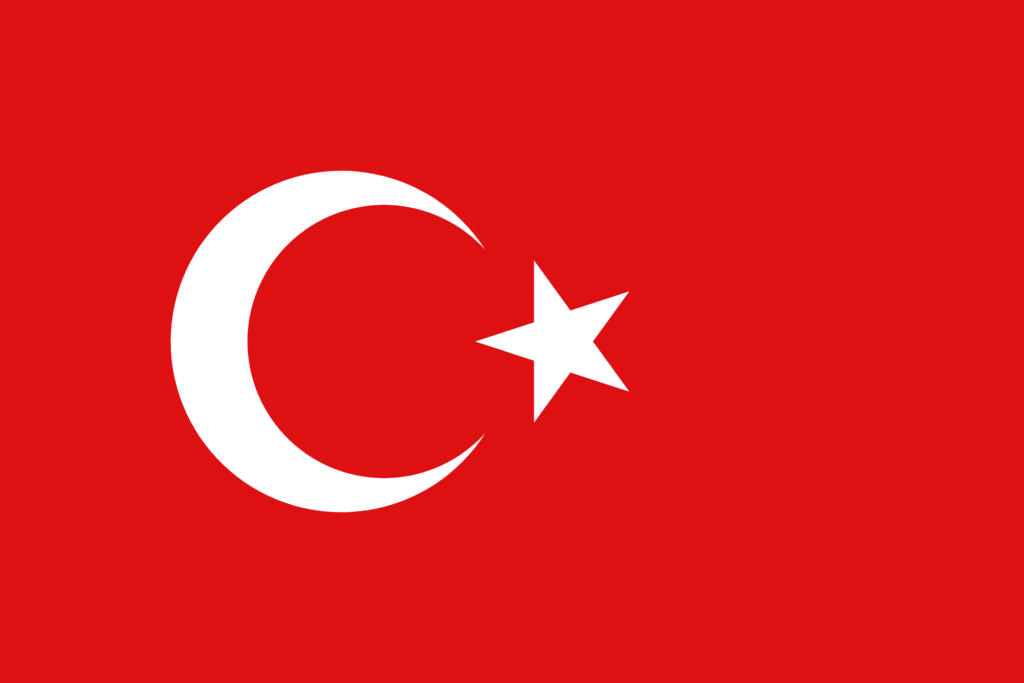
Flag flying days
| Date | Flag Position | Occasion or Reason |
|---|---|---|
| 15 January | Full-mast | International Recognition Day |
| 30 May | Full-mast | Statehood Day |
| 5 August | Full-mast | Victory and Homeland Thanksgiving Day |
| 25 June | Full-mast | Independence Day |
| National Mourning Days | Half-mast | Official periods of mourning |