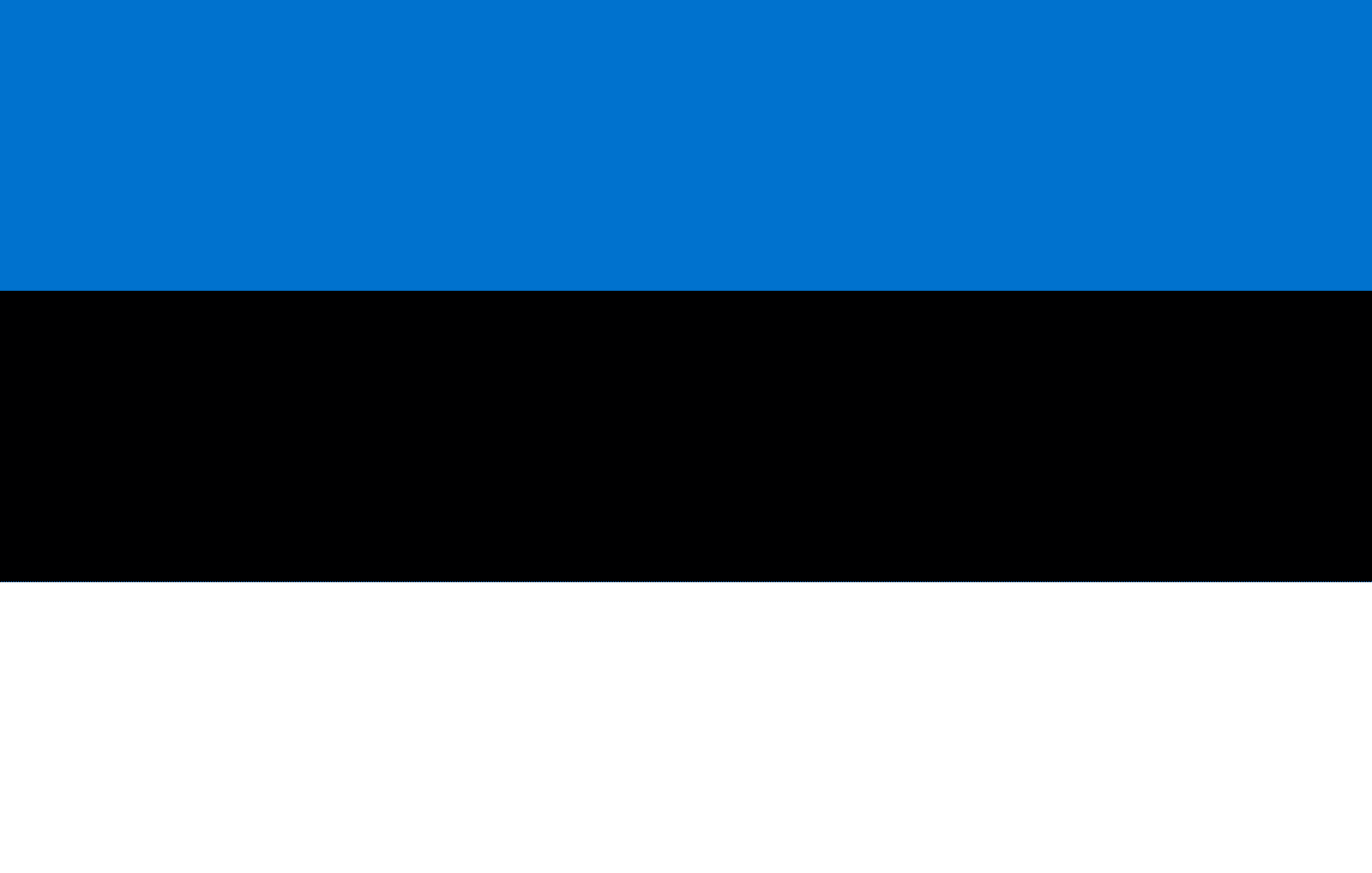
Flag of Estonia
| Legal Name | Republic of Estonia |
|---|---|
| Flag |
|
| Capital City |
Tallinn |
| Total Area | Approximately 45,227 km² |
| Land Area | Approximately 42,388 km² |
| Water Area | Approximately 2,839 km² |
| Population | Approximately 1.33 million |
| Major Cities | Tallinn (~450,000), Tartu (~100,000), Narva (~55,000), Pärnu (~40,000) |
| Currency | Euro (EUR) |
| GDP | Approximately USD 40 billion |
| GDP Per Capita | Approximately USD 30,000 (nominal) |
About of Estonia
Estonia is a Northern European country located in the Baltic region, forming part of the northeastern edge of the European Union. It lies along the eastern coast of the Baltic Sea and the Gulf of Finland, positioning it as a natural bridge between Northern Europe and Eastern Europe. The country’s geography is defined by a long coastline, numerous islands, forests, wetlands, and a relatively flat terrain.
Estonia shares land borders with Latvia to the south and Russia to the east, while maritime borders connect it with Finland and Sweden across the Baltic Sea. Its capital, Tallinn, is a major cultural, political, and economic center known for its well-preserved medieval old town. Other important urban centers include Tartu, the country’s intellectual hub, and Narva, an industrial city near the Russian border.
The population of Estonia is relatively small but diverse, consisting mainly of ethnic Estonians alongside a significant Russian-speaking minority and other ethnic groups. Estonia is a fully recognized sovereign state and an active member of the United Nations, European Union, NATO, and several other international organizations.
Strategically, Estonia holds geopolitical importance due to its location on the eastern frontier of the European Union and NATO. Its digital governance model, advanced cybersecurity infrastructure, and role in regional security make it a key player in European political and technological affairs.
Etymology
The name “Estonia” is derived from the ancient Latin term Aestii, used by Roman historians to describe peoples living along the eastern Baltic coast. Over time, the term evolved through various linguistic forms in Germanic and Scandinavian languages.
In the Estonian language, the country is called Eesti, a name that reflects Finno-Ugric linguistic roots. The meaning is not directly translatable but is associated with ancient tribal identities rather than a descriptive geographic feature.
As national consciousness developed during the 19th century, the name Estonia became standardized in international usage, symbolizing the cultural and political identity of the Estonian people.
History
Human settlement in present-day Estonia dates back to the end of the last Ice Age, making it one of the oldest continuously inhabited regions in Northern Europe. Early inhabitants were hunter-gatherers who gradually transitioned to agriculture and formed tribal societies.
During the medieval period, Estonia became a focal point of crusades led by Germanic powers. The region came under the control of the Teutonic Order and later various foreign rulers, including Denmark, Sweden, and Poland-Lithuania. Swedish rule in the 16th and 17th centuries left lasting administrative and educational influences.
In the early 18th century, Estonia was absorbed into the Russian Empire following the Great Northern War. Despite foreign domination, Estonian national identity strengthened during the 19th-century national awakening, marked by the development of the Estonian language, literature, and cultural institutions.
Estonia declared independence in 1918 following World War I and maintained sovereignty until 1940, when it was occupied and annexed by the Soviet Union. After decades of Soviet rule and a brief Nazi occupation during World War II, Estonia regained independence peacefully in 1991.
Since independence, Estonia has undergone rapid political and economic transformation, joining NATO and the European Union in 2004 and becoming known globally for its digital governance and innovation-driven society.
Government and Politics
Estonia is a democratic republic with a parliamentary system of government. The Constitution, adopted in 1992, provides the legal foundation for governance, civil rights, and the separation of powers.
The executive branch is headed by the Prime Minister, who leads the government, while the President serves as the ceremonial head of state. Legislative authority rests with the unicameral parliament, known as the Riigikogu. The judiciary is independent, with the Supreme Court acting as the highest judicial authority.
Administratively, Estonia is divided into counties, which oversee local municipalities. The country maintains active diplomatic relations worldwide and is a committed member of the European Union, NATO, the United Nations, and the Council of Europe.
Estonia’s defense strategy is based on collective security, supported by a professional defense force and a strong emphasis on cybersecurity and digital resilience.
Economy
Estonia is classified as a developed, high-income economy with a strong emphasis on innovation and digital services. The country transitioned rapidly from a centrally planned economy to a market-based system after independence.
Major economic sectors include information technology, telecommunications, manufacturing, logistics, and financial services. Agriculture plays a smaller role but remains important in rural areas. Estonia is known for its startup ecosystem and e-governance solutions.
Natural resources are limited, with oil shale being the most notable domestic resource. Key exports include machinery, electronics, wood products, and digital services, while major trade partners are other European Union countries.
Economic challenges include population decline, labor shortages, and energy transition. However, Estonia’s strong institutions, digital infrastructure, and integration into European markets support a positive long-term outlook.
Demographics
Estonia’s population is predominantly ethnic Estonian, with significant Russian and other minority communities. The official language is Estonian, a Finno-Ugric language closely related to Finnish.
Religious affiliation is generally low, with many citizens identifying as non-religious. Christianity, particularly Lutheranism and Eastern Orthodoxy, remains culturally significant.
The population is highly urbanized, with most residents living in cities. Like many European countries, Estonia faces slow population growth and an aging demographic profile.
Culture and Society
Estonian culture is rooted in folklore, music, and a strong connection to nature. National identity emphasizes independence, resilience, and innovation. Choral singing and song festivals are central cultural expressions.
The arts are vibrant, with contributions to literature, classical music, and contemporary design. Estonian cuisine features rye bread, dairy products, fish, and seasonal ingredients.
Social norms value modesty, punctuality, and personal space. Major festivals include Independence Day, Midsummer’s Day, and the Estonian Song Festival. Popular sports include basketball, football, and winter sports.
Education and Healthcare
Estonia has a highly developed education system with compulsory schooling and strong emphasis on digital literacy. Literacy rates are near universal, and higher education institutions such as the University of Tartu enjoy international recognition.
Healthcare is publicly funded and accessible, with a focus on preventive care and digital health services. Public health outcomes are generally strong, though challenges include aging and lifestyle-related conditions.
Geography and Climate
Estonia’s landscape is characterized by flat plains, forests, lakes, and over 2,000 islands. There are no major mountain ranges, but the country has extensive wetlands and a long coastline.
The climate is temperate, with cold winters and mild summers influenced by maritime conditions. Natural hazards are limited, though coastal flooding and storms can occur.
Environmental protection is a national priority, with efforts focused on biodiversity conservation and sustainable energy.
Flora and Fauna
Estonia hosts diverse ecosystems, including forests, bogs, and coastal habitats. Native plant species include pine, spruce, birch, and numerous wildflowers.
Wildlife includes elk, lynx, wolves, and a variety of bird species. National parks and protected areas play a key role in conservation and eco-tourism.
Map of Estonia
The national flag features blue, black, and white stripes symbolizing the sky and sea, the homeland’s soil, and hope for the future. The coat of arms displays golden lions on a shield, reflecting medieval heritage.
The national anthem emphasizes love for the homeland and freedom. Symbolic animals and monuments reinforce national pride and historical continuity.
National Flag (Detailed Section)
The Estonian flag consists of three horizontal stripes: blue on top, black in the middle, and white at the bottom. It was first adopted in the late 19th century during the national awakening.
The flag became an official state symbol in 1918 and was restored in 1991 after decades of prohibition during Soviet rule. Blue represents faith and the sky, black symbolizes the land and past hardships, and white stands for hope and purity.
Flag usage follows strict protocol, reflecting respect for national sovereignty and identity
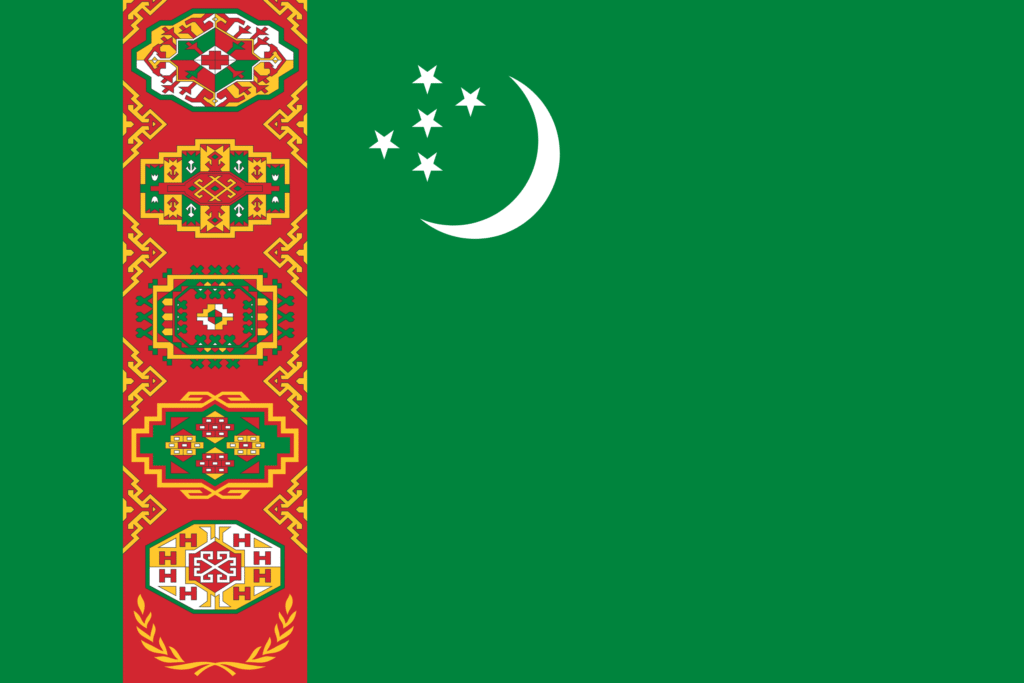
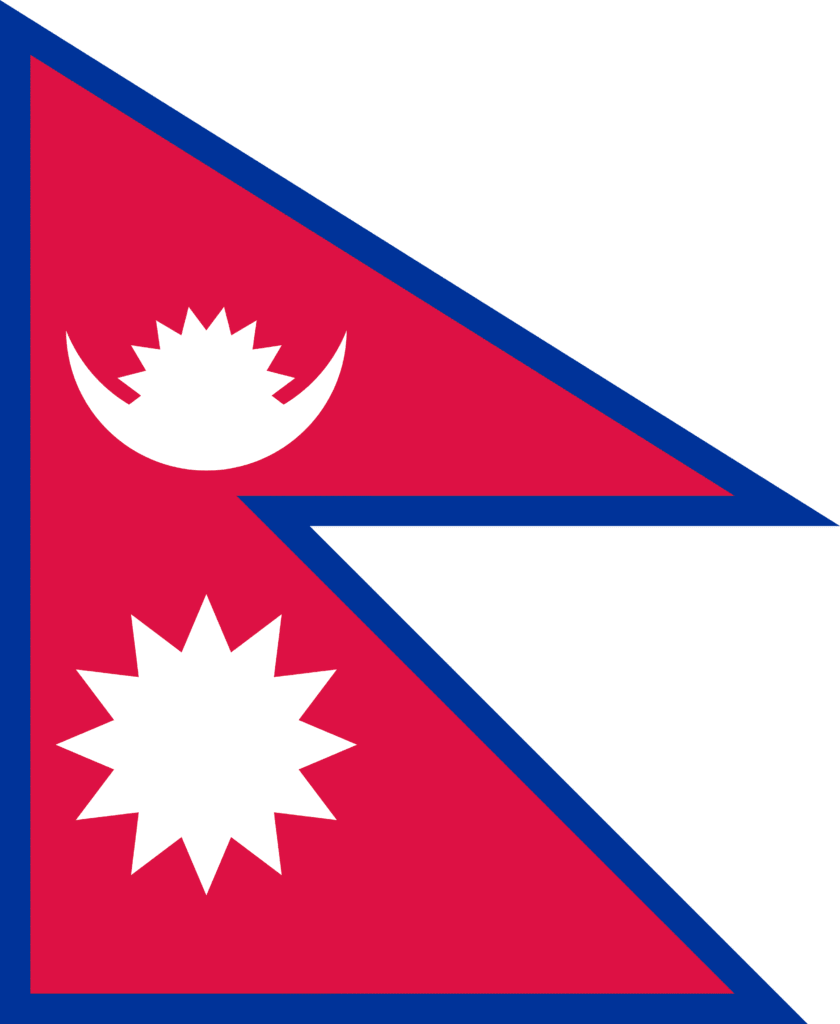
Realted Flags
Flag flying days
| Date | Flag Position | Occasion or Reason |
|---|---|---|
| February 24 | Full-mast | Independence Day |
| June 23 | Full-mast | Victory Day |
| August 20 | Full-mast | Restoration of Independence |
| November 2 | Full-mast | Day of the Estonian Flag |
| June 14 | Half-mast | Day of Mourning |
| September 22 | Half-mast | Resistance Day |