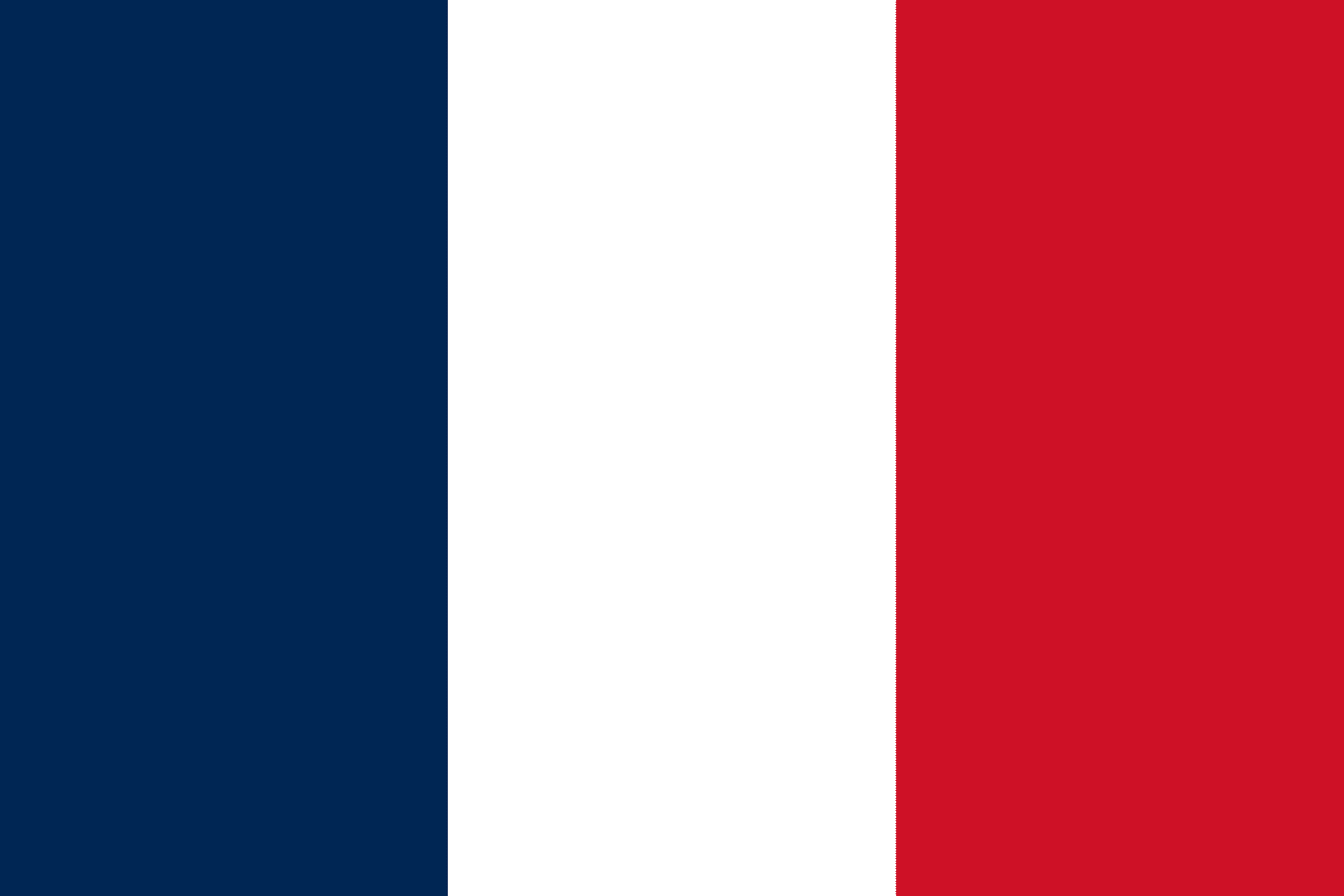
Flag of France
| Legal Name | French Republic (République française) |
|---|---|
| Flag |
|
| Capital City |
Paris |
| Total Area | ~551,695 km² |
| Land Area | ~549,087 km² |
| Water Area | ~2,608 km² |
| Population | ~68 million |
| Major Cities | Paris (~2.1m city; ~12m metro), Marseille (~870k), Lyon (~520k), Toulouse (~500k), Nice (~350k), Nantes (~330k), Strasbourg (~290k) |
| Currency | Euro (€) |
| GDP | ~USD 3.0 trillion |
| GDP Per Capita | ~USD 44,000 (nominal) |
About of France
France is a Western European country strategically positioned between the Atlantic Ocean, the Mediterranean Sea, and the European mainland. It occupies a central role in Europe, connecting Northern, Southern, and Western European regions. Metropolitan France shares borders with Belgium, Luxembourg, Germany, Switzerland, Italy, Monaco, Spain, and Andorra, while its overseas regions extend French territory into the Caribbean, South America, the Indian Ocean, and the Pacific.
Paris, the capital and largest city, serves as the political, economic, and cultural heart of the nation. Other major urban centers such as Marseille, Lyon, Toulouse, and Lille act as regional economic hubs and cultural anchors. France’s urban network is complemented by a dense transportation system linking cities domestically and internationally.
Demographically, France is one of the most populous countries in the European Union, characterized by a relatively balanced age structure compared to many European peers. The population reflects centuries of migration, colonial history, and modern globalization, making it ethnically and culturally diverse.
France is internationally recognized as a major global power. It is a founding member of the European Union, a permanent member of the United Nations Security Council, and a leading voice in international diplomacy, defense, and cultural influence. Its strategic importance is reinforced by its nuclear deterrent, overseas territories, and global diplomatic network.
Etymology
The name “France” originates from the Latin term Francia, meaning “land of the Franks.” The Franks were a Germanic tribe that settled in the region following the decline of Roman authority in Western Europe.
Over time, the Frankish Kingdom expanded under leaders such as Clovis I, and the name Francia became associated not only with the ruling elite but with the territory itself. As Latin evolved into Old French, Francia gradually transformed into “France.”
The name thus reflects both a historical people and the political evolution of a kingdom that would later become a nation-state, symbolizing continuity from early medieval rule to modern national identity.
History
Human presence in what is now France dates back to prehistoric times, with evidence of early hominids and later Cro-Magnon humans. During antiquity, Celtic tribes known as Gauls inhabited the region until Roman conquest in the 1st century BCE. Roman Gaul became a prosperous and influential part of the Roman Empire, leaving lasting marks on language, infrastructure, and law.
Following the fall of Rome, Germanic kingdoms emerged, most notably the Frankish Kingdom. Under the Carolingian dynasty, particularly Charlemagne, France became the core of a vast medieval empire. After the empire’s division, the Kingdom of France gradually consolidated power during the Middle Ages.
The late medieval and early modern periods saw the strengthening of the monarchy, territorial expansion, and cultural flourishing. France became a major European power under dynasties such as the Capetians, Valois, and Bourbons. The French Revolution of 1789 marked a dramatic turning point, abolishing absolute monarchy and introducing republican ideals of liberty, equality, and fraternity.
The 19th century was marked by political instability, alternating between empires, monarchies, and republics. France built a global colonial empire during this period. In the 20th century, France played central roles in both World Wars, experiencing occupation during World War II before emerging as a key architect of postwar Europe.
Since the establishment of the Fifth Republic in 1958, France has enjoyed relative political stability. Modern France has focused on European integration, decolonization, economic modernization, and maintaining its role as a global diplomatic and military power.
Government and Politics
France operates under a semi-presidential republic system defined by the Constitution of 1958. Power is shared between a directly elected President and a Prime Minister responsible to the Parliament. This system balances strong executive leadership with parliamentary oversight.
The executive branch consists of the President, who serves as head of state and commander-in-chief, and the government led by the Prime Minister. The legislative branch is bicameral, composed of the National Assembly and the Senate. The judiciary is independent, with the Constitutional Council ensuring constitutional compliance.
Administratively, France is divided into regions, departments, arrondissements, cantons, and communes. In addition, overseas regions and collectivities extend French governance beyond Europe.
France maintains active foreign relations and is a member of major international organizations, including the United Nations, NATO, the European Union, the G7, and the G20. Its military is one of Europe’s most capable, featuring advanced conventional forces and a nuclear deterrent.
Economy
France is a highly developed, diversified economy and one of the world’s largest by total output. It combines strong public-sector involvement with a dynamic private sector. Services dominate the economy, particularly finance, tourism, transportation, and public administration.
Manufacturing remains significant, with strengths in aerospace, automotive production, luxury goods, pharmaceuticals, and defense industries. Agriculture, though a smaller share of GDP, is highly productive, making France one of the world’s leading agricultural exporters.
Natural resources are relatively limited but include fertile farmland, timber, and hydropower potential. France is also a major producer of nuclear energy, which forms a core part of its energy strategy.
France’s main trade partners include other European Union members, the United States, and China. Key exports include aircraft, vehicles, chemicals, agricultural products, and luxury goods. Economic challenges include public debt, unemployment in certain regions, and adapting to global competition and climate transition, while future growth is linked to innovation, green energy, and digital transformation.
Demographics
France’s population is ethnically and culturally diverse, shaped by historical regional identities and waves of immigration. While the state does not officially collect ethnic statistics, the population includes people of European, African, Middle Eastern, and Asian descent.
French is the official language and the primary language of daily life, though regional languages such as Breton, Occitan, Alsatian, and Corsican persist. Religion is diverse, with Christianity historically dominant, alongside Islam, Judaism, Buddhism, and a significant secular population.
Most of the population lives in urban areas, particularly around major metropolitan regions. Population growth is modest but relatively stable by European standards, supported by higher birth rates and immigration.
Culture and Society
France is globally renowned for its cultural heritage and strong sense of national identity. French culture emphasizes intellectual life, artistic expression, culinary excellence, and philosophical debate. Literature, painting, fashion, and cinema have long shaped global cultural trends.
Cuisine is a cornerstone of French identity, recognized for its regional diversity and culinary techniques. Social customs emphasize politeness, civic values, and secularism, particularly in public life.
National holidays such as Bastille Day celebrate historical milestones, while festivals, music, theater, and sports play major roles in everyday life. Football, rugby, cycling, and tennis are especially popular, with international sporting success reinforcing national pride.
Education and Healthcare
France maintains a centralized and structured education system, with compulsory education from early childhood through adolescence. Public education is free and secular, and the country hosts many prestigious universities and specialized institutions.
Literacy rates are high, and higher education plays a critical role in research and innovation. France’s healthcare system is widely regarded as one of the world’s most effective, providing universal coverage through a combination of public insurance and private services.
Public health achievements include high life expectancy and advanced medical infrastructure, though challenges remain related to aging populations and healthcare costs.
Geography and Climate
France’s geography is varied, featuring coastal plains, rolling countryside, mountain ranges, and major river systems. The Alps and Pyrenees dominate the southeastern and southwestern borders, while rivers such as the Seine, Loire, Rhône, and Garonne support agriculture and settlement.
The climate ranges from oceanic in the west to Mediterranean in the south and continental in the east. This diversity supports a wide range of ecosystems but also exposes the country to natural hazards such as floods, heatwaves, and occasional earthquakes.
Environmental concerns include climate change, biodiversity loss, and pollution, prompting strong environmental policies and conservation efforts.
Flora and Fauna
France hosts rich biodiversity due to its varied climate and terrain. Native plant species range from Mediterranean shrubs to alpine flora. Wildlife includes deer, boar, foxes, wolves, and numerous bird species.
The country maintains an extensive network of national parks, regional nature reserves, and marine protected areas aimed at preserving ecosystems and endangered species.
Map of France
France’s national symbols reflect its republican values and historical legacy. The tricolor flag, Marianne as a national emblem, and iconic monuments such as the Eiffel Tower symbolize unity and national pride.
The national anthem, “La Marseillaise,” embodies revolutionary ideals and is central to state ceremonies and public events.
National Flag (Detailed Section)
The French flag consists of three vertical bands of equal width: blue on the hoist side, white in the center, and red on the fly side. Its design emerged during the French Revolution, combining the traditional colors of Paris (blue and red) with white, historically associated with the monarchy.
Over time, the flag became a symbol of republicanism, liberty, and national unity. The tricolor influenced numerous other national flags around the world.
Flag protocol in France is strictly observed, with the flag displayed on public buildings, during national celebrations, and at international events. It is treated with respect as a symbol of the Republic.
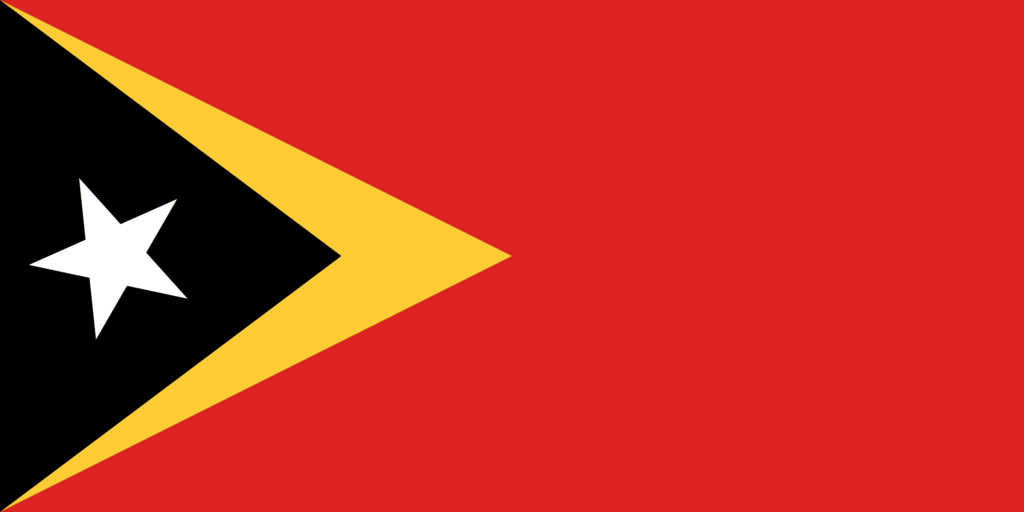
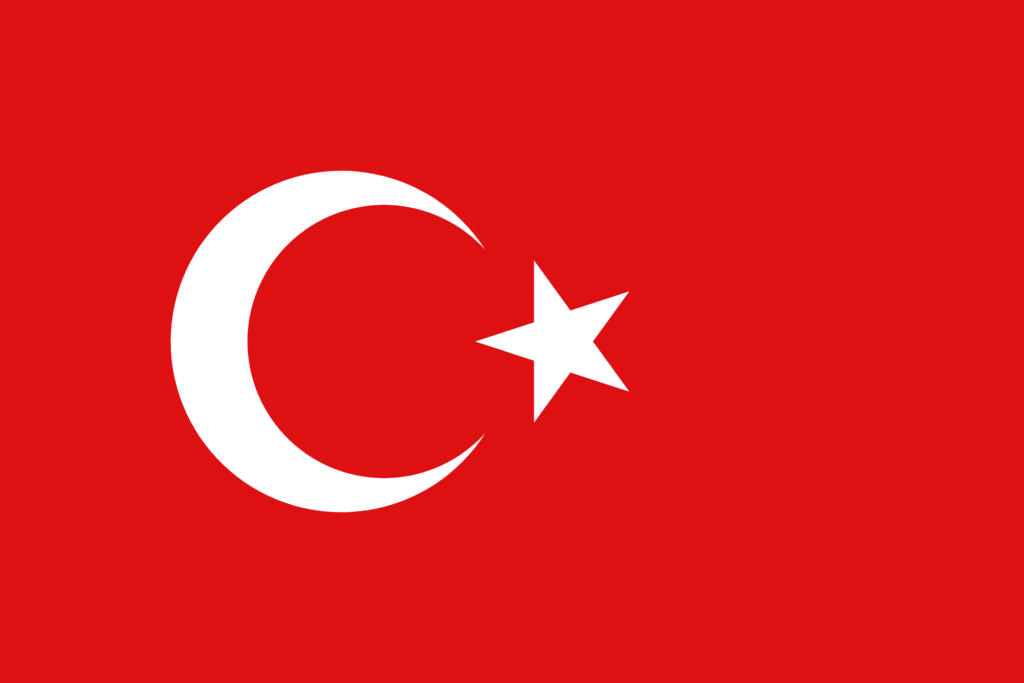
Realted Flags
Flag flying days
| Date | Flag Position | Occasion or Reason |
|---|---|---|
| January 1 | Full-mast | New Year’s Day |
| May 8 | Full-mast | Victory in Europe Day |
| July 14 | Full-mast | Bastille Day (National Day) |
| November 11 | Full-mast | Armistice Day |
| National Mourning Days | Half-mast | Official state mourning periods |