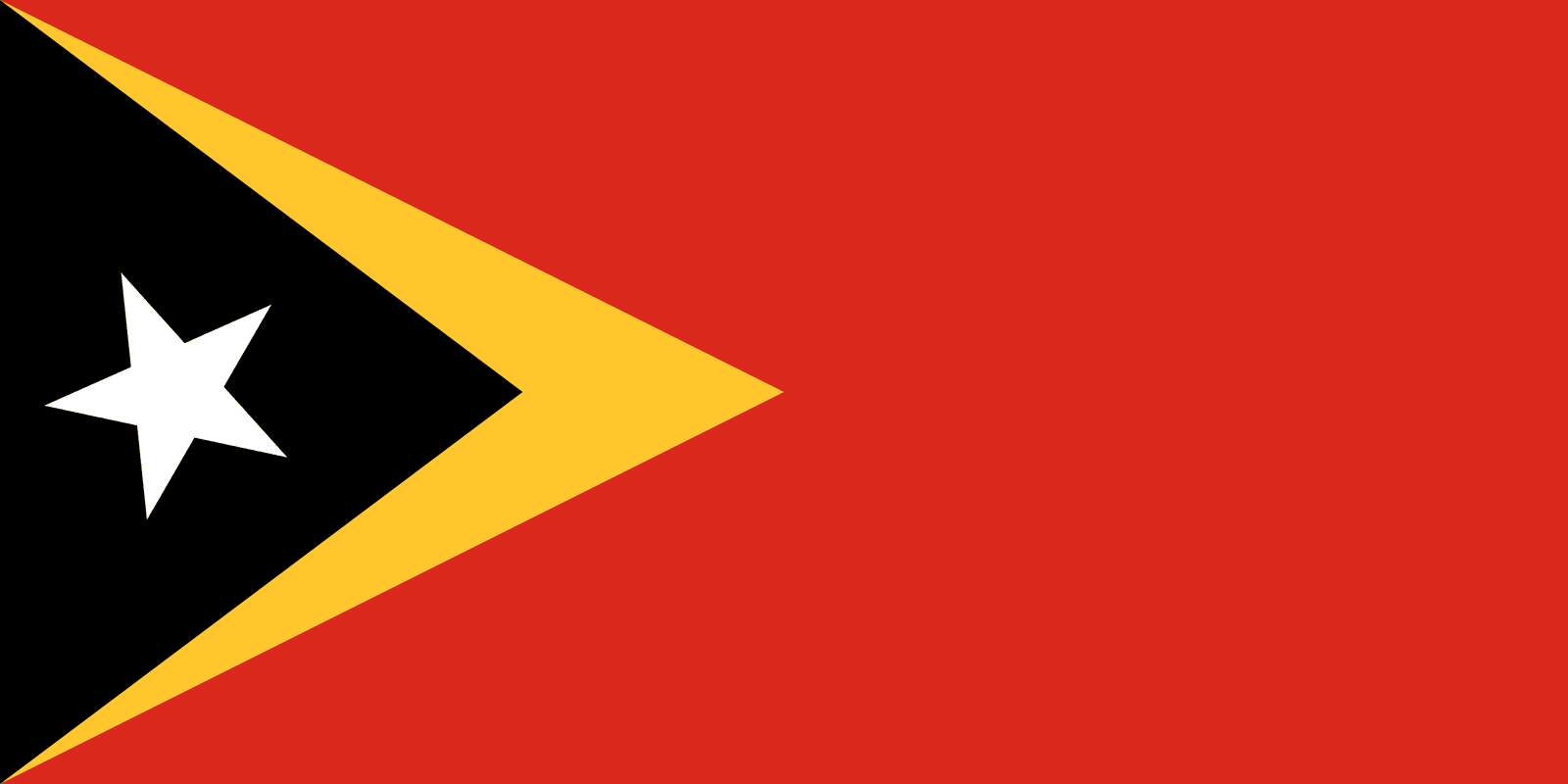
Flag of Timor-Leste
| Legal Name | Democratic Republic of Timor-Leste |
|---|---|
| Flag |
|
| Capital City |
Dili |
| Total Area | 14,874 km² |
| Land Area | 14,874 km² |
| Water Area | 45 km² |
| Population | Approximately 1.4 million |
| Major Cities | Dili (300,000 metro), Baucau (120,000), Maliana (40,000), Suai (35,000), Lospalos (30,000) |
| Currency | United States Dollar (USD) |
| GDP | USD 3.2 billion |
| GDP Per Capita | USD 2,300 (nominal) |
About of Timor-Leste
Timor-Leste, also known as East Timor, is a small island nation located in Southeast Asia at the eastern end of the Lesser Sunda Islands. It occupies the eastern half of the island of Timor, along with the Oecusse exclave on the island’s northwest coast and the nearby islands of Atauro and Jaco. The country lies between the Indonesian archipelago to the west and the Timor Sea to the south, facing northern Australia.
Timor-Leste shares a land border only with Indonesia, while its maritime boundaries extend into the Timor Sea. The capital city, Dili, serves as the political, economic, and cultural center, while Baucau is the second-largest urban area. The population is young and predominantly rural, with communities spread across mountainous terrain and coastal plains.
Internationally, Timor-Leste is recognized as a fully sovereign state and is one of the youngest countries in the world, having gained independence in 2002. Its strategic importance lies in its location near major maritime routes and its offshore petroleum resources, which play a central role in its economy and regional relations.
Etymology
The name “Timor” derives from the Malay word timur, meaning “east,” reflecting the island’s position at the eastern edge of the Malay world. “Timor-Leste” combines this with the Portuguese word leste, also meaning “east,” resulting in a name that literally translates to “East East.” This linguistic duplication reflects the country’s layered history of regional and European influences. The name became official after independence to emphasize national identity and linguistic heritage.
History
Prehistoric and Ancient Civilizations
Archaeological evidence suggests human habitation in Timor for more than 40,000 years. Early societies practiced hunting, gathering, and later agriculture, with strong maritime connections to Southeast Asia and Melanesia.
Classical and Medieval Periods
Timor was integrated into regional trade networks, particularly for sandalwood, which attracted traders from China, India, and the Malay world. Local kingdoms and chiefdoms governed the island, often organized around kinship and customary law.
Colonial Rule
Portugal established a presence on Timor in the 16th century, competing with Dutch influence in the western part of the island. Over time, Portuguese control consolidated in the east, shaping language, religion, and administrative structures. The border between Portuguese Timor and Dutch-controlled West Timor was formalized in the 19th century.
Independence Struggle
Following Portugal’s withdrawal in 1975, Timor-Leste briefly declared independence before being invaded and annexed by Indonesia. A long and violent occupation followed, marked by resistance movements and international advocacy.
Independence and Modern Developments
In 1999, a UN-sponsored referendum resulted in an overwhelming vote for independence. After a transitional period under UN administration, Timor-Leste became fully independent in 2002. Since then, the country has focused on state-building, reconciliation, and economic development, with relative political stability in recent years.
Government and Politics
Timor-Leste is a semi-presidential democratic republic.
The President serves as head of state, while the Prime Minister leads the government as head of the executive. The Legislative Branch consists of a unicameral National Parliament elected by proportional representation. The Judiciary is independent, with the Court of Appeal serving as the highest judicial authority.
Administratively, the country is divided into municipalities and administrative posts. Timor-Leste maintains active foreign relations and is a member of the United Nations, Community of Portuguese Language Countries, and other international organizations. It is pursuing full membership in ASEAN. The defense forces are small and focused on territorial protection and internal stability.
Economy
Timor-Leste is classified as a developing economy with heavy reliance on natural resources.
The economy is dominated by the petroleum sector, with offshore oil and gas revenues historically contributing the majority of government income through the Petroleum Fund. Agriculture employs a large share of the population, producing coffee, rice, maize, and livestock primarily for domestic consumption.
Manufacturing remains limited, while services, including public administration and trade, are growing. Coffee is the main non-oil export and an important source of rural income. Economic challenges include limited infrastructure, high youth unemployment, poverty, and dependence on finite petroleum resources. Long-term strategies emphasize diversification, education, tourism, and sustainable development.
Demographics
Timor-Leste has a youthful and rapidly growing population.
The population is ethnically diverse, with several Austronesian and Papuan-speaking groups. Tetum and Portuguese are the official languages, while Indonesian and English are working languages. The vast majority of the population practices Roman Catholicism, with small Protestant and Muslim minorities.
Approximately 70% of the population lives in rural areas. Population growth remains relatively high, placing pressure on education, employment, and healthcare systems.
Culture and Society
Timorese culture blends indigenous traditions with Portuguese and Southeast Asian influences. Strong community ties, customary law (adat), and respect for elders play a central role in social life. Music, dance, weaving, and oral storytelling are important cultural expressions.
National identity is closely linked to the independence struggle and shared experiences of resilience. Public holidays commemorate key moments in the resistance and independence process. Football, martial arts, and traditional sports are widely enjoyed.
Education and Healthcare
The education system includes primary, secondary, and tertiary levels, with Tetum and Portuguese used as languages of instruction. Literacy rates are improving but remain uneven between urban and rural areas. Higher education institutions are developing, supported by international partnerships.
Healthcare services are primarily public and focus on primary care. Significant progress has been made in reducing infant mortality and controlling infectious diseases, though challenges remain in maternal health, nutrition, and access to services in remote areas.
Geography and Climate
Timor-Leste is characterized by rugged mountainous terrain, narrow coastal plains, and deep river valleys.
The climate is tropical, with a wet season from November to April and a dry season from May to October. Natural hazards include floods, landslides, droughts, and earthquakes. Environmental concerns involve deforestation, soil erosion, and climate change impacts on agriculture and coastal communities.
Flora and Fauna
The country lies within the Wallacea biodiversity zone, hosting a mix of Asian and Australasian species.
Native vegetation includes tropical forests, savannas, and mangroves. Wildlife features deer, civet cats, reptiles, and diverse bird species. Marine biodiversity is particularly rich. Conservation efforts focus on protected areas, sustainable land use, and marine preservation.
Map of Timor-Leste
National Flag: Symbolizes independence, struggle, and hope.
Coat of Arms: Represents unity, sovereignty, and resistance.
National Anthem: Pátria.
National Symbols: Traditional tais textiles and historic resistance sites.
National Flag (Detailed Section)
The national flag of Timor-Leste features a red background symbolizing the struggle for independence. A black triangle at the hoist represents the shadows of colonial oppression, outlined in yellow to signify the traces of colonialism. The white star within the black triangle stands for peace and the guiding light of independence. The flag is displayed at government buildings, schools, and during national ceremonies, following formal protocols that reflect national pride and respect.
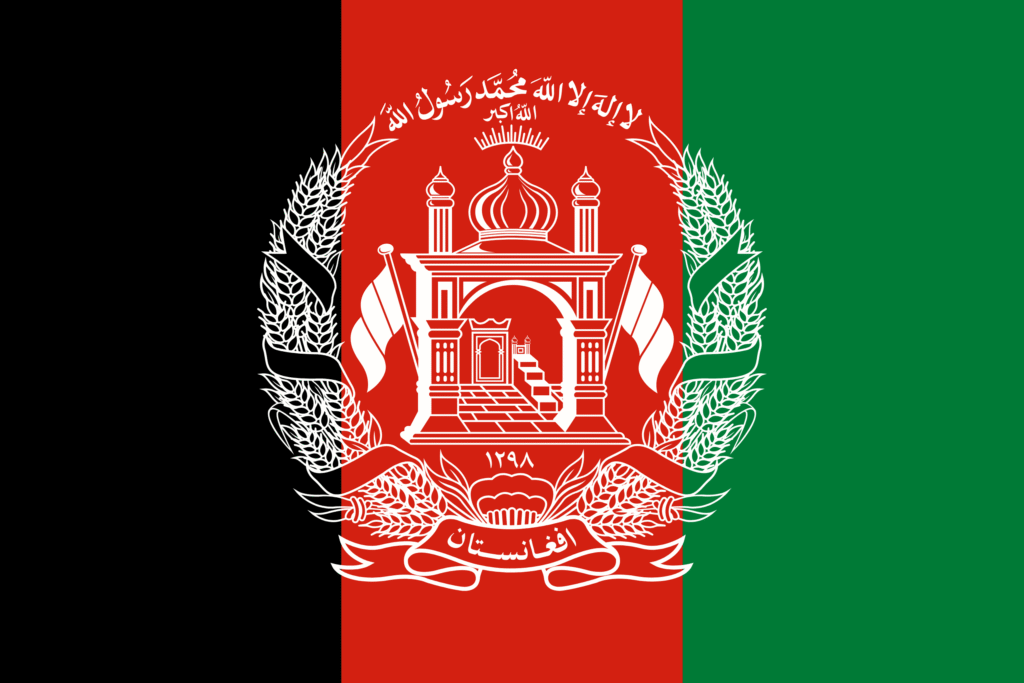
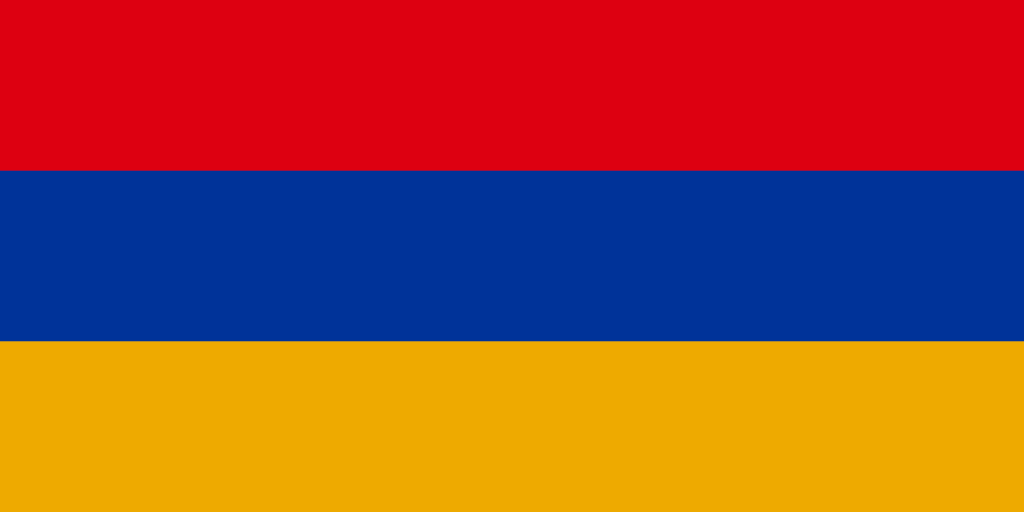
Realted Flags
Flag flying days
| Date | Flag Position | Occasion or Reason |
|---|
| May 20 | Full-mast | Restoration of Independence Day |
| November 28 | Full-mast | Proclamation of Independence |
| December 7 | Full-mast | National Heroes’ Day |
| As Declared | Half-mast | National mourning or remembrance periods |