
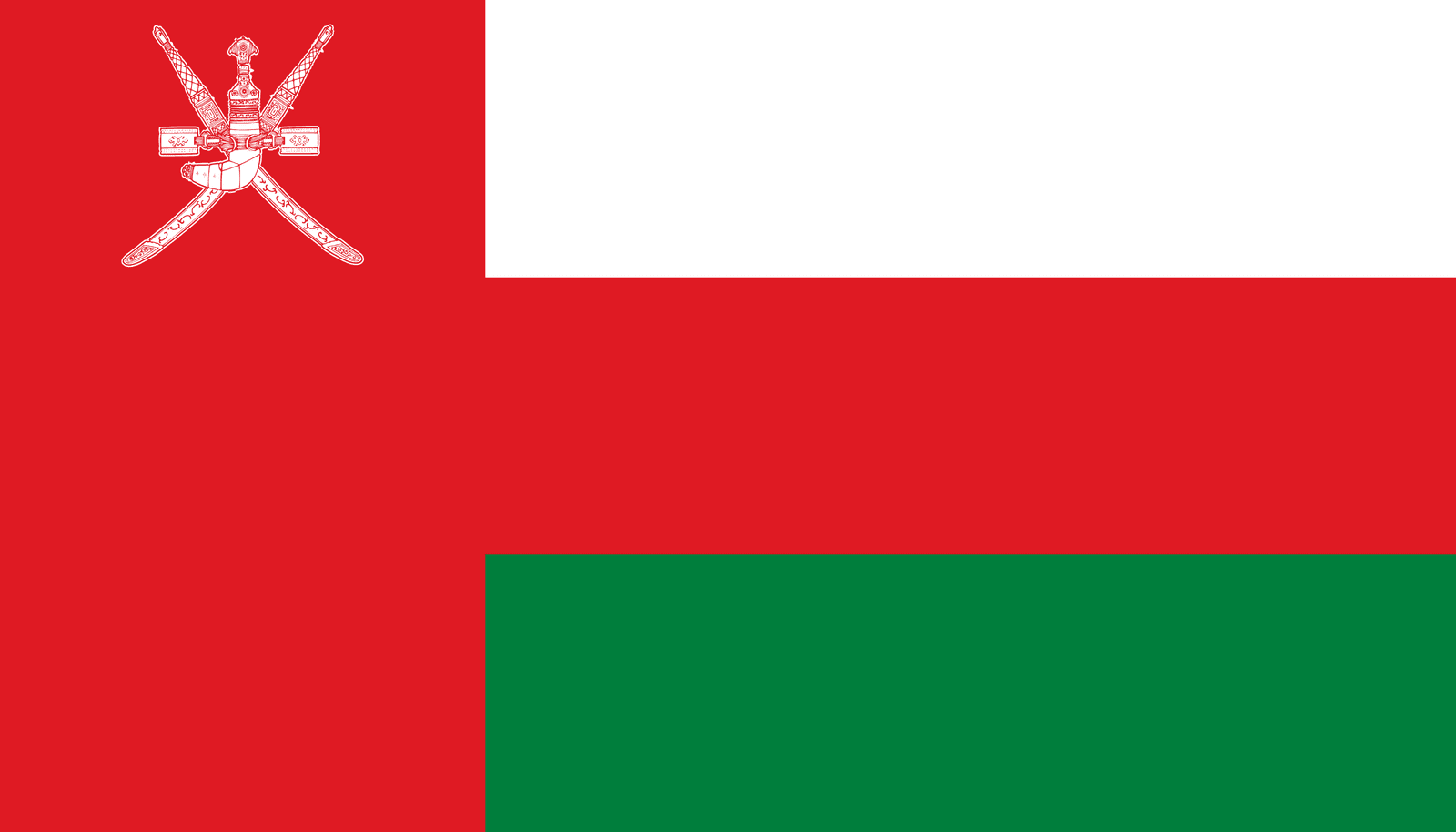
Flag of Oman
| Legal Name | Sultanate of Oman |
|---|---|
| Flag |
|
| Capital City |
Muscat |
| Total Area | 309,500 km² |
| Land Area | 309,500 km² |
| Water Area | 0 km² (inland water negligible) |
| Population | Approximately 5.5 million |
| Major Cities | Muscat (~1.5 million), Salalah (~200,000), Sohar (~180,000), Nizwa (~120,000) |
| Currency | Omani Rial (OMR) |
| GDP | USD 100 billion |
| GDP Per Capita | USD 18,000 |
About of Oman
Oman is a strategically located country on the southeastern coast of the Arabian Peninsula, at the crossroads of the Arabian Sea, Gulf of Oman, and the Persian Gulf. It shares land borders with Saudi Arabia, United Arab Emirates, and Yemen, while maritime boundaries extend to Iran and Pakistan. The country is geographically diverse, featuring rugged mountains in the north, desert plains in the interior, and fertile coastal plains along the Gulf of Oman and Arabian Sea.
The capital and largest city, Muscat, serves as the political, economic, and cultural center of Oman. Other major urban centers include Salalah, Sohar, and Nizwa. With a population exceeding 5 million, Oman has a moderately young population composed primarily of ethnic Arabs, alongside South Asian expatriates. Internationally recognized for its neutral diplomacy, Oman maintains stable relations with regional powers and serves as a key maritime and trade hub in the Middle East.
Oman’s strategic position along major maritime routes has historically made it a gateway for trade between Asia, Africa, and Europe, with ongoing significance for energy transport, naval strategy, and regional diplomacy.
Etymology
The name “Oman” is believed to derive from the ancient Semitic root “ʿUMN,” which can mean peace, stability, or safe haven. Historically, the area has been referred to as Oman proper or Ma‘in, reflecting its early settlements along the Arabian coast. The term evolved over centuries to signify the entire sultanate, especially under the Ibadi Imamate and later under the Al Said dynasty, which has ruled since 1744.
History
Prehistoric and Ancient Civilizations
Archaeological evidence suggests human settlement in Oman dating back to 8,000 BCE, including the use of copper, early agriculture, and maritime trade. The region was known for frankincense and copper production, attracting traders from Mesopotamia and the Indus Valley.
Classical and Medieval Periods
By the 3rd century BCE, Oman became part of the Arabian maritime trade network, later influenced by Persian and Islamic civilizations. The spread of Ibadi Islam in the 7th century significantly shaped the country’s culture and governance. Oman’s sailors and merchants established trade networks reaching East Africa, India, and Southeast Asia.
Colonial and Imperial Period
Oman’s maritime power peaked between the 17th and 19th centuries, establishing the Sultanate of Muscat and Oman. The country later came under limited influence from Britain, which secured agreements to protect maritime trade while respecting Oman’s internal sovereignty.
Modern Developments
Sultan Qaboos bin Said al Said came to power in 1970, modernizing Oman through infrastructure, healthcare, education, and diversification of the economy. Oman has maintained stability and neutrality in regional conflicts, promoting diplomacy and trade partnerships. The country continues to invest in renewable energy, logistics, and tourism under Vision 2040.
Government and Politics
Oman is an absolute monarchy, ruled by the Sultan, who serves as both head of state and head of government. The Sultan oversees the executive, legislative, and judicial functions, though advisory bodies exist:
Council of Oman: Bicameral body consisting of the State Council (appointed) and Consultative Assembly (elected), providing legislative advice.
Judiciary: Independent courts including civil, criminal, and Sharia courts.
Oman is divided into 11 governorates (muhafazat). The country maintains a neutral foreign policy, is a member of GCC, Arab League, UN, and other international organizations. The Omani Armed Forces include land, navy, and air components, focused primarily on defense and maritime security.
Economy
Oman has a high-income, emerging economy with significant reliance on oil and gas, though diversification efforts are underway.
Major Industries: Petroleum, natural gas, petrochemicals, mining, tourism, and fisheries.
Agriculture: Dates, limes, vegetables, and livestock support rural livelihoods.
Trade: Key partners include China, UAE, India, and Japan.
Challenges: Dependence on hydrocarbons, fluctuating oil prices, and limited private sector development. Vision 2040 aims to boost tourism, logistics, manufacturing, and renewable energy.
Demographics
Population Composition: Majority ethnic Arabs (~70%), with expatriates from South Asia, Southeast Asia, and Africa.
Languages: Arabic (official), English widely used in business, Baluchi, Swahili among minorities.
Religions: Ibadi Islam (majority), Sunni Islam, small Christian and Hindu communities.
Urban vs Rural: ~85% urban population lives in Muscat, Salalah, Sohar, and surrounding areas.
Population Growth: Moderate growth, supported by social welfare and healthcare improvements.
Culture and Society
Oman’s culture reflects Islamic traditions, maritime heritage, and Bedouin roots. Traditional music, dance (Razha), crafts (silverwork, pottery, weaving), and festivals such as Eid al-Fitr, Eid al-Adha, and the Muscat Festival highlight national heritage. Cuisine emphasizes rice, lamb, seafood, and spices. Football, camel racing, and falconry are popular sports.
Education and Healthcare
Education is free and compulsory at primary and secondary levels. Literacy exceeds 95%, and higher education is supported through Sultan Qaboos University and vocational institutions. Healthcare is publicly funded, with modern hospitals and rural clinics addressing infectious diseases, maternal health, and lifestyle conditions. Oman has achieved high vaccination coverage and healthcare access.
Geography and Climate
Oman features diverse topography: the Hajar Mountains, Empty Quarter desert, fertile plains along the coast, and islands such as Masirah.
Climate: Arid desert and semi-desert; coastal regions experience tropical monsoon influence.
Natural Hazards: Occasional cyclones, flash floods, and droughts.
Environmental Concerns: Water scarcity, desertification, and preservation of coastal ecosystems.
Flora and Fauna
Oman hosts unique biodiversity, including desert-adapted species, coral reefs, and migratory birds. Notable wildlife includes Arabian oryx, leopards, gazelles, and marine turtles. Native plants include Frankincense trees, date palms, and acacia. National parks such as Ras al Jinz, Jebel Samhan, and Arabian Oryx Sanctuary protect habitats and wildlife.
Map of Oman
Flag: Tricolor with emblem representing heritage and unity.
Coat of Arms: Khanjar dagger crossed with two swords on a red background.
National Anthem: As-Salam as-Sultani
National Animals/Plants: Arabian oryx, Frankincense tree, date palm.
National Flag (Detailed Section)
The Omani flag, adopted in 1995, consists of white (peace and purity), green (fertility and mountains), and red (struggle for independence). The Khanjar emblem symbolizes national heritage, authority, and the sultanate’s identity.
Protocol: Flown on government buildings, military installations, schools, and national holidays.
Usage: Represents Omani sovereignty, unity, and national pride.
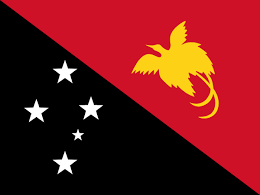
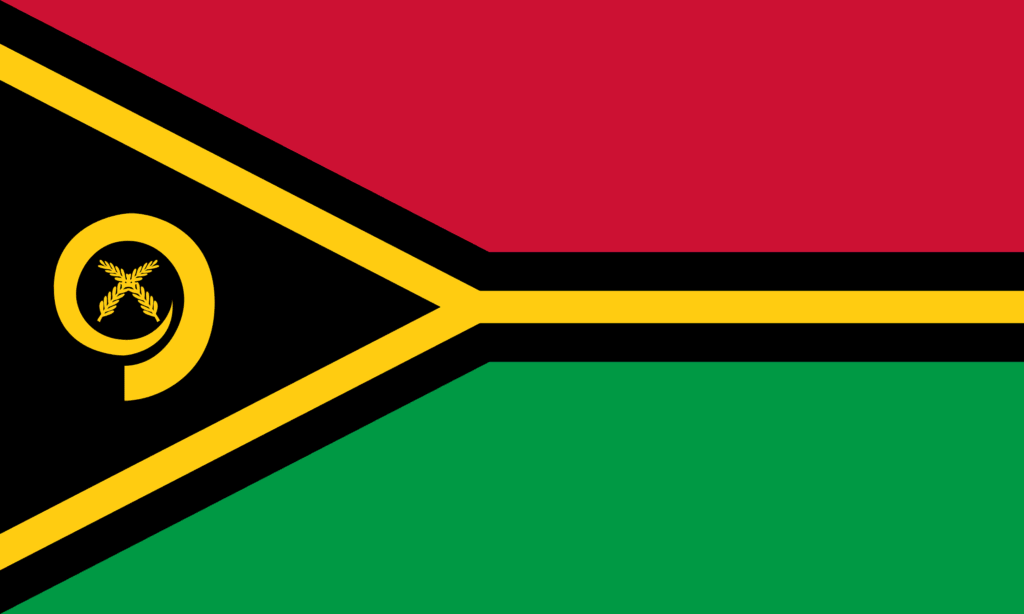
Realted Flags

Flag flying days
| Date | Flag Position | Occasion / Reason |
|---|---|---|
| 18 November | Full-mast | National Day (Sultan’s birthday) |
| 23 July | Full-mast | Renaissance Day |
| Religious Holidays | Full-mast | Eid al-Fitr, Eid al-Adha |
| National Mourning | Half-mast | Death of Sultan or royal family members |