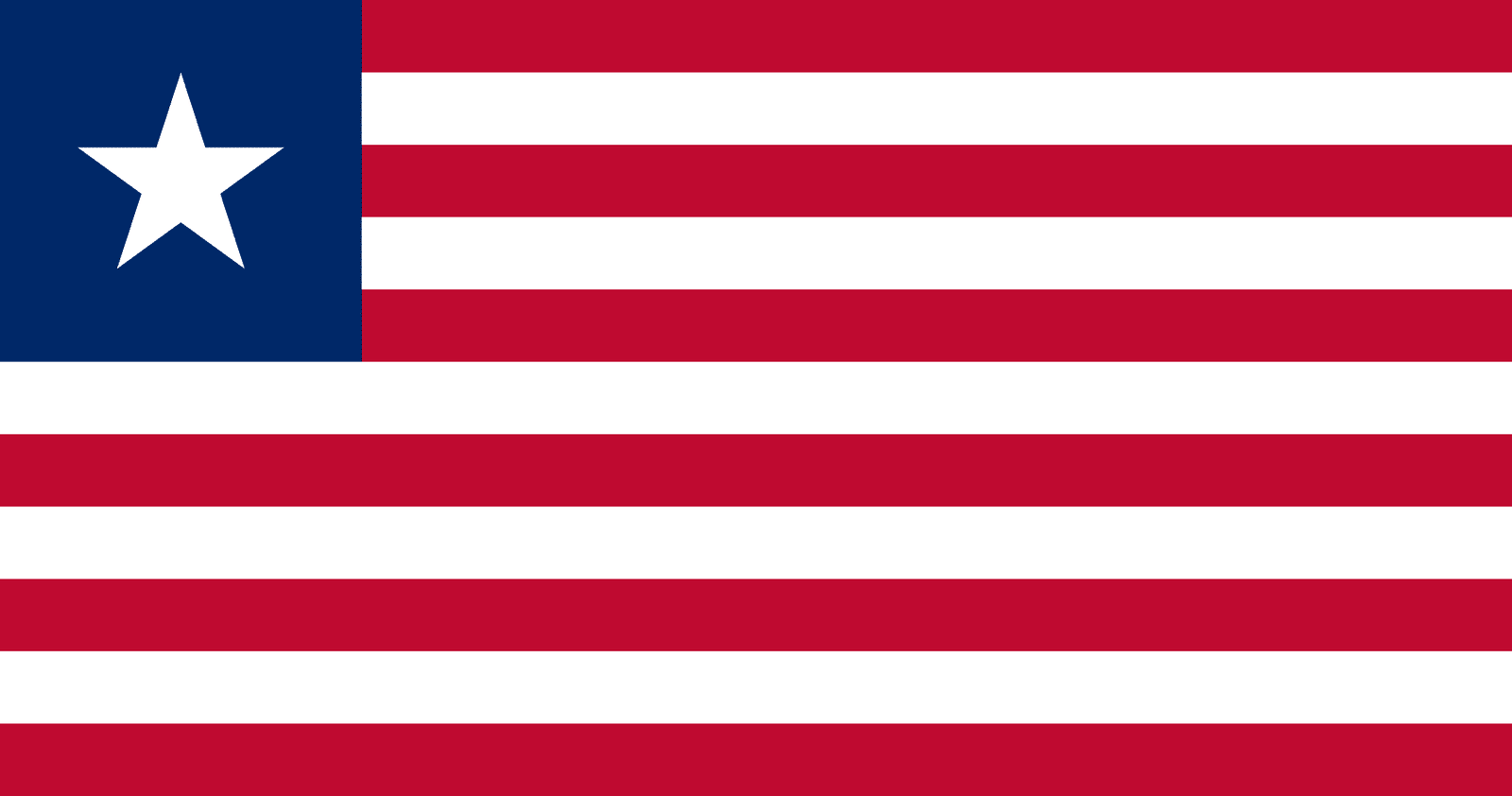
Flag of Liberia
| Legal Name | Republic of Liberia |
|---|---|
| Flag |
|
| Capital City |
Monrovia |
| Total Area | 111,369 km² |
| Land Area | 96,320 km² |
| Water Area | 15,049 km² |
| Population | Approximately 5.4 million |
| Major Cities | Monrovia (1.5 million metro), Gbarnga (45,000), Buchanan (40,000), Kakata (35,000) |
| Currency | Liberian Dollar (LRD) |
| GDP | Approximately USD 4.5 billion |
| GDP Per Capita | Approximately USD 850 (Nominal) |
About of Liberia
liberia is a West African nation located along the Atlantic Ocean, bordered by Sierra Leone to the northwest, Guinea to the north, and Côte d’Ivoire to the east. Its southern coastline stretches for hundreds of kilometers and has historically shaped the country’s trade, settlement patterns, and maritime importance.
The capital and largest city, Monrovia, serves as Liberia’s political, economic, and cultural center. Other urban areas such as Buchanan and Gbarnga function as regional commercial and administrative hubs. The population is young and diverse, with multiple ethnic groups and languages contributing to a rich social fabric.
Liberia is internationally recognized as Africa’s oldest republic, founded in the 19th century. Its strategic location on the Atlantic coast, combined with its large maritime registry and natural resources, has given it ongoing relevance in regional trade, shipping, and diplomacy.
Etymology
The name “Liberia” is derived from the Latin word liber, meaning “free.” It reflects the country’s founding purpose as a settlement for formerly enslaved and free-born African Americans in the early 19th century. The name symbolized freedom and self-determination, values that became central to Liberia’s national identity and political ideals.
History
Early and Pre-Colonial Period
Before the establishment of the modern state, the region was inhabited by diverse indigenous groups with complex societies, trade networks, and political systems. These communities engaged in agriculture, fishing, and regional commerce.
Foundation of the Republic
In the early 1800s, freed African Americans began settling in the area under the auspices of the American Colonization Society. In 1847, Liberia declared independence, becoming Africa’s first republic. The new state adopted political and social structures modeled on those of the United States.
Americo-Liberian Era
For more than a century, political power was largely dominated by the Americo-Liberian elite, leading to social and economic inequalities. Despite relative stability, tensions between settler descendants and indigenous populations persisted.
Late 20th Century Conflict
In 1980, a military coup ended Americo-Liberian dominance. The following decades were marked by two devastating civil wars between 1989 and 2003, which caused massive human suffering and infrastructure destruction.
Post-Conflict Recovery
Since 2003, Liberia has focused on peacebuilding, democratic governance, and reconstruction. Democratic elections, institutional reforms, and international engagement have supported gradual stabilization and development.
Government and Politics
Liberia is a constitutional republic with a presidential system. The Constitution provides for separation of powers among the executive, legislative, and judicial branches. The President serves as both head of state and head of government.
The legislature is bicameral, consisting of the Senate and House of Representatives. The judiciary is headed by the Supreme Court and operates independently. Administratively, Liberia is divided into counties, districts, and local governance units.
Liberia maintains active foreign relations and is a member of the United Nations, African Union, ECOWAS, and other international organizations. The Armed Forces of Liberia are responsible for national defense, with a focus on internal stability and regional peacekeeping support.
Economy
Liberia is classified as a developing economy with a strong reliance on natural resources and agriculture. Key sectors include mining, agriculture, forestry, and services. Rubber production has long been a cornerstone of the economy, alongside iron ore, gold, and timber exports.
Agriculture employs a large portion of the population, primarily at subsistence level. Manufacturing remains limited, while services such as trade, banking, and telecommunications are expanding. Liberia also operates one of the world’s largest ship registries, generating important revenue.
Economic challenges include infrastructure gaps, unemployment, and vulnerability to commodity price fluctuations. Future growth prospects depend on governance reforms, investment in human capital, and sustainable resource management.
Demographics
Liberia’s population is composed of numerous indigenous ethnic groups, including Kpelle, Bassa, Grebo, Gio, and Kru, among others. English is the official language, while many indigenous languages are widely spoken.
Christianity is the dominant religion, alongside Islam and traditional beliefs. Urbanization is increasing, particularly in Monrovia and surrounding areas. Population growth remains relatively high, reflecting a youthful demographic structure.
Culture and Society
Liberian culture blends indigenous traditions with influences from African American heritage. Music, dance, and storytelling play important roles in social life. Traditional crafts, oral history, and ceremonial practices remain widely respected.
Cuisine is based on rice, cassava, plantains, fish, and stews, often flavored with palm oil and local spices. Social values emphasize community ties, respect for elders, and hospitality. National holidays include Independence Day and other civic commemorations. Football is the most popular sport, with basketball and athletics also widely followed.
Education and Healthcare
Education in Liberia includes primary, secondary, and tertiary levels, with efforts ongoing to improve access and quality. Literacy rates have improved but remain uneven, particularly in rural areas. The country hosts universities and teacher-training institutions.
Healthcare is delivered through public and private facilities, with support from international partners. Public health challenges include infectious diseases, maternal health issues, and limited infrastructure, though significant progress has been made in disease control and health system rebuilding.
Geography and Climate
Liberia’s geography includes coastal plains, rolling hills, and forested plateaus. Several major rivers, including the St. Paul and Cavalla, flow toward the Atlantic Ocean. The country has a tropical climate with distinct wet and dry seasons.
Natural hazards include flooding and coastal erosion. Environmental concerns involve deforestation, soil degradation, and the impacts of climate change on coastal communities.
Flora and Fauna
Liberia is part of the Upper Guinean Forest ecosystem, one of West Africa’s most biodiverse regions. Native plant species include hardwood trees, palms, and medicinal plants. Wildlife includes forest elephants, pygmy hippos, primates, and diverse bird species.
National parks and protected areas have been established to conserve biodiversity, though enforcement and funding remain ongoing challenges.
Map of Liberia
Liberia’s national symbols reflect its founding ideals and African heritage. The flag, coat of arms, and anthem emphasize freedom, unity, and national resilience. Historic landmarks and monuments commemorate independence and the country’s unique origins.
National Flag (Detailed Section)
The national flag of Liberia consists of eleven red and white horizontal stripes representing the signatories of the Declaration of Independence. A blue square in the upper hoist contains a single white star symbolizing freedom and Liberia’s status as Africa’s first republic. The flag was adopted in 1847 and is prominently displayed at government buildings, schools, and national events in accordance with official protocol.
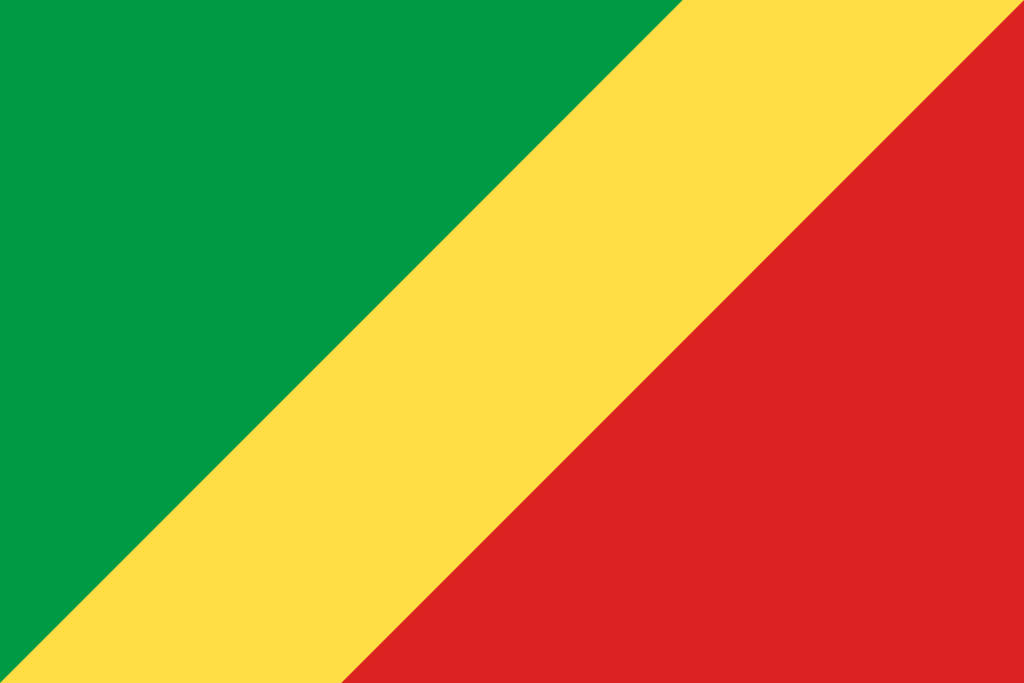
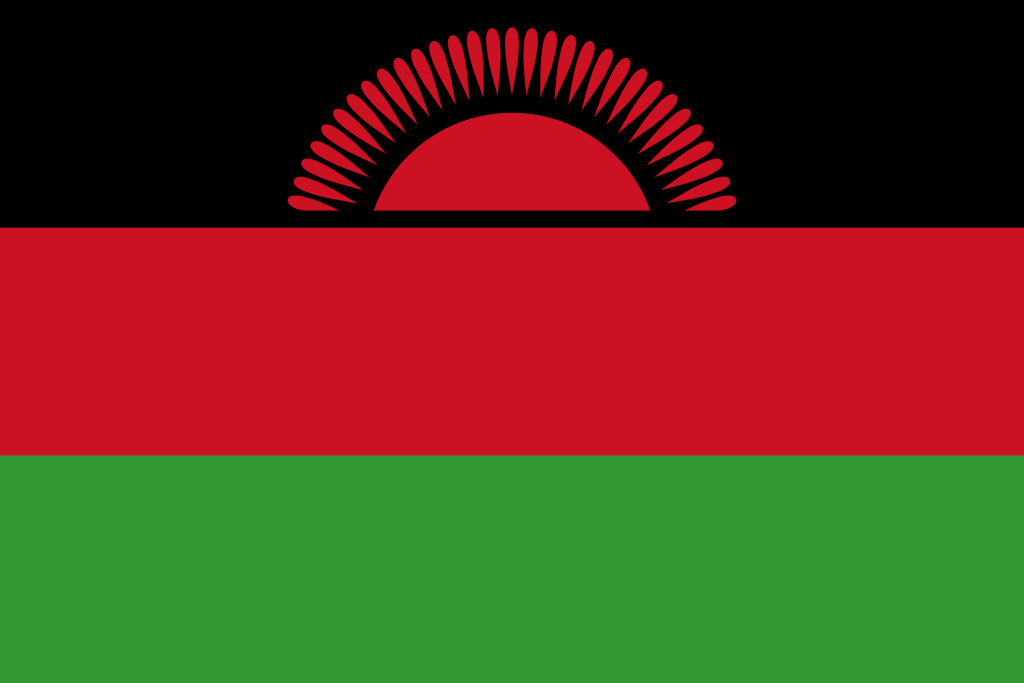
Realted Flags
Flag flying days
| Date | Flag Position | Occasion or Reason |
|---|
| July 26 | Full-mast | Independence Day |
| National public holidays | Full-mast | Official celebrations |
| State ceremonies | Full-mast | Government and national events |
| Periods of national mourning | Half-mast | Officially declared mourning |