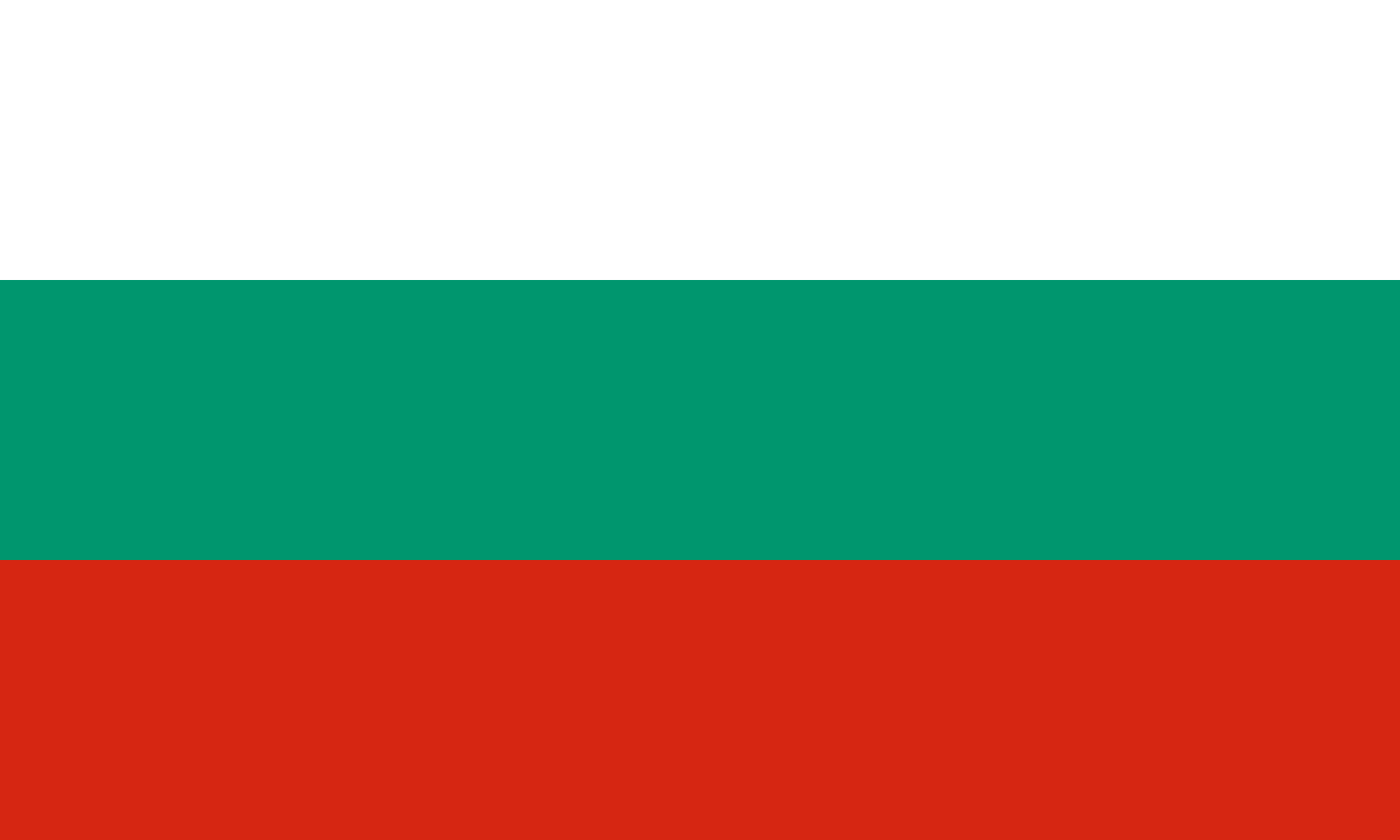
Flag of Bulgaria
| Legal Name | Republic of Bulgaria |
|---|---|
| Flag |
|
| Capital City |
Sofia |
| Total Area | 110,994 km² |
| Land Area | ~108,560 km² |
| Water Area | ~2,434 km² |
| Population | ~6.4 million |
| Major Cities | Sofia (~1.3 million), Plovdiv (~340,000), Varna (~335,000), Burgas (~200,000), Ruse (~140,000) |
| Currency | Bulgarian Lev (BGN) |
| GDP | ~US$100 billion |
| GDP Per Capita | ~US$15,000 (nominal) / ~US$34,000 (PPP) |
About of Bulgaria
Bulgaria is a southeastern European nation situated on the Balkan Peninsula, bridging Eastern Europe and the Near East. Its geographic position has historically made it a crossroads of civilizations, trade routes, and cultural influences. The country stretches from the Danube River in the north to the Aegean cultural sphere in the south, with diverse landscapes that include mountains, plains, and a coastline along the Black Sea to the east.
Bulgaria shares land borders with Romania, Serbia, North Macedonia, Greece, and Turkey, and has a maritime boundary along the Black Sea. The capital city, Sofia, located in the western part of the country, is both the political and economic hub. Other major urban centers such as Plovdiv, Varna, and Burgas play significant cultural, industrial, and tourism roles.
Demographically, Bulgaria has experienced population decline and aging trends over recent decades due to low birth rates and emigration. Despite this, it maintains a highly educated workforce and strong cultural heritage. Internationally, Bulgaria is a recognized sovereign republic and an active participant in European and global institutions. It is a member of the European Union, NATO, and the United Nations, and holds strategic importance as a gateway between Europe, the Middle East, and Asia, especially in energy transit and regional security.
Etymology
The name “Bulgaria” originates from the Bulgars, a semi-nomadic Turkic people who settled in the Balkans during the 7th century. Over time, the Bulgar identity merged with Slavic populations, creating the foundations of the modern Bulgarian nation. The term evolved linguistically through medieval Greek and Latin forms before stabilizing as “Bulgaria” in European languages. The name reflects both ethnic heritage and state continuity, linking the contemporary country to one of Europe’s oldest continuously existing states.
History
Prehistoric and Ancient Periods:
Archaeological evidence shows human settlement in present-day Bulgaria dating back to the Paleolithic era. The region later became home to Thracian tribes, known for advanced metalwork and rich burial traditions.
Classical and Roman Era:
By the 1st century CE, the territory was incorporated into the Roman Empire, leading to urban development, road networks, and the spread of Christianity. Roman influence left lasting architectural and cultural imprints.
First and Second Bulgarian Empires (7th–14th Centuries):
The First Bulgarian Empire emerged in 681 CE and became a major medieval power, playing a crucial role in the spread of Slavic literacy and Orthodox Christianity through the Cyrillic script. The Second Bulgarian Empire later revived political strength and cultural achievements before declining under external pressures.
Ottoman Rule (14th–19th Centuries):
Bulgaria fell under Ottoman control for nearly five centuries. This period shaped demographic patterns, religious institutions, and cultural resilience, while limiting political autonomy.
Independence and Modern State Formation:
The Bulgarian National Revival in the 18th and 19th centuries fostered cultural awakening and resistance. Autonomy was achieved in 1878, followed by full independence in 1908.
20th Century and Socialist Era:
After involvement in the World Wars and shifting alliances, Bulgaria became a socialist republic aligned with the Eastern Bloc following World War II. State-planned economics and industrialization defined this era.
Post-1989 Democratic Transition:
The fall of communism led to democratic reforms, market liberalization, and integration with Western institutions. Bulgaria joined NATO in 2004 and the European Union in 2007, marking its modern geopolitical alignment.
Government and Politics
Bulgaria is a parliamentary representative democratic republic governed by a constitution adopted in 1991.
Political Structure:
The President serves as head of state with primarily ceremonial powers, while the Prime Minister leads the executive government.
Branches of Government:
Executive: Council of Ministers headed by the Prime Minister
Legislative: Unicameral National Assembly elected by proportional representation
Judicial: Independent court system led by the Supreme Judicial Council
Administrative Divisions:
The country is divided into 28 provinces (oblasts), further subdivided into municipalities.
Foreign Relations and Memberships:
Bulgaria is an active member of the European Union, NATO, the United Nations, the Council of Europe, and the World Trade Organization. Its foreign policy emphasizes regional stability, EU integration, and energy cooperation.
Defense and Military:
The Bulgarian Armed Forces participate in NATO missions and focus on modernization, border security, and international peacekeeping operations.
Economy
Bulgaria is classified as an upper-middle-income, developing European economy with a mixed market structure.
Major Industries:
Information technology, automotive components, pharmaceuticals, tourism, agriculture, and energy production are central economic drivers.
Agriculture and Manufacturing:
Agriculture produces grains, sunflower seeds, wine, and tobacco. Manufacturing includes machinery, electronics, textiles, and chemicals.
Natural Resources:
The country possesses deposits of copper, zinc, coal, and mineral waters, contributing to industrial output and energy generation.
Trade and Exports:
Primary trade partners are Germany, Italy, Romania, Greece, and Turkey. Exports include machinery, refined petroleum, agricultural goods, and IT services.
Challenges and Outlook:
Key challenges include demographic decline, regional income disparities, and energy dependency. However, growth in technology sectors, EU funding, and infrastructure investments provide positive long-term prospects.
Demographics
Bulgaria’s population is predominantly ethnic Bulgarian, with minorities including Turks, Roma, Armenians, and others.
Languages:
Bulgarian, a South Slavic language written in Cyrillic, is the official language. Minority languages are also spoken regionally.
Religion:
The majority adhere to Eastern Orthodox Christianity, with Muslim, Catholic, and Protestant communities present.
Urbanization and Trends:
Over 75% of the population lives in urban areas, particularly Sofia and coastal cities. Population aging and emigration have contributed to gradual decline in total numbers.
Culture and Society
Bulgarian culture reflects Slavic roots blended with Thracian and Byzantine influences.
Arts and Music:
Traditional folk music, choral singing, and dance are internationally recognized. Bulgaria also has strong traditions in literature, theater, and classical music.
Cuisine:
Popular dishes include banitsa, shopska salad, kebapche, and yogurt-based foods, emphasizing fresh vegetables and dairy.
Customs and Identity:
Hospitality, family cohesion, and respect for historical heritage are central social values. Handcrafted textiles and rose oil production are notable cultural symbols.
Festivals and Holidays:
Key celebrations include Liberation Day (3 March), Culture and Literacy Day (24 May), and Independence Day (22 September).
Sports and Recreation:
Football, wrestling, weightlifting, and winter sports are widely followed, supported by mountainous terrain and sporting traditions.
Education and Healthcare
Education System:
Education is compulsory through lower secondary levels, with strong emphasis on mathematics, science, and language learning. Bulgaria hosts numerous universities, including Sofia University.
Literacy and Higher Education:
Literacy rates exceed 98%, reflecting long-standing educational priorities.
Healthcare System:
A public health insurance model operates alongside private clinics. Major cities offer advanced medical facilities.
Public Health Challenges and Achievements:
Improvements in life expectancy and vaccination coverage are notable, though rural healthcare access and workforce shortages remain ongoing concerns.
Geography and Climate
Physical Geography:
Bulgaria features diverse terrain including the Balkan Mountains, Rila and Pirin ranges, fertile plains, and a Black Sea coastline. The Danube River forms much of the northern boundary.
Climate:
The climate ranges from continental in the north to Mediterranean influences in the south, with cold winters and warm summers.
Natural Hazards:
Occasional earthquakes, floods, and wildfires occur, though large-scale disasters are infrequent.
Environmental Concerns:
Air pollution, forest conservation, and sustainable water management are key environmental priorities.
Flora and Fauna
Biodiversity:
Bulgaria hosts rich biodiversity due to varied ecosystems and altitude differences.
Native Plants:
Forests of oak, beech, pine, and fir cover large areas, along with alpine meadows and rose fields in the Valley of Roses.
Wildlife:
Species include brown bears, wolves, deer, lynx, and numerous bird species, making the country important for European wildlife corridors.
Conservation Efforts:
National parks such as Rila, Pirin, and Central Balkan protect natural habitats and UNESCO-recognized biosphere reserves.
Map of Bulgaria
National Flag:
White-green-red horizontal tricolor symbolizing peace, nature, and courage.
Coat of Arms:
A golden lion shield crowned and supported by two lions, representing strength and sovereignty.
National Anthem:
“Mila Rodino” (“Dear Motherland”).
National Symbols and Monuments:
The Rose, the lion, and historic monasteries such as Rila Monastery are iconic national emblems.
National Flag (Detailed Section)
The flag of Bulgaria consists of three equal horizontal stripes: white on top, green in the center, and red at the bottom. Adopted in its modern form in 1991, the design is rooted in 19th-century national revival symbolism.
Symbolism:
White: Peace and freedom
Green: Agriculture, forests, and natural wealth
Red: Courage and the blood shed for independence
Historical Development:
The tricolor evolved from revolutionary banners used during the liberation movement against Ottoman rule. Variations existed during the socialist period, but the simple tricolor was reinstated after democratic reforms.
Protocol and Usage:
The flag is displayed on government buildings, public institutions, and during national celebrations. It is lowered to half-mast during official mourning periods.
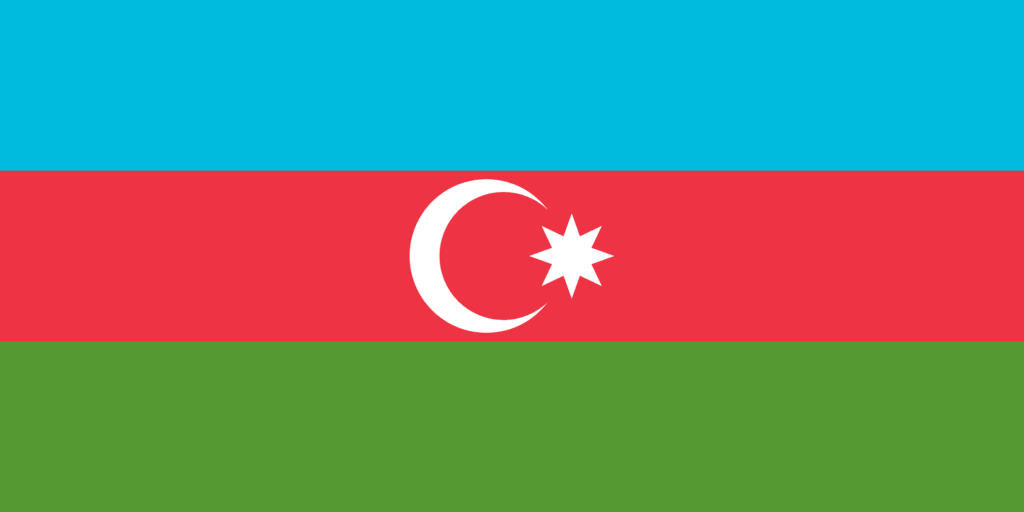
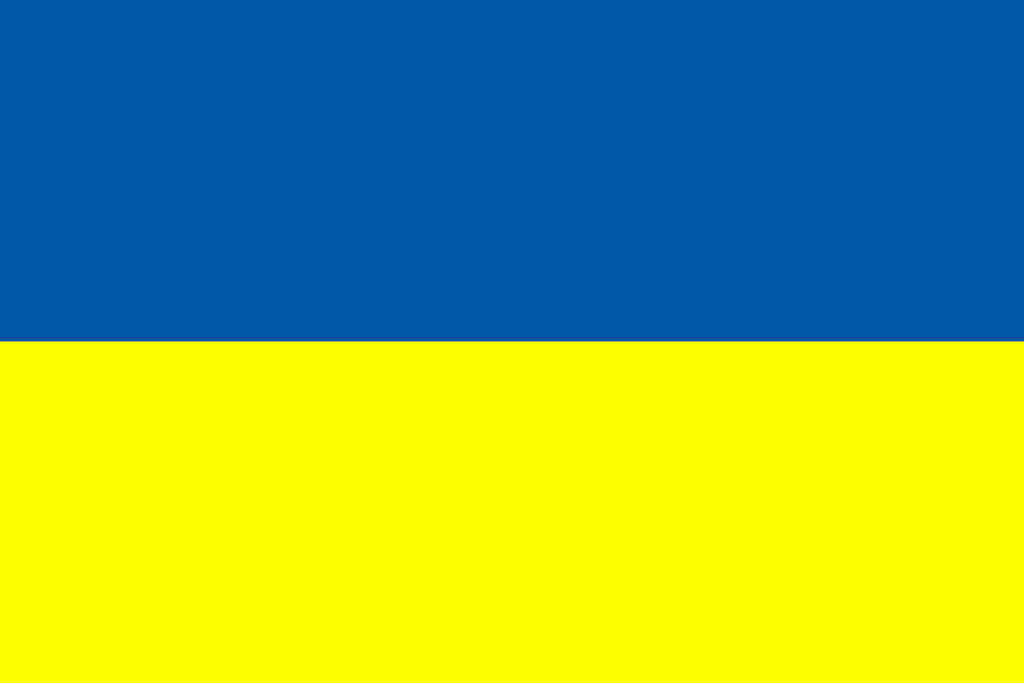
Realted Flags
Flag flying days
| Date | Flag Position | Occasion |
|---|---|---|
| 3 March | Full-mast | Liberation Day |
| 24 May | Full-mast | Culture and Literacy Day |
| 6 September | Full-mast | Unification Day |
| 22 September | Full-mast | Independence Day |
| National Mourning Periods | Half-mast | State funerals or national tragedies |