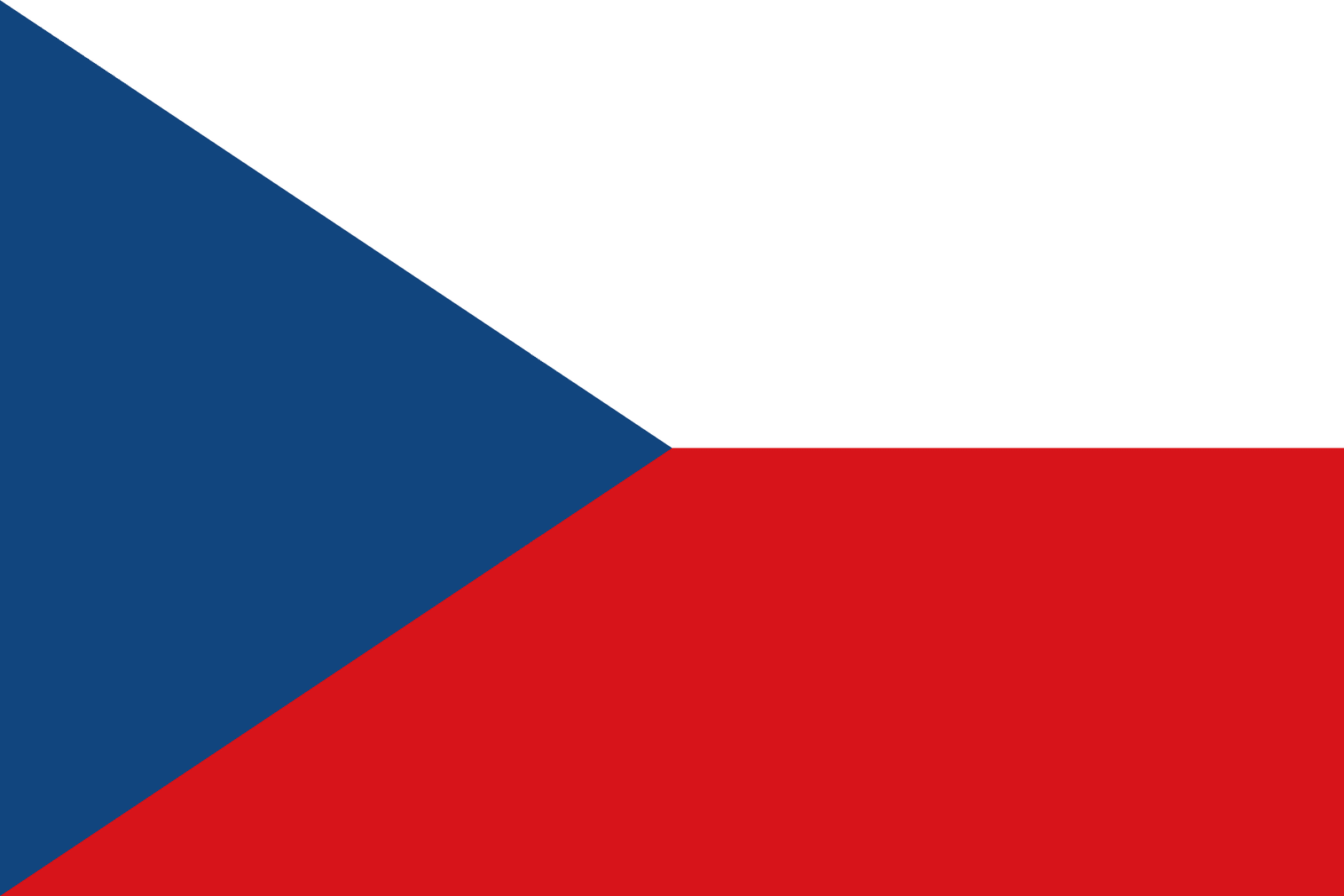
Flag of Czechia
| Legal Name | Czech Republic |
|---|---|
| Flag |
|
| Capital City |
Prague |
| Total Area | 78,871 |
| Land Area | 77,247 |
| Water Area | 1,624 |
| Population | ~10.7 million |
| Major Cities | Prague (~1.3 million), Brno (~400,000), Ostrava (~290,000), Plzeň (~175,000), Liberec (~105,000) |
| Currency | Czech Koruna (CZK) |
| GDP | ~USD 350 billion |
| GDP Per Capita | ~USD 32,500 (nominal) |
About of Czechia
Czechia is a landlocked country in Central Europe, strategically positioned at the crossroads of Eastern and Western Europe. It shares borders with Germany to the west, Poland to the north, Slovakia to the east, and Austria to the south. Its central location has historically made it a hub for trade, cultural exchange, and political influence.
The country’s capital, Prague, is an iconic European city renowned for its medieval architecture, cultural heritage, and vibrant economy. Other major urban centers, including Brno, Ostrava, and Plzeň, serve as industrial, educational, and cultural hubs. Czechia has a highly urbanized population, with over 75% living in cities and towns, contributing to a well-developed infrastructure and high standard of living.
Czechia is internationally recognized as a stable, democratic state and is a member of the European Union, NATO, the United Nations, and other international organizations. Its geopolitical significance stems from its strategic location, robust economy, and historical role as a bridge between Eastern and Western Europe.
Etymology
The name “Czechia” derives from the ethnonym Czech, which refers to the Slavic people who settled the region. Linguistically, it originates from the old Slavic tribe known as the Czechs (Češi). The country’s formal name, the “Czech Republic,” emphasizes the republican system of governance following the dissolution of Czechoslovakia in 1993. Over time, “Czechia” has become the standardized short form for international and domestic use.
History
Human settlement in Czechia dates back to the Paleolithic era, with evidence of Stone Age and Bronze Age communities. During the early medieval period, the area was dominated by Slavic tribes and eventually became part of the Great Moravian Empire in the 9th century.
From the 10th century onward, Bohemia emerged as a powerful kingdom within the Holy Roman Empire, with Prague as its political and cultural center. The region saw the rise of influential dynasties, including the Přemyslids and the Luxembourgs, and experienced cultural flourishing during the reign of Charles IV in the 14th century.
Czech lands were later incorporated into the Habsburg Monarchy, and the 19th century brought industrialization and nationalist movements. After World War I, Czechia became part of Czechoslovakia, a new independent state. The country endured Nazi occupation during World War II and came under communist rule after the war until the Velvet Revolution in 1989 restored democracy. In 1993, Czechoslovakia peacefully split into the Czech Republic and Slovakia.
Modern Czechia is a democratic republic with a prosperous economy, a strong industrial base, and a prominent role in European affairs.
Government and Politics
Czechia is a parliamentary representative democratic republic. The President serves as the head of state with limited executive powers, while the Prime Minister is the head of government and leads the Cabinet.
The legislature is a bicameral parliament consisting of the Chamber of Deputies and the Senate. The judiciary is independent, with the Constitutional Court serving as the highest authority on constitutional matters.
Administratively, Czechia is divided into 14 regions (kraje), which are further subdivided into municipalities. The country maintains robust foreign relations, being an active member of the EU, NATO, OECD, and the UN. The Czech Armed Forces are professional and modern, focusing on defense, NATO operations, and international peacekeeping missions.
Economy
Czechia has a high-income, developed economy characterized by an advanced industrial sector and strong service industries. Manufacturing, particularly in automobiles, machinery, and electronics, is a key economic driver. The country also has a well-developed agricultural sector producing cereals, sugar beets, hops, and livestock.
Natural resources are limited, with lignite, kaolin, and some minerals contributing to energy and industrial use. Czechia’s main trade partners include Germany, Slovakia, Poland, and other EU countries. The economy faces challenges such as an aging population and dependence on European trade, but growth prospects remain strong due to innovation, technology, and skilled labor.
Demographics
Czechia has a population of approximately 10.7 million. The majority are ethnic Czechs, with small Slovak, Polish, German, and Romani minorities. Czech is the official language, while English, German, and other European languages are commonly spoken.
The population is largely secular, with Roman Catholicism as the largest religious affiliation. Urban areas house the majority of citizens, with Prague being the cultural, economic, and political center. Population growth is modest, with migration contributing to demographic changes.
Culture and Society
Czech culture emphasizes history, education, and civic engagement. Literature, music, and theater are highly valued, with Prague historically serving as a cultural hub. Traditional cuisine includes dishes such as svíčková, knedlíky, and various pastries.
Social norms emphasize equality, politeness, and community participation. Public holidays include St. Wenceslas Day, Liberation Day, and national celebrations on Czech Statehood Day. Popular sports include football, ice hockey, and tennis.
Education and Healthcare
Czechia has a comprehensive education system, offering free primary, secondary, and tertiary education. Literacy is virtually universal, and universities such as Charles University are internationally recognized.
Healthcare is publicly funded and widely accessible, providing high standards of medical care. Public health achievements include strong vaccination coverage and low infant mortality, though challenges include an aging population and lifestyle-related diseases.
Geography and Climate
Czechia’s landscape is diverse, featuring mountains, hills, plateaus, and river basins. Major rivers include the Vltava and Elbe, while the Bohemian Forest and Sudetes Mountains form natural borders.
The country experiences a temperate continental climate, with warm summers, cold winters, and moderate precipitation. Natural hazards are limited but include floods, storms, and occasional droughts. Environmental initiatives focus on sustainable forestry, pollution control, and biodiversity protection.
Flora and Fauna
Czechia hosts rich biodiversity, with mixed forests, meadows, and wetlands supporting numerous plant and animal species. Native wildlife includes deer, wild boar, foxes, and numerous bird species.
National parks and protected areas, such as Krkonoše National Park, preserve ecosystems and promote environmental awareness. Conservation efforts emphasize habitat protection, sustainable land use, and ecological education.
Map of Czechia
Czechia’s national symbols include its flag, coat of arms, and the anthem Kde domov můj (“Where is My Home”). The lion is a national symbol representing courage and sovereignty. The linden tree is also culturally significant, representing freedom and tradition.
National Flag (Detailed Section)
The Czech flag consists of two horizontal bands of white (top) and red, with a blue isosceles triangle extending from the hoist side. Adopted in 1920, the flag represents the historic lands of Bohemia (white and red) and Moravia/Silesia (blue).
The white symbolizes peace and honesty, red stands for courage and valor, and blue represents vigilance, truth, and loyalty. The flag is used widely by government, institutions, and citizens, and flag etiquette follows international norms for ceremonial and national occasions.
Flag flying days
| Date | Flag Position | Occasion or Reason |
|---|---|---|
| January 1 | Full-mast | New Year’s Day |
| March 15 | Full-mast | Anniversary of the Spring of Nations |
| July 5 | Full-mast | St. Cyril and Methodius Day |
| October 28 | Full-mast | Czechoslovak Independence Day |
| November 17 | Full-mast | Struggle for Freedom and Democracy Day |
| National Mourning Days | Half-mast | Officially declared periods of mourning |