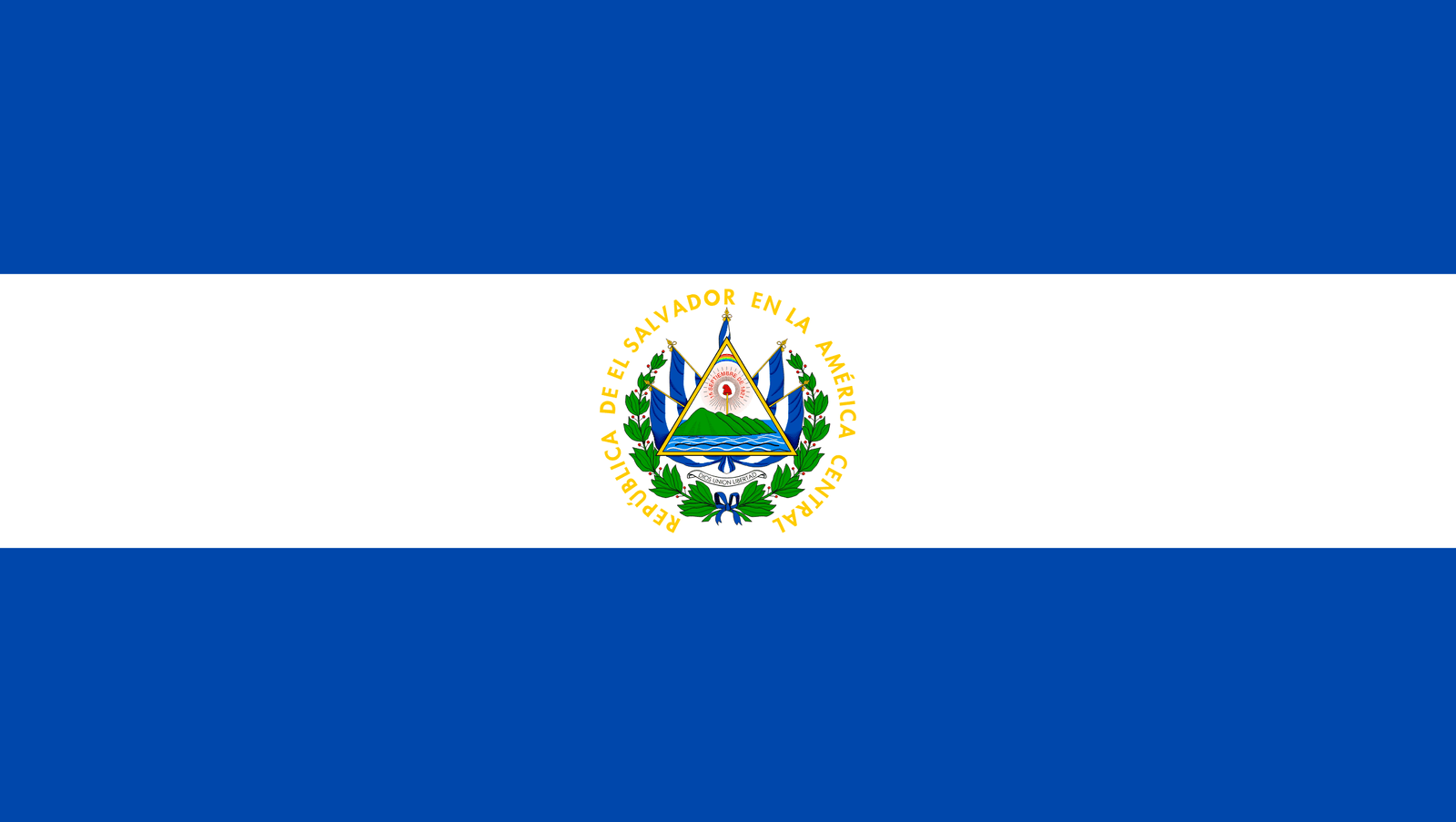
Flag of El Salvador
| Legal Name | Republic of El Salvador |
|---|---|
| Flag |
|
| Capital City |
San Salvador |
| Total Area | 21,041 |
| Land Area | 20,721 |
| Water Area | 320 |
| Population | ~6.7 million |
| Major Cities | San Salvador (~2.4 million metro), Santa Ana (~310,000), San Miguel (~260,000), Soyapango (~300,000) |
| Currency | United States Dollar (USD) |
| GDP | ~USD 75 billion |
| GDP Per Capita | ~USD 10,800 (PPP) |
About of El Salvador
El Salvador is the smallest and most densely populated country in Central America, located on the Pacific coast between Guatemala and Honduras. Despite its compact size, it features a highly diverse geography that includes volcanic mountain ranges, fertile valleys, and a coastline along the Pacific Ocean. The country’s strategic position has historically made it an important hub for trade, cultural exchange, and regional integration within Central America.
The capital, San Salvador, is the political, cultural, and economic center of the country, hosting major government institutions, universities, and industries. Other significant urban centers include Santa Ana and San Miguel, both contributing to the nation’s industrial and agricultural economy. The population is largely urbanized, with nearly 70% residing in cities and towns, reflecting migration trends from rural areas in search of employment and education.
El Salvador is internationally recognized as a sovereign republic with active participation in regional organizations such as the Central American Integration System (SICA), the Organization of American States (OAS), and the United Nations. Its geopolitical importance lies in its economic activity, human capital, and role in regional diplomacy and migration dynamics.
Etymology
The name “El Salvador” translates to “The Savior” in Spanish, reflecting the nation’s deep-rooted Catholic heritage and the influence of Spanish colonial history. The name originates from the Spanish explorers and settlers of the 16th century, emphasizing religious dedication to Jesus Christ. Over time, it became the official designation following independence from Spain, symbolizing both spiritual and national identity.
History
Prehistoric and Ancient Civilizations
El Salvador was originally inhabited by indigenous groups, including the Pipil, Lenca, and Maya, who established agricultural societies and trade networks. Archaeological evidence suggests advanced pottery, ceremonial centers, and early pyramid construction in the region.
Colonial Era
Spanish explorers arrived in the early 16th century, claiming the territory for the Spanish Crown. Indigenous resistance occurred but was gradually suppressed, leading to colonization, introduction of European agriculture, and conversion to Christianity. The area became part of the Captaincy General of Guatemala under the Viceroyalty of New Spain.
Independence Movement
El Salvador declared independence from Spain on September 15, 1821, initially joining the Federal Republic of Central America before becoming fully sovereign in 1841. Post-independence history was marked by political instability, regional conflicts, and economic struggles.
20th Century Developments
The 20th century included military regimes, civil unrest, and the Salvadoran Civil War (1980–1992), a devastating conflict fueled by social inequality and political repression. Peace accords in 1992 ushered in democratic reforms, economic restructuring, and efforts toward national reconciliation.
Modern Political Developments
Today, El Salvador operates as a democratic republic with regular elections. Economic development, public security, and migration remain central challenges, while political reforms have strengthened institutional governance and regional cooperation.
Government and Politics
El Salvador is a presidential representative democratic republic. The president serves as both head of state and government, elected for a five-year term with no immediate reelection. The unicameral Legislative Assembly comprises 84 members responsible for lawmaking. The judiciary operates independently, with the Supreme Court as the highest authority.
The country is divided into 14 departments, each administered by appointed governors. El Salvador maintains diplomatic relations globally, is a member of the UN, OAS, SICA, and participates in regional security and economic initiatives. The military, though modest in size, focuses on national defense, civil support, and border security.
Economy
El Salvador is classified as a developing economy. Its main economic sectors include services, manufacturing, and agriculture. Coffee, sugar, textiles, and food processing remain critical agricultural exports, while electronics, chemicals, and construction support industrial growth. The country has embraced remittances as a vital economic driver, with significant contributions from Salvadorans abroad, particularly in the United States.
Key trade partners include the U.S., Guatemala, Honduras, and Mexico. Challenges include income inequality, reliance on imports for energy and raw materials, and vulnerability to natural disasters. Economic reforms target diversification, foreign investment, and sustainable growth.
Demographics
The population is predominantly Mestizo (mixed Indigenous and European ancestry), with smaller Indigenous and Afro-descendant communities. Spanish is the official language, while Indigenous languages such as Nahuatl are spoken locally. Christianity, primarily Roman Catholicism and Protestantism, dominates religious life. The urban population is concentrated in San Salvador, Santa Ana, and San Miguel, with rural communities sustaining traditional agriculture.
Population growth has slowed due to migration trends, particularly toward the U.S., shaping social, economic, and family dynamics.
Culture and Society
El Salvador’s culture blends Indigenous traditions with Spanish colonial influence. Family, community, and religious values shape social norms. Arts and music are vibrant, with marimba, folk dance, and modern expressions like cumbia and rock playing significant roles. Literature highlights social themes, with prominent writers exploring identity, history, and migration.
Cuisine features pupusas, tamales, and seafood, reflecting local ingredients and cultural heritage. National festivals, such as Independence Day (September 15) and Semana Santa, are central to civic and religious life. Football is the most popular sport, alongside basketball and volleyball.
Education and Healthcare
The education system is divided into pre-primary, primary, secondary, and tertiary levels. Literacy rates are relatively high, with universities and technical institutes providing higher education opportunities. Healthcare services include public hospitals, clinics, and community health programs, though accessibility varies. Public health priorities include infectious disease prevention, maternal health, and nutrition programs.
Geography and Climate
El Salvador features volcanic mountain ranges, fertile valleys, coastal plains, and a Pacific coastline. Major rivers include the Lempa and Goascorán. The climate is tropical with wet (May–October) and dry (November–April) seasons. Natural hazards such as earthquakes, volcanic eruptions, hurricanes, and flooding pose significant challenges. Environmental concerns include deforestation, soil erosion, and water pollution.
Flora and Fauna
Biodiversity is notable, with tropical forests, mangroves, and coral reefs supporting diverse species. Native plants include ceiba, mahogany, and orchids, while wildlife includes armadillos, howler monkeys, jaguars, and a rich avian population. National parks such as El Imposible and Montecristo preserve critical habitats and endangered species.
Map of El Salvador
The national flag is a horizontal triband of blue and white with the coat of arms at the center, symbolizing peace, justice, and loyalty. The coat of arms features a triangle, five volcanoes, and a red Phrygian cap, representing liberty and unity. The national anthem, Himno Nacional de El Salvador, emphasizes patriotism and independence. Other symbols include the ceiba tree and the turquoise-browed motmot bird.
National Flag (Detailed Section)
The flag’s blue stripes represent the Pacific Ocean and sky, while the white signifies peace and solidarity. The central coat of arms, adopted in 1912, portrays the nation’s geography, freedom, and republican ideals. Flag protocol mandates display at government buildings, schools, and national ceremonies, with half-mast reserved for mourning and remembrance.
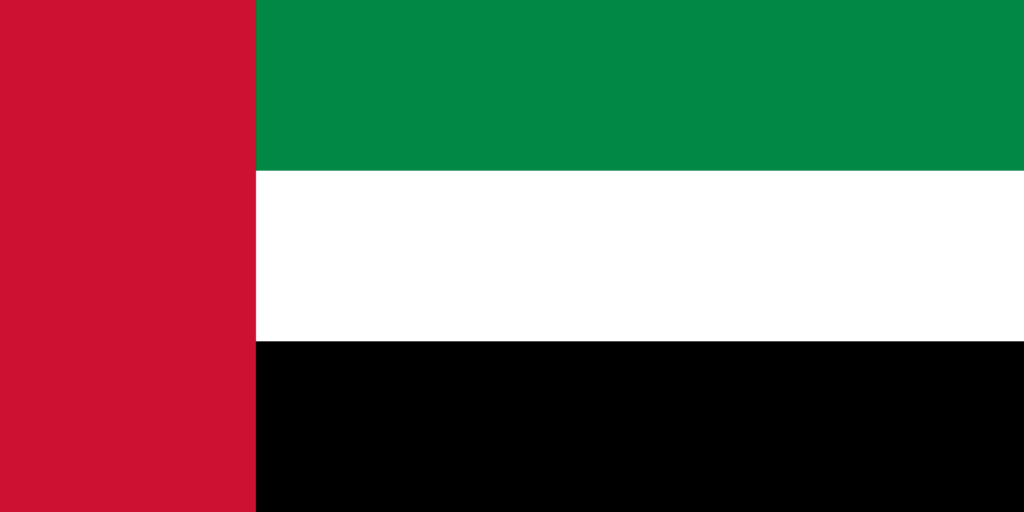
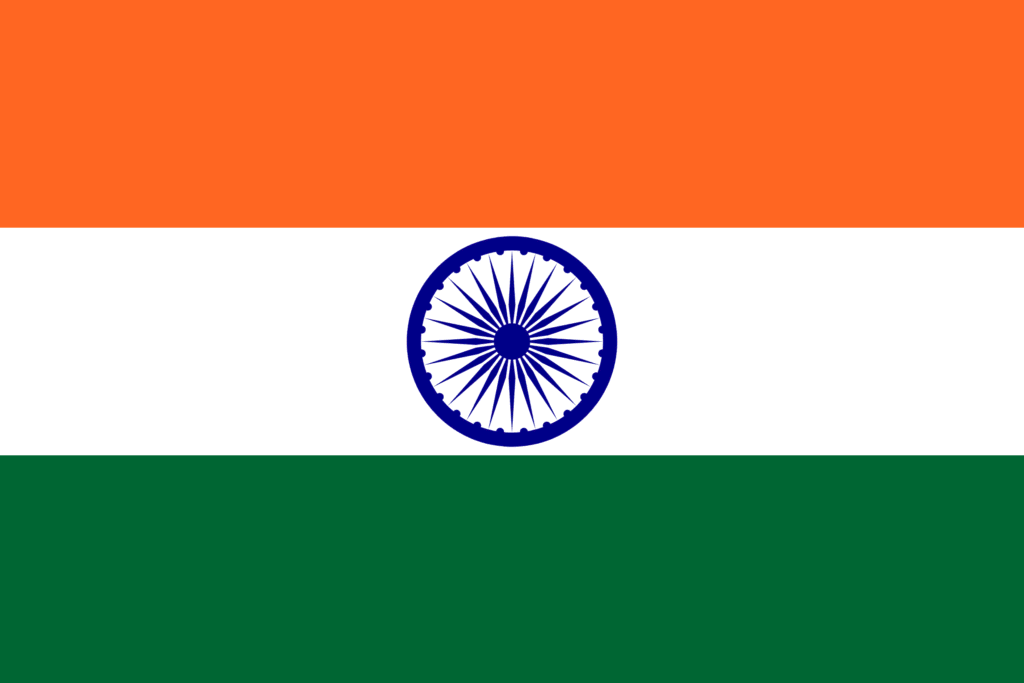
Realted Flags
Flag flying days
| Date | Flag Position | Occasion or Reason |
|---|---|---|
| September 15 | Full-mast | Independence Day |
| May 1 | Full-mast | Labor Day |
| November 11 | Full-mast | Day of the Armed Forces |
| National Mourning Days | Half-mast | Death of leaders or national tragedies |