Flag of North Macedonia
| Legal Name | Republic of North Macedonia |
|---|---|
| Flag |
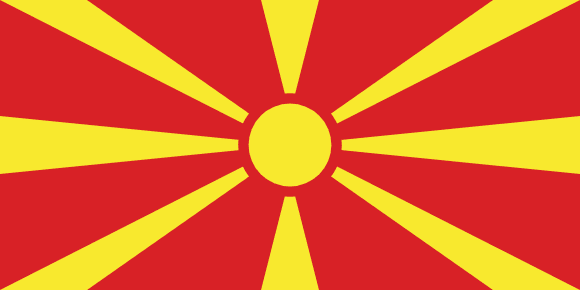
|
| Capital City |
Skopje |
| Total Area | 25,713 km² |
| Land Area | 25,333 km² |
| Water Area | 380 km² |
| Population | Approximately 2.07 million |
| Major Cities | Skopje (~550,000), Bitola (~74,000), Kumanovo (~105,000), Tetovo (~105,000) |
| Currency | Macedonian Denar (MKD) |
| GDP | USD 15.1 billion |
| GDP Per Capita | USD 22,100 (PPP) |
About of North Macedonia
North Macedonia is a landlocked country in Southeastern Europe, situated on the Balkan Peninsula. It shares borders with Kosovo, Serbia, Bulgaria, Greece, and Albania. The country is characterized by mountainous terrain, fertile valleys, and numerous lakes, including the prominent Lake Ohrid, one of Europe’s oldest and deepest lakes.
The capital and largest urban center, Skopje, functions as the political, economic, and cultural hub. Other major cities, such as Bitola, Tetovo, and Kumanovo, are regional centers contributing to commerce, industry, and cultural life. The population is ethnically and culturally diverse, with Macedonians, Albanians, Turks, Roma, and others forming the social fabric. North Macedonia is internationally recognized as an independent, sovereign state and is a member of the United Nations, NATO, and various regional organizations. Its strategic importance lies in its geographic position at the crossroads of Southeast Europe, connecting central Europe with the Mediterranean.
Etymology
The name “Macedonia” has roots in the ancient kingdom of Macedon, which existed in the region during classical antiquity. The term derives from the Greek “Makedonía”, meaning “land of the tall men”, referring to the reputed height of the inhabitants. Following the Prespa Agreement of 2018, the official name “North Macedonia” was adopted to distinguish it from the adjacent Greek region of Macedonia, resolving a decades-long naming dispute.
History
Prehistoric and Ancient Civilizations
Human presence in the territory dates back to the Neolithic period, with significant archaeological sites in Tumba Madžari and Kokino. By the first millennium BCE, the region was inhabited by Paionian and Illyrian tribes, later influenced by Greek colonization and Hellenistic culture.
Classical and Medieval Periods
The area was incorporated into the Ancient Macedonian Kingdom and subsequently into the Roman Empire, becoming part of the province of Macedonia Salutaris. During the Byzantine era, the region saw Christianization and urban development. In the medieval period, the territory was contested between Byzantine, Bulgarian, and Serbian kingdoms.
Ottoman Rule
From the 14th century until 1912, North Macedonia was part of the Ottoman Empire, experiencing administrative restructuring, urbanization, and cultural influence from Ottoman governance.
Independence Movement
Following the Balkan Wars and World War I, the region became part of the Kingdom of Serbs, Croats, and Slovenes (later Yugoslavia). After World War II, it was established as the Socialist Republic of Macedonia within the Federal People’s Republic of Yugoslavia. Following the dissolution of Yugoslavia, North Macedonia declared independence on September 8, 1991, as the Republic of Macedonia.
Post-Independence Developments
North Macedonia faced economic transition, ethnic tensions, and international recognition issues, culminating in the Ohrid Framework Agreement (2001), which improved ethnic relations. The Prespa Agreement (2018) with Greece resolved the naming dispute, leading to NATO membership in 2020.
Government and Politics
North Macedonia is a parliamentary republic with a multi-party democratic system:
President: Head of state with ceremonial and diplomatic functions.
Prime Minister: Head of government, exercises executive authority.
Legislature: Assembly (Sobranie), a unicameral body responsible for legislation, budget, and oversight.
Judiciary: Independent courts, including the Constitutional Court and Supreme Court.
The country is divided into eight statistical regions, which include municipalities responsible for local governance. North Macedonia maintains diplomatic relations with the EU, NATO, and neighboring Balkan states, and has a professional military focused on defense, NATO missions, and regional security.
Economy
North Macedonia has a developing, emerging market economy with a focus on industry, services, and agriculture:
Major Industries: Food processing, textiles, chemicals, metallurgy, and automotive parts.
Agriculture: Wheat, corn, tobacco, fruits, and livestock.
Services: Banking, trade, tourism, and IT.
Natural Resources: Nickel, lead, zinc, copper, timber, and hydropower potential.
Trade Partners: EU countries (Germany, Italy, Greece), regional neighbors, and the US.
Economic Challenges: Diversifying the economy, reducing unemployment, improving infrastructure, and attracting foreign investment.
Demographics
Ethnic Composition: Macedonians (~64%), Albanians (~25%), Turks, Roma, Serbs, and others.
Languages: Macedonian (official), Albanian (co-official in certain areas), Turkish, Romani.
Religions: Predominantly Eastern Orthodox Christianity; Islam is significant among Albanian and Turkish communities.
Urban vs Rural: Around 58% urban, concentrated in Skopje, Bitola, and Tetovo.
Population Growth: Low natural growth; migration influences demographic trends.
Culture and Society
North Macedonia has a rich cultural heritage blending Slavic, Ottoman, and Balkan influences. Its national identity emphasizes historical continuity, Orthodox Christian traditions, and ethnic diversity. Traditional arts include iconography, folk music, and dance, while cuisine combines Mediterranean and Balkan flavors, featuring ajvar, tavče gravče, and pastries. Public holidays include Independence Day (8 September), Ilinden–Makedonsko Uprising Day (2 August), and religious festivals. Football, basketball, and handball are widely practiced.
Education and Healthcare
Education is compulsory and free for children, with secondary and higher education provided in public and private institutions. Literacy rates exceed 97%, with increasing access to university education. Healthcare is publicly funded, with a focus on preventive care, primary services, and hospital infrastructure. Challenges include modernization, regional disparities, and public health awareness.
Geography and Climate
North Macedonia features mountainous terrain (Šar Mountains, Osogovo), valleys, rivers (Vardar, Crna), and lakes (Ohrid, Prespa). It has a continental climate with hot summers and cold winters, and some Mediterranean influence in the south. Natural hazards include floods, earthquakes, and landslides, while environmental concerns include deforestation, air pollution, and water management.
Flora and Fauna
Biodiversity includes temperate forests, alpine meadows, and freshwater ecosystems. Native plants include oaks, pines, and endemic flowers in highlands. Wildlife comprises brown bears, wolves, lynx, deer, and diverse bird species. Protected areas and national parks, such as Mavrovo, Pelister, and Galicica, support conservation and tourism
Map of North Macedonia
North Macedonia is a landlocked country in Southeastern Europe, situated on the Balkan Peninsula. It shares borders with Kosovo, Serbia, Bulgaria, Greece, and Albania. The country is characterized by mountainous terrain, fertile valleys, and numerous lakes, including the prominent Lake Ohrid, one of Europe’s oldest and deepest lakes.
The capital and largest urban center, Skopje, functions as the political, economic, and cultural hub. Other major cities, such as Bitola, Tetovo, and Kumanovo, are regional centers contributing to commerce, industry, and cultural life. The population is ethnically and culturally diverse, with Macedonians, Albanians, Turks, Roma, and others forming the social fabric. North Macedonia is internationally recognized as an independent, sovereign state and is a member of the United Nations, NATO, and various regional organizations. Its strategic importance lies in its geographic position at the crossroads of Southeast Europe, connecting central Europe with the Mediterranean.
Etymology
The name “Macedonia” has roots in the ancient kingdom of Macedon, which existed in the region during classical antiquity. The term derives from the Greek “Makedonía”, meaning “land of the tall men”, referring to the reputed height of the inhabitants. Following the Prespa Agreement of 2018, the official name “North Macedonia” was adopted to distinguish it from the adjacent Greek region of Macedonia, resolving a decades-long naming dispute.
History
Prehistoric and Ancient Civilizations
Human presence in the territory dates back to the Neolithic period, with significant archaeological sites in Tumba Madžari and Kokino. By the first millennium BCE, the region was inhabited by Paionian and Illyrian tribes, later influenced by Greek colonization and Hellenistic culture.
Classical and Medieval Periods
The area was incorporated into the Ancient Macedonian Kingdom and subsequently into the Roman Empire, becoming part of the province of Macedonia Salutaris. During the Byzantine era, the region saw Christianization and urban development. In the medieval period, the territory was contested between Byzantine, Bulgarian, and Serbian kingdoms.
Ottoman Rule
From the 14th century until 1912, North Macedonia was part of the Ottoman Empire, experiencing administrative restructuring, urbanization, and cultural influence from Ottoman governance.
Independence Movement
Following the Balkan Wars and World War I, the region became part of the Kingdom of Serbs, Croats, and Slovenes (later Yugoslavia). After World War II, it was established as the Socialist Republic of Macedonia within the Federal People’s Republic of Yugoslavia. Following the dissolution of Yugoslavia, North Macedonia declared independence on September 8, 1991, as the Republic of Macedonia.
Post-Independence Developments
North Macedonia faced economic transition, ethnic tensions, and international recognition issues, culminating in the Ohrid Framework Agreement (2001), which improved ethnic relations. The Prespa Agreement (2018) with Greece resolved the naming dispute, leading to NATO membership in 2020.
Government and Politics
North Macedonia is a parliamentary republic with a multi-party democratic system:
President: Head of state with ceremonial and diplomatic functions.
Prime Minister: Head of government, exercises executive authority.
Legislature: Assembly (Sobranie), a unicameral body responsible for legislation, budget, and oversight.
Judiciary: Independent courts, including the Constitutional Court and Supreme Court.
The country is divided into eight statistical regions, which include municipalities responsible for local governance. North Macedonia maintains diplomatic relations with the EU, NATO, and neighboring Balkan states, and has a professional military focused on defense, NATO missions, and regional security.
Economy
North Macedonia has a developing, emerging market economy with a focus on industry, services, and agriculture:
Major Industries: Food processing, textiles, chemicals, metallurgy, and automotive parts.
Agriculture: Wheat, corn, tobacco, fruits, and livestock.
Services: Banking, trade, tourism, and IT.
Natural Resources: Nickel, lead, zinc, copper, timber, and hydropower potential.
Trade Partners: EU countries (Germany, Italy, Greece), regional neighbors, and the US.
Economic Challenges: Diversifying the economy, reducing unemployment, improving infrastructure, and attracting foreign investment.
Demographics
Ethnic Composition: Macedonians (~64%), Albanians (~25%), Turks, Roma, Serbs, and others.
Languages: Macedonian (official), Albanian (co-official in certain areas), Turkish, Romani.
Religions: Predominantly Eastern Orthodox Christianity; Islam is significant among Albanian and Turkish communities.
Urban vs Rural: Around 58% urban, concentrated in Skopje, Bitola, and Tetovo.
Population Growth: Low natural growth; migration influences demographic trends.
Culture and Society
North Macedonia has a rich cultural heritage blending Slavic, Ottoman, and Balkan influences. Its national identity emphasizes historical continuity, Orthodox Christian traditions, and ethnic diversity. Traditional arts include iconography, folk music, and dance, while cuisine combines Mediterranean and Balkan flavors, featuring ajvar, tavče gravče, and pastries. Public holidays include Independence Day (8 September), Ilinden–Makedonsko Uprising Day (2 August), and religious festivals. Football, basketball, and handball are widely practiced.
Education and Healthcare
Education is compulsory and free for children, with secondary and higher education provided in public and private institutions. Literacy rates exceed 97%, with increasing access to university education. Healthcare is publicly funded, with a focus on preventive care, primary services, and hospital infrastructure. Challenges include modernization, regional disparities, and public health awareness.
Geography and Climate
North Macedonia features mountainous terrain (Šar Mountains, Osogovo), valleys, rivers (Vardar, Crna), and lakes (Ohrid, Prespa). It has a continental climate with hot summers and cold winters, and some Mediterranean influence in the south. Natural hazards include floods, earthquakes, and landslides, while environmental concerns include deforestation, air pollution, and water management.
Flora and Fauna
Biodiversity includes temperate forests, alpine meadows, and freshwater ecosystems. Native plants include oaks, pines, and endemic flowers in highlands. Wildlife comprises brown bears, wolves, lynx, deer, and diverse bird species. Protected areas and national parks, such as Mavrovo, Pelister, and Galicica, support conservation and tourism
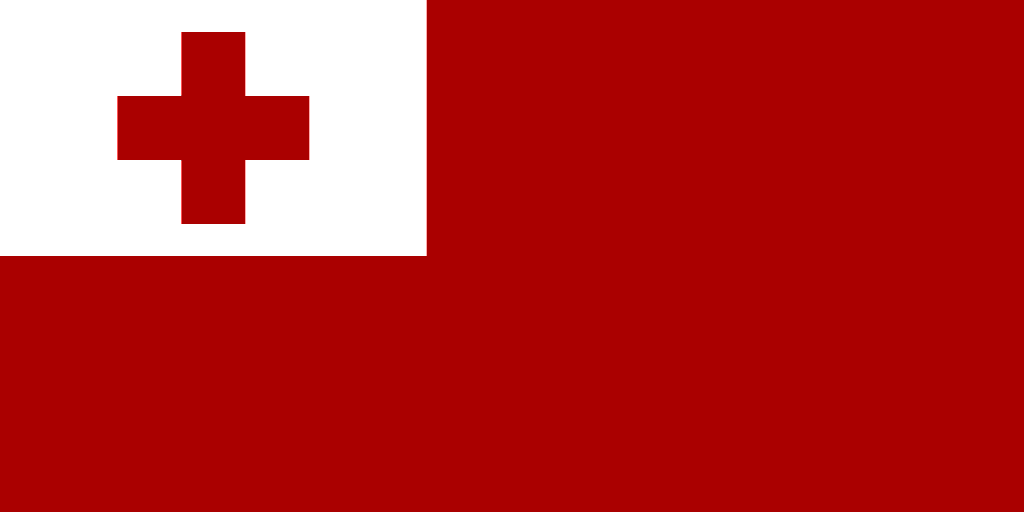
Flag flying days
| Date | Flag Position | Occasion / Reason |
|---|
| 8 September | Full-mast | Independence Day |
| 2 August | Full-mast | Ilinden–Macedonian Uprising Day |
| National Mourning | Half-mast | Death of national leaders or significant events |
| 23 November | Full-mast | Republic Day |
| Religious / Civic Holidays | Full-mast | National celebrations and official events |