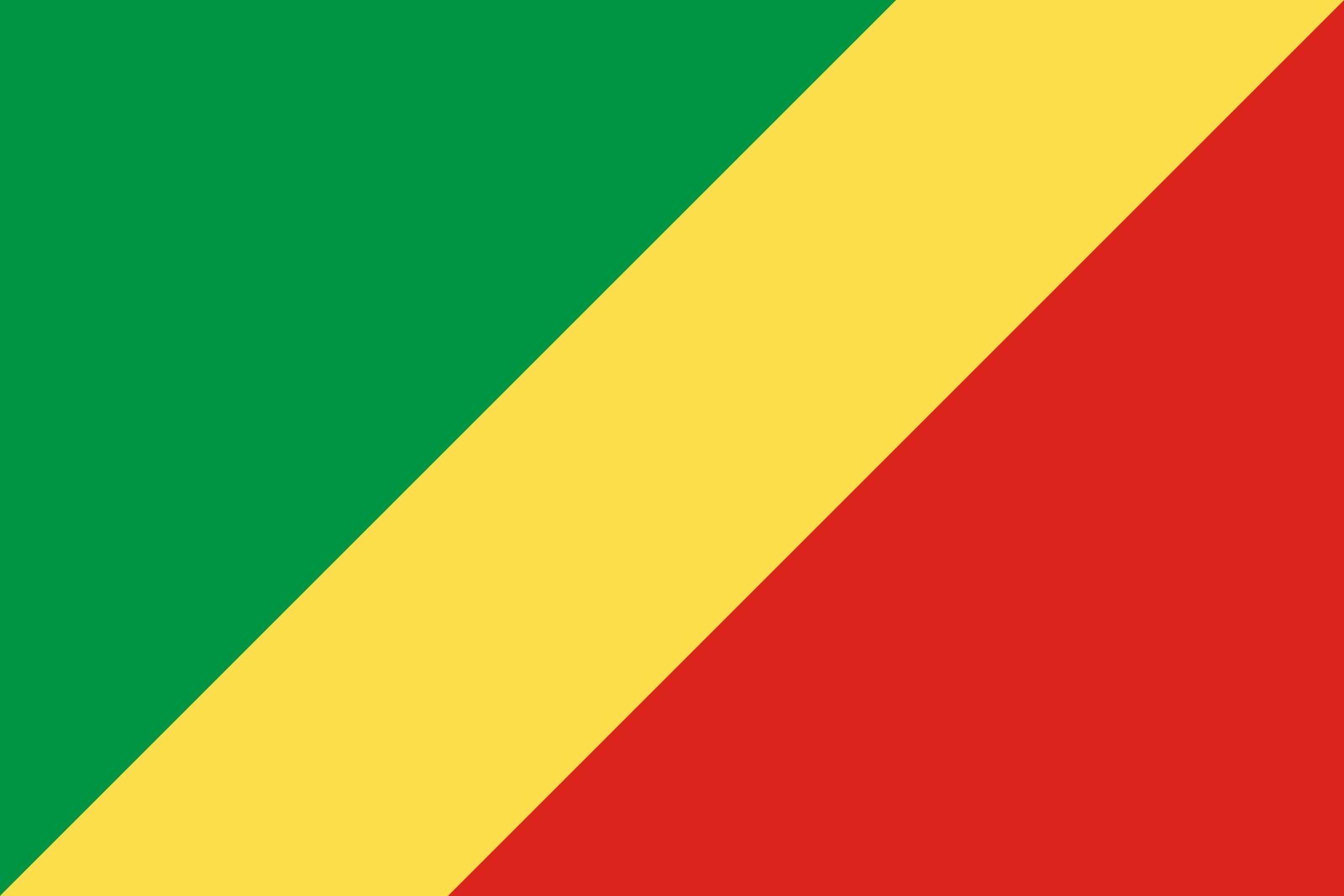
Flag of Republic of the Congo
| Legal Name | Republic of the Congo |
|---|---|
| Flag |
|
| Capital City |
Brazzaville |
| Total Area | 342,000 |
| Land Area | ~341,500 |
| Water Area | ~500 |
| Population | Approximately 6 million |
| Major Cities | Brazzaville (~2.0 million), Pointe-Noire (~1.1 million), Dolisie (~130,000), Nkayi (~100,000) |
| Currency | Central African CFA franc (XAF) |
| GDP | ~USD 15 billion |
| GDP Per Capita | ~USD 2,500 (nominal); ~USD 5,000 (PPP) |
About of Republic of the Congo
The Republic of the Congo is a Central African nation located along the equatorial belt of Africa, occupying a strategic position on the western edge of the Congo Basin. It has a short but significant Atlantic Ocean coastline, providing maritime access that is vital for trade and energy exports. The country is often referred to as Congo-Brazzaville to distinguish it from its larger neighbor, the Democratic Republic of the Congo.
The Republic of the Congo shares borders with Gabon to the west, Cameroon to the northwest, the Central African Republic to the north, the Democratic Republic of the Congo to the east and south, and the Atlantic Ocean to the southwest. Its capital and largest city, Brazzaville, lies on the northern bank of the Congo River directly opposite Kinshasa, forming one of the world’s closest pairs of national capitals.
With a relatively small population concentrated in urban areas, the country is internationally recognized as a sovereign state and member of the United Nations, African Union, and Economic Community of Central African States (ECCAS). Its geopolitical importance is tied to its oil resources, strategic river access, and role in Central African regional diplomacy.
Etymology
The name “Congo” originates from the Kongo Kingdom, a powerful pre-colonial state that dominated much of west-central Africa from the 14th century onward. The word “Kongo” is believed to derive from a Bantu term meaning “mountain” or “gathering”, reflecting both geography and social organization.
During the colonial era, the name was adopted by European powers to describe the river, region, and later the modern states that emerged after independence. The official designation “Republic of the Congo” was chosen in 1960 to emphasize sovereignty and continuity with regional history.
History
Prehistoric and Ancient Periods
Human settlement in the Congo region dates back tens of thousands of years. Early inhabitants practiced hunting, gathering, and later agriculture, forming the foundation of Bantu-speaking societies.
Kingdoms and Pre-Colonial Era
From the medieval period, the Kingdom of Kongo emerged as a major political and economic power, engaging in trade with other African regions and, later, with Europeans. Smaller kingdoms and chiefdoms coexisted throughout the region.
Colonial Rule
In the late 19th century, the area came under French control as part of French Equatorial Africa. Colonial administration focused on resource extraction and infrastructure development, often relying on forced labor.
Independence Movement
Following World War II, nationalist movements gained momentum. The Republic of the Congo achieved independence from France on August 15, 1960, with Brazzaville as its capital.
Post-Independence and Modern Developments
The country experienced periods of political instability, including a shift toward Marxist-Leninist governance in the 1960s and 1970s. Civil conflict in the 1990s disrupted development. Since the early 2000s, relative political stability has returned, with ongoing efforts toward economic diversification and reconstruction.
Government and Politics
The Republic of the Congo operates as a presidential republic. The President serves as both head of state and government, holding significant executive authority.
The country’s political system is governed by a constitution, with executive power exercised by the president and cabinet. Legislative authority rests with a bicameral Parliament, composed of the National Assembly and the Senate. The judiciary is formally independent, headed by a Supreme Court.
Administratively, the country is divided into departments, districts, and municipalities. The Republic of the Congo maintains diplomatic relations worldwide and is active in African regional organizations. Its armed forces focus on national defense and internal security, with limited external deployment.
Economy
The Republic of the Congo has a developing, resource-dependent economy, heavily reliant on oil and gas production, which accounts for the majority of export earnings and government revenue.
Major economic sectors include petroleum extraction, forestry, agriculture, fisheries, and services. While agriculture employs a significant portion of the population, it remains underdeveloped compared to the energy sector.
The country is rich in natural resources, including oil, timber, potash, and iron ore. Key trade partners include countries in Europe, Asia, and Africa, with crude oil as the primary export. Economic challenges include price volatility, infrastructure gaps, and limited diversification, while future prospects focus on industrialization, agriculture, and regional trade integration.
Demographics
The population of the Republic of the Congo is ethnically diverse, dominated by Bantu-speaking groups such as the Kongo, Teke, and Mbochi peoples. Smaller indigenous communities also exist.
French is the official language, while Lingala and Kituba are widely spoken national languages. Christianity is the dominant religion, alongside indigenous beliefs and small Muslim communities. The population is highly urbanized, with most citizens living in Brazzaville and Pointe-Noire. Population growth remains moderate, driven by a young demographic profile.
Culture and Society
Congolese culture reflects a blend of traditional African heritage and French colonial influence. Music and dance play a central role, with styles such as soukous and rumba enjoying international recognition.
Art, oral storytelling, and wood carving remain important cultural expressions. Cuisine is based on cassava, plantains, fish, and tropical vegetables. Social life emphasizes family networks, respect for elders, and communal solidarity. National holidays celebrate independence, labor, and cultural identity. Football is the most popular sport.
Education and Healthcare
Education in the Republic of the Congo is free and compulsory at the primary level, with secondary and higher education institutions concentrated in major cities. Literacy rates continue to improve, though disparities persist between urban and rural areas.
The healthcare system consists of public hospitals, clinics, and private providers. Key challenges include access in remote regions, infectious diseases, and maternal health. Progress has been made in vaccination and disease control programs.
Geography and Climate
The country features low coastal plains, dense tropical rainforests, savannas, and river systems, dominated by the Congo River and its tributaries. There are no deserts, but extensive wetlands are present.
The climate is equatorial and tropical, characterized by high humidity, abundant rainfall, and relatively stable temperatures. Natural hazards include seasonal flooding and soil erosion. Environmental concerns center on deforestation, biodiversity loss, and urban pollution.
Flora and Fauna
The Republic of the Congo lies within the Congo Basin rainforest, one of the world’s richest biodiversity regions. Native plant species include hardwood trees, palms, and medicinal plants.
Wildlife includes forest elephants, gorillas, chimpanzees, leopards, and numerous bird species. The country hosts several national parks and reserves, dedicated to conservation and eco-tourism, protecting both flora and fauna.
Map of Republic of the Congo
National Flag: Green, yellow, and red horizontal tricolor
Coat of Arms: Shield with national emblems symbolizing unity and strength
National Anthem: “La Congolaise”
National Animal: African elephant
National Monument: Independence-era memorials in Brazzaville
National Flag (Detailed Section)
The flag of the Republic of the Congo consists of three horizontal stripes: green at the top, yellow in the middle, and red at the bottom. Adopted at independence in 1960, it reflects Pan-African ideals.
Green symbolizes forests and agriculture, yellow represents natural wealth and friendship, and red honors the struggle for independence and national unity. The flag is governed by national laws regulating its official display.
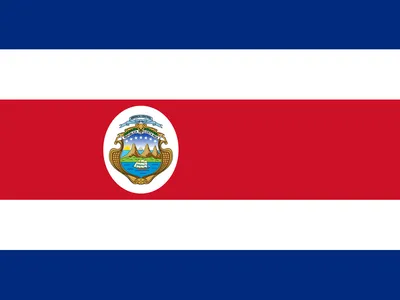
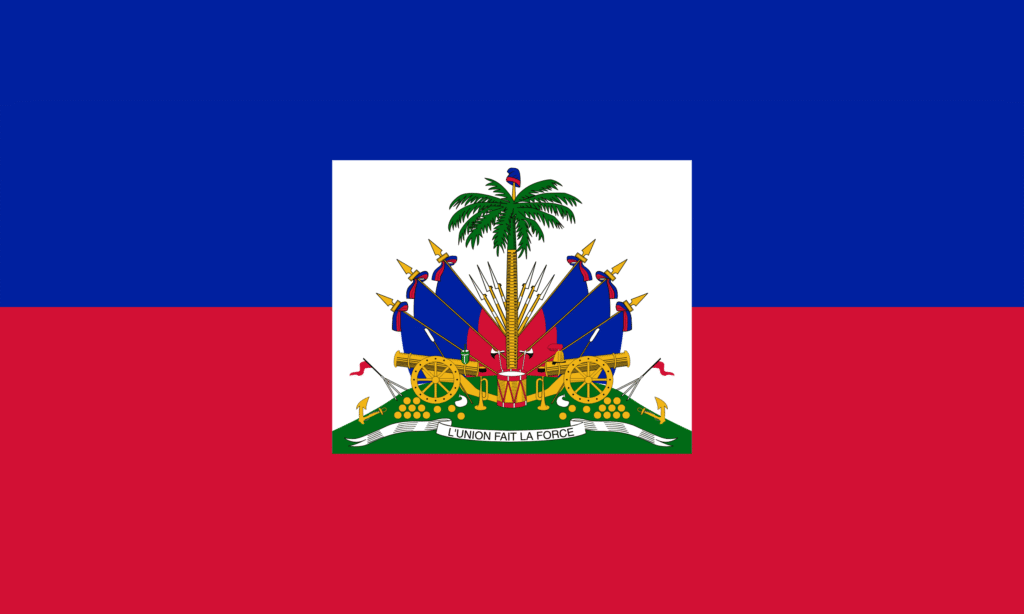
Realted Flags
Flag flying days
| Date | Flag Position | Occasion / Reason |
|---|
| August 15 | Full-mast | Independence Day |
| May 1 | Full-mast | Labor Day |
| March 18 | Full-mast | Commemoration of national political milestones |
| National Mourning Days | Half-mast | State-declared mourning |