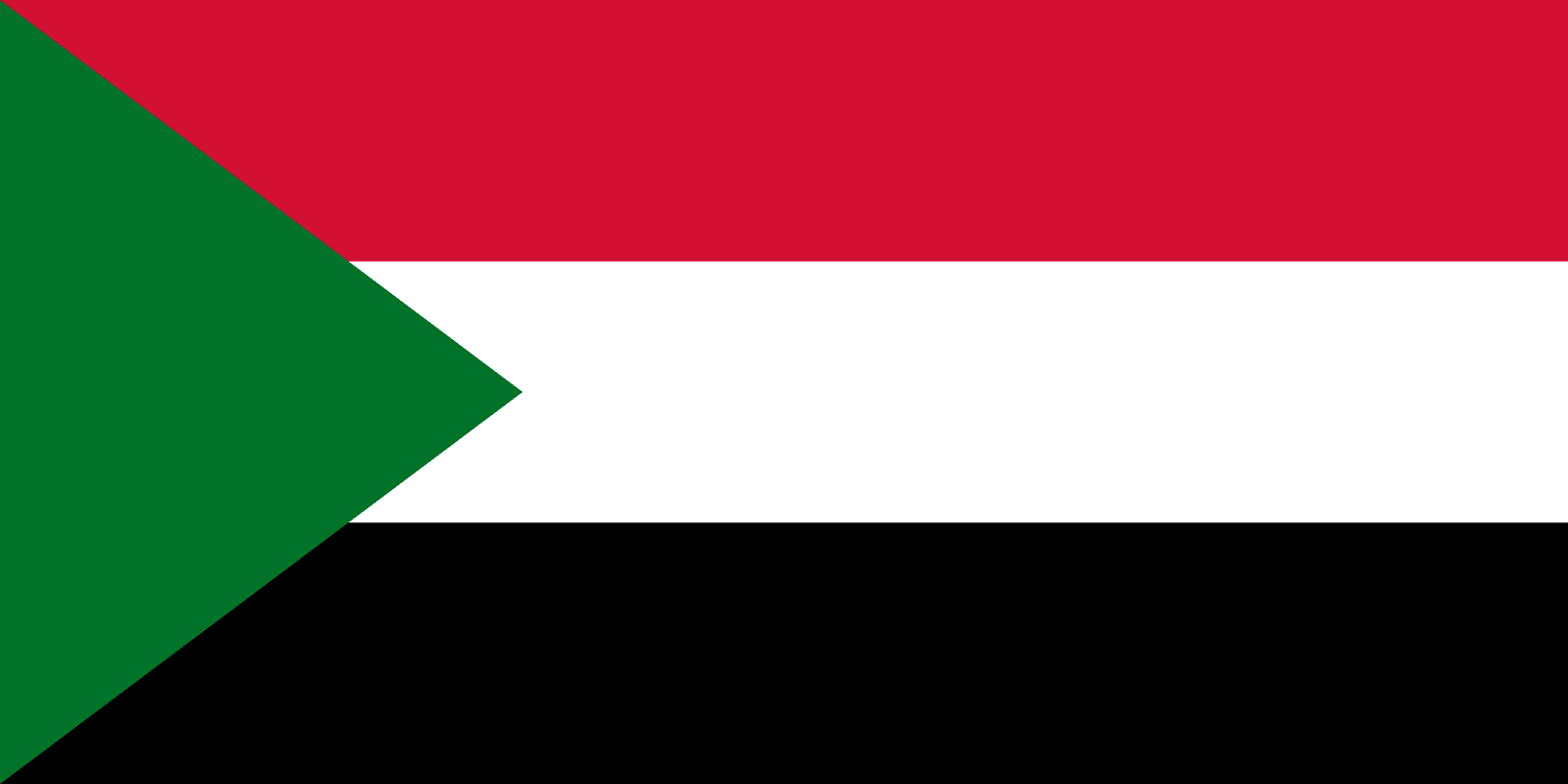
Flag of Sudan
| Legal Name | Republic of the Sudan |
|---|---|
| Flag |
|
| Capital City |
Khartoum |
| Total Area | 1,886,068 km² |
| Land Area | 1,861,484 km² |
| Water Area | 24,584 km² |
| Population | Approximately 48 million |
| Major Cities | Khartoum (6 million), Omdurman (3.5 million), Port Sudan (500,000), Nyala (450,000) |
| Currency | Sudanese Pound (SDG) |
| GDP | USD 38 billion |
| GDP Per Capita | USD 3,700 (PPP) |
About of Sudan
Sudan is located in northeastern Africa, bridging North Africa and Sub-Saharan Africa. It is bordered by Egypt to the north, the Red Sea to the northeast, Eritrea and Ethiopia to the east, South Sudan to the south, the Central African Republic to the southwest, Chad to the west, and Libya to the northwest. This strategic position has historically made Sudan a crossroads of trade, culture, and conflict.
Khartoum, the capital and largest urban center, is situated at the confluence of the Blue Nile and White Nile rivers, forming a vital economic, administrative, and cultural hub. Other significant cities include Omdurman, Port Sudan on the Red Sea, and Nyala in the Darfur region. Sudan’s population is diverse, with multiple ethnic, linguistic, and cultural groups, reflecting its history of migration, trade, and colonial rule.
Internationally, Sudan is recognized as a sovereign state, a member of the United Nations, African Union, Arab League, and the Intergovernmental Authority on Development (IGAD). Its geopolitical importance arises from its natural resources, strategic location along the Red Sea, and its role in regional politics and peacekeeping.
Etymology
The name “Sudan” derives from the Arabic term Bilād al-Sūdān, meaning “Land of the Blacks.” This term historically referred to the vast region south of the Sahara inhabited by African populations. The modern nation-state adopted this name during the colonial and post-colonial periods to reflect the African identity of its people and its geographic placement.
History
Sudan’s history spans millennia, beginning with prehistoric settlements along the Nile and archaeological evidence of early agriculture. Ancient Nubian kingdoms, such as Kerma, Napata, and Meroë, flourished with advanced ironworking, architecture, and trade networks linking Egypt and Sub-Saharan Africa.
During the medieval period, Islamic sultanates emerged, including the Funj Sultanate and the Sultanate of Darfur. In the 19th century, Sudan was conquered by the Ottoman-Egyptian regime under Muhammad Ali, followed by the Mahdist revolt in the 1880s, which established a theocratic state. The Anglo-Egyptian Condominium (1899–1956) administered Sudan under British-Egyptian control.
Sudan gained independence on January 1, 1956. Post-independence history was marked by civil wars between the north and south, culminating in the secession of South Sudan in 2011. Recent decades have seen internal conflicts in Darfur, Blue Nile, and South Kordofan, ongoing political instability, and efforts toward democratic governance and economic reform.
Government and Politics
Sudan operates as a federal republic with a transitional government framework following recent political upheavals.
Executive: Transitional Sovereign Council and Prime Minister oversee state and government affairs.
Legislature: Transitional Legislative Council expected to serve as the legislative authority.
Judiciary: Independent judiciary with the Supreme Court and Constitutional Court.
Sudan is divided into 18 states (wilayat) with local governance structures. The country engages in regional and international diplomacy and is a participant in peacekeeping and conflict resolution initiatives. The Sudanese Armed Forces and Rapid Support Forces manage defense and internal security, focusing on border control and civil stability.
Economy
Sudan’s economy is classified as developing. Historically reliant on agriculture and natural resources, the country produces cotton, sorghum, peanuts, livestock, and gum arabic. Oil extraction was a major revenue source before the 2011 secession of South Sudan, which removed most oil reserves.
Manufacturing, mining, and services contribute to economic activity, while trade partners include China, India, Egypt, and the European Union. Challenges include inflation, currency instability, infrastructure deficits, and the need for economic diversification. Future growth depends on resource management, foreign investment, and political stability.
Demographics
Sudan’s population is ethnically and culturally diverse:
Ethnic Groups: Arab, Nubian, Beja, Fur, Dinka, Nuba, and other African groups.
Languages Spoken: Arabic (official), English (official), Nubian languages, Beja, Fur, and other local languages.
Religions: Islam predominates (Sunni), with Christian and traditional belief communities.
Urban vs Rural: Roughly 35% urban and 65% rural population distribution.
Population Growth Trends: High birth rates and moderate urbanization; significant internal migration due to conflict and environmental factors.
Culture and Society
Sudanese culture reflects a blend of Arab and African traditions. National identity emphasizes Islam, communal values, and resilience amidst social and political challenges. Music includes traditional rhythms like nubian lyres and Arabic-influenced chants, while literature explores historical narratives, folklore, and contemporary social themes. Cuisine combines grains, meats, legumes, and spices, with national dishes like kisra and ful medames.
Festivals include Islamic holidays (Eid al-Fitr, Eid al-Adha) and national commemorations such as Independence Day. Football is the most popular sport, alongside basketball and traditional games.
Education and Healthcare
Sudan provides primary, secondary, and tertiary education, with Arabic and English as mediums of instruction. Literacy rates are improving but vary by region and gender. Universities such as the University of Khartoum contribute to higher education.
Healthcare is developing, with hospitals in major cities and clinics in rural areas. Challenges include infectious disease control, maternal and child health, and limited access in conflict-affected zones. International aid programs assist in improving healthcare outcomes.
Geography and Climate
Sudan encompasses deserts, savannas, and the fertile Nile Valley. Major rivers include the Blue Nile, White Nile, and Atbara. Mountains, such as the Marrah range, and seasonal wetlands provide ecological diversity. The climate ranges from arid desert in the north to tropical wet and dry zones in the south. Natural hazards include droughts, floods, desertification, and locust invasions. Environmental concerns focus on deforestation, soil degradation, and water resource management.
Flora and Fauna
Sudan’s ecosystems host diverse flora, including acacia, doum palm, and desert shrubs. Wildlife comprises elephants, giraffes, lions, crocodiles, and endemic bird species. National parks such as Dinder and Radom protect biodiversity and promote conservation. Sustainable management is challenged by human settlement expansion and climate change.
Map of Sudan
National Flag: Horizontal stripes of red, white, and black with a green triangle at the hoist
Coat of Arms: Features a secretary bird with a shield representing the nation’s unity and agricultural heritage
National Anthem: Nahnu Jund Allah Jund Al-watan (“We Are Soldiers of God, Soldiers of the Homeland”)
National Animals/Plants: Secretary bird, Nile crocodile, Acacia tree
National Flag (Detailed Section)
The flag was adopted in 1970 and symbolizes Sudan’s history and aspirations. The red stripe represents struggle for independence and national unity, white symbolizes peace and optimism, black represents Sudan itself, and the green triangle denotes Islam, agriculture, and prosperity. Flag protocol includes display on government buildings, national holidays, and official international events.
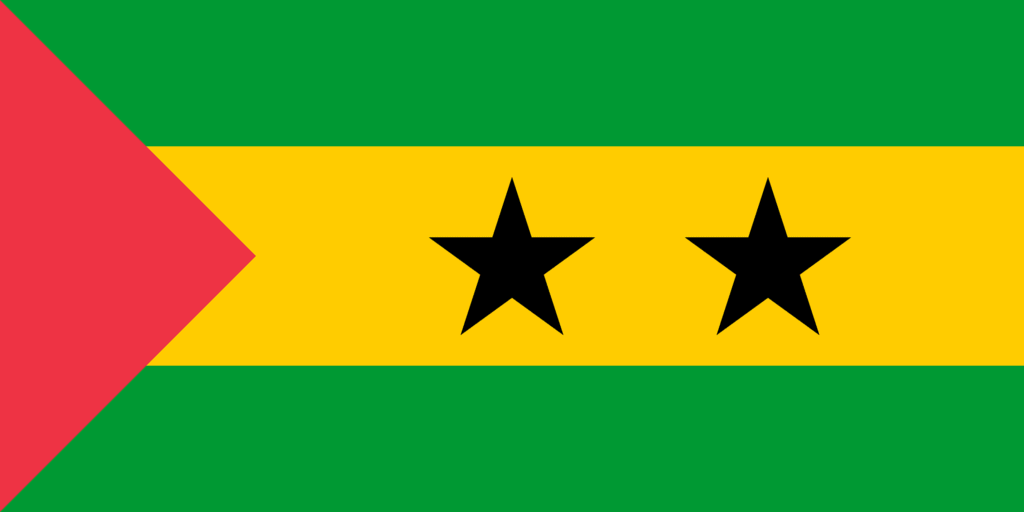
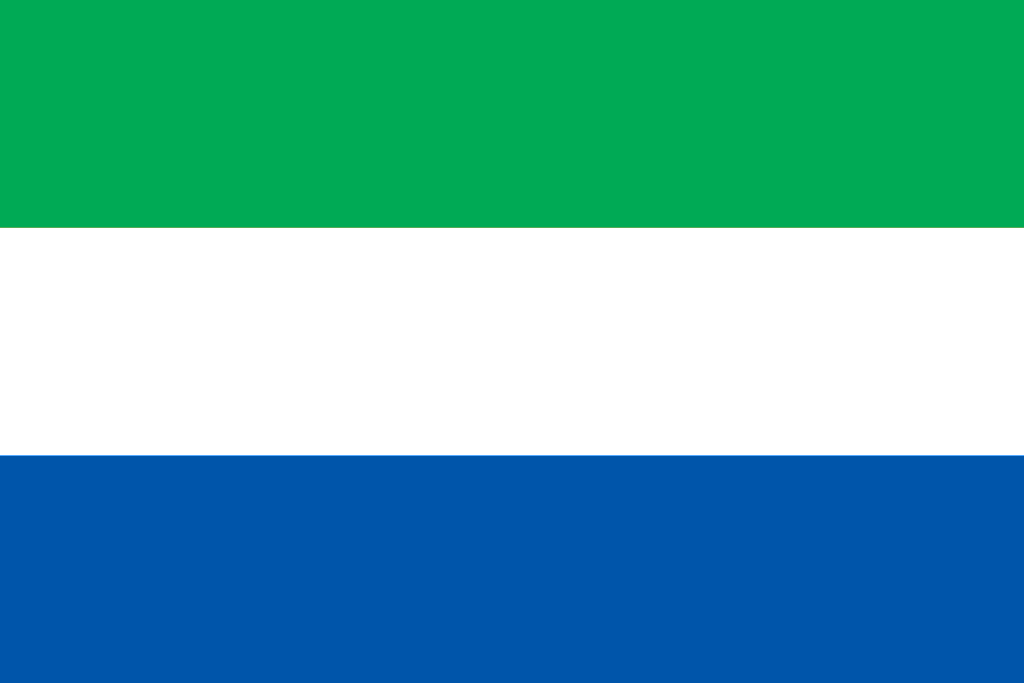
Realted Flags
Flag flying days
| Date | Flag Position | Occasion or Reason |
|---|
| January 1 | Full-mast | Independence Day |
| December 19 | Full-mast | Revolution Day |
| As Declared | Half-mast | National mourning or commemoration |