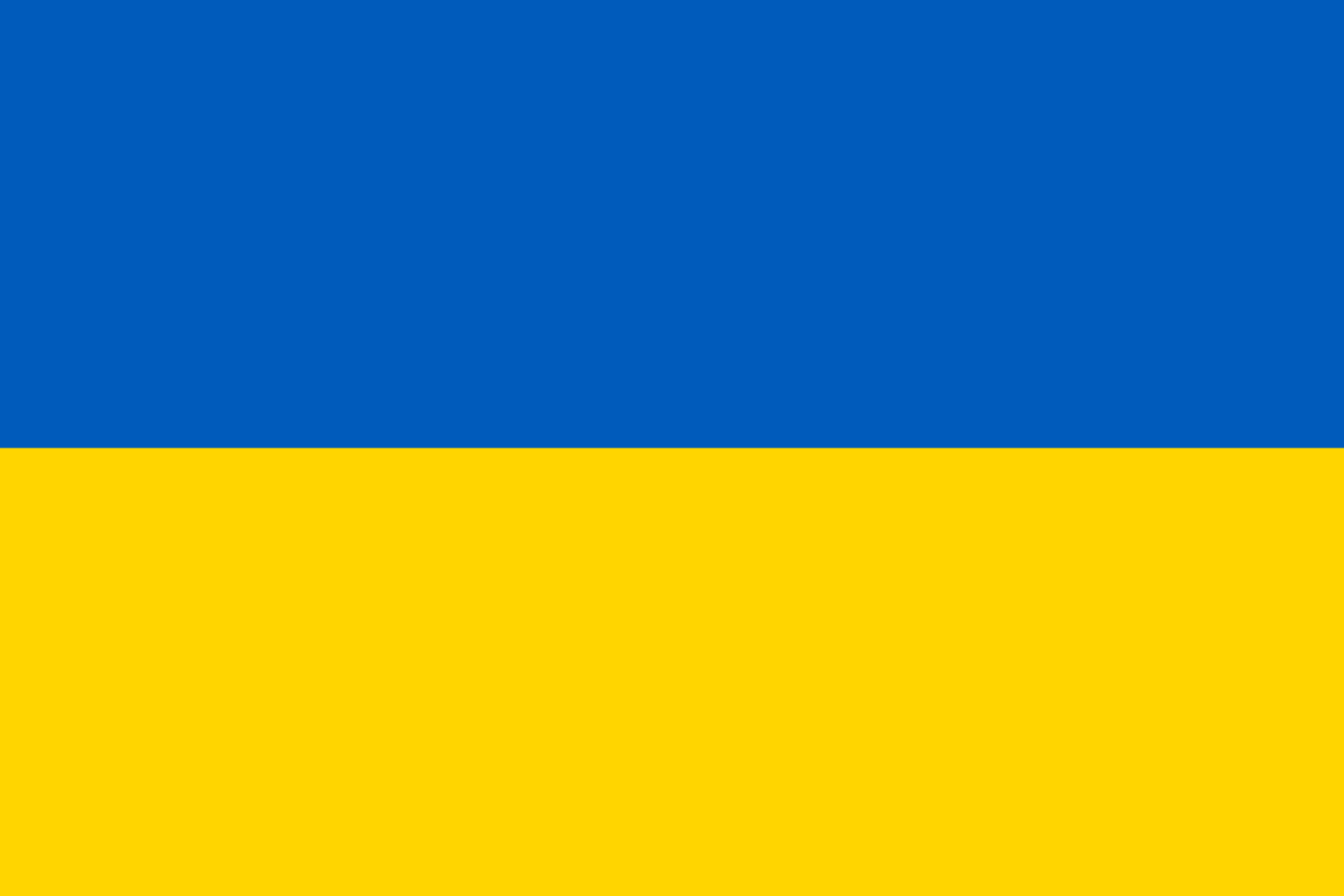
Flag of Ukraine
| Legal Name | Ukraine |
|---|---|
| Flag |
|
| Capital City |
Kyiv |
| Total Area | 603,628 km² |
| Land Area | Approximately 579,300 km² |
| Water Area | Approximately 24,300 km² |
| Population | Approximately 36–38 million |
| Major Cities | Kyiv (2.9 million), Kharkiv (1.4 million), Odesa (1.0 million), Dnipro (1.0 million), Lviv (720,000) |
| Currency | Ukrainian Hryvnia (UAH) |
| GDP | Approximately USD 160–180 billion |
| GDP Per Capita | Approximately USD 4,500 (nominal) |
About of Ukraine
Ukraine is a large Eastern European country located at the crossroads of Europe and Eurasia. It occupies a strategic position between Central Europe, Russia, and the Black Sea region, making it historically significant as a cultural, economic, and political bridge between East and West. Ukraine is known for its vast fertile plains, particularly the black soil regions that have long supported agricultural production.
The country shares land borders with Poland, Slovakia, Hungary, Romania, and Moldova to the west, Belarus to the north, and Russia to the east and northeast. Ukraine also has extensive coastlines along the Black Sea and the Sea of Azov, providing access to major maritime trade routes. Kyiv, the capital and largest city, serves as the political, economic, and cultural heart of the nation.
Ukraine is internationally recognized as a sovereign state and is a member of numerous international organizations. Its geopolitical importance has increased significantly due to its size, population, agricultural capacity, energy transit routes, and its role in regional and global security dynamics.
Etymology
The name “Ukraine” originates from the Old East Slavic word ukraina, meaning “borderland” or “frontier.” Historically, the term referred to border regions of medieval states in Eastern Europe. Over time, “Ukraine” came to signify a distinct geographic area and, eventually, a national identity. In modern usage, the name represents a sovereign nation rather than a peripheral territory.
History
Prehistoric and Ancient Civilizations
Human settlement in present-day Ukraine dates back to prehistoric times, including Paleolithic cultures. Ancient civilizations such as the Scythians inhabited the степpe regions, while Greek colonies flourished along the Black Sea coast, establishing early trade and cultural exchange.
Classical and Medieval Periods
During the medieval era, Kyivan Rus emerged as a powerful East Slavic state centered in Kyiv. It became a major political and cultural center in Eastern Europe, adopting Christianity in the 10th century. The decline of Kyivan Rus followed Mongol invasions in the 13th century.
Foreign Rule and Empires
From the late medieval period onward, Ukrainian lands were divided among various powers, including the Grand Duchy of Lithuania, the Polish–Lithuanian Commonwealth, the Ottoman Empire, and the Russian Empire. Cossack communities played a key role in preserving local autonomy and identity.
Soviet Period
Following a brief period of independence after World War I, Ukraine became a founding republic of the Soviet Union in 1922. The Soviet era brought industrialization, urbanization, and significant social change, but also severe repression, famine, and political control.
Independence and Modern Developments
Ukraine declared independence in 1991 after the dissolution of the Soviet Union. Since then, the country has experienced major political transformations, democratic movements, and reforms. The post-independence period has been marked by efforts to strengthen sovereignty, align with European institutions, and respond to ongoing security challenges.
Government and Politics
Ukraine is a unitary republic with a semi-presidential system of government. The Constitution establishes a separation of powers among the executive, legislative, and judicial branches. The president serves as head of state, while executive authority is shared with the prime minister and cabinet.
The unicameral parliament, the Verkhovna Rada, holds legislative power. Ukraine is administratively divided into regions (oblasts), districts, and municipalities. In foreign policy, Ukraine maintains active relations with European and global partners and participates in numerous international organizations. The armed forces are tasked with national defense and territorial integrity.
Economy
Ukraine is considered an emerging economy with significant industrial and agricultural potential. It is one of the world’s major producers of grain, sunflower oil, and other agricultural commodities. Heavy industries such as metallurgy, machinery, and chemical production have traditionally played a major role.
The service sector has expanded in recent decades, particularly in information technology, finance, and logistics. Ukraine possesses natural resources including iron ore, coal, and agricultural land. Key trade partners include European Union countries and global markets. Economic challenges include infrastructure damage, energy dependence, and the need for continued reforms, while future prospects depend on reconstruction, modernization, and integration with global economies.
Demographics
Ukraine’s population is primarily composed of ethnic Ukrainians, with minorities including Russians, Crimean Tatars, Romanians, Hungarians, and others. Ukrainian is the official language, while Russian and several minority languages are also spoken.
The majority of the population practices Eastern Orthodox Christianity, with other Christian denominations and religious communities present. Ukraine is largely urbanized, though rural areas remain important for agriculture. Population trends reflect declining birth rates, migration, and the impact of recent conflicts.
Culture and Society
Ukrainian culture is deeply rooted in folk traditions, literature, music, and art. National identity emphasizes language, historical memory, and cultural resilience. Traditional crafts, embroidery, and folk music remain prominent alongside modern artistic expression.
Ukrainian cuisine features dishes such as borscht, varenyky, and bread-based foods. Social customs emphasize family ties, hospitality, and respect for tradition. Public holidays celebrate independence, historical events, and religious observances. Sports such as football, boxing, and athletics are widely popular.
Education and Healthcare
Ukraine has a well-established education system with compulsory primary and secondary schooling and a strong tradition of higher education. Literacy rates are high, and universities in major cities attract both domestic and international students.
Healthcare is primarily state-funded, with ongoing reforms aimed at improving accessibility and quality. Public health challenges include non-communicable diseases, demographic aging, and infrastructure strain, while achievements include widespread basic medical coverage and professional training.
Geography and Climate
Ukraine’s geography is dominated by expansive plains, fertile agricultural land, and major river systems such as the Dnipro, Dniester, and Southern Bug. The Carpathian Mountains rise in the west, while coastal lowlands border the Black Sea and Sea of Azov.
The climate is predominantly temperate continental, with cold winters and warm summers. Natural hazards include floods, droughts, and occasional seismic activity in mountainous areas. Environmental concerns focus on industrial pollution, water management, and land degradation.
Flora and Fauna
Ukraine hosts diverse ecosystems, including forests, wetlands, steppes, and mountain regions. Native plant species range from oak and beech forests to степpe grasses. Wildlife includes deer, wolves, foxes, and numerous bird species.
The country maintains national parks and protected areas aimed at conserving biodiversity and preserving natural landscapes, particularly in the Carpathians and coastal wetlands.
Map of Ukraine
National symbols reflect Ukraine’s history, sovereignty, and cultural heritage. The flag, coat of arms, and anthem emphasize unity, freedom, and continuity. The trident (Tryzub) is a historic emblem associated with Kyivan Rus and modern statehood.
National Flag (Detailed Section)
Ukraine’s national flag consists of two horizontal stripes: blue on top and yellow below. The colors symbolize the blue sky and golden wheat fields, reflecting the country’s natural landscape and agricultural heritage. The flag was officially adopted after independence in 1991, drawing on historical symbols used during earlier national movements. It is flown on government buildings, during public holidays, and at official ceremonies in accordance with national protocol.
Realted Flags
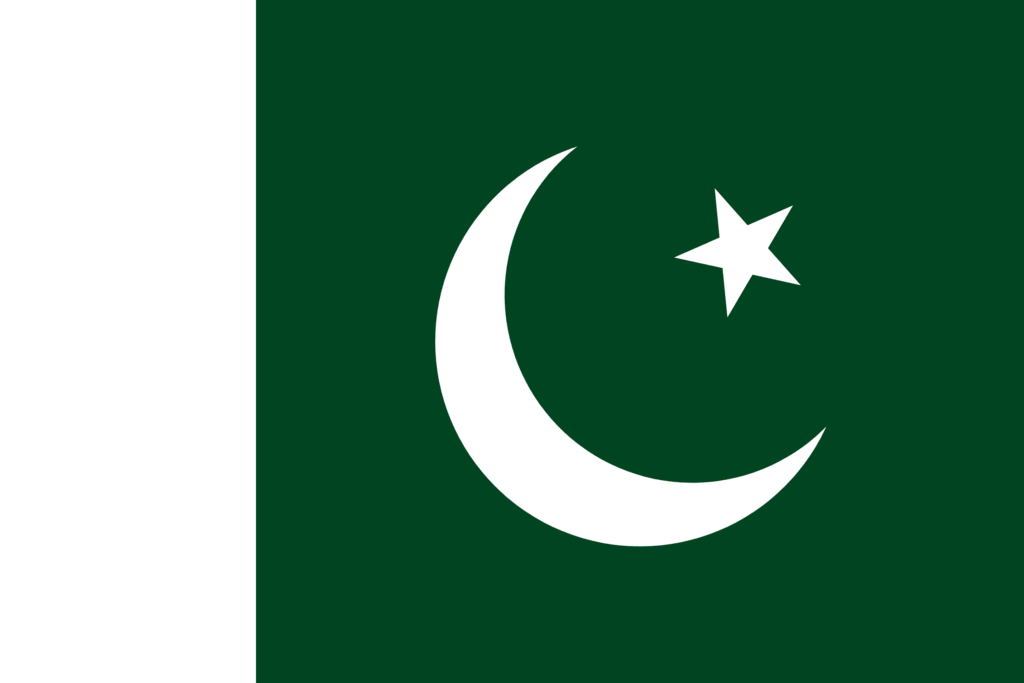
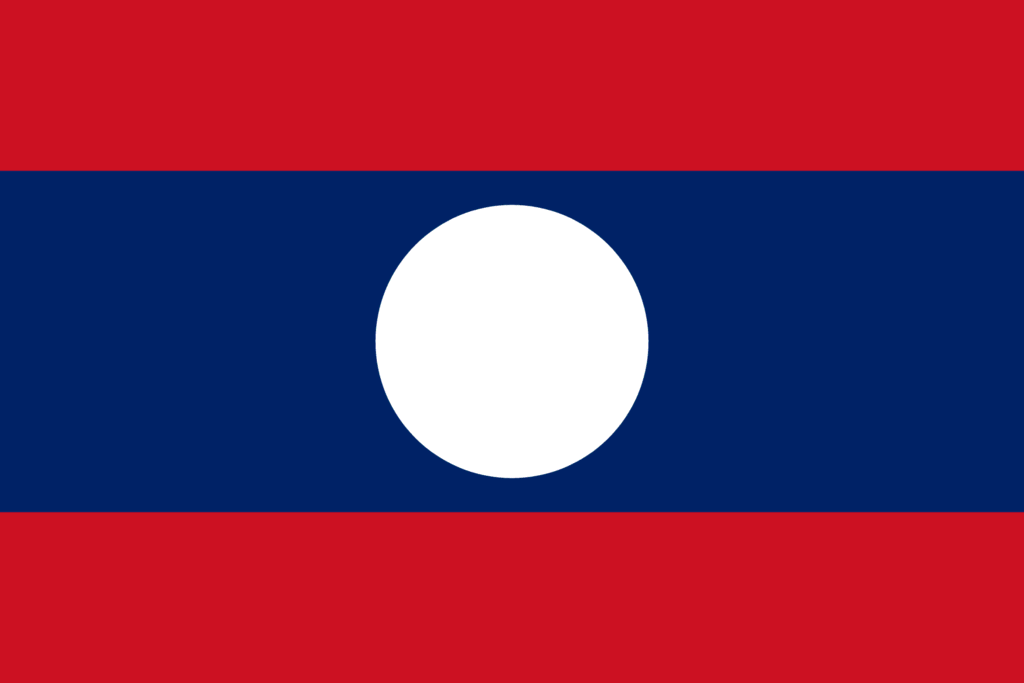
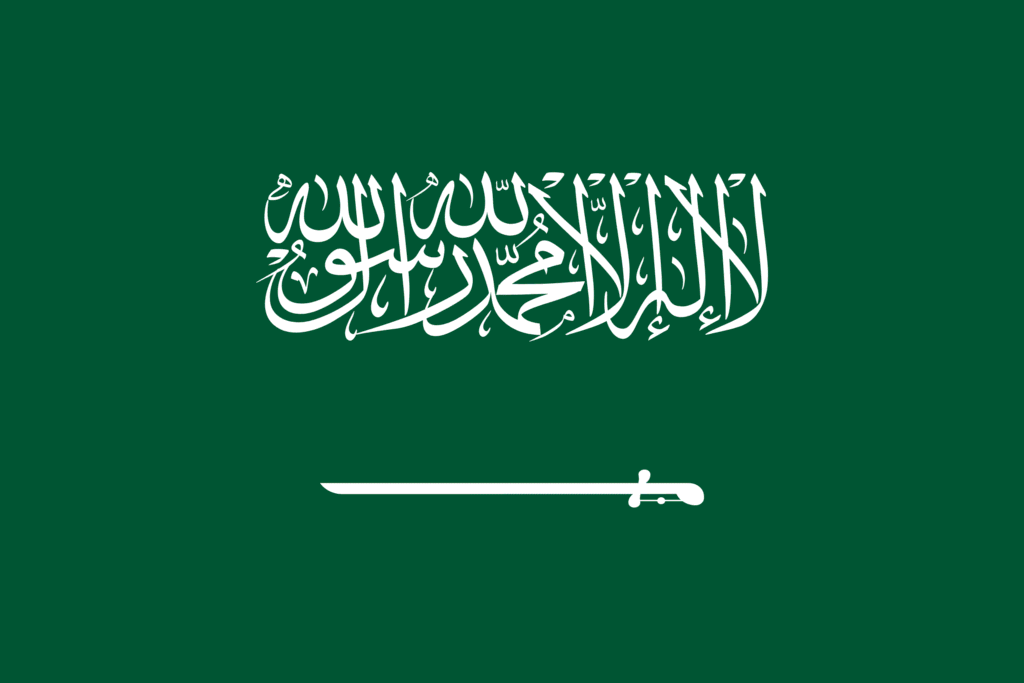
Flag flying days
| Date | Flag Position | Occasion or Reason |
|---|
| January 1 | Full-mast | New Year’s Day |
| January 22 | Full-mast | Unity Day |
| May 8 | Half-mast / Full-mast | Day of Remembrance and Victory |
| June 28 | Full-mast | Constitution Day |
| August 23 | Full-mast | National Flag Day |
| August 24 | Full-mast | Independence Day |
| As Declared | Half-mast | National mourning or remembrance |