
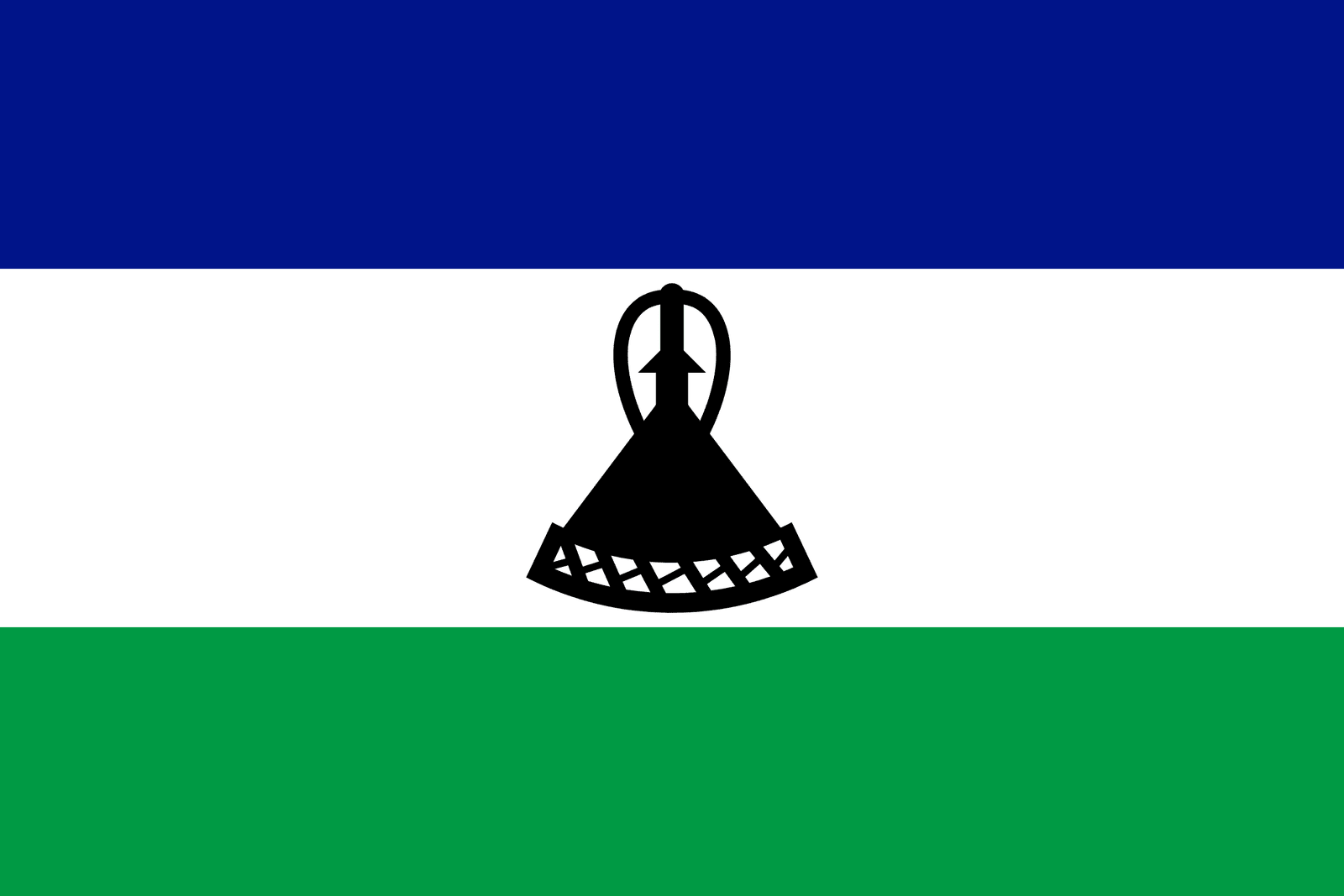
Flag of Lesotho
| Legal Name | Kingdom of Lesotho |
|---|---|
| Flag |
|
| Capital City |
Maseru |
| Total Area | 30,355 km² |
| Land Area | 30,355 km² |
| Water Area | Negligible |
| Population | Approximately 2.3 million |
| Major Cities | Maseru (330,000), Teyateyaneng (90,000), Mafeteng (60,000), Hlotse (55,000) |
| Currency | Lesotho Loti (LSL); South African Rand also legal tender |
| GDP | Approximately USD 2.5 billion |
| GDP Per Capita | Approximately USD 1,100 (Nominal) |
About of Lesotho
Lesotho is a small, landlocked country entirely surrounded by South Africa, making it one of only a few enclave states in the world. Located in Southern Africa, it is distinguished by its mountainous terrain, with much of the country lying at high altitude. Lesotho is often referred to as the “Kingdom in the Sky” due to its elevated geography.
The capital and largest city, Maseru, lies along the western border and serves as the administrative, economic, and cultural heart of the nation. Smaller towns such as Teyateyaneng and Mafeteng act as regional centers. The population is relatively homogeneous, with strong shared cultural traditions.
Lesotho is internationally recognized as a sovereign constitutional monarchy and a member of the United Nations, African Union, and Southern African Development Community. Its strategic importance lies in its water resources, which are vital to both Lesotho and neighboring South Africa.
Etymology
The name “Lesotho” means “the land of the Sotho-speaking people.” It derives from the Sesotho language and reflects the ethnic and cultural identity of the Basotho nation. The name evolved from earlier references to Basutoland during the colonial period and was formally adopted at independence to emphasize national unity and indigenous heritage.
History
Early and Prehistoric Period
The region was originally inhabited by hunter-gatherer communities, followed by Bantu-speaking agriculturalists who established settled societies.
Formation of the Basotho Kingdom
In the early 19th century, King Moshoeshoe I unified various clans to form the Basotho nation, successfully defending it against external threats during a period of regional upheaval.
Colonial Era
In 1868, Lesotho became a British protectorate known as Basutoland, a status that helped preserve its territorial integrity while placing it under colonial administration.
Independence
Lesotho gained independence from Britain in 1966 and became a constitutional monarchy.
Post-Independence Developments
The country experienced periods of political instability, military intervention, and constitutional challenges. Since the late 20th century, Lesotho has pursued democratic governance with ongoing reforms aimed at strengthening political stability and institutions.
Government and Politics
Lesotho is a constitutional monarchy with a parliamentary system. The King serves as a ceremonial head of state, while executive power is exercised by the Prime Minister and the Council of Ministers.
The Parliament consists of two chambers: the National Assembly and the Senate. The judiciary is independent, with the High Court and Court of Appeal forming the backbone of the legal system. Administratively, Lesotho is divided into districts and local councils.
Lesotho maintains diplomatic relations with many countries and is active in regional and international organizations. The Lesotho Defence Force is responsible for national security, focusing primarily on internal stability and support to civil authorities.
Economy
Lesotho is classified as a developing economy with strong ties to South Africa. Key economic sectors include agriculture, manufacturing, mining, and services. Textile and garment manufacturing, largely export-oriented, is a major employer.
Agriculture is mostly subsistence-based, with maize, sorghum, and livestock production common. The country’s water resources are a critical asset, with large-scale water export projects supplying South Africa. Diamond mining contributes significantly to export earnings.
Economic challenges include high unemployment, poverty, and vulnerability to external economic conditions. Future growth depends on diversification, infrastructure development, and human capital investment.
Demographics
Lesotho’s population is predominantly Basotho, with Sesotho and English as official languages. Christianity is the dominant religion, alongside traditional beliefs. Urbanization is gradual, with a significant portion of the population residing in rural areas.
Population growth is moderate, though the country faces demographic pressures related to youth unemployment and public health challenges.
Culture and Society
Basotho culture is characterized by strong communal values, traditional dress, music, and oral storytelling. The Basotho blanket and the Mokorotlo hat are iconic symbols of national identity.
Cuisine is based on staples such as maize porridge, vegetables, and meat dishes. Social customs emphasize respect, hospitality, and kinship. National holidays celebrate independence, the monarchy, and cultural heritage. Football is the most popular sport, alongside athletics and traditional games.
Education and Healthcare
Lesotho has made significant investments in education, achieving relatively high literacy rates compared to regional averages. Primary education is widespread, and the country hosts universities and teacher training institutions.
The healthcare system includes public and private providers, with progress in expanding access to basic services. Major public health challenges include HIV/AIDS, maternal health issues, and access to healthcare in remote mountainous areas.
Geography and Climate
Lesotho is dominated by highlands, plateaus, and mountain ranges, including the Drakensberg and Maloti Mountains. It has no coastline, rivers flowing outward into South Africa.
The climate is temperate with cold winters, including snowfall in high-altitude areas, and warm summers. Natural hazards include droughts, soil erosion, and occasional floods. Environmental concerns focus on land degradation and climate resilience.
Flora and Fauna
Despite its small size, Lesotho hosts diverse alpine and grassland ecosystems. Native plant species include grasses and shrubs adapted to high altitudes. Wildlife includes antelope, birds of prey, and smaller mammals.
Protected areas and conservation initiatives aim to preserve biodiversity and manage natural resources sustainably.
Map of Lesotho
Lesotho’s national symbols emphasize peace, unity, and cultural pride. The flag, coat of arms, and national anthem reflect the country’s history, values, and Basotho identity.
National Flag (Detailed Section)
The national flag of Lesotho features three horizontal bands of blue, white, and green, symbolizing rain, peace, and prosperity. At the center is a black Mokorotlo hat, a traditional symbol of Basotho culture. Adopted in its current form in 2006, the flag represents national unity, peace, and cultural heritage. It is flown at government buildings, schools, and official events in accordance with national protocol.
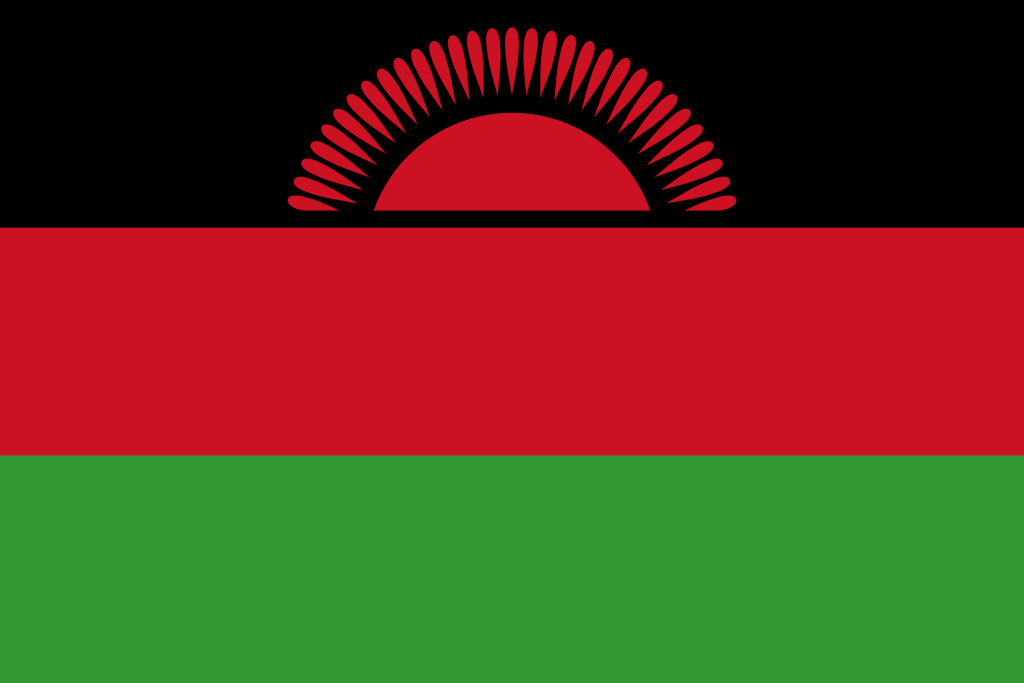
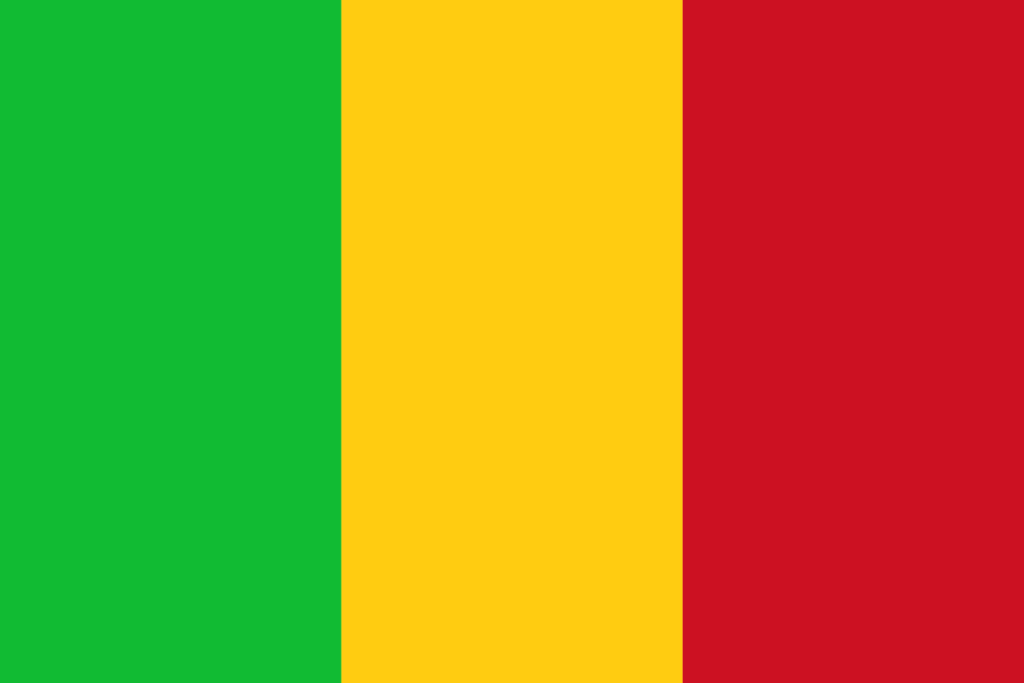
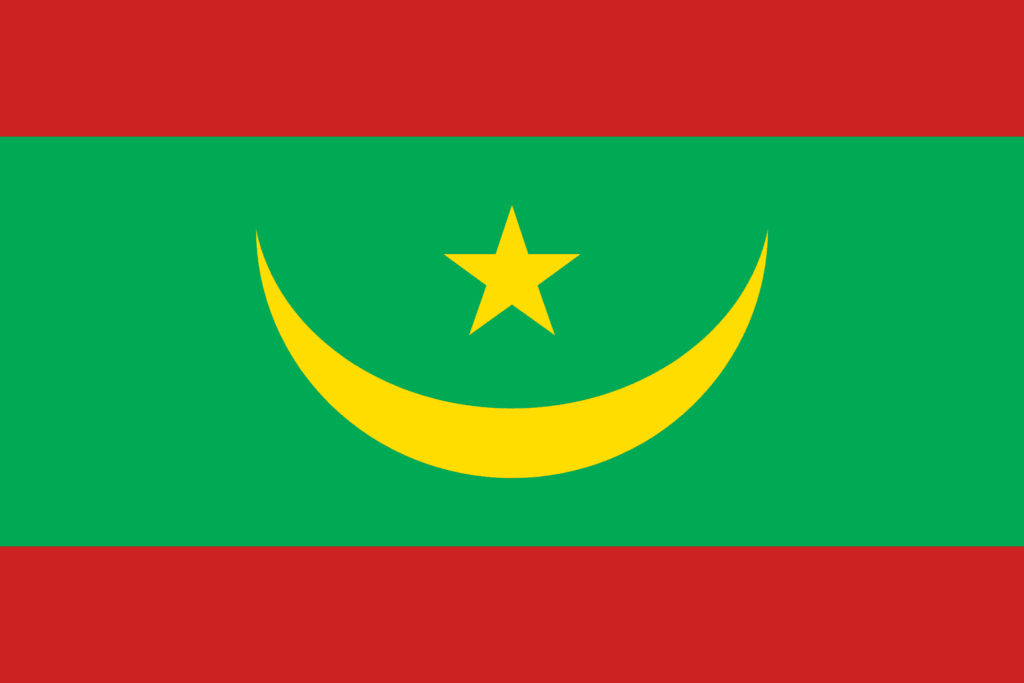
Realted Flags
Flag flying days
| Date | Flag Position | Occasion or Reason |
|---|---|---|
| March 11 | Full-mast | Moshoeshoe Day |
| July 17 | Full-mast | King’s Birthday |
| October 4 | Full-mast | Independence Day |
| National mourning periods | Half-mast | Officially declared mourning |