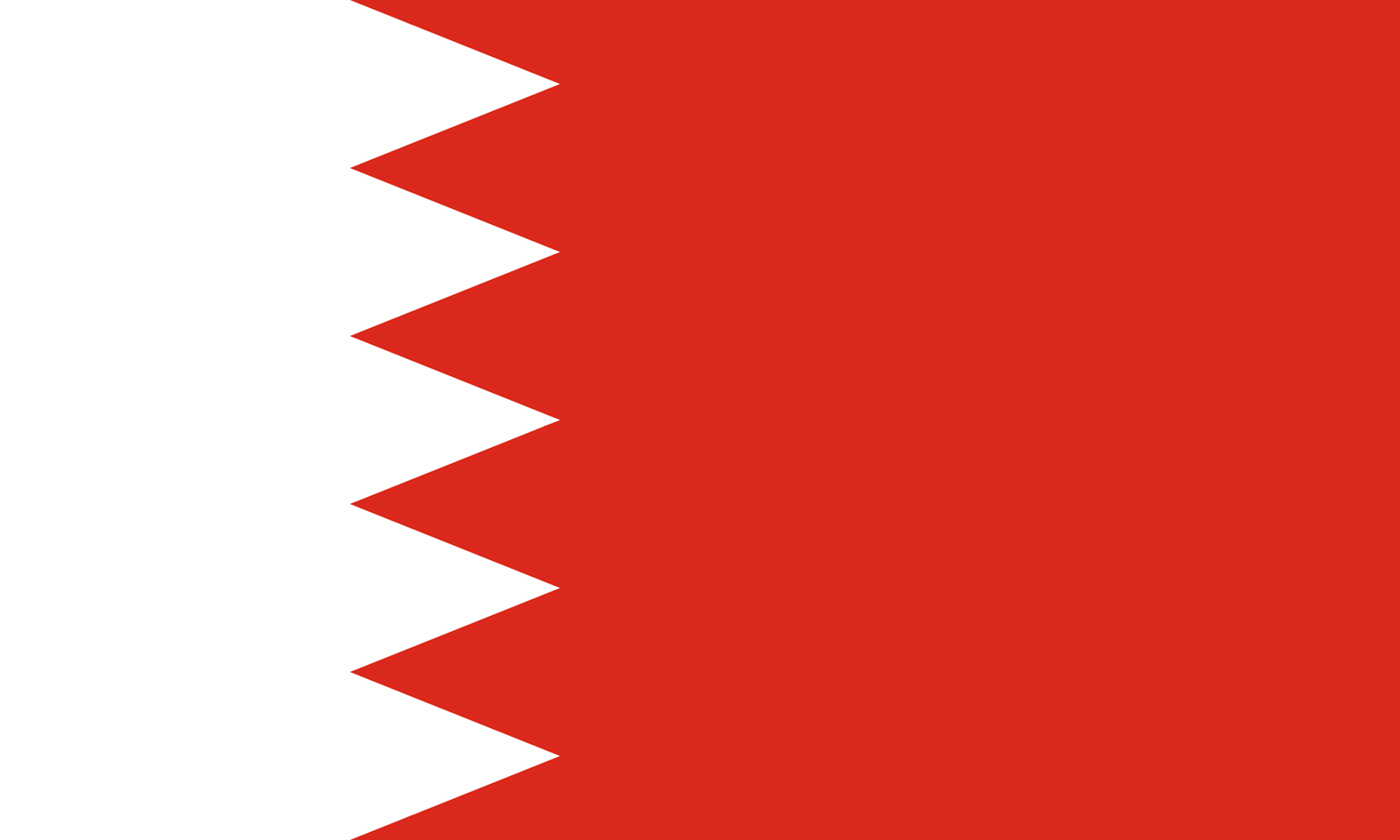
Flag of Bahrain
| Legal Name | Kingdom of Bahrain |
|---|---|
| Flag |
|
| Capital City |
Manama |
| Total Area | ~780 km² |
| Land Area | ~760 km² |
| Water Area | ~20 km² |
| Population | ~1.55 million |
| Major Cities | Manama (160K), Riffa (120K), Muharraq (110K), Hamad Town (60K), A’ali (45K) |
| Currency | Bahraini Dinar (BHD) |
| GDP | ~USD 45 billion |
| GDP Per Capita | ~USD 29,000 (nominal) |
About of Bahrain
Bahrain is a small island nation located in the Persian Gulf in Western Asia. It lies off the eastern coast of Saudi Arabia and is connected to the Saudi mainland by the King Fahd Causeway. The country consists of an archipelago of more than 30 natural islands and numerous artificial islands, with Bahrain Island being the largest and most populated. Its strategic position in the Gulf has historically made it an important center for trade, maritime activity, and cultural exchange.
As an island state, Bahrain does not share land borders but has maritime boundaries with Saudi Arabia, Qatar, and Iran. The capital city, Manama, is situated on the northeastern coast of Bahrain Island and serves as the nation’s political, financial, and cultural hub. Other urban centers such as Riffa and Muharraq contribute significantly to residential and commercial development.
Bahrain is an internationally recognized sovereign state and a member of the United Nations, the Arab League, the Gulf Cooperation Council (GCC), and the Organization of Islamic Cooperation. Geopolitically, it holds importance due to its location in a region central to global energy markets and shipping routes. The presence of international naval bases and financial institutions further enhances its regional and global significance.
3. Etymology
The name “Bahrain” originates from the Arabic word “Bahr” meaning “sea,” with “Bahrayn” translating to “two seas.” The phrase is believed to refer to the combination of the surrounding saltwater seas and the natural freshwater springs historically found beneath the island. Ancient texts referenced the region with similar terms, and over centuries the Arabic form “Bahrain” became the standardized name used internationally.
4. History
Human settlement in Bahrain dates back thousands of years, with archaeological evidence pointing to the Dilmun civilization around 3000 BCE. Dilmun served as a major trading hub linking Mesopotamia and the Indus Valley, making the islands one of the earliest centers of commerce in the Gulf region.
During classical and medieval periods, Bahrain experienced rule by various empires including the Persians, Arabs, and Portuguese. In the 16th century, Portuguese forces occupied the islands, followed later by Persian and Arab control. The Al Khalifa dynasty, which still rules Bahrain today, established authority in the late 18th century.
In the 19th and early 20th centuries, Bahrain became a British protectorate, focusing on maritime security and trade agreements. Oil discovery in 1932 transformed the economy and modernized infrastructure. Bahrain gained full independence from the United Kingdom in 1971. Subsequent decades saw economic diversification, political reforms, and social development, including the adoption of a new constitution and the establishment of a constitutional monarchy in 2002.
5. Government and Politics
Bahrain is a constitutional monarchy led by the King, who serves as head of state. The political system combines traditional monarchy with elected and appointed legislative bodies. Executive authority is exercised by the King and the Council of Ministers headed by the Prime Minister.
The legislative branch is bicameral, consisting of the elected Council of Representatives and the appointed Shura Council. The judicial branch operates independently under a civil law system influenced by Islamic law. The constitution provides the legal framework for governance and civil rights.
Administratively, Bahrain is divided into governorates. The country maintains diplomatic relations globally and is an active member of regional and international organizations such as the GCC and the United Nations. Defense and security are managed by the Bahrain Defence Force, which focuses on territorial protection, maritime security, and regional cooperation.
6. Economy
Bahrain is classified as a high-income, diversified economy within the Gulf region. Although oil and natural gas historically fueled growth, the country has successfully expanded into banking, finance, tourism, logistics, and information technology. It is widely recognized as a regional financial center with an advanced banking sector.
Agriculture plays a minor role due to limited arable land and water resources. Manufacturing sectors include aluminum production, petrochemicals, and food processing. Bahrain possesses modest oil reserves compared to neighboring states but continues to benefit from energy exports and refining.
Trade partners include Gulf countries, the United States, and Asian markets. Key economic challenges involve fluctuating oil prices, fiscal deficits, and the need for ongoing diversification. Future outlooks emphasize digital economy growth, renewable energy investment, and innovation in financial technologies.
7. Demographics
Bahrain has a diverse population consisting of both citizens and a significant expatriate workforce. Ethnically, the population includes Arab communities along with South Asian, Southeast Asian, and Western expatriates. Arabic is the official language, while English is widely spoken in commerce and education.
Islam is the predominant religion, with both Sunni and Shia communities present. There are also Christian, Hindu, and other religious minorities due to the expatriate population. Bahrain is highly urbanized, with most residents living in metropolitan areas around Manama and Muharraq. Population growth is influenced largely by migration and economic opportunities.
8. Culture and Society
Bahraini culture blends Arab, Persian, and maritime influences shaped by centuries of trade and seafaring. Traditional music, pearl diving heritage, and handicrafts remain important aspects of cultural identity. The country celebrates events such as National Day and religious festivals including Eid al-Fitr and Eid al-Adha.
Cuisine features rice dishes, grilled meats, seafood, and Middle Eastern spices. Social customs emphasize hospitality, family cohesion, and respect for traditions while also embracing modern urban lifestyles. Sports such as football, motorsports, and water activities are popular, with the Bahrain International Circuit hosting global racing events.
9. Education and Healthcare
Bahrain has a well-developed education system with compulsory primary and secondary schooling. Literacy rates are high, and universities and technical institutions provide advanced academic and vocational programs. Education reforms increasingly focus on technology integration and international collaboration.
Healthcare services are delivered through a network of public hospitals and private clinics. The government invests heavily in preventive care, maternal health, and specialized medical services. Public health achievements include improved life expectancy and vaccination coverage, though challenges remain in addressing lifestyle-related diseases.
10. Geography and Climate
Bahrain’s geography is characterized by low-lying desert plains, reclaimed land, and coastal areas rather than mountains or rivers. The islands are surrounded by shallow Gulf waters rich in marine life. Land reclamation projects have expanded urban and industrial zones over recent decades.
The climate is arid and subtropical, with extremely hot summers, mild winters, and low annual rainfall. Natural hazards primarily include dust storms and extreme heat. Environmental concerns involve water scarcity, marine pollution, and the ecological impact of urban expansion.
11. Flora and Fauna
Bahrain’s natural vegetation consists mainly of desert shrubs, date palms, and drought-resistant plants. Wildlife is limited due to urbanization and arid conditions but includes bird species, small mammals, and marine life such as fish and dolphins. Conservation initiatives focus on marine ecosystems, bird sanctuaries, and protected coastal areas.
Map of Bahrain
Key national symbols include the red and white national flag, the Coat of Arms featuring a shield with serrated white and red elements topped by a crown, and the national anthem “Bahrainona.” The Arabian oryx and date palm are often associated with national heritage and identity.
National Flag (Detailed Section)
The national flag of Bahrain features a white vertical band on the hoist side and a red field on the fly side, separated by a serrated line of five white triangles. The five points symbolize the Five Pillars of Islam, while red historically represents the traditional color of Gulf states and white signifies peace and unity.
The current design was officially adopted in 2002, refining earlier versions used since the 19th century. The flag is displayed on government buildings, national events, and international gatherings. Protocol requires respectful handling, proper orientation, and half-mast positioning during periods of national mourning.
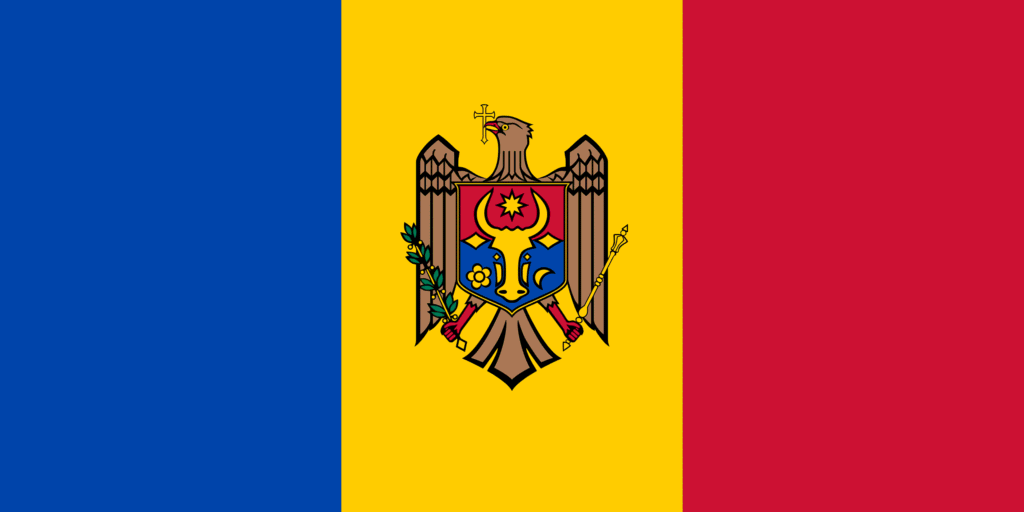
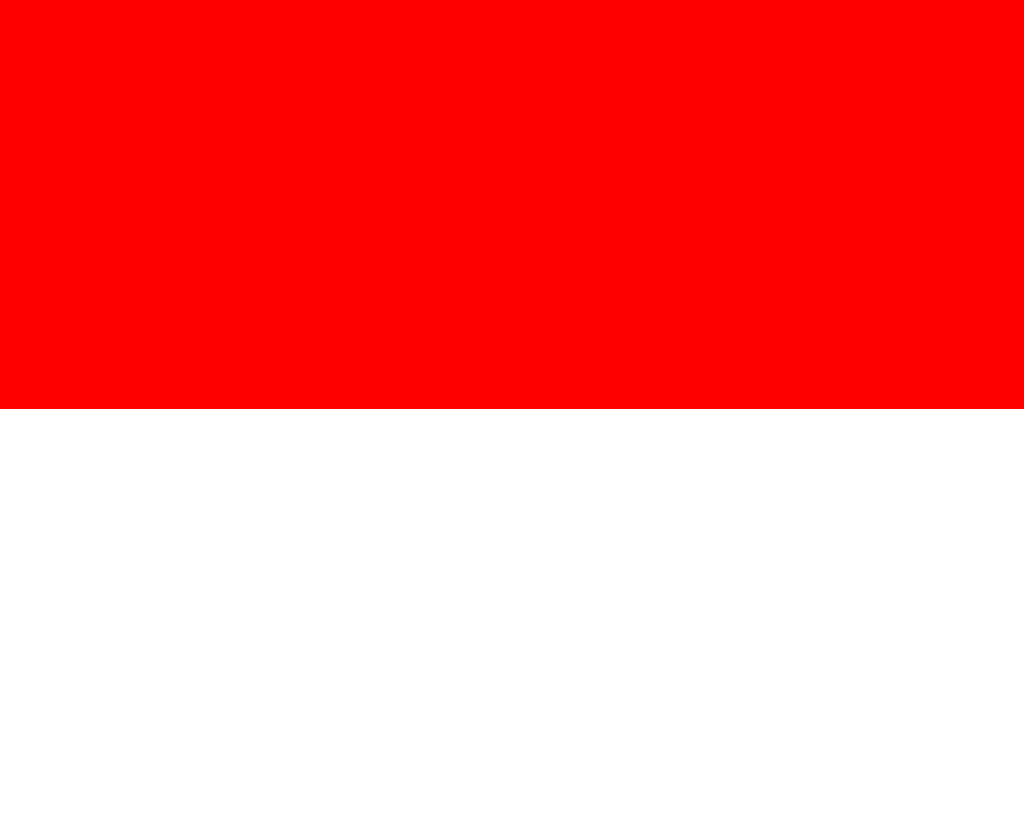
Realted Flags
Flag flying days
| Date | Position | Reason[18] |
|---|---|---|
| 23 March | Full-mast | Pakistan Day: Adoption of the Lahore Resolution (1940) and declaration of the Islamic Republic (1956) |
| 21 April | Half-mast | Death Anniversary of the National Poet, Muhammad Iqbal (1938) |
| 14 August | Full-mast | Independence Day (1947) |
| 11 September | Half-mast | Death Anniversary of the Father of the Nation, Muhammad Ali Jinnah (1948) |
| 9 November | Full-mast | Birthday of Muhammad Iqbal |
| 25 December | Full-mast | Birthday of Muhammad Ali Jinnah |